Charles Kean as King Lear — History & Facts
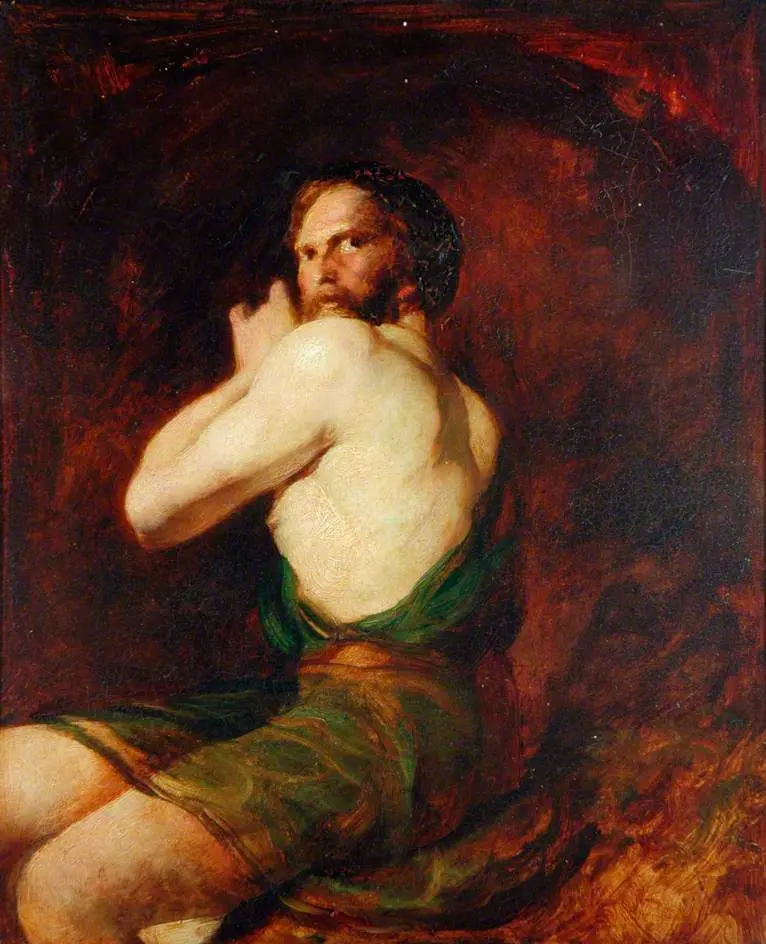
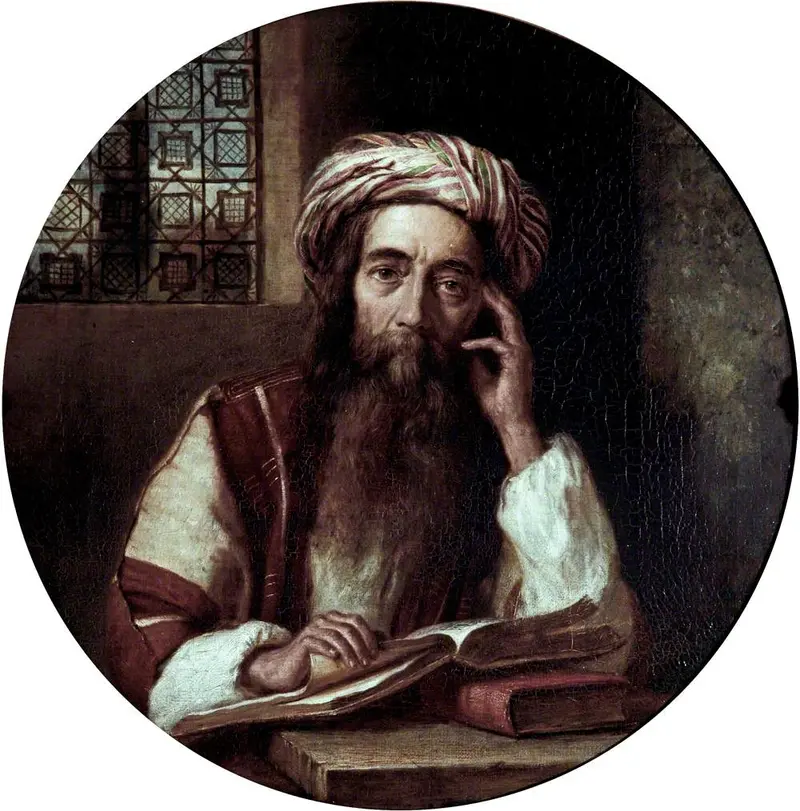
What draws the eye first is the force of feeling in the old man’s face: a sweep of white beard, furrowed brow, and searching eyes, as if he is listening for the verdict of fate. The painter has caught him in a moment of troubled reflection, his hands clutching his cloak, the lines of his face alive with worry. The light falls from above, carving out the dome of his forehead and the tangled beard, while the rest of the image dissolves into deep, earthy shadow.
This is not just a portrait but a study in the weight of age and the burden of memory, every brushstroke charged with tension. The palette is all rich browns and ochres, the flesh tones raw and honest, heightening the sense of a mind wrestling with itself. Works like this, painted in the tradition of nineteenth-century theatrical portraiture, were often commissioned to immortalize celebrated actors in their most famous roles. In this case, the subject is Charles Kean as King Lear, captured by William Etty, and now part of the Art UK collection.
Such paintings were prized by both theatergoers and collectors, eager to preserve the fleeting magic of a performance. The era was one of fascination with Shakespearean tragedy, and artists like Etty brought the drama of the stage into the private space of the home or gallery. The world has kept few traces of the exact circumstances around this painting, but its intensity invites us to look again, searching for the story behind those haunted eyes.