
Study for the Horse of Grand Duke of Lithuania Vytautas for the Painting "The Battle of Grunwald" — History & Facts
Few battles in European history have inspired as much national pride as the clash at Grunwald on July 15, 1410, when the allied forces of the Kingdom of Poland and the Grand Duchy of Lithuania defeated the Teutonic Knights. This momentous victory became a keystone of Polish and Lithuanian identity, and centuries later, it drove Jan Matejko to dedicate years to his monumental canvas, The Battle of Grunwald. The study before us, Study for the Horse of Grand Duke of Lithuania Vytautas for the Painting The Battle of Grunwald, offers a rare glimpse into the meticulous preparations behind one of the 19th century’s most ambitious historical paintings. Here, Matejko captures the horse destined to carry Vytautas the Great, Grand Duke of Lithuania, into the thick of battle.
The study freezes a moment of tense anticipation: the animal’s muscles taut, nostrils flared, as if sensing the chaos to come. Matejko’s attention to the horse’s anatomy—its arched neck, the bridle’s ornate details—signals the importance of both rider and steed in the unfolding drama. Unlike Albrecht Dürer’s more static studies of horses, Matejko’s rendering pulses with life and readiness, embodying the energy and uncertainty of the battlefield.
The focus on the horse alone, rather than the human figure, underscores the animal’s role as both witness and participant in history. The precise medium of this study remains uncertain, a reminder of how preparatory works often escape the careful documentation reserved for finished masterpieces. Most likely executed in pencil or oil on paper, it was created in 1876 as part of Matejko’s exhaustive research for his grand painting, now housed in Warsaw’s National Museum. While the final Battle of Grunwald became a symbol of Polish resilience, studies like this one rarely left the artist’s studio, serving as private tools in his creative process.
Today, such studies are treasured for the insight they provide into Matejko’s working methods and his commitment to historical accuracy.
More Artworks by Jan Matejko
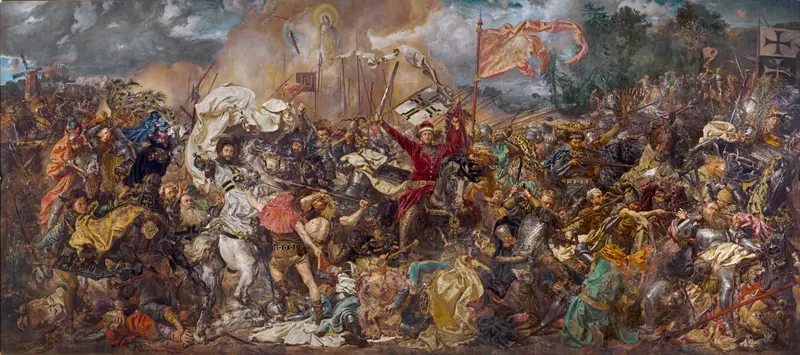
Battle of Grunwald
Jan Matejko

Stańczyk
Jan Matejko

Battle of Raclawice
Jan Matejko
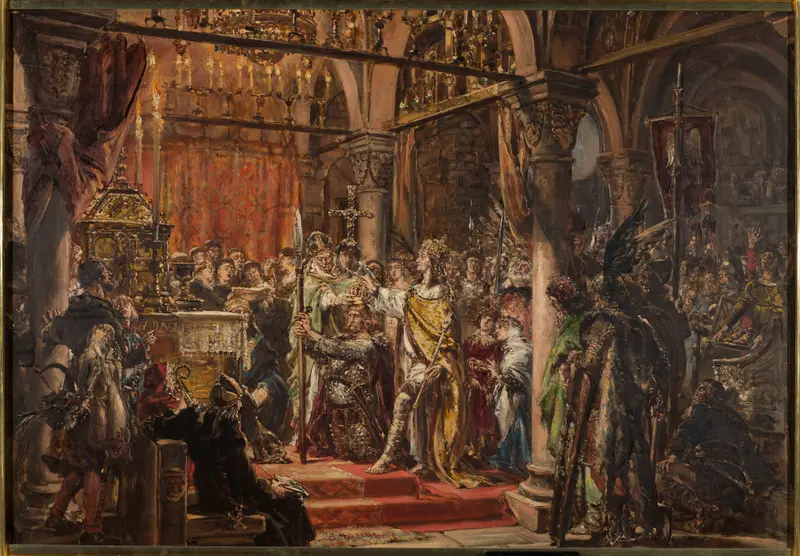
Coronation of the First King, 1001 AD, from the series “History of Civilization in Poland”
Jan Matejko
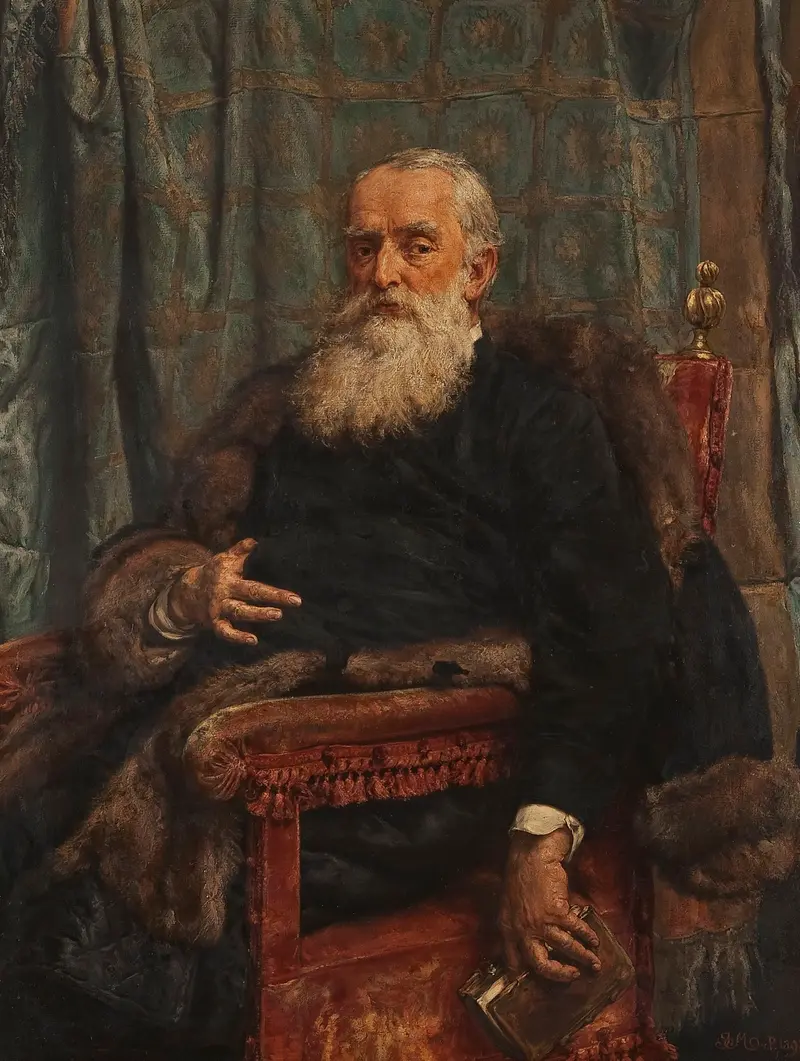
Portrait of Henryk Krajewski
Jan Matejko
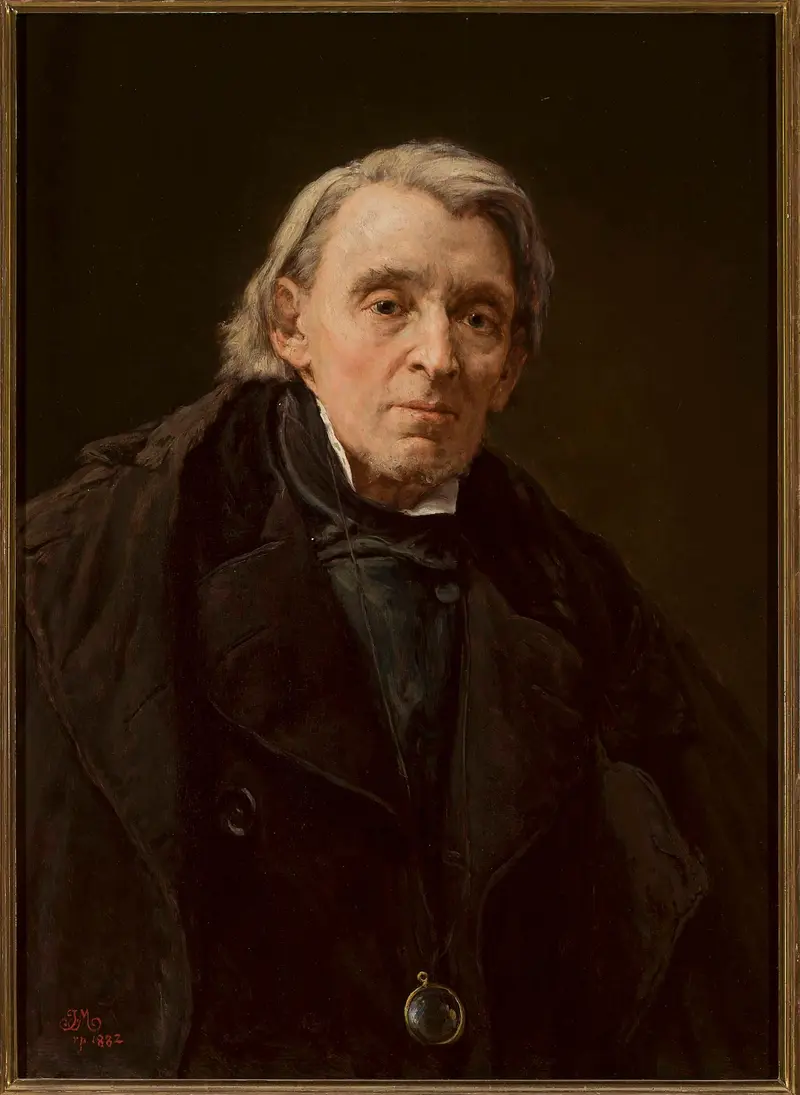
Portrait of Karol Podlewski
Jan Matejko
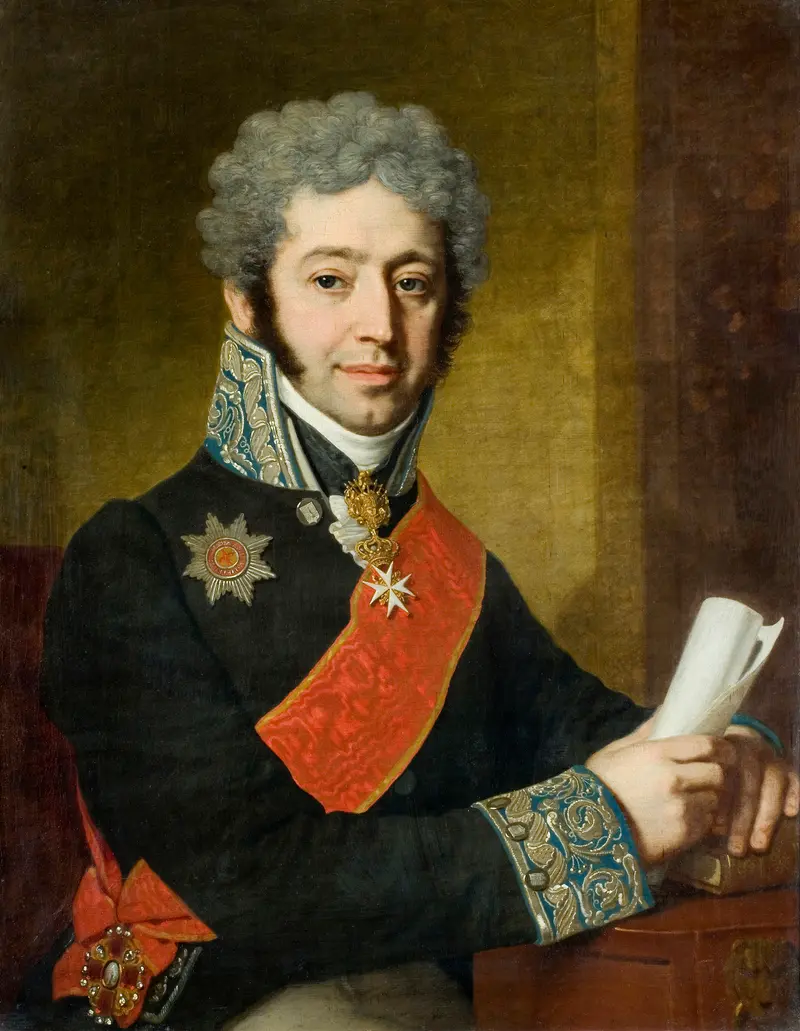
Portrait of Potocki and Poninski
Jan Matejko
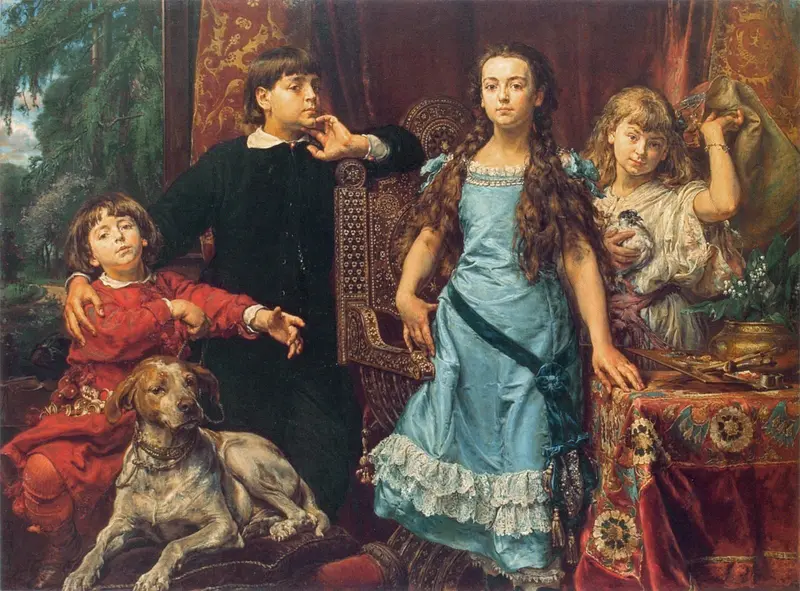
Portrait of the artist's four children
Jan Matejko
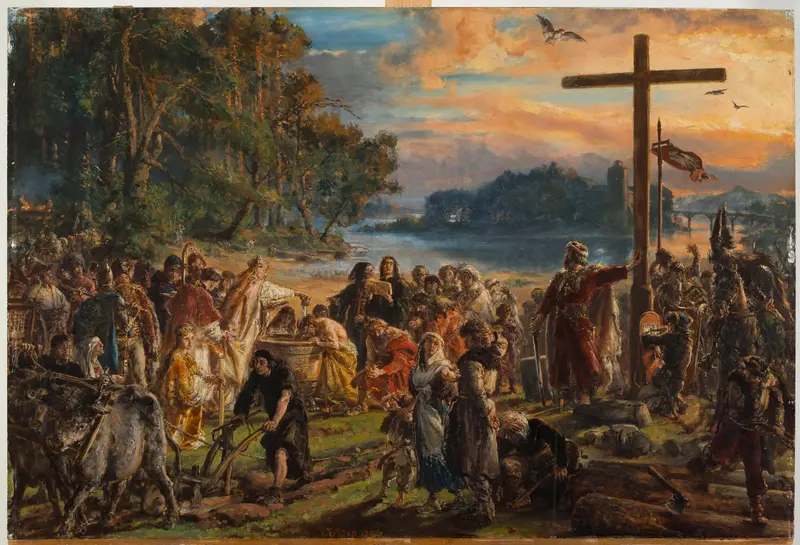
Introduction of Christianity in Poland
Jan Matejko
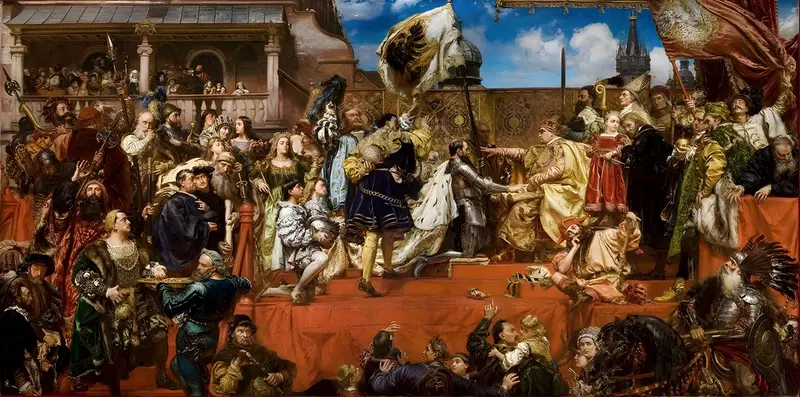
Prussian Homage
Jan Matejko





