
Study. From the journey to India — History & Facts
Can beauty exist without sorrow? This question lingers in the air, much like the fragrant blooms captured in a delicate moment of awakening. Look to the center of the canvas, where a solitary figure emerges, her serene visage framed by intricate floral patterns. The artist’s brushwork breathes life into the blossoms, each petal expertly rendered to evoke both fragility and vitality. Notice the soft play of light as it dances across her face, illuminating the longing and contemplation etched into her expression.
The harmonious palette of muted pastels contrasts with bold accents, creating a visual dialogue that invites the viewer to pause and reflect. Delve deeper into the subtleties of her gaze—it's not merely one of tranquility but hints at an underlying melancholy, a recognition that beauty often coexists with heartache. The neighboring flora appears as a comforting embrace yet seems to whisper secrets of transience. Here, the juxtaposition of light and shadow fosters a profound emotional tension, suggesting that to awaken is to confront the bittersweet nature of existence. In 1907, Jan Ciągliński was immersed in the vibrant artistic milieu of Paris, a city that buzzed with the influences of various movements, including Impressionism and Symbolism.
The artist's journey to India had enriched his perspective, allowing him to merge Eastern motifs with Western techniques. This period marked a pivotal moment in his career, as he sought to capture the essence of human emotion through the lens of exotic beauty, forever altering the trajectory of his artistic expression.
More Artworks by Jan Ciągliński
Browse all →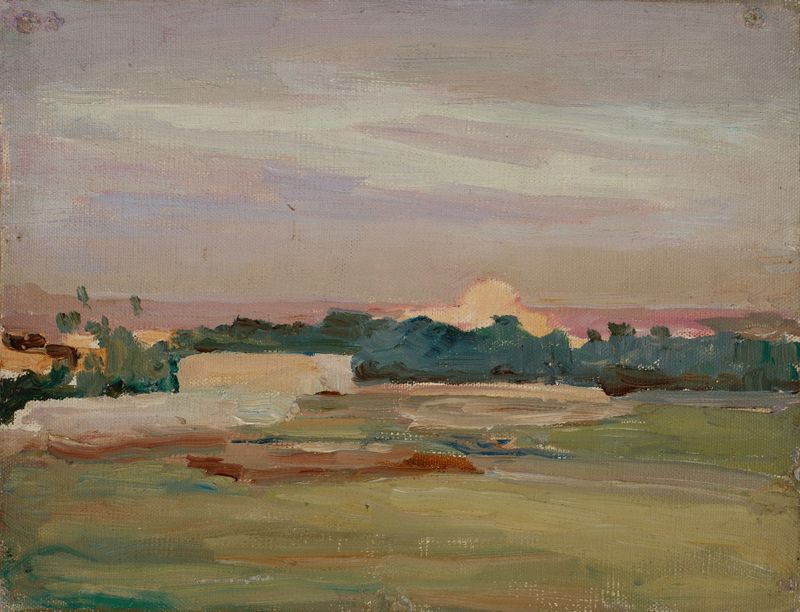
The Sirocco
Jan Ciągliński
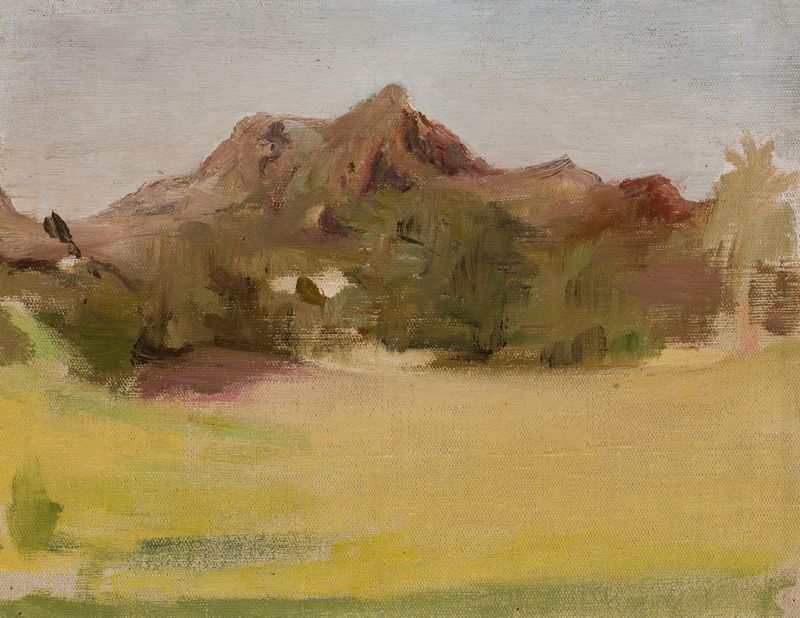
Mountain landscape. From the journey to India
Jan Ciągliński
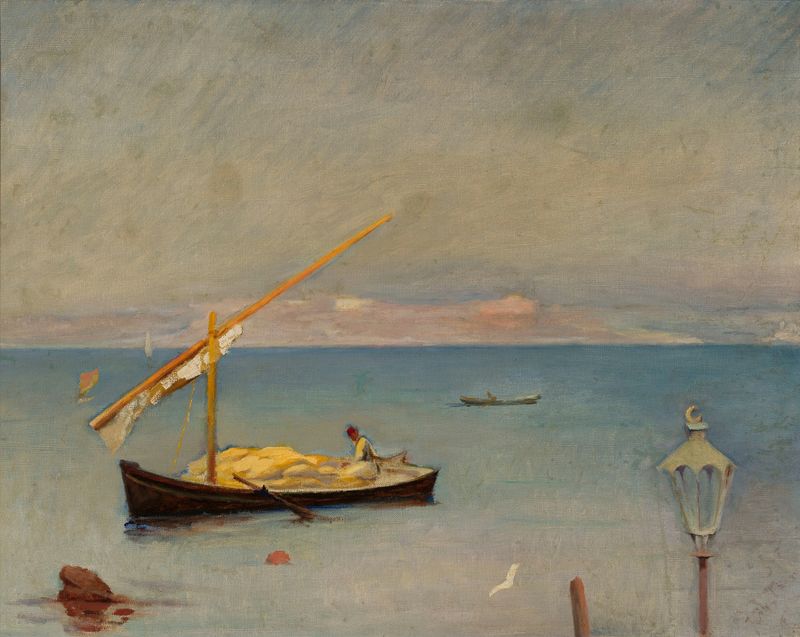
At Bosporus
Jan Ciągliński
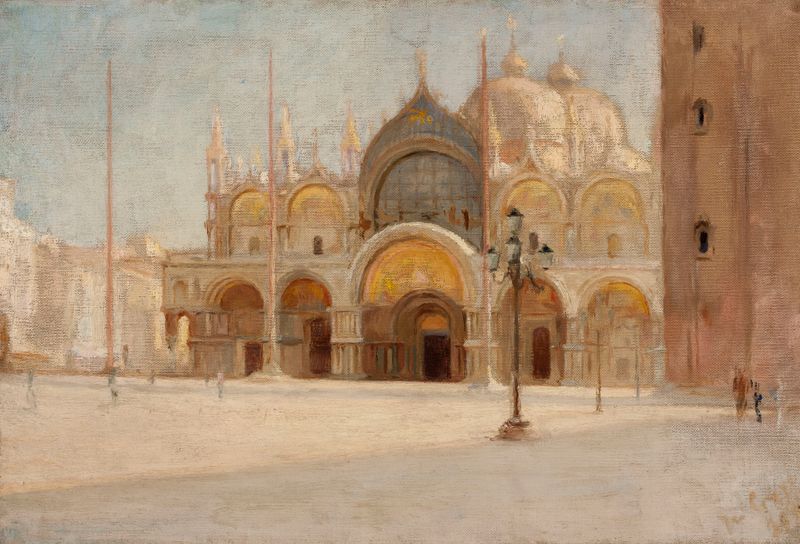
St Mark’s Square in Venice
Jan Ciągliński
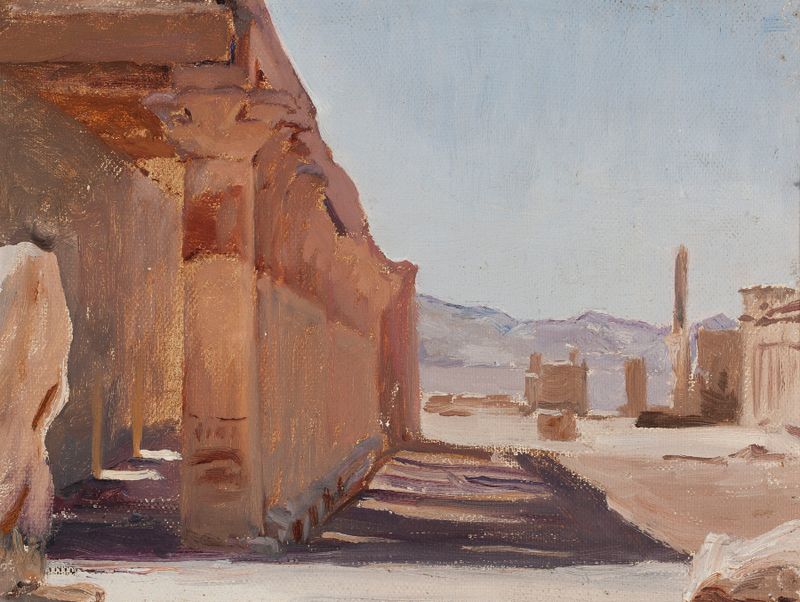
Temple. From the journey to Egypt
Jan Ciągliński
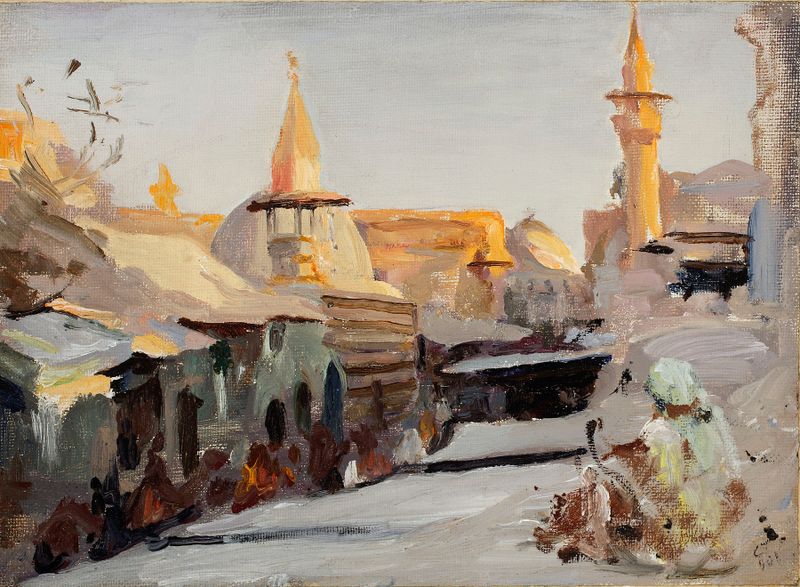
Street in Damascus. From the journey to Palestine
Jan Ciągliński
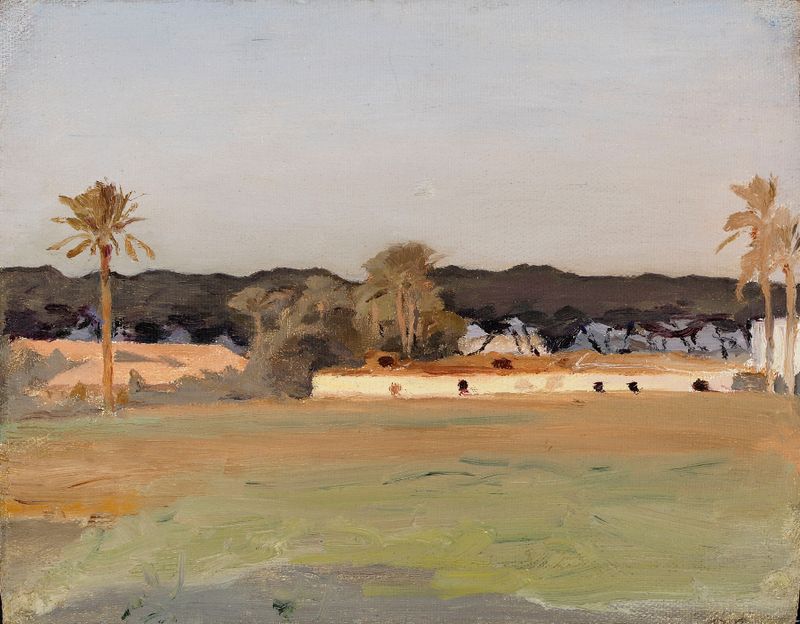
Evening. From the journey to Egypt
Jan Ciągliński
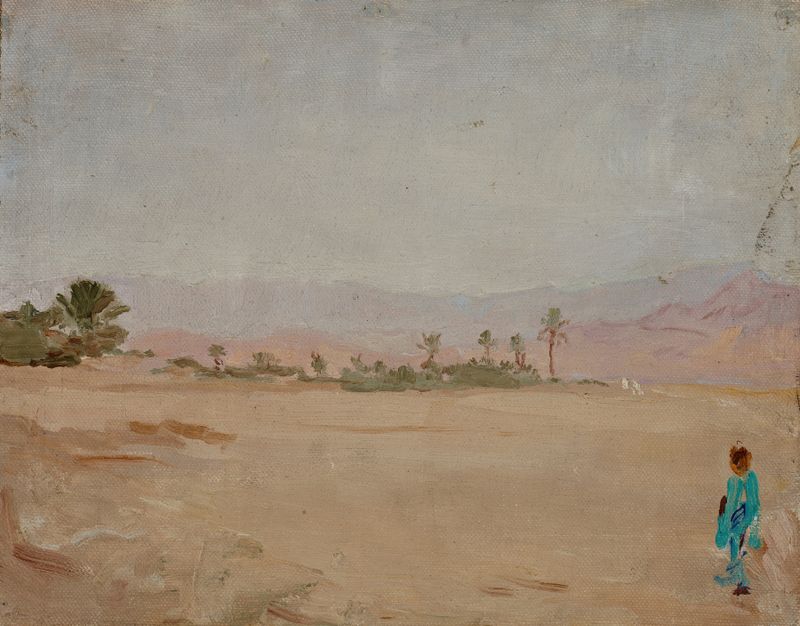
Sahara (Desert)
Jan Ciągliński
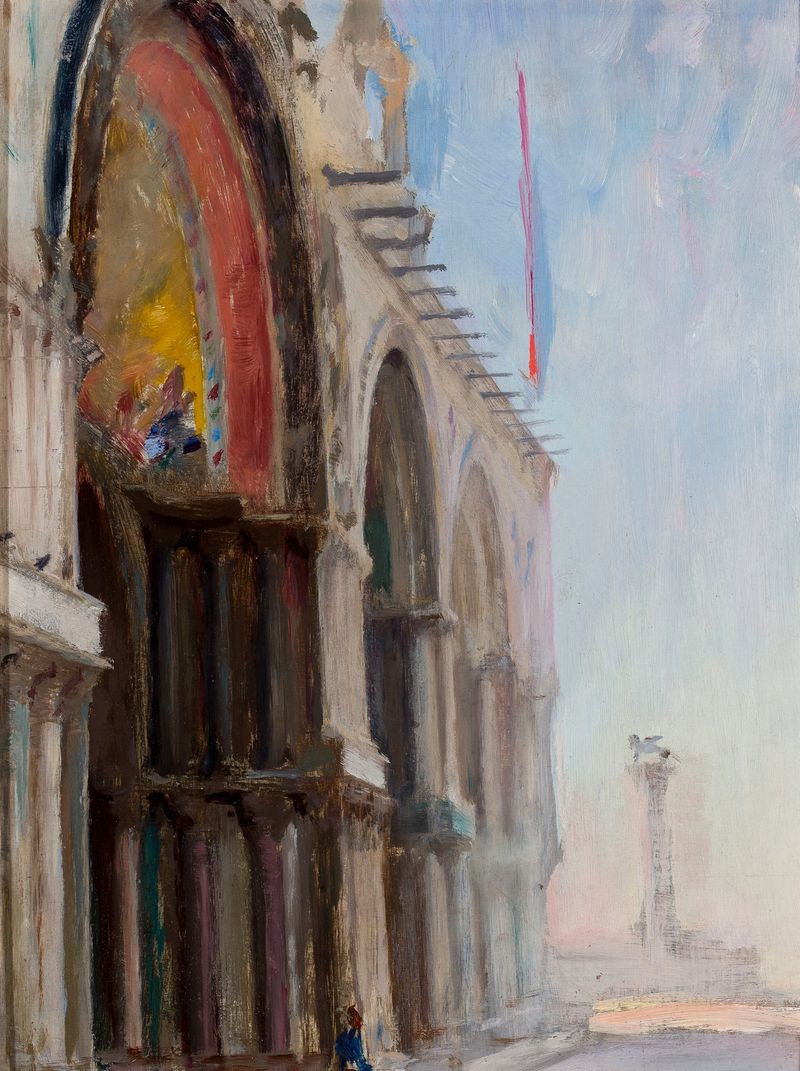
Venice – San Marco. From the journey to Italy
Jan Ciągliński
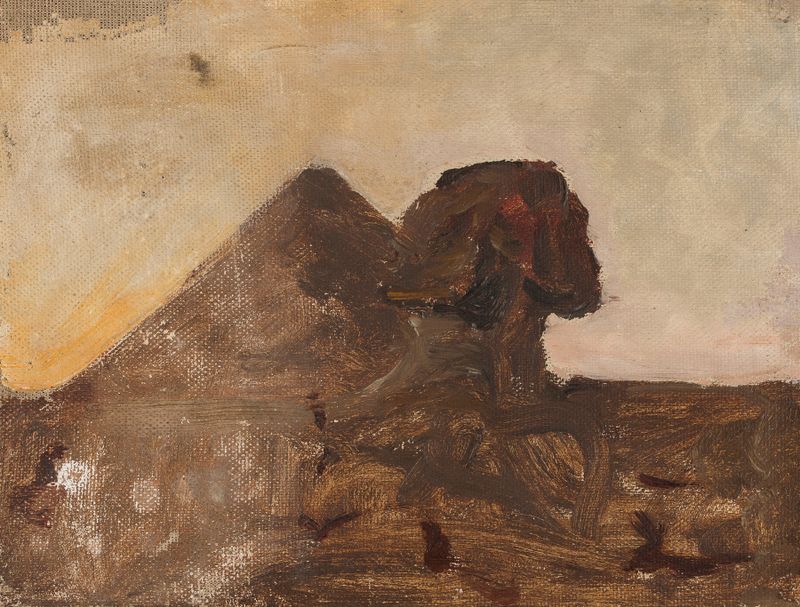
Evening in the desert – Sphinx and pyramid. From the journey to Egypt
Jan Ciągliński





