
Study of a Cloudy Sky — History & Facts
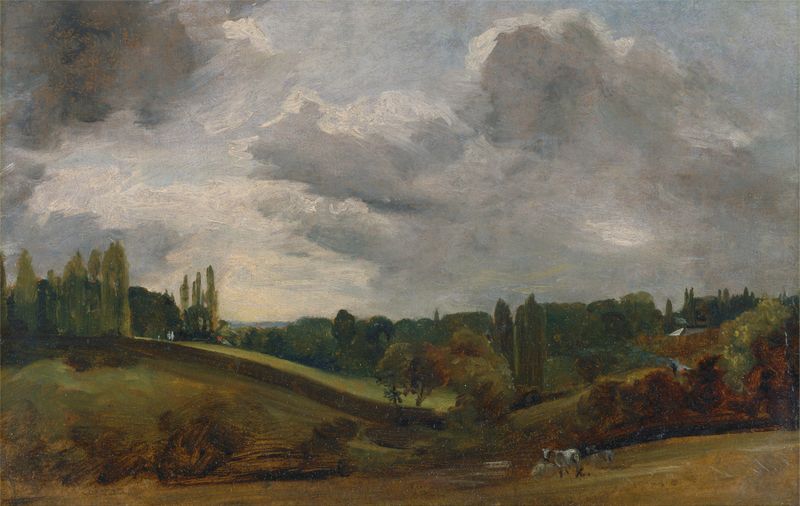
This sentiment resonates deeply within the vast expanse of the canvas, where shadows cavort beneath a turbulent, cloud-strewn sky. It invites contemplation of the hidden sorrows that often lie beneath the surface of beauty. Look to the upper left corner of the canvas, where billowing clouds engulf the sky in a dramatic dance of light and shadow. Notice how the artist skillfully captures the interplay of soft whites and deep grays, evoking a sense of movement and tumult.
The delicate brushwork gives the clouds a living quality, while the use of lighter pigments at the edges creates an illusion of luminescence, suggesting the sun's struggle to break through the veil of darkness. As your gaze travels downward, subtle contrasts emerge — the threatening sky starkly juxtaposed against the serene promise of the earth below. This tension between light and shadow holds the weight of anticipation, hinting at the emotional turmoil often unseen in nature. The subtleties of color convey a myriad of moods, from fleeting joy to impending despair, mirroring the complexity of human experience. In 1825, while residing in Hampstead, John Constable painted Study of a Cloudy Sky during a period of profound personal and artistic development.
The Romantic movement was flourishing, and Constable sought to capture the raw beauty of the English landscape, transcending mere representation to evoke emotional depth. His dedication to studying nature, particularly the sky, reflected a broader pursuit of truth in a world increasingly defined by industrialization.
More Artworks by John Constable
Browse all →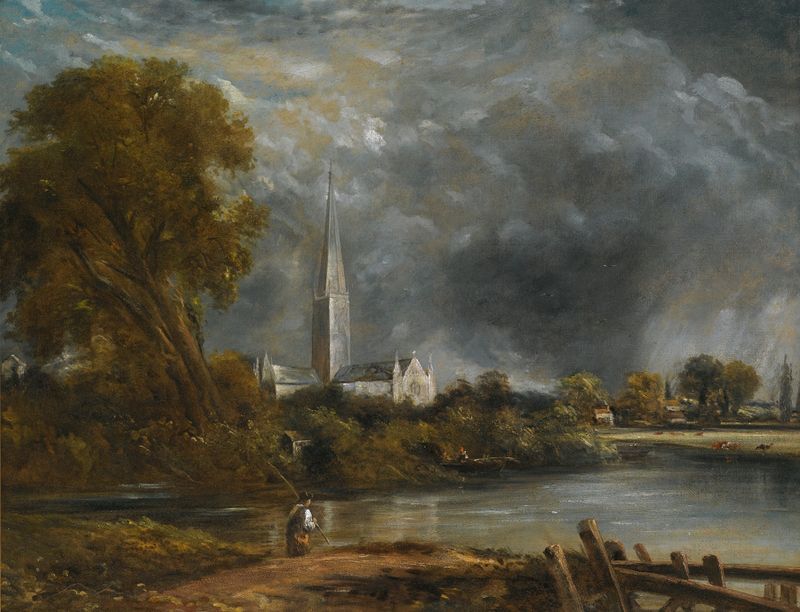
Salisbury Cathedral From The Meadows
John Constable
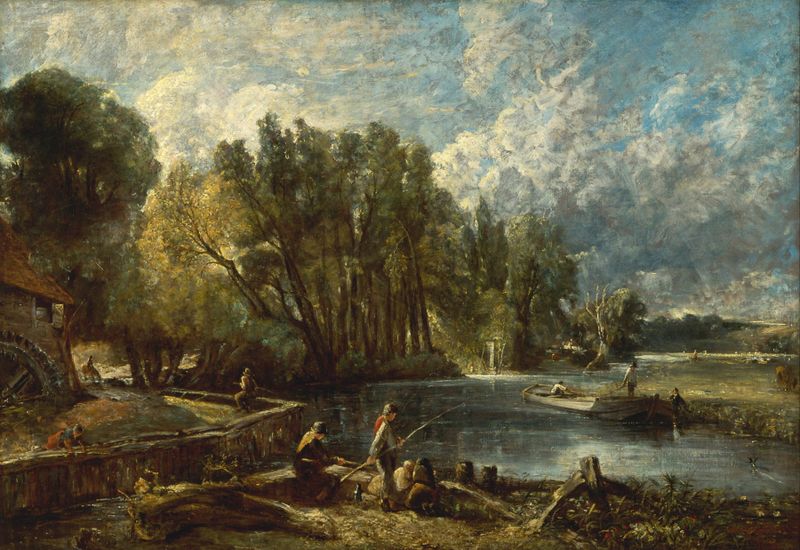
Stratford Mill
John Constable
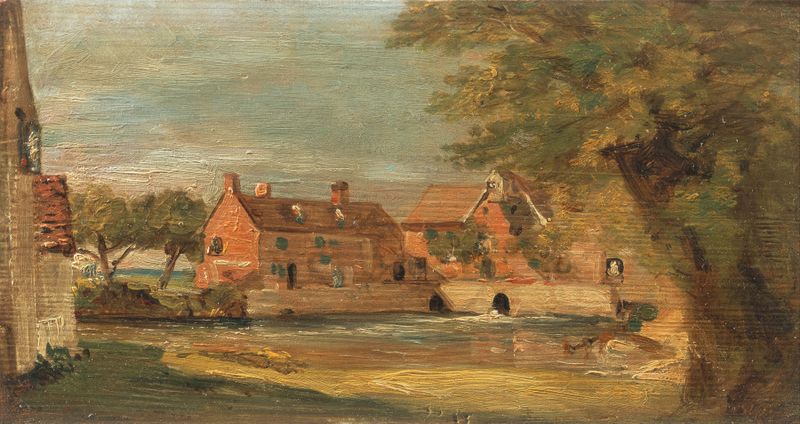
Flatford Mill
John Constable
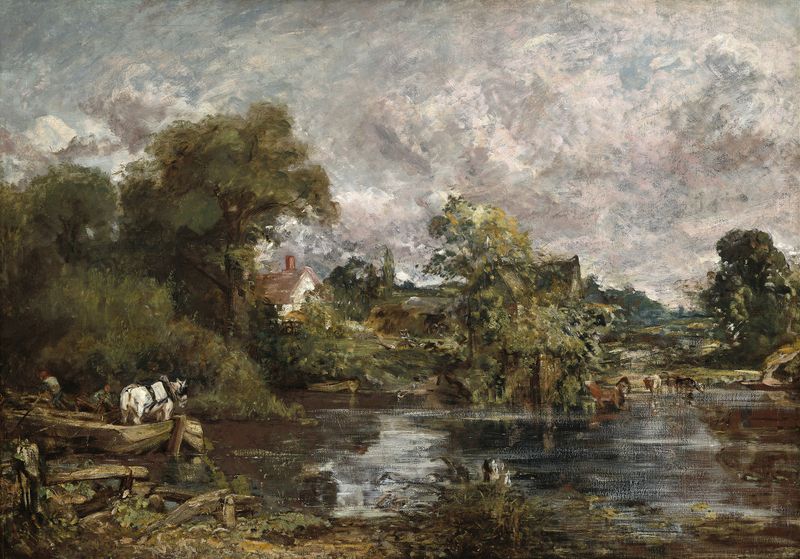
The White Horse
John Constable
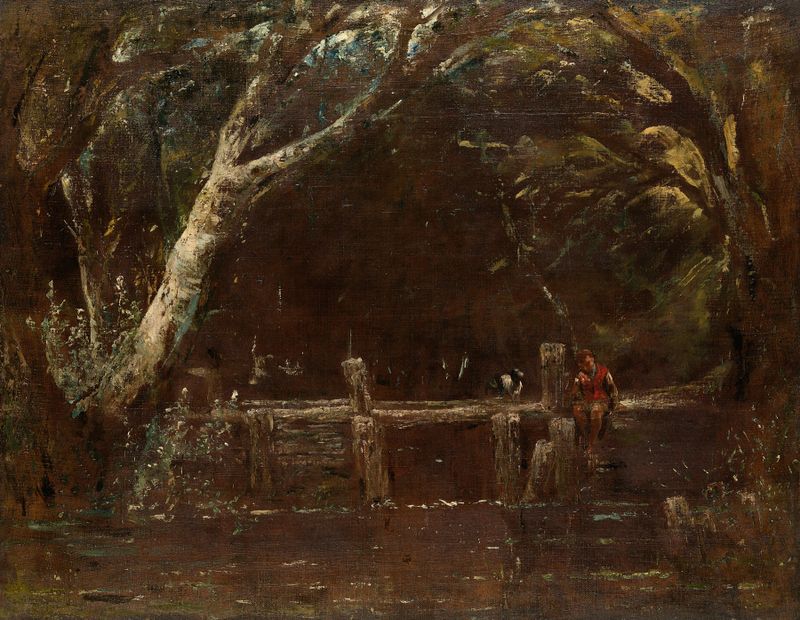
Landscape (The Lock)
John Constable
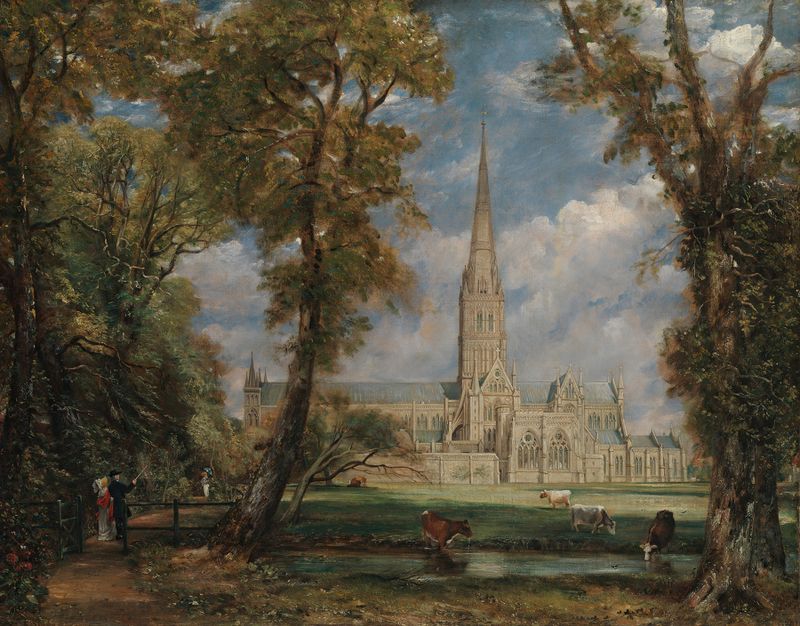
Salisbury Cathedral from the Bishop’s Grounds
John Constable
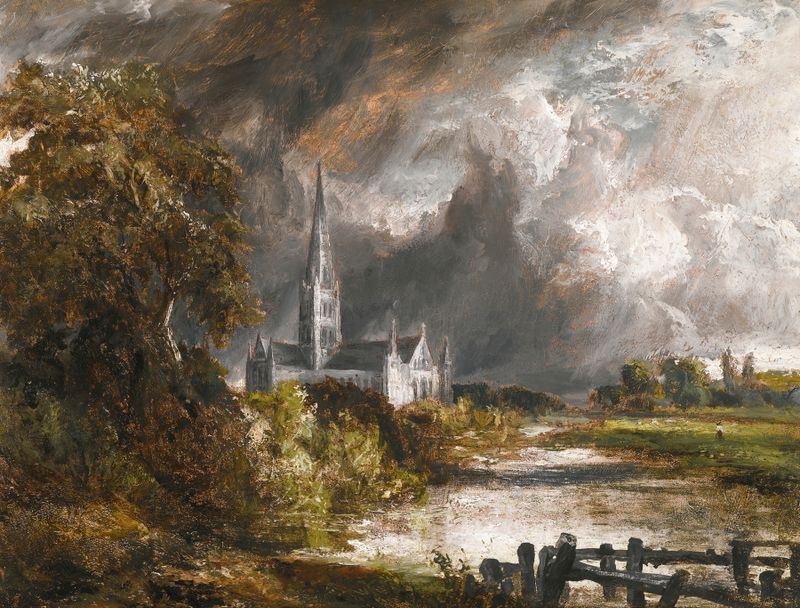
Salisbury Cathedral From The Meadows
John Constable
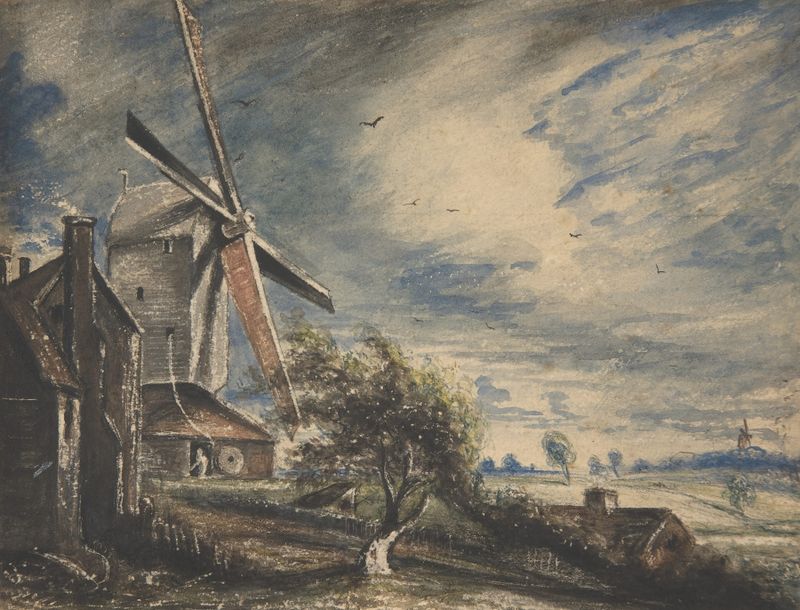
A Mill Near Colchester
John Constable
East Bergholt
John Constable

Flatford Mill
John Constable





