Study of a decaying Trunk — History & Facts
In Study of a Decaying Trunk, the violence of nature’s decay is transformed into a delicate composition, inviting contemplation of both beauty and transience. Look to the center, where the gnarled, splintered wood reveals the essence of life ebbing into stillness. The palette of ochres and muted greens narrates a story of decay, simultaneously evoking warmth and melancholy. Observe how the light dances across the textured surface, illuminating intricate details in the bark that suggest resilience amidst destruction.
Each stroke feels deliberate, capturing the tension between life and death, inviting the viewer into a moment of quiet reflection. Within the artwork lies a deeper commentary on the cycle of existence. The juxtaposition of strength and fragility is palpable; the trunk's rugged exterior contrasts with the soft, moss-covered areas, suggesting that beauty often emerges from what is deemed unworthy or broken. This study prompts us to confront our own vulnerabilities and recognize that decay is not merely an end but a transformation, a necessary step towards renewal. In 1851, Cappelen was immersed in the Romantic movement’s embrace of nature, where he sought to depict not just the physical world but the emotional resonance it holds.
Living in Norway, he was influenced by the rugged landscapes surrounding him and the philosophical currents of his time that celebrated the sublime and the ephemeral. This period marked a pivotal moment in his artistic journey, as he began to delve deeper into the interplay between life and death within his works, embracing the raw beauty found in decay.
More Artworks by August Cappelen
Browse all →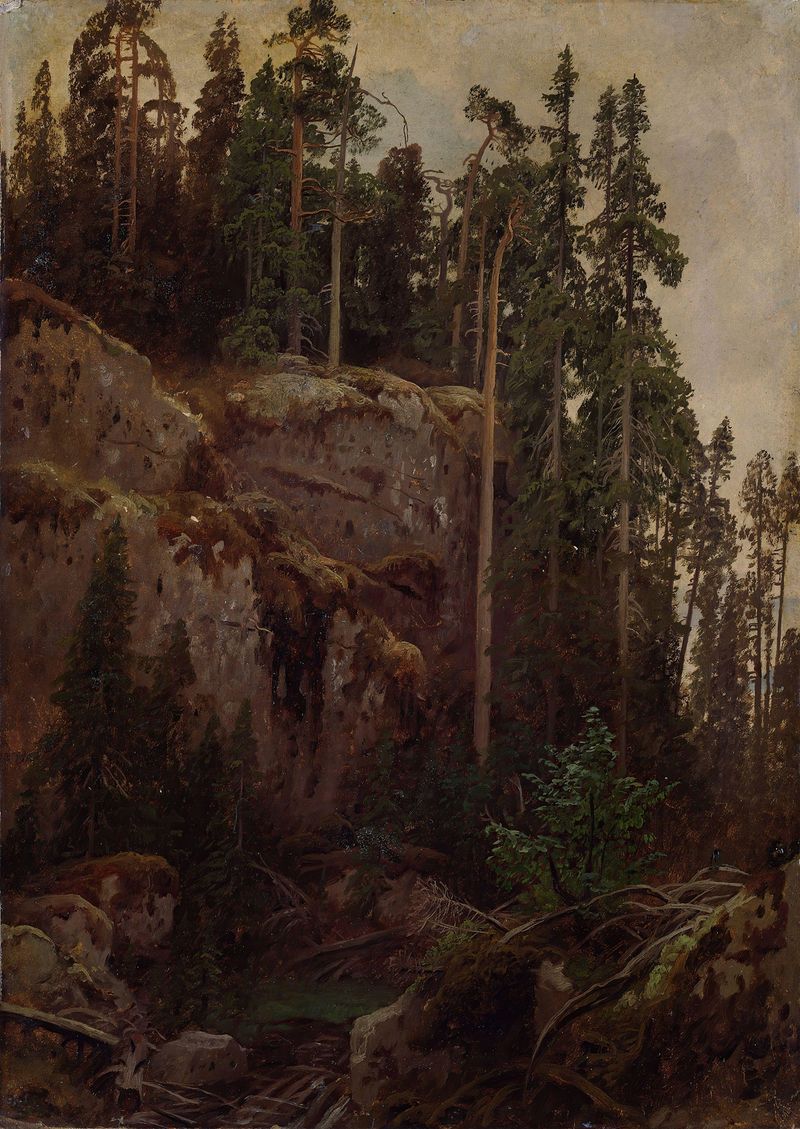
Landscape Study with a Precipice
August Cappelen
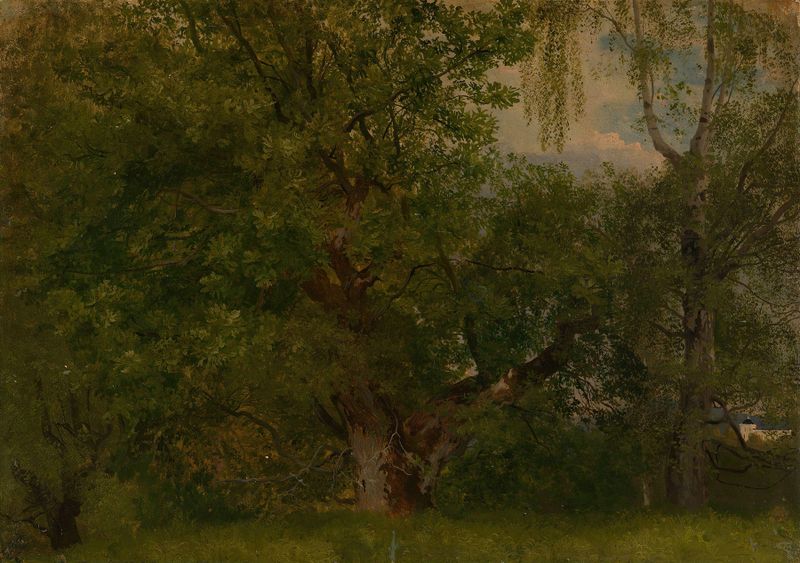
Wood near Ulefoss
August Cappelen

Forest Study
August Cappelen
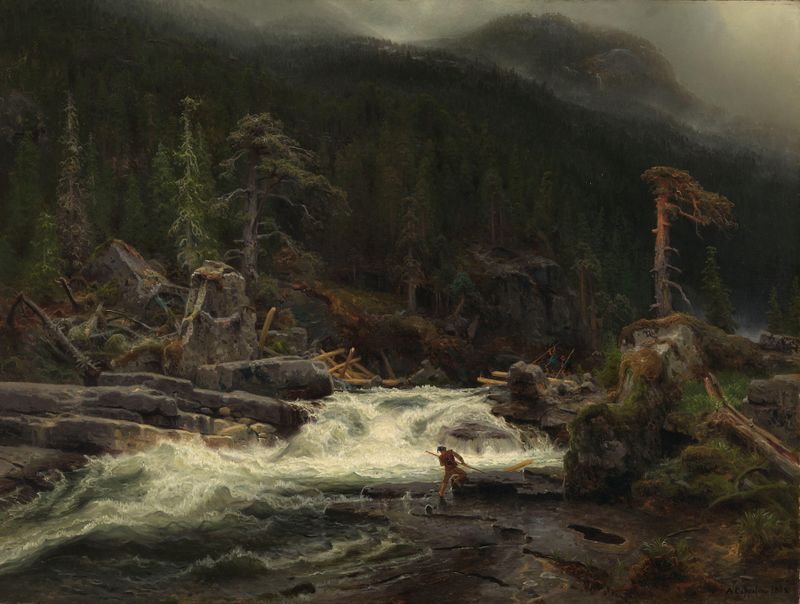
Waterfall in Telemark
August Cappelen
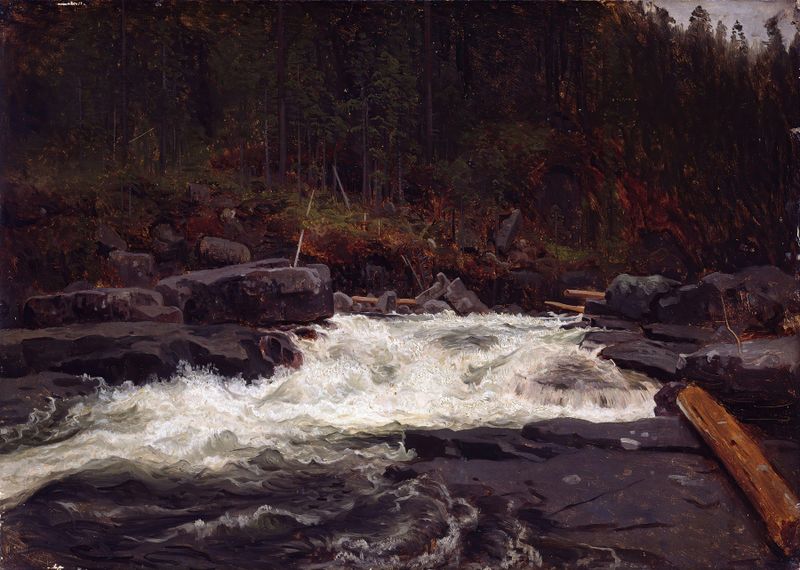
Waterfall in Telemark, Study for Inv.No. 427
August Cappelen
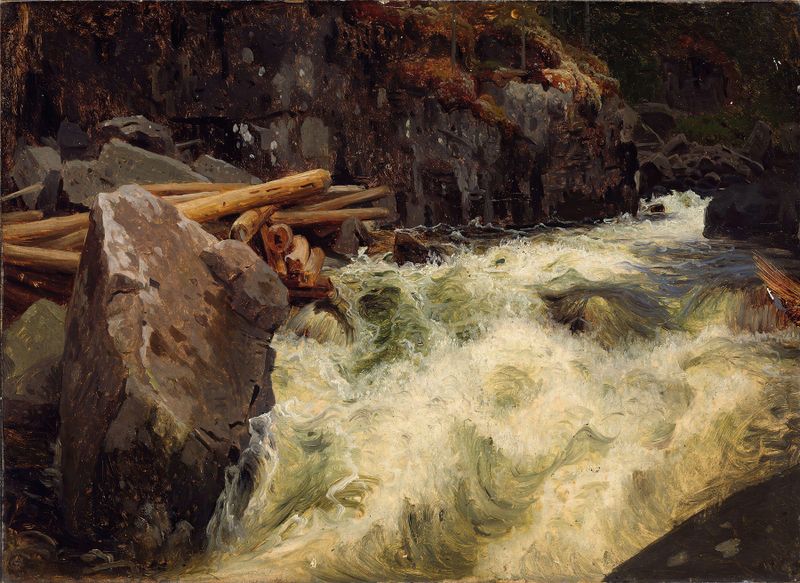
Study of a Waterfall
August Cappelen
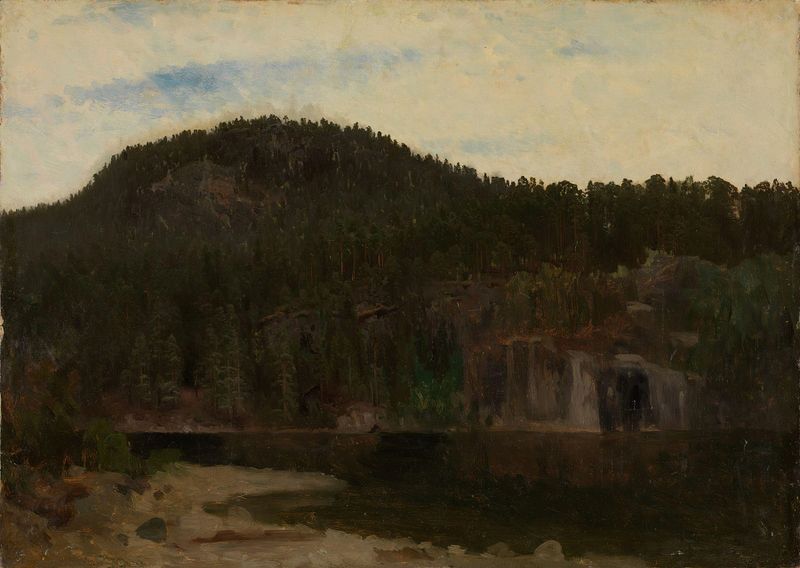
Landscape Study with a Lake
August Cappelen

Study of a Wood
August Cappelen

Study of a Rock
August Cappelen
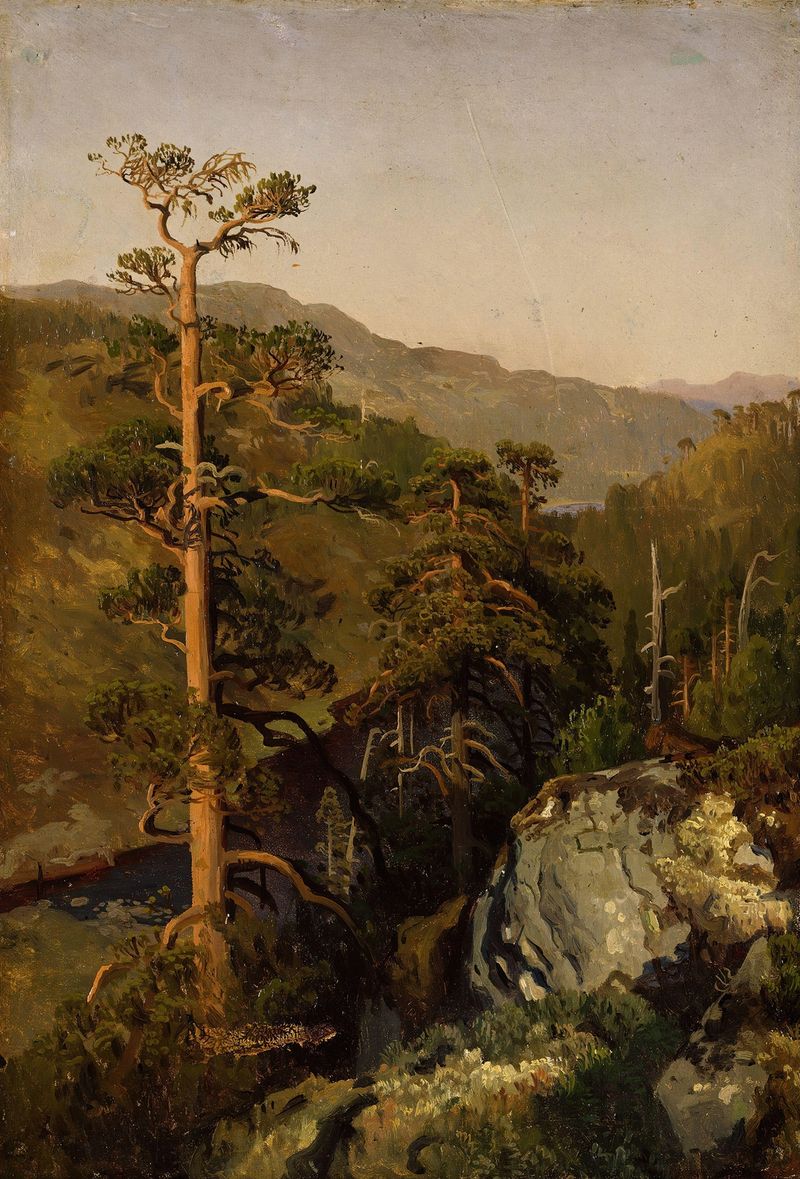
Rocky Landscape with Pinetrees
August Cappelen