
Study of a fallen Tree — History & Facts
What secret hides in the quiet of the canvas? In the stillness of nature, there lies an unsettling balance between life and decay, captured with striking clarity. Look to the center of the composition, where the trunk of the fallen tree sprawls across the foreground, its bark rough and weathered. The artist’s meticulous brushwork invites you to trace each groove and knot, revealing the tree's battle against time. Notice how the light filters through the leafy canopy above, casting dappled patterns on the ground, creating an ethereal glow that contrasts with the somber mood evoked by the fallen giant. As you explore the edges of the scene, you'll find delicate details: ferns and wildflowers nestled among the roots, symbolizing resilience amidst loss.
The juxtaposition of vibrant green against the muted browns of the tree showcases the cycle of life—how growth often emerges from decay. This interplay speaks to the fragility of existence, prompting contemplation on what it means to find beauty in moments of surrender. In 1851, August Cappelen painted this work during a time of personal reflection, having recently returned to Norway after studying in Paris. The art world was shifting towards realism and a renewed appreciation for nature, and Cappelen became an influential figure in the Norwegian landscape movement.
Amidst this evolving artistic landscape, his Study of a Fallen Tree served as a testament to the timeless connection between humanity and the natural world.
More Artworks by August Cappelen
Browse all →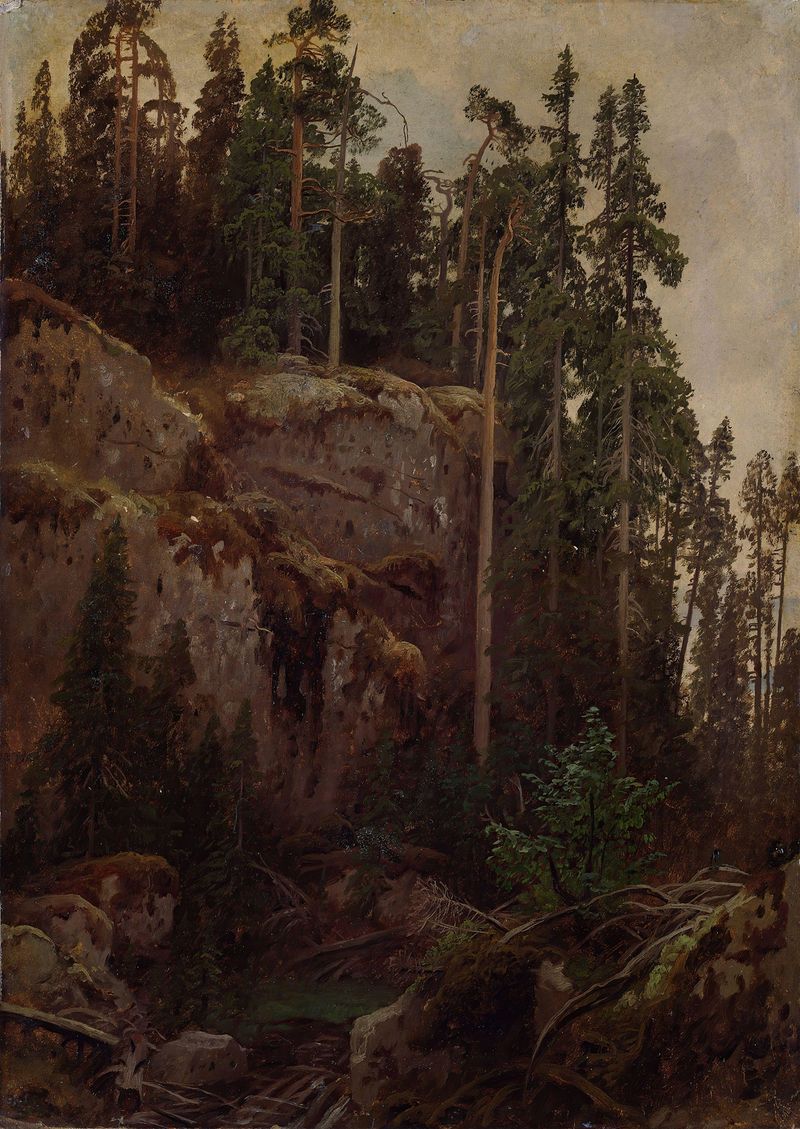
Landscape Study with a Precipice
August Cappelen
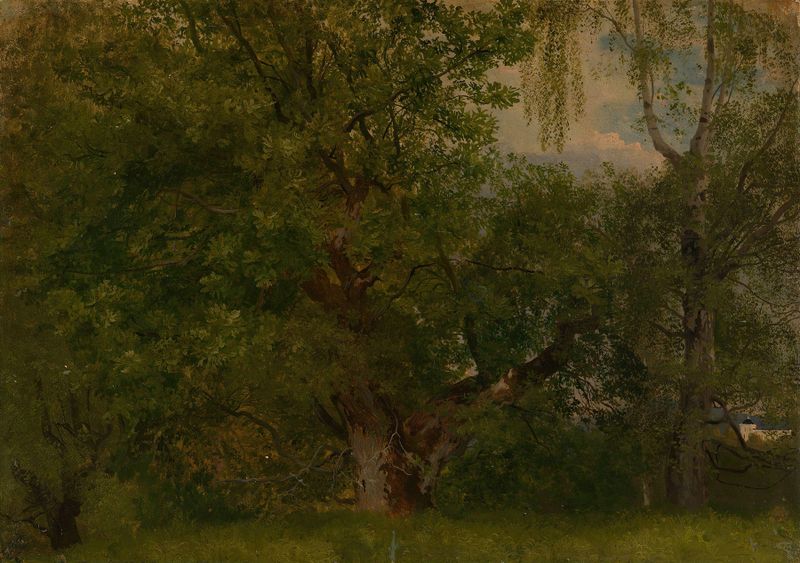
Wood near Ulefoss
August Cappelen

Forest Study
August Cappelen
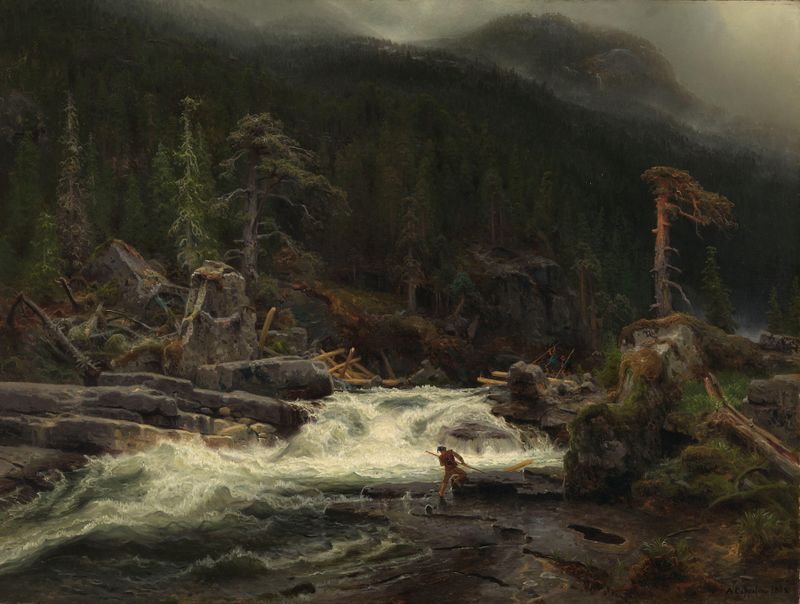
Waterfall in Telemark
August Cappelen
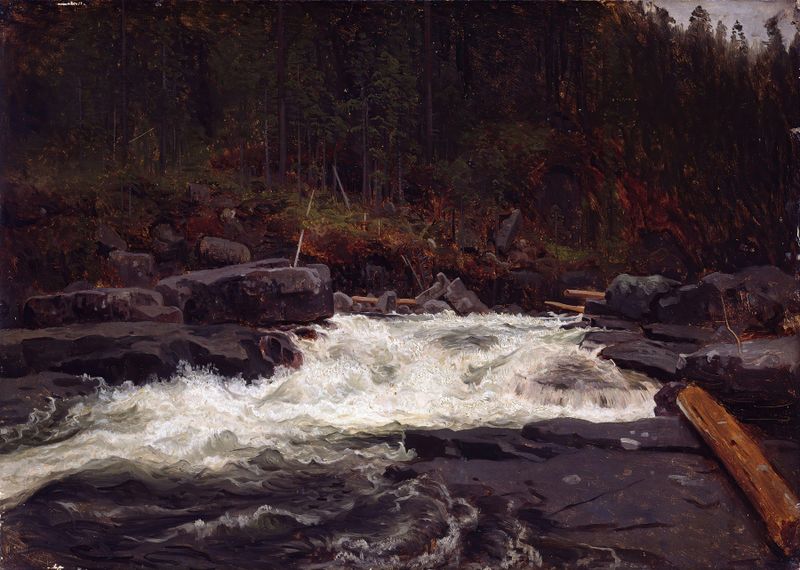
Waterfall in Telemark, Study for Inv.No. 427
August Cappelen
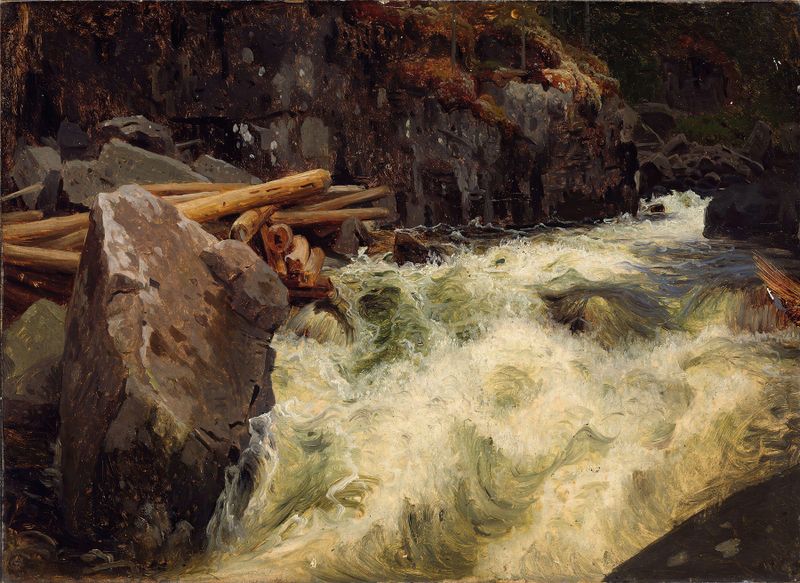
Study of a Waterfall
August Cappelen
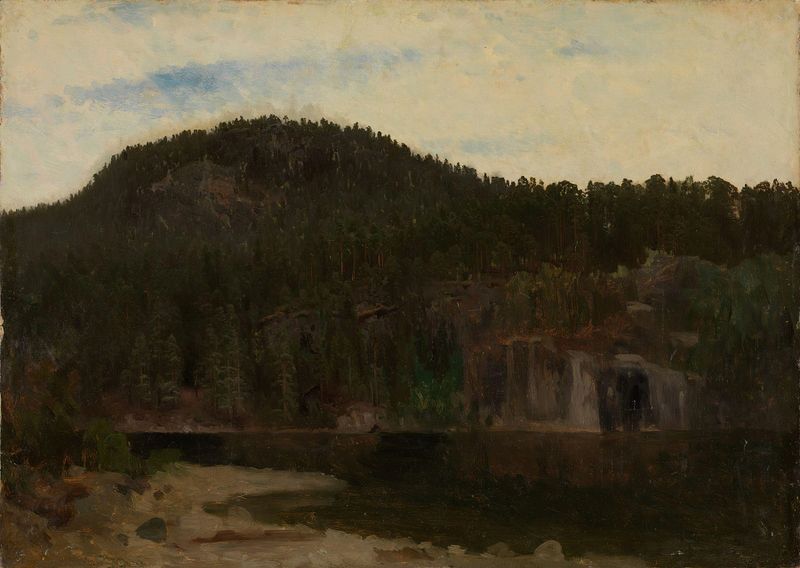
Landscape Study with a Lake
August Cappelen

Study of a Wood
August Cappelen

Study of a Rock
August Cappelen
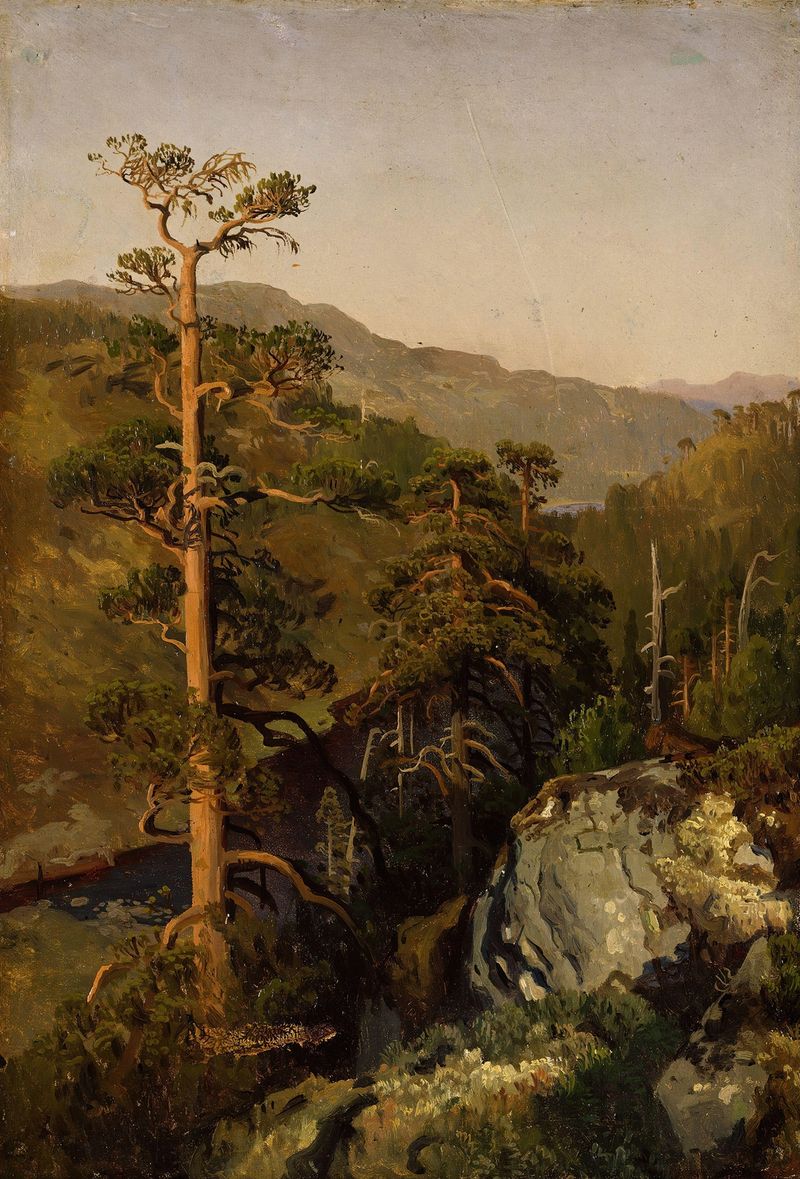
Rocky Landscape with Pinetrees
August Cappelen





