
Study of a Horse — History & Facts
What first catches the eye in Study of a Horse by Adolph Tidemand is the sense of something both emerging and unfinished—a living animal conjured from the page, its head rendered in warm, attentive detail, while its body lingers as a ghostly outline. The horse’s gaze is gentle, almost wary, the dark background framing its head like a stage spotlight, drawing the viewer into a quiet moment of encounter. The artist’s brush has paused here, leaving the rest of the animal in delicate pencil, as if the act of creation itself is laid bare for us to witness.
The transition from shadowed paint to faint line invites us to imagine the artist’s hand at work, hesitating, returning, considering. This kind of study was a vital tool for nineteenth-century painters, especially those like Tidemand who sought to capture the world’s textures and creatures with accuracy and empathy. In 1844, artists across Europe were turning to nature, seeking truth in observation and often preparing for larger compositions by first mastering the nuances of anatomy and light. Such works rarely made it to grand salons, but they were prized in the studio and, today, are preserved in collections like the National Museum of Art, Architecture and Design.
History has kept few traces of these quiet moments of practice, but in this sheet, you see the artist’s process—half thought, half vision—still alive on the page.
More Artworks by Adolph Tidemand

Bridal Procession on the Hardangerfjord
Adolph Tidemand
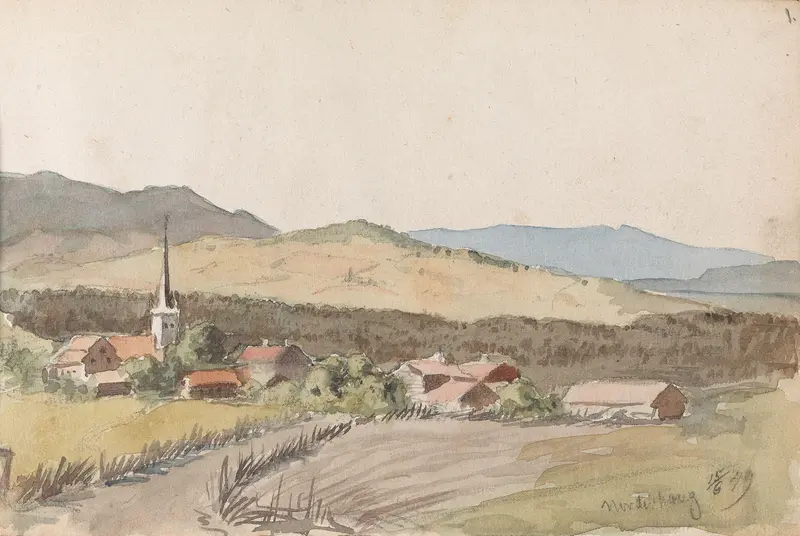
Fra Haugsbygd
Adolph Tidemand
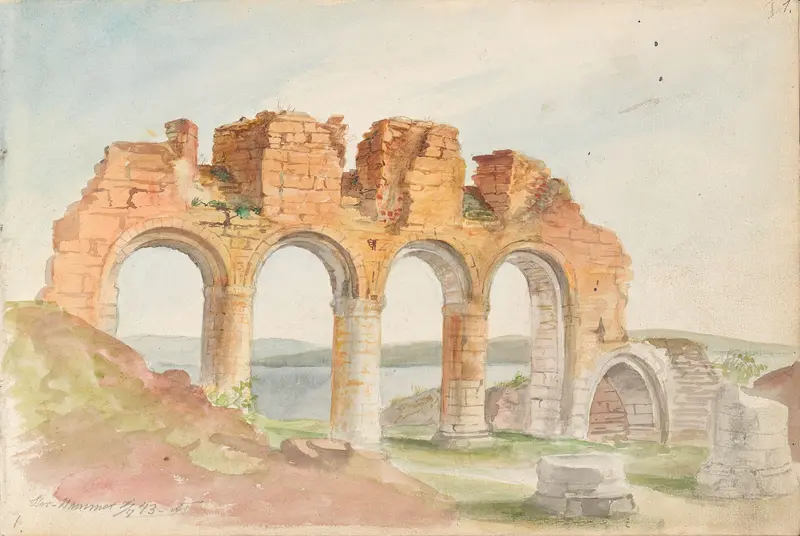
Domkirkeruinen, Hamar
Adolph Tidemand
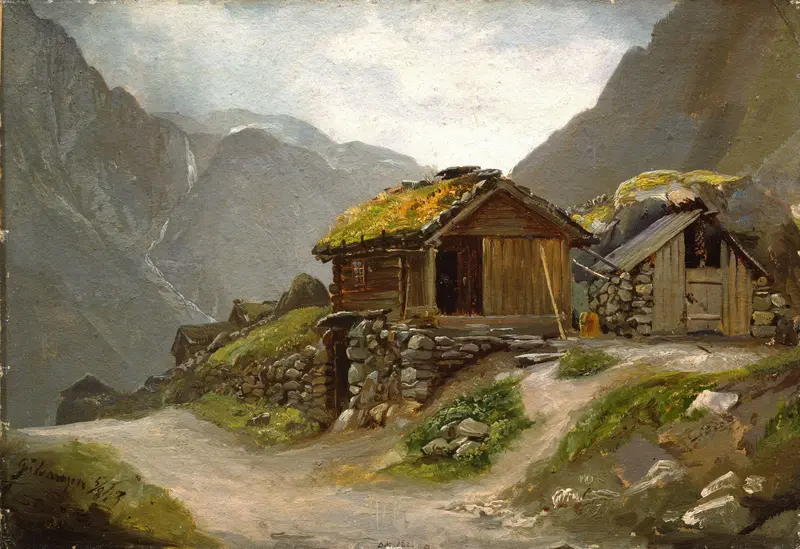
View from Gudvangen
Adolph Tidemand
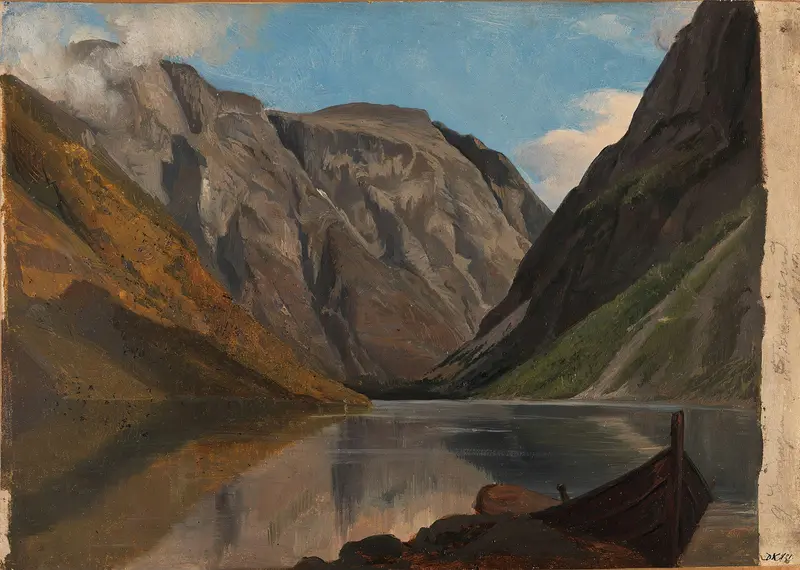
View of Gudvangen
Adolph Tidemand
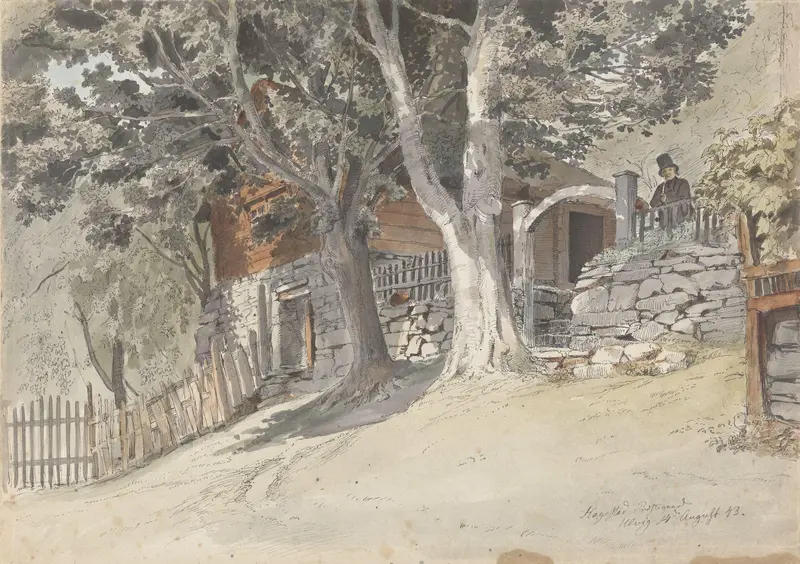
Hagestad prestegård, Ulvik i Hardanger
Adolph Tidemand
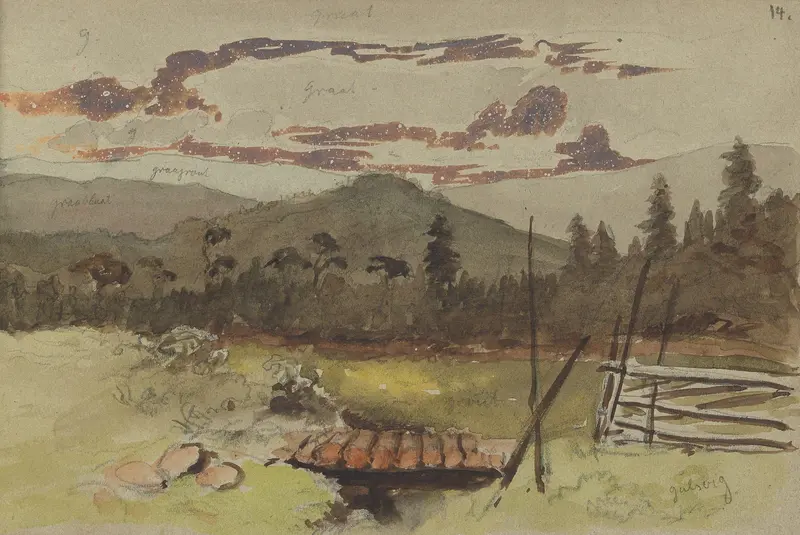
Fra Gulsvik
Adolph Tidemand
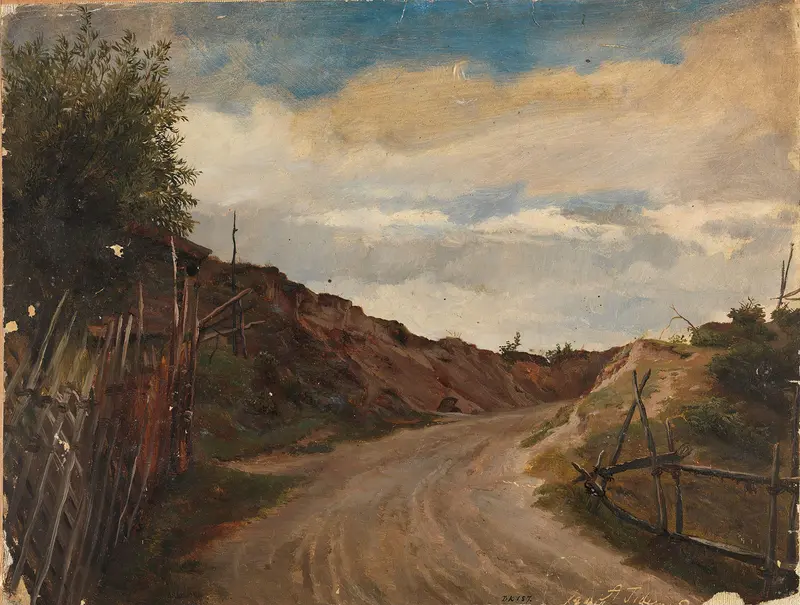
Country Road
Adolph Tidemand
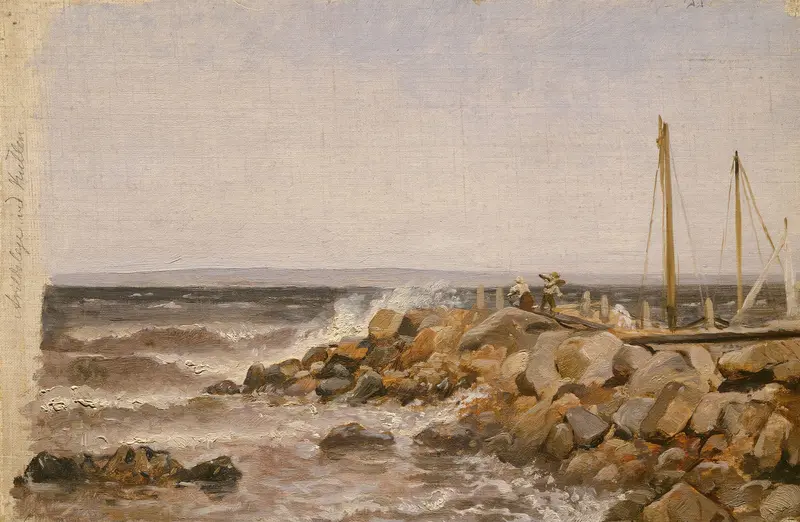
From Kullen in Sweden
Adolph Tidemand
Untitled
Adolph Tidemand





