
Study of a Ravine — History & Facts
Is this a mirror — or a memory? The interplay of light and shadow in this artwork invites reflection on the passage of time, urging the viewer to ponder what lies beneath the surface. Look to the left at the rugged cliffs, their textured surfaces capturing the sunlight with a golden hue. Notice how the gentle gradient of blue skies contrasts against the earthy tones of the ravine below, creating a harmonious balance between air and earth. The careful brushwork evokes the roughness of nature, while the composition draws the eye toward a narrow pathway winding through the landscape, suggesting a journey waiting to be undertaken. Within the depths of the ravine, hidden meanings unfurl like the layers of rock itself.
The path can symbolize choices made or the uncertainty of future endeavors, while the interplay of light serves as a reminder of fleeting moments. A solitary tree clings to the edge, embodying resilience against the passage of time, a subtle nod to both vulnerability and strength woven into the fabric of existence. In 1851, the artist worked in Norway, a period marked by a growing appreciation for landscape painting as a means of expressing emotional depth. Cappelen was part of a movement that sought to capture the sublime beauty of nature, reflecting the Romantic ideals of the era.
The tranquil yet formidable setting of Study of a Ravine resonates with both personal introspection and a collective understanding of the human experience amidst nature’s grandeur.
More Artworks by August Cappelen
Browse all →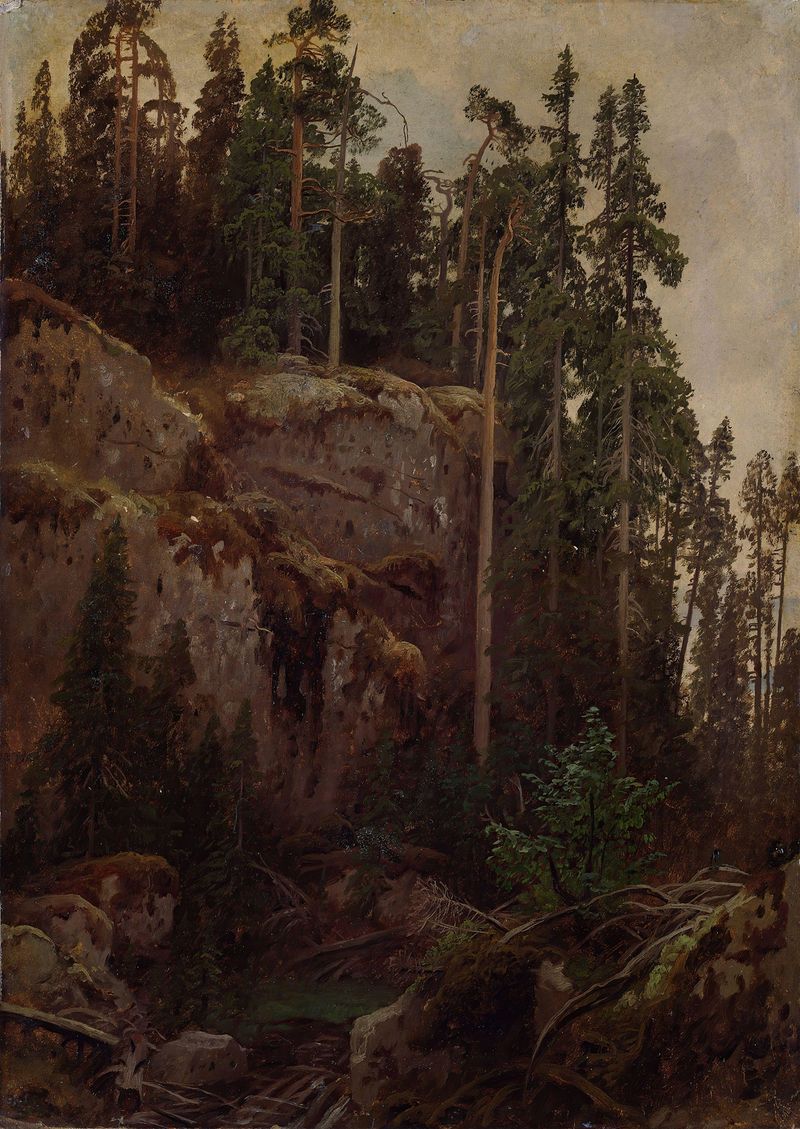
Landscape Study with a Precipice
August Cappelen
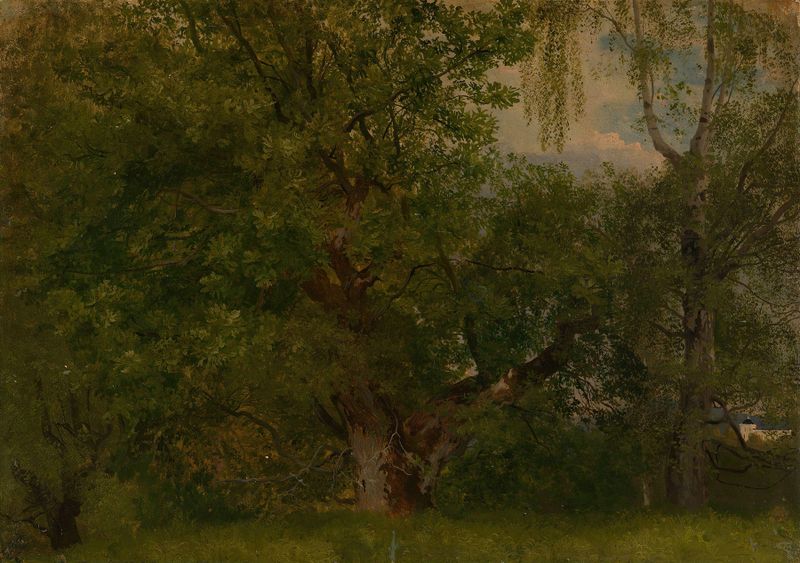
Wood near Ulefoss
August Cappelen

Forest Study
August Cappelen
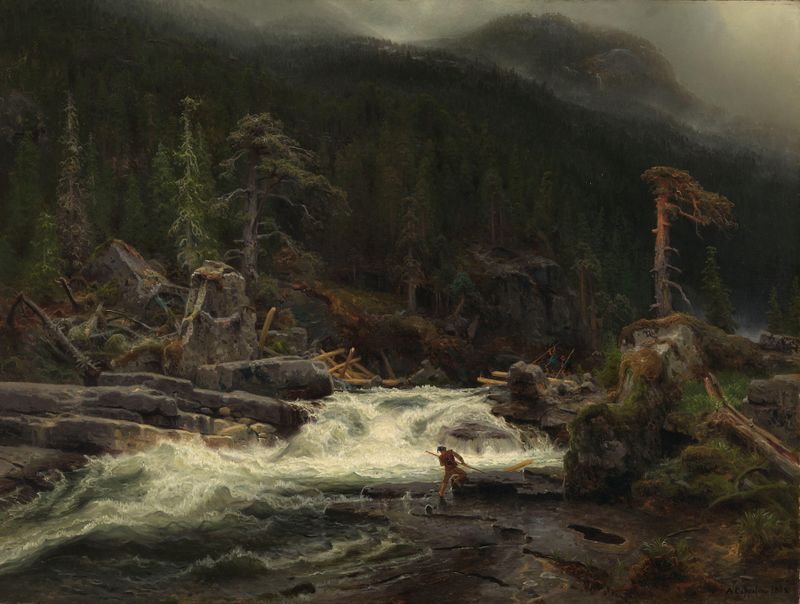
Waterfall in Telemark
August Cappelen
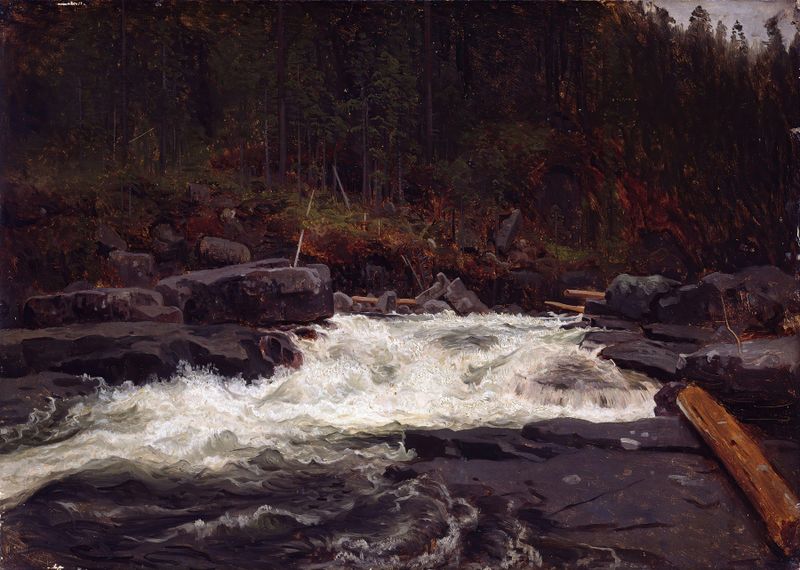
Waterfall in Telemark, Study for Inv.No. 427
August Cappelen
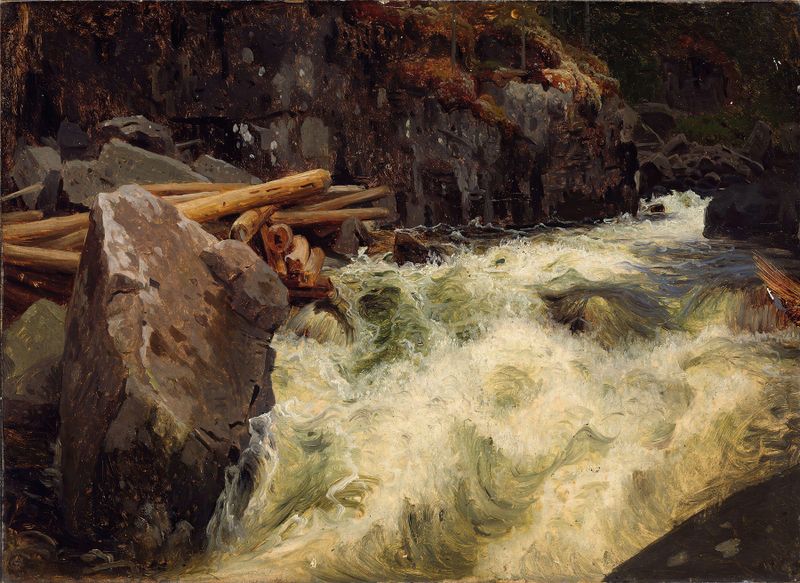
Study of a Waterfall
August Cappelen
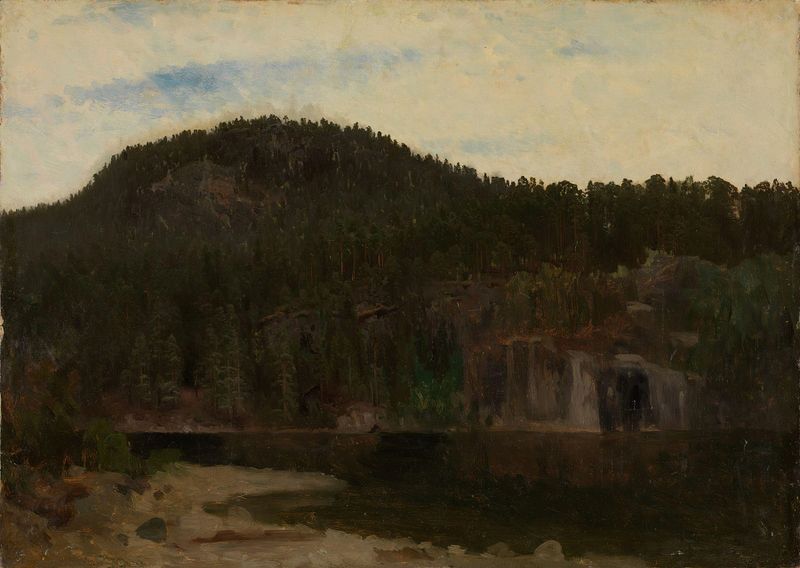
Landscape Study with a Lake
August Cappelen

Study of a Wood
August Cappelen

Study of a Rock
August Cappelen
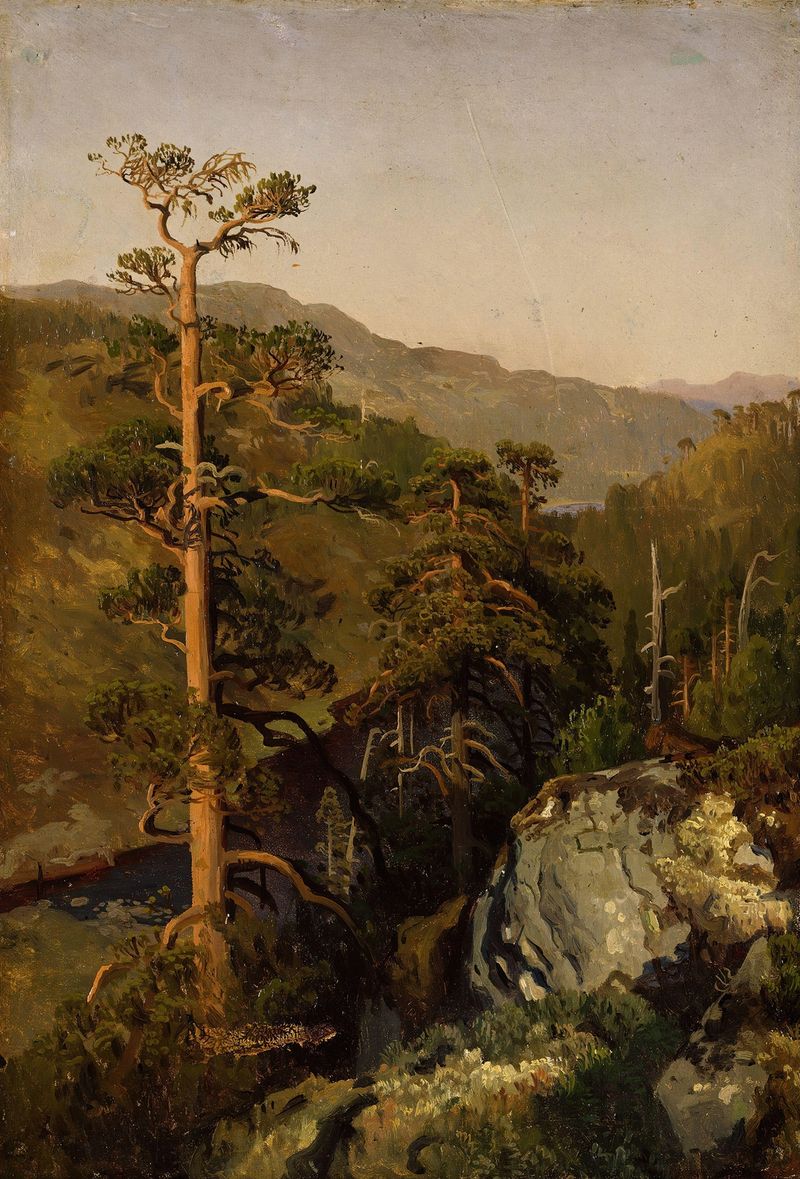
Rocky Landscape with Pinetrees
August Cappelen





