
Study of an old Man — History & Facts
What first holds the viewer is the way light carves out the old man’s face from the darkness, as if memory itself is surfacing from shadow. The hair, rendered in a cascade of silvery waves, frames a brow furrowed in thought. His gaze, cast downward and slightly to the side, does not meet ours; instead, it draws us into his world of reflection.
The painter lingers over the textures—each strand of hair, the soft transition from cheek to beard—inviting us to linger too, to consider what weighs on this mind. The darkness that envelops his shoulders is not emptiness but a stage, amplifying the drama of age and contemplation. Created in 1837, this Study of an old Man by Adolph Tidemand belongs to a period when artists across Europe turned their attention to the dignity and character of ordinary people. Such studies were often exercises in observation and technique, valued both as private meditations and as teaching tools.
In Norway, where Tidemand would become a leading figure in national romanticism, the careful study of faces like this one helped lay the groundwork for a new kind of art rooted in lived experience. Now in the National Museum of Art, Architecture and Design, the painting stands as a quiet testament to a moment when the everyday became worthy of close, patient attention—an invitation to return, again and again, to the silent conversation unfolding in the old man’s eyes.
More Artworks by Adolph Tidemand

Bridal Procession on the Hardangerfjord
Adolph Tidemand
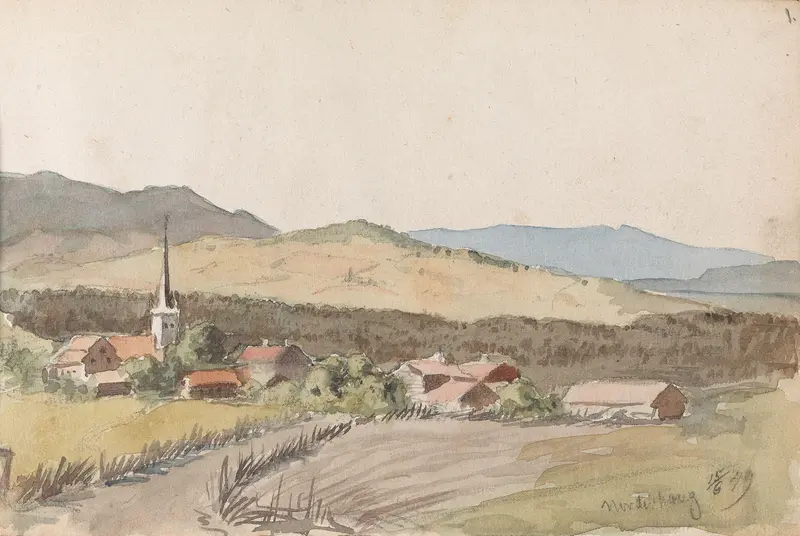
Fra Haugsbygd
Adolph Tidemand
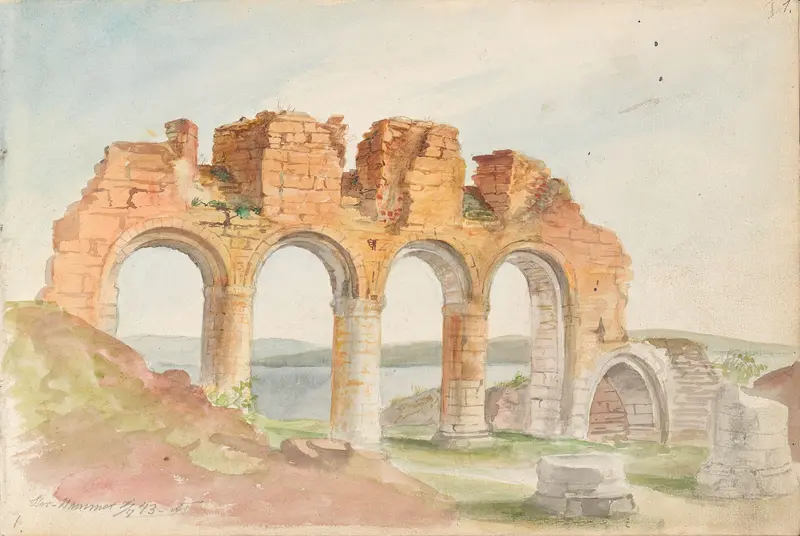
Domkirkeruinen, Hamar
Adolph Tidemand
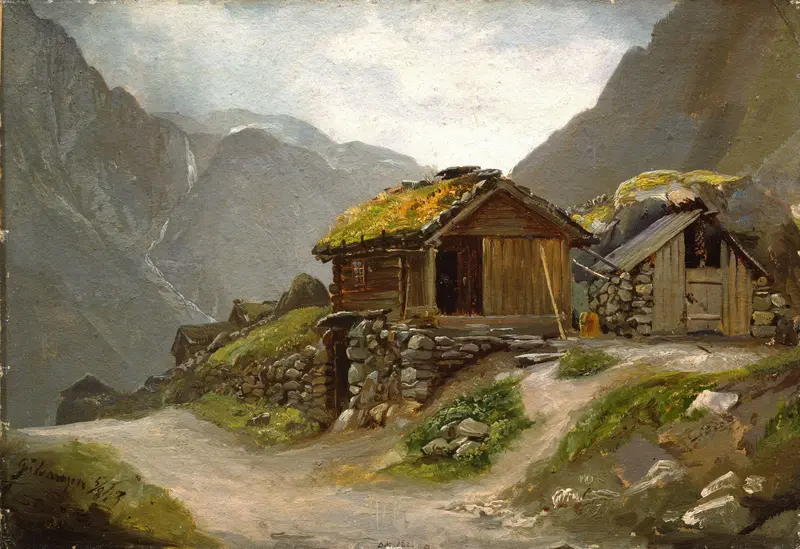
View from Gudvangen
Adolph Tidemand
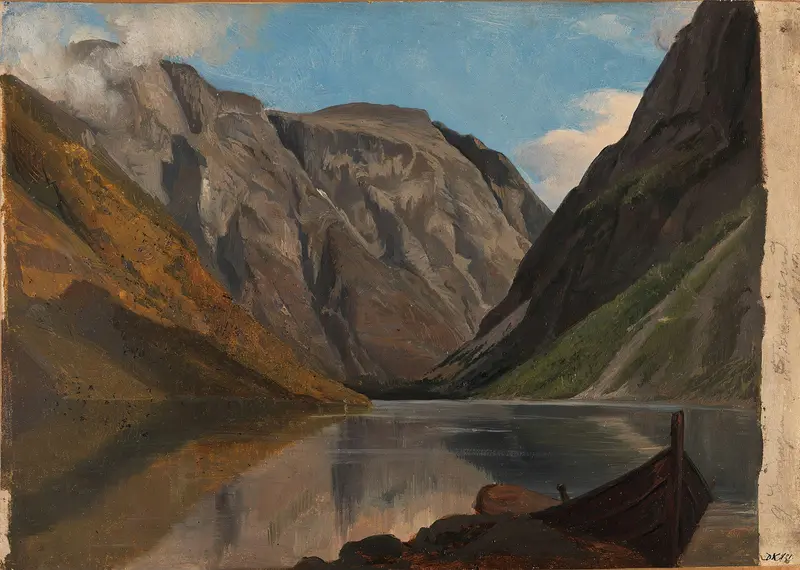
View of Gudvangen
Adolph Tidemand
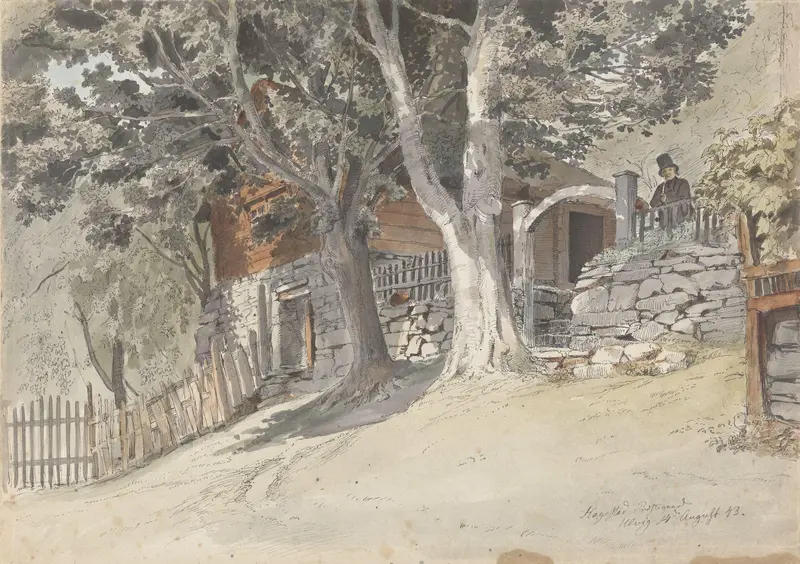
Hagestad prestegård, Ulvik i Hardanger
Adolph Tidemand
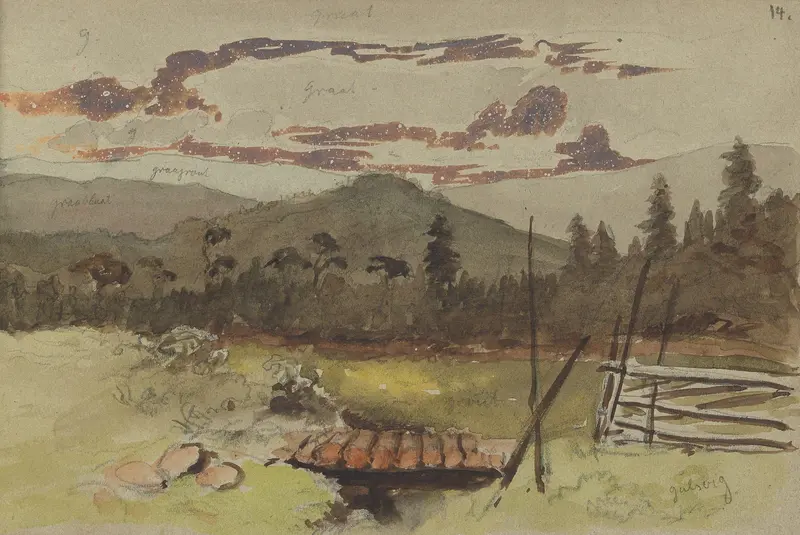
Fra Gulsvik
Adolph Tidemand
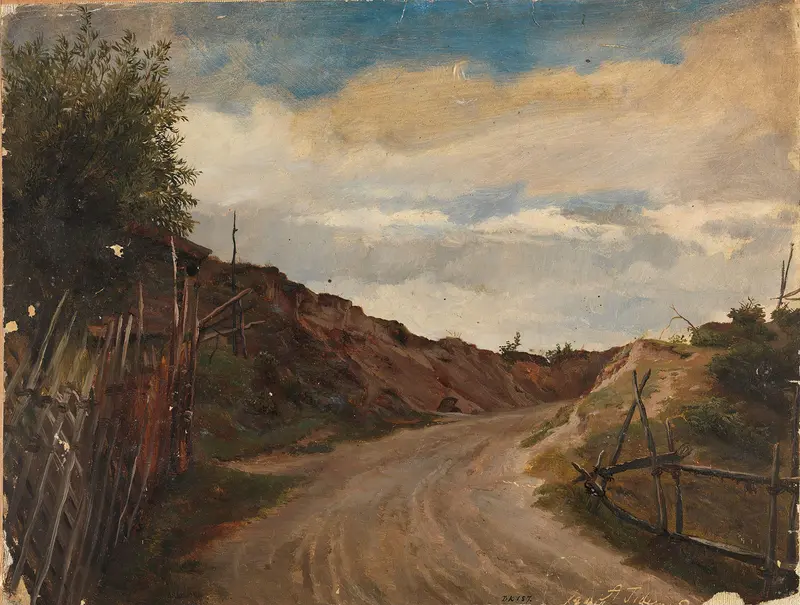
Country Road
Adolph Tidemand
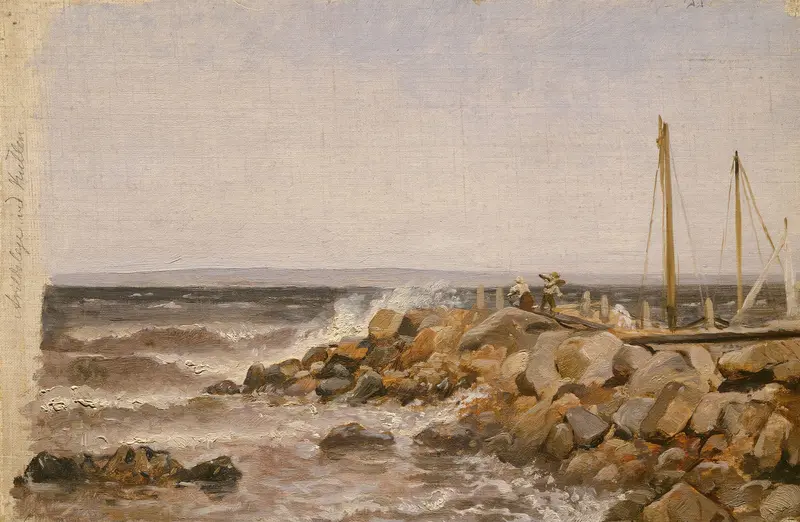
From Kullen in Sweden
Adolph Tidemand
Untitled
Adolph Tidemand





