
Study of decaying Tree — History & Facts
In a world where decay and resilience intertwine, the exploration of void manifests through fragile beauty. Look to the center of the canvas, where the gnarled branches of a decaying tree stretch outwards, their twisted forms almost pleading for recognition. The muted palette of greens and browns conveys a sense of quiet desperation, while soft light filters through the gaps in the foliage, illuminating the intricate textures of the bark. Notice how the artist captures the interplay between shadow and light, creating a haunting depth that draws the viewer in, encouraging a closer examination of the tree's weathered surfaces. This composition evokes a poignant struggle between life and death.
The broken branches suggest a past vibrancy now succumbing to time, yet the leaves that cling to its form signify resilience. Fearnley’s careful brushwork reveals not just the physical decay but the emotional weight of loss and the beauty that can emerge within it, inviting us to contemplate our own experiences of transience. The balance of chaos and grace resonates through the decay, posing an existential question about what remains when life recedes. Thomas Fearnley painted this work in 1837 while living in Norway, a period marked by his deep fascination with the natural world.
At this time, the artist was contending with personal struggles, including a decline in health, which influenced his introspective approach to art. Amidst the Romantic movement, he sought to capture the sublime beauty of nature, reflecting a broader artistic dialogue about the interplay between life and decay.
More Artworks by Thomas Fearnley
Browse all →
Norwegian Landscape, Marumfoss
Thomas Fearnley

View of the Oslofjord
Thomas Fearnley

Gudvangen
Thomas Fearnley

Stormy Landscape with a Rider
Thomas Fearnley
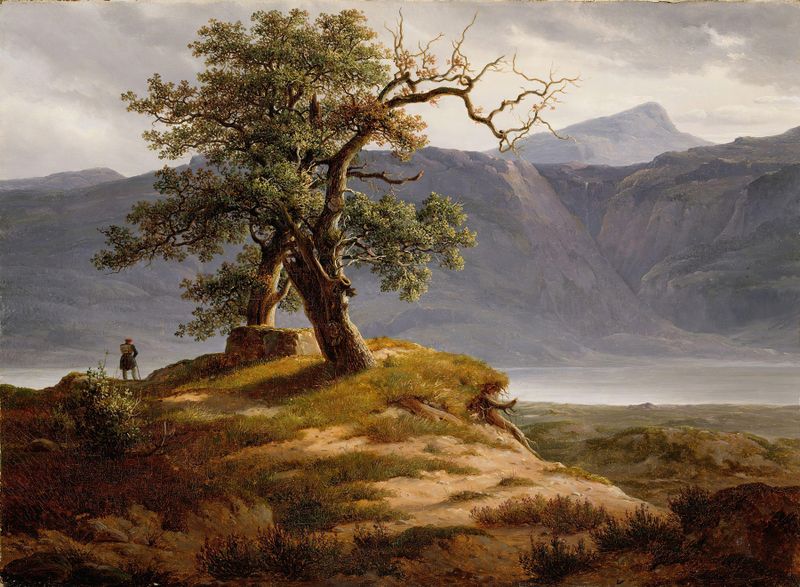
Landscape with a Wanderer
Thomas Fearnley
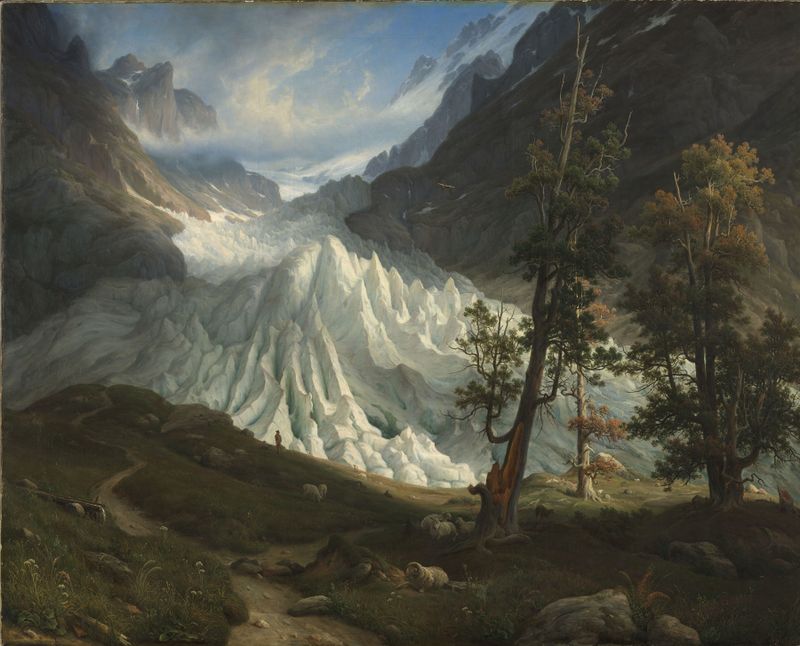
The Grindelwaldgletscher
Thomas Fearnley

Clouds over the Fjord
Thomas Fearnley
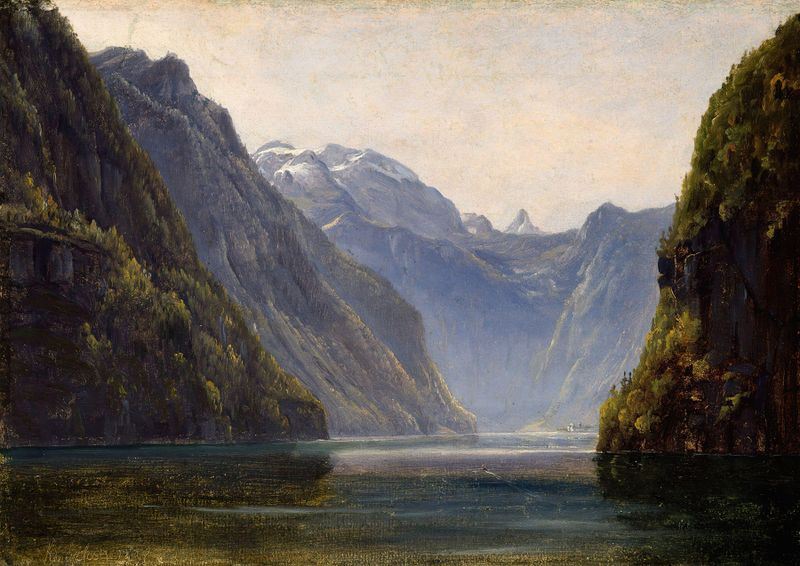
From Königssee
Thomas Fearnley

The Bridge of Hauge outside Arendal
Thomas Fearnley

King Vilhelm II’s ceremonial Processsion in Amsterdam in 1840
Thomas Fearnley





