
Study of Fog Effect, Brenton’s Cove — History & Facts
What secret hides in the quiet of the canvas? Beneath the layers of fog, the truth of the world blurs, inviting the viewer to step into the mystery of nature's embrace. Look to the center of the painting where the soft, muted tones of gray and blue converge, creating an ethereal atmosphere that envelops Brenton’s Cove. The delicate strokes mimic the gentle caress of mist, inviting your gaze to wander across the canvas. Notice how the light struggles to penetrate the fog, casting an almost spectral glow on the water below, while the silhouettes of distant boats emerge faintly as if ghosts from another time. In this study, nuances of isolation and contemplation unfold between the interplay of obscured forms and the tranquil environment.
The fog serves not only as a physical barrier but also as a metaphor for the obscured truths of life, prompting reflection on what lies beneath the surface. The contrasting clarity of the foreground against the ambiguous background heightens this emotional tension, suggesting a longing for connection amidst the shroud of uncertainty. Painted in 1869 while La Farge was deeply engaged in exploring the interplay of light and atmosphere, this work reflects a broader artistic movement toward embracing the ephemeral qualities of nature. At this time, La Farge was establishing his reputation, engaging with the American landscape tradition while also experimenting with techniques that would influence later Impressionists.
The world of art was evolving, and his focus on atmospheric effects signaled a departure from stricter realism, inviting viewers to perceive beauty in the fleeting, the mysterious, and the unknown.
More Artworks by John La Farge
Browse all →
Red Pagoda, Nikko
John La Farge
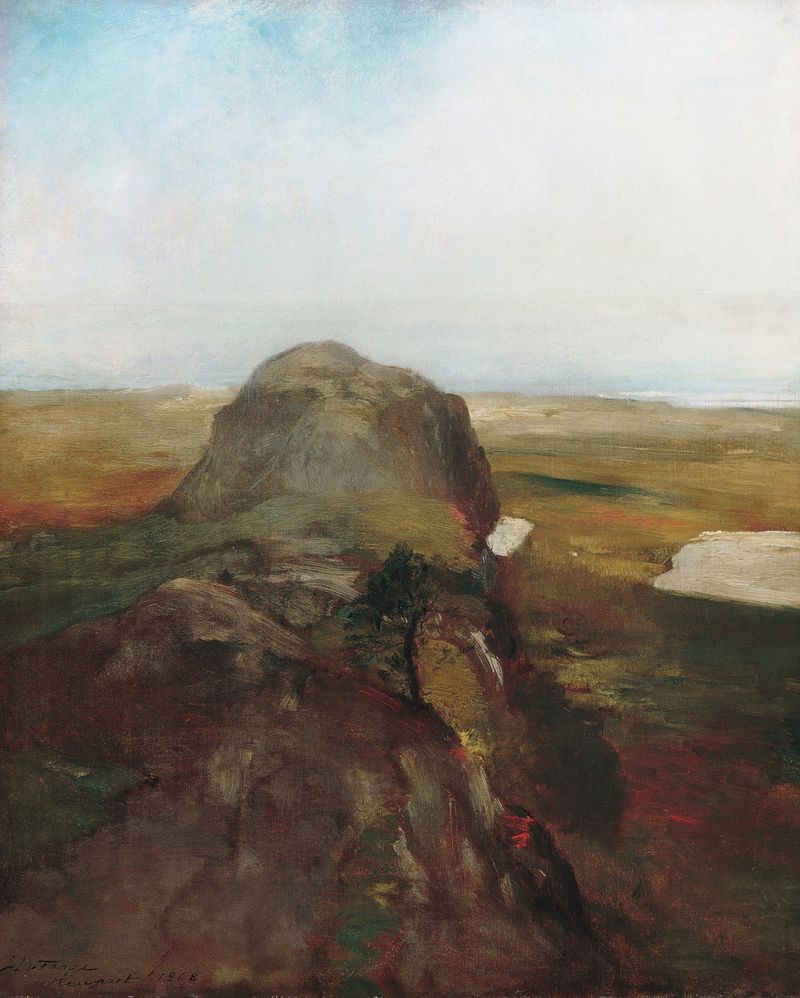
Autumn Study, View over Hanging Rock, Newport, R.I.
John La Farge
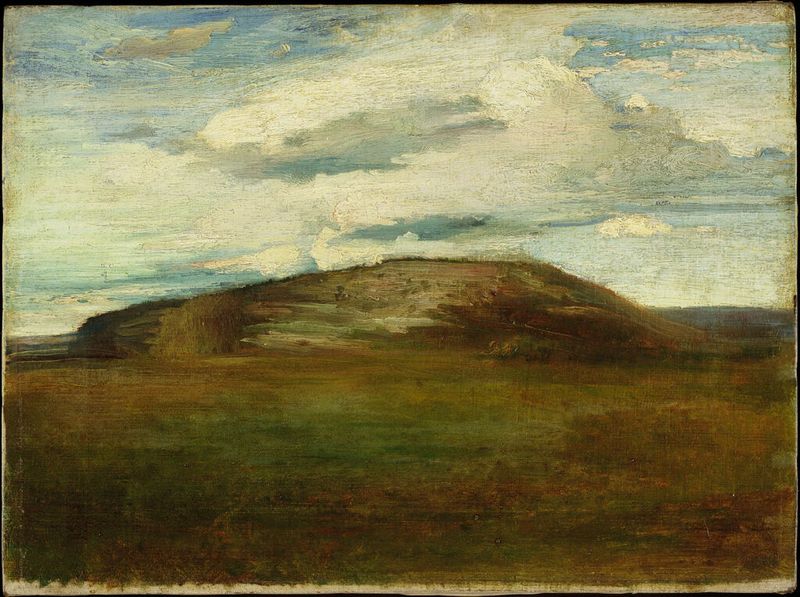
Autumn: Mid-Day, Looking North, Table-Rock Hill, Peekskill, New York
John La Farge
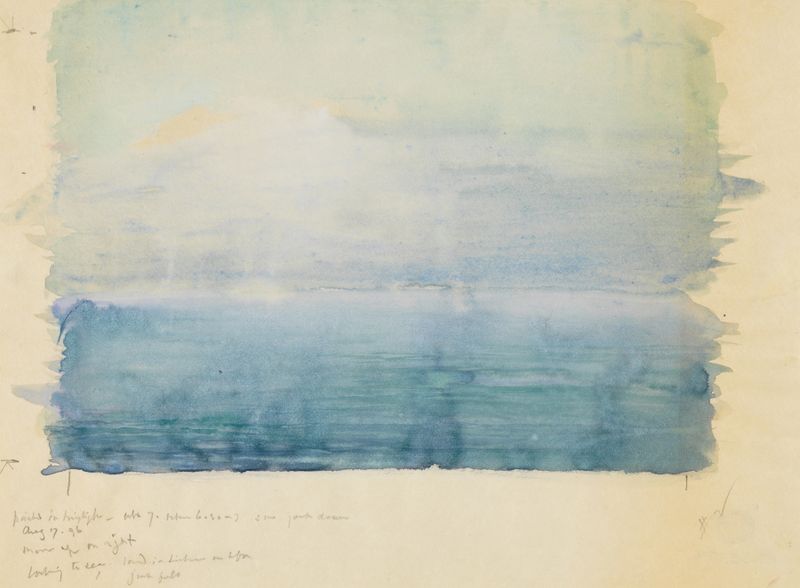
Bar Harbor, Twilight
John La Farge
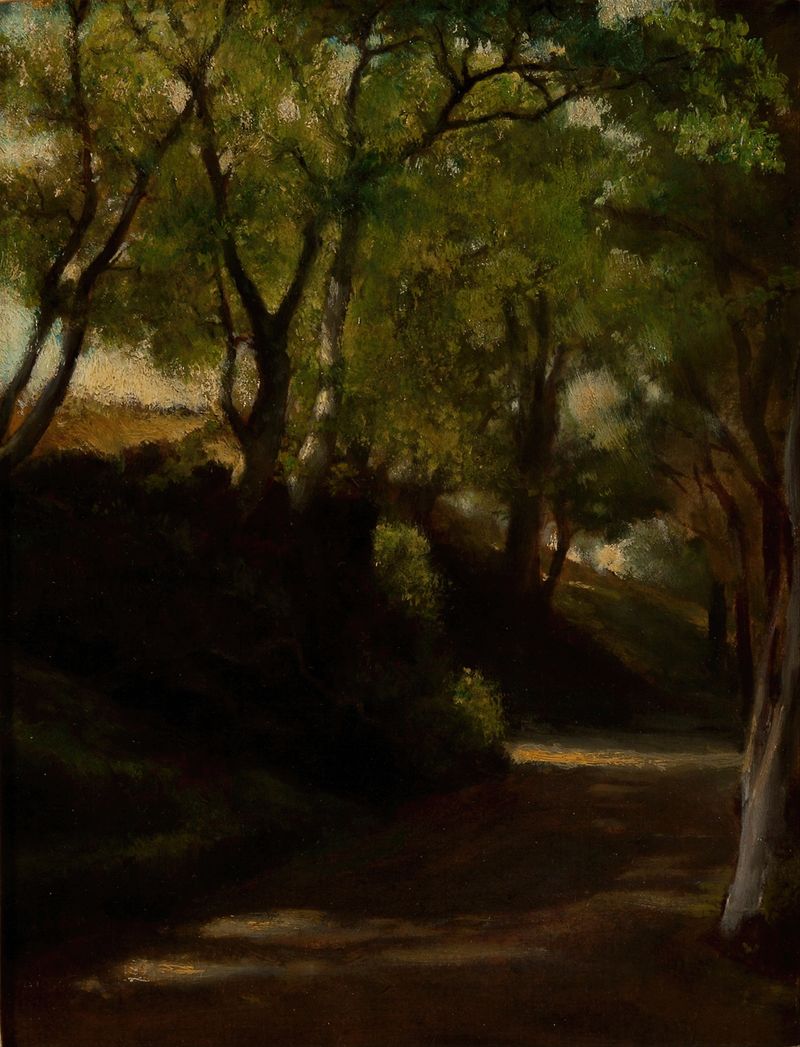
In ‘The Glen,’ Portsmouth, Rhode Island
John La Farge

The Island of Moorea Looking across the Strait from Tahiti, January 1891
John La Farge
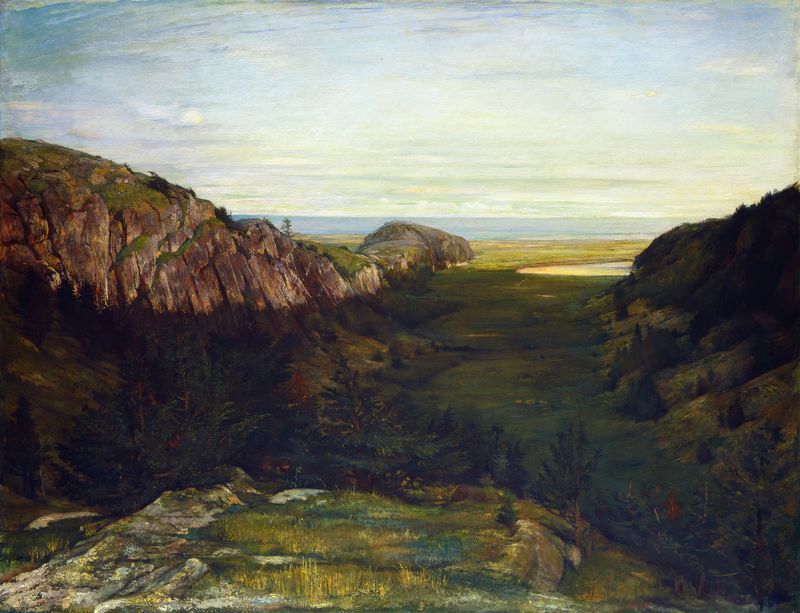
The Last Valley – Paradise Rocks
John La Farge
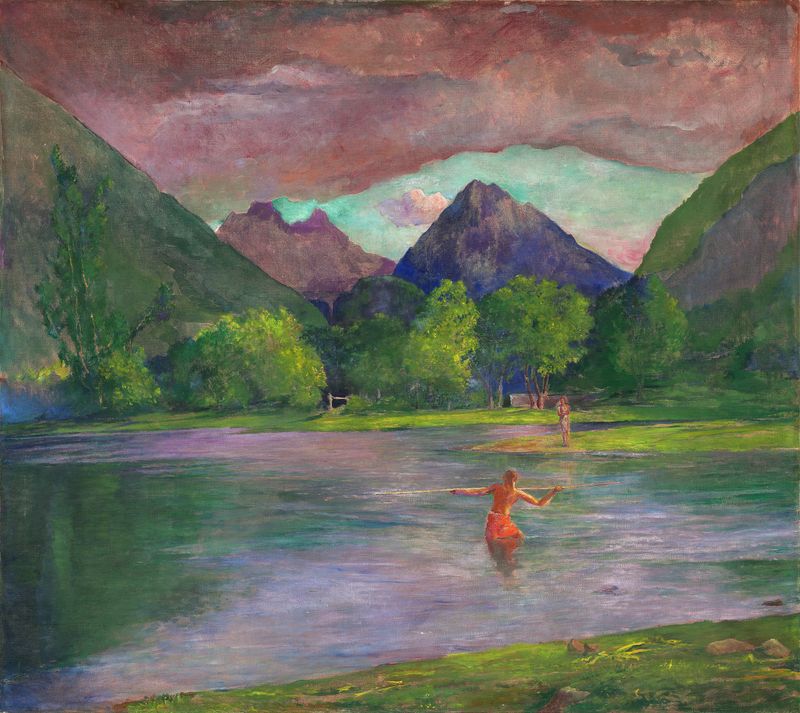
The Entrance to the Tautira River,Tahiti. Fisherman Spearing a Fish
John La Farge

Snow Field, Morning, Roxbury
John La Farge
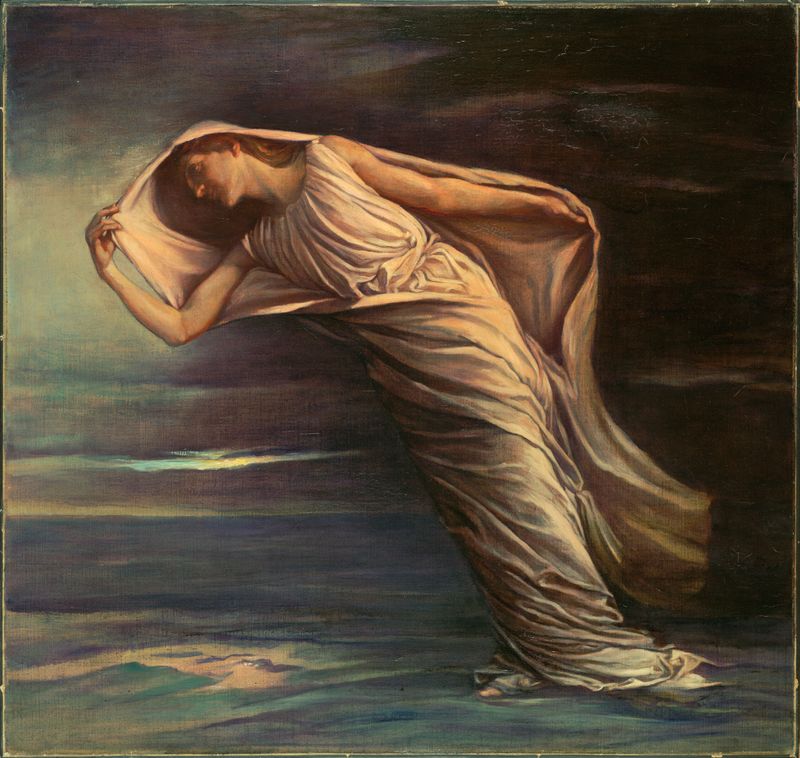
The Dawn
John La Farge





