
Discover insights about this artwork
Subir y bajar. (To rise and to fall.) — History & Facts
In Subir y bajar, Francisco de Goya presents a dramatic scene filled with contrasting colors. The painting features figures that embody the themes of rising and falling, depicted in a tumultuous setting. Dark tones intermingle with brighter hues, creating a sense of movement and tension.
The figures are expressive, their postures suggesting struggle and triumph. This artwork is characterized by Goya's distinctive brushwork and use of light and shadow. The figures are rendered with a sense of realism that draws the viewer into the emotional core of the piece. The composition is dynamic, with diagonal lines that guide the eye through the scene.
Goya's technique enhances the narrative, making the themes of rise and fall palpable. Francisco de Goya was a pivotal figure in Spanish art, known for his ability to capture the human experience. Subir y bajar reflects his interest in the duality of human nature, showcasing both the heights of joy and the depths of despair. An interesting fact about this work is that it was created during a time of social and political upheaval in Spain, which influenced Goya's exploration of these themes.
More Artworks by Francisco de Goya
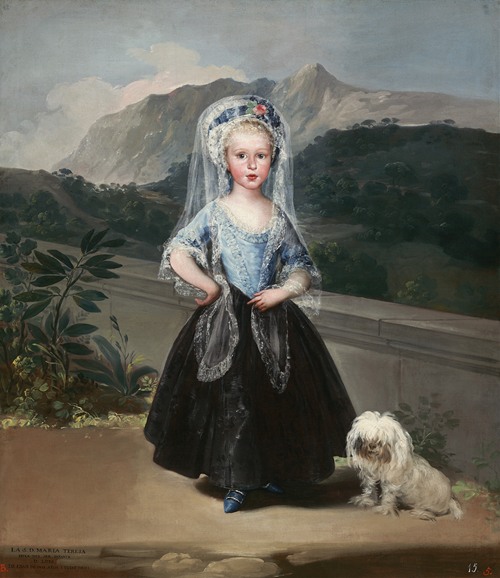
María Teresa de Borbón y Vallabriga,later Condesa de Chinchón
Francisco de Goya
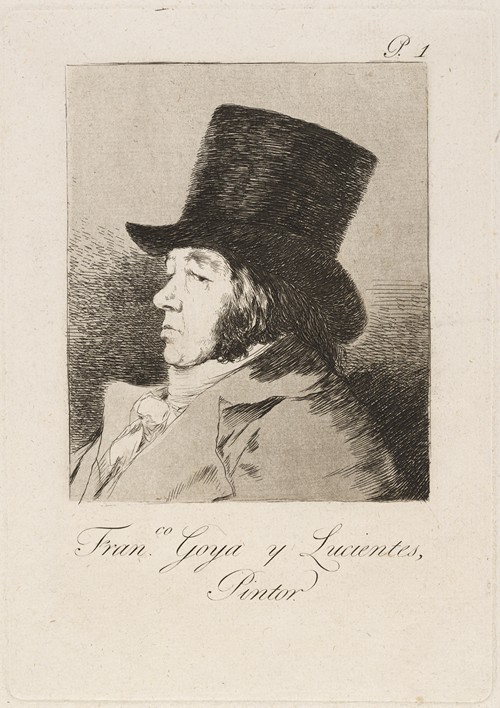
Francisco Goya y Lucientes, Pintor (Francisco Goya y Lucientes, painter)
Francisco de Goya
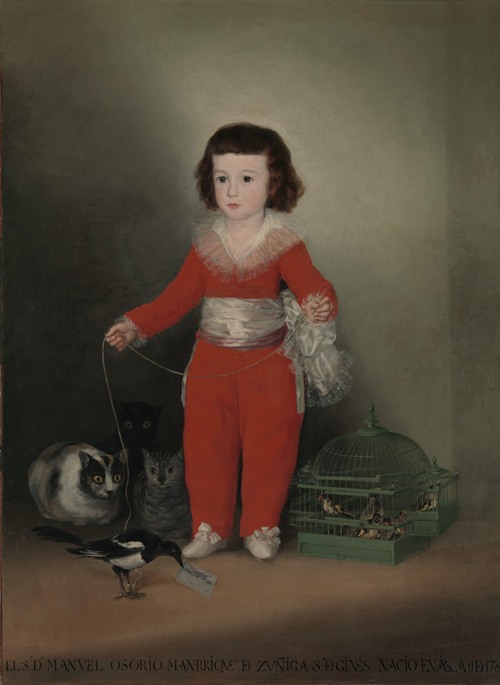
Manuel Osorio Manrique de Zuñiga (1784–1792)
Francisco de Goya
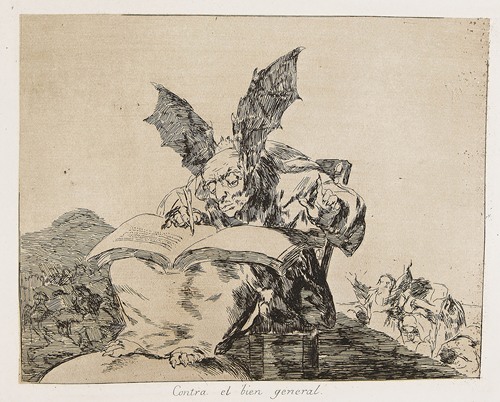
Los desastres de la guerra
Francisco de Goya
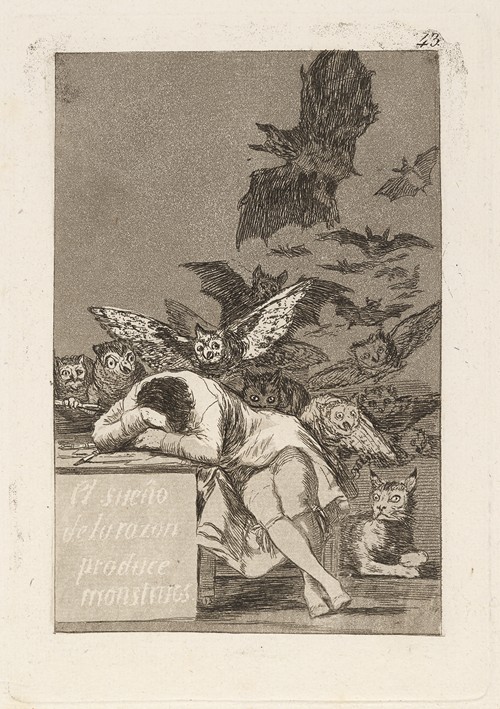
El sueño de la razon produce monstruos. (The sleep of reason produces monsters.)
Francisco de Goya
El sueño de la razon produce moustruos (Serie Caprichos)
Francisco de Goya
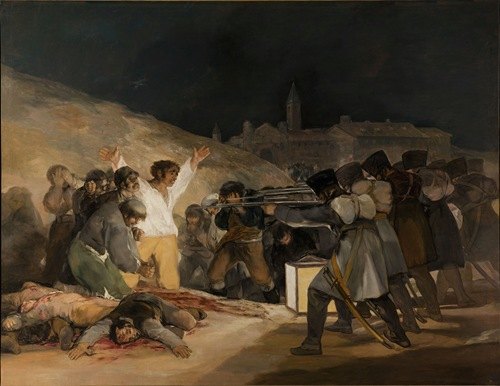
The Third of May
Francisco de Goya
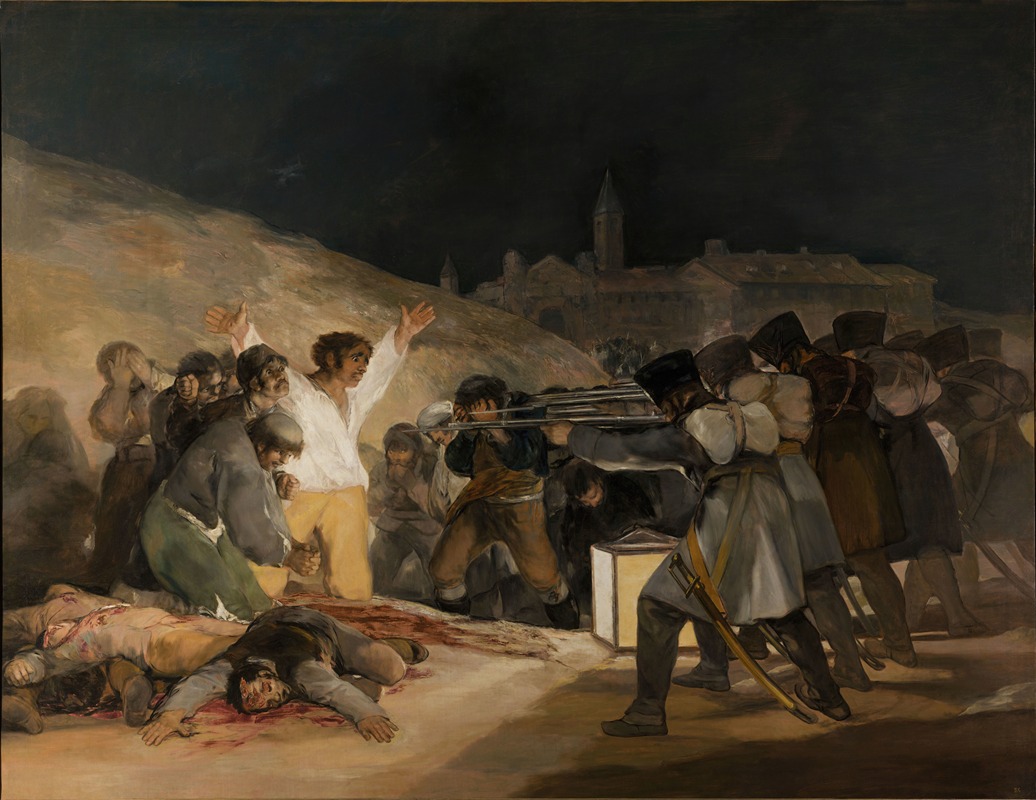
The Third of May 1808
Francisco de Goya
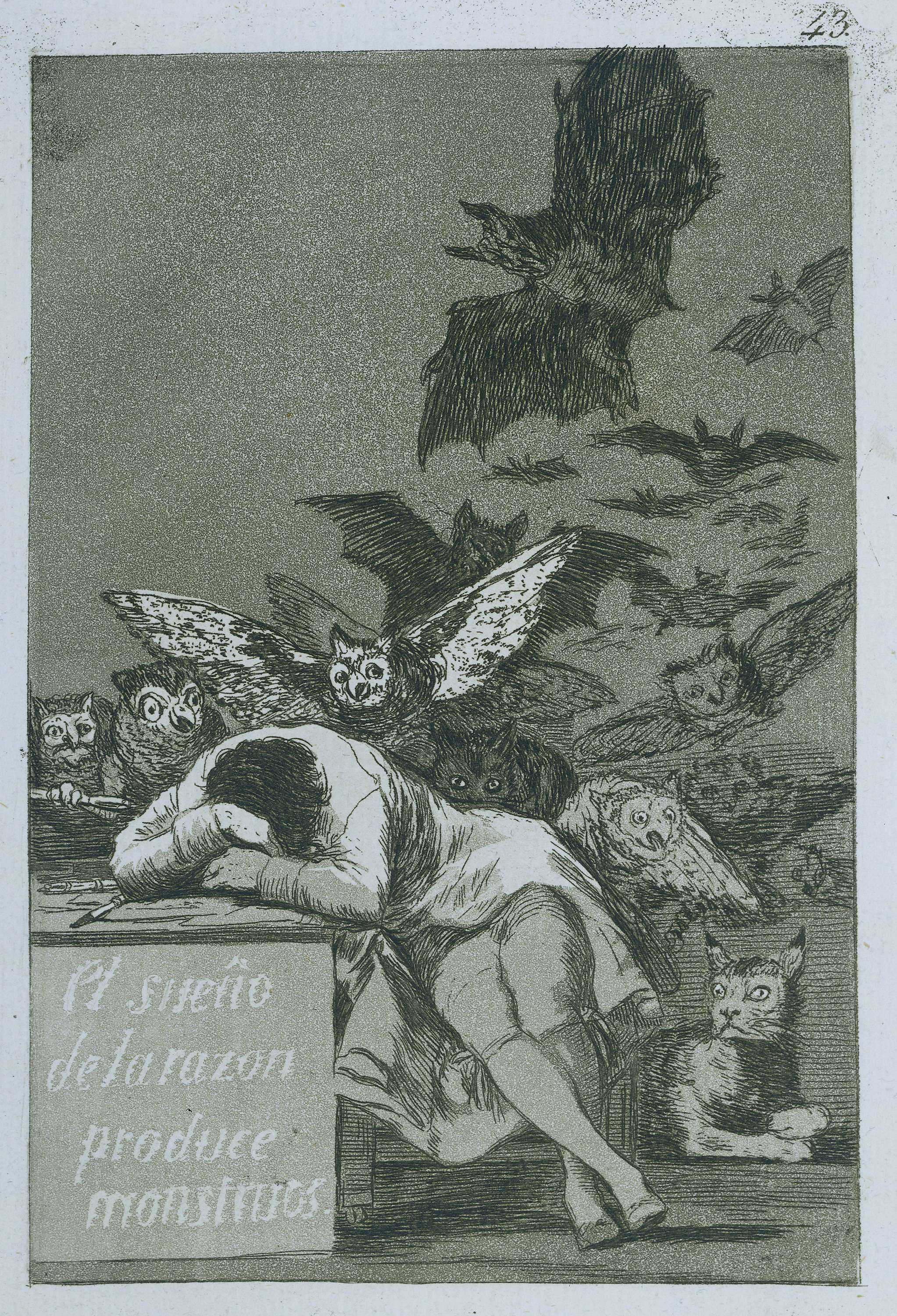
De slaap van de rede brengt monsters voort
Francisco de Goya
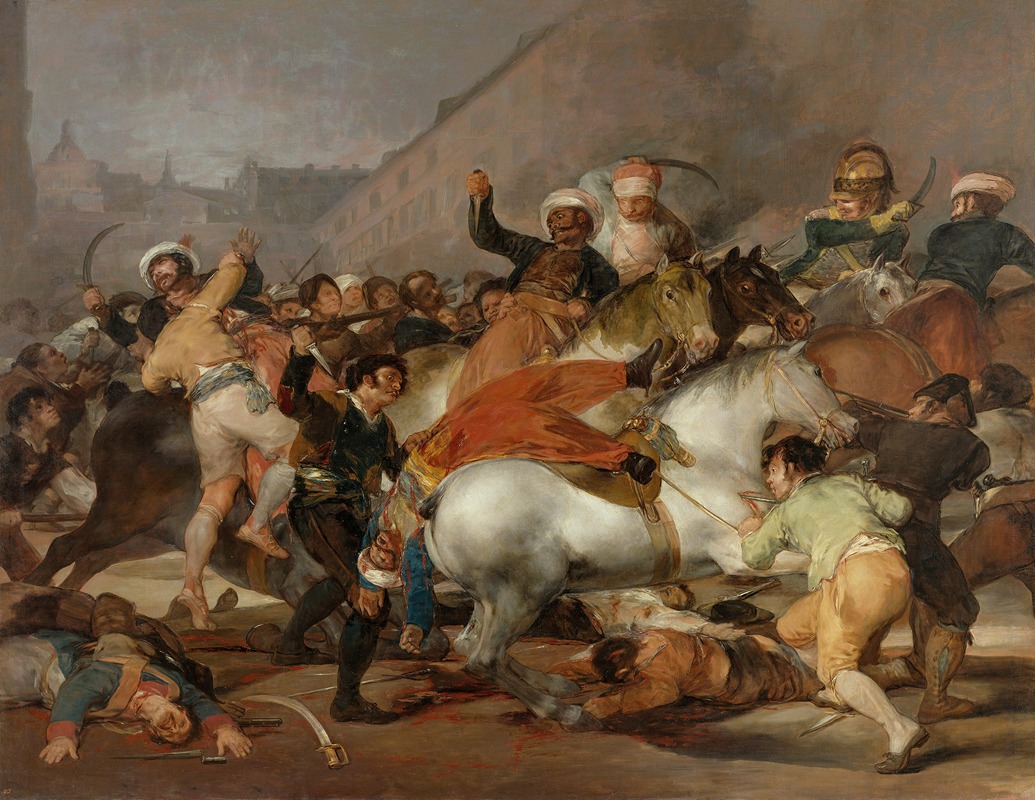
The Charge of the Mamelukes (1814)
Francisco de Goya
More Allegory Art
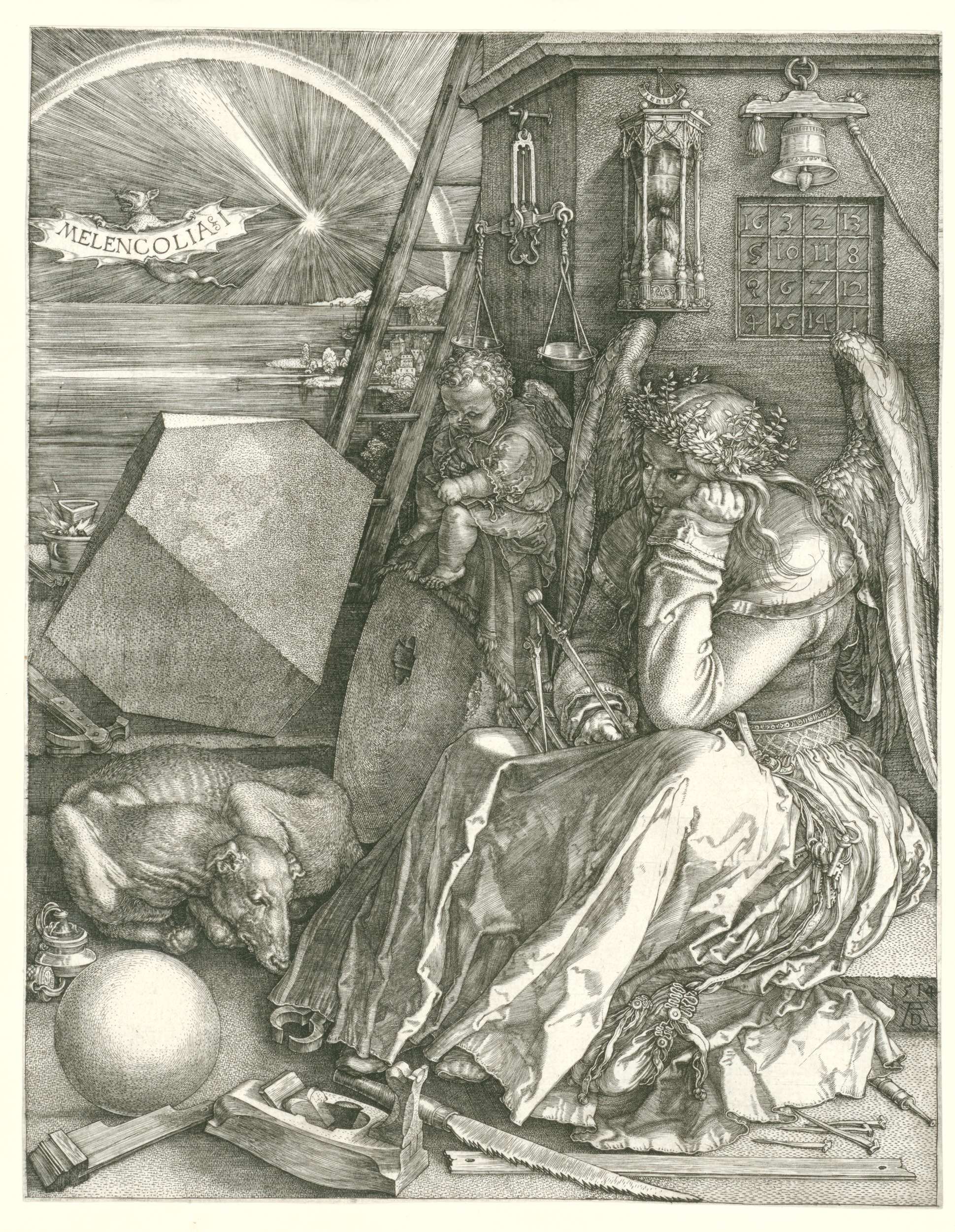
Melancholia
Albrecht Dürer
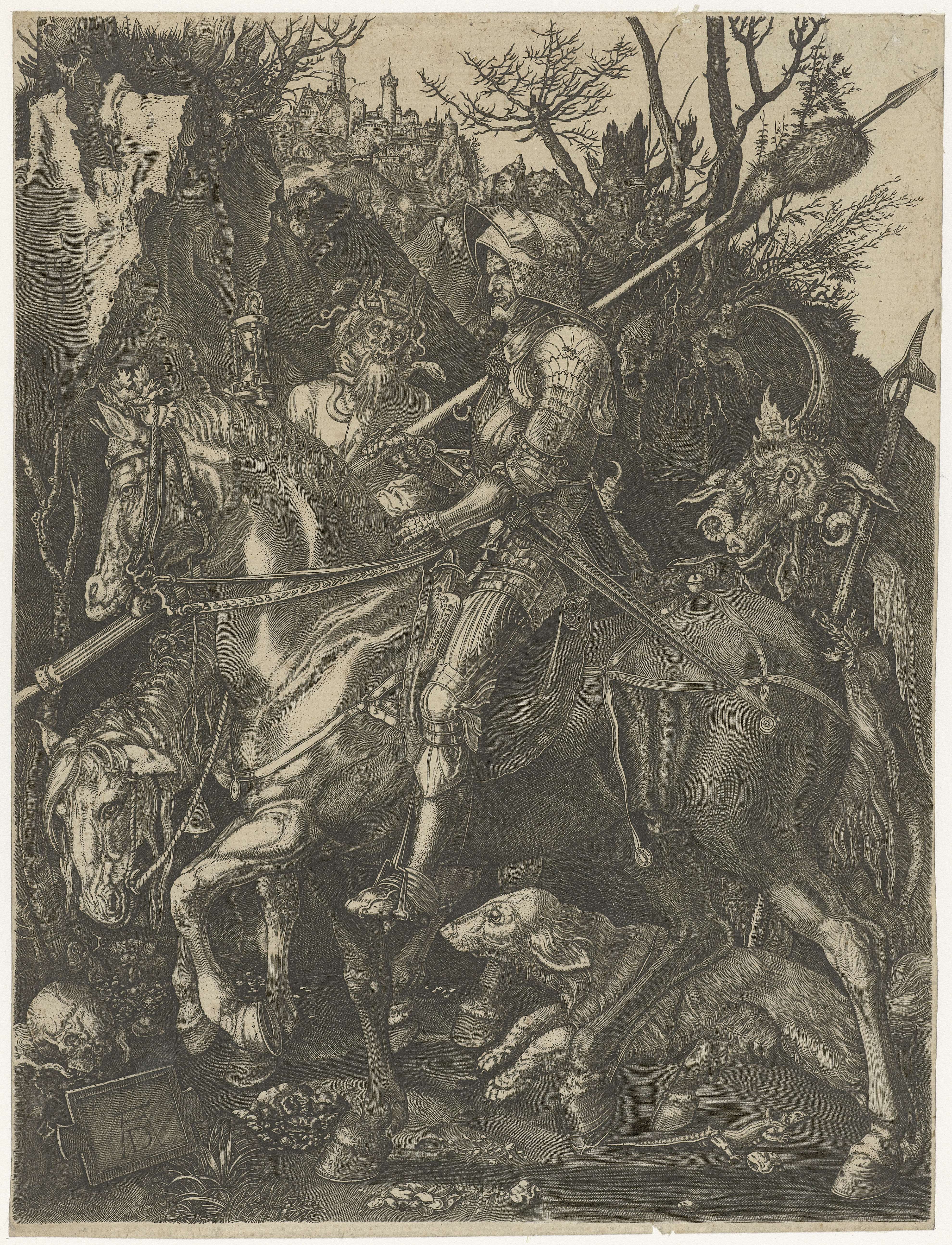
Ridder, Dood en Duivel
Unknown Artist
El sueño de la razon produce monstruos. (The sleep of reason produces monsters.)
Francisco de Goya
El sueño de la razon produce moustruos (Serie Caprichos)
Francisco de Goya
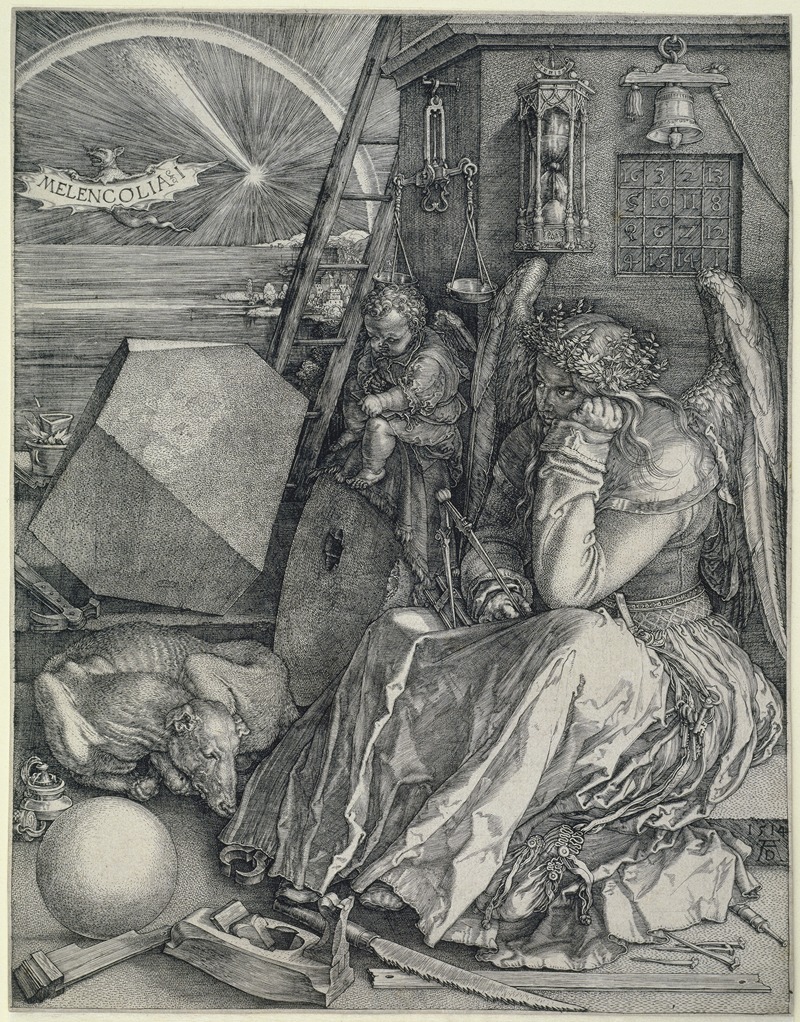
Melencolia I (The Melancholy)
Albrecht Dürer
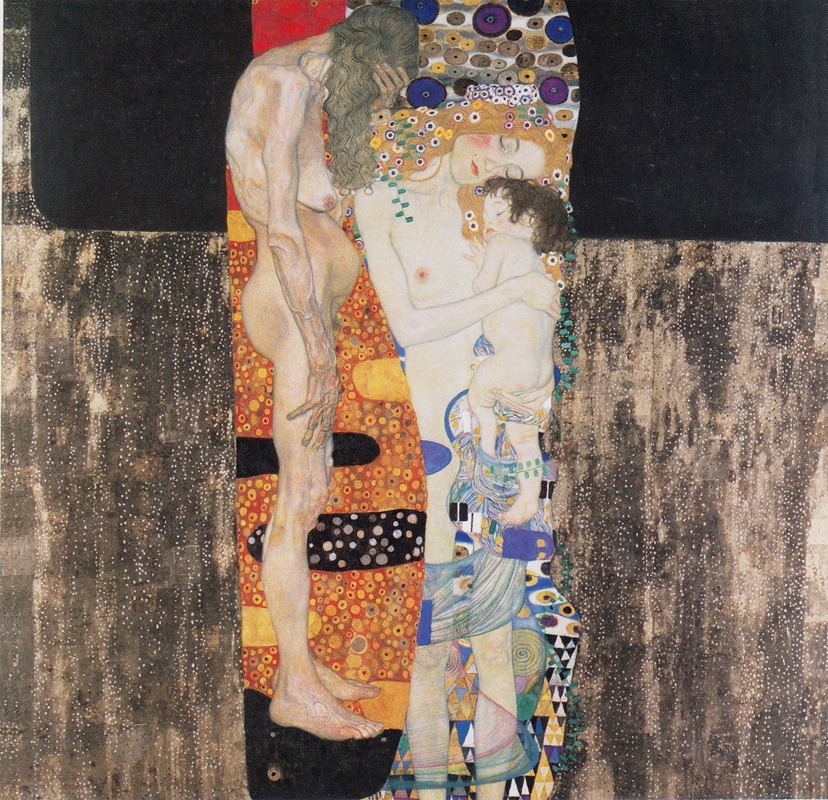
The Three Ages of the Woman
Gustav Klimt