Summer — History & Facts
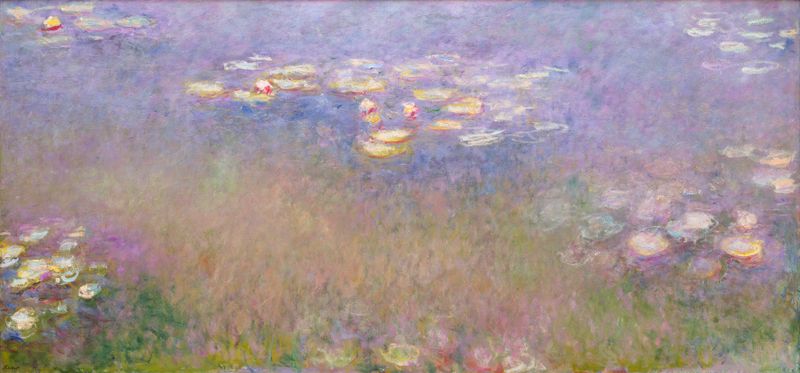
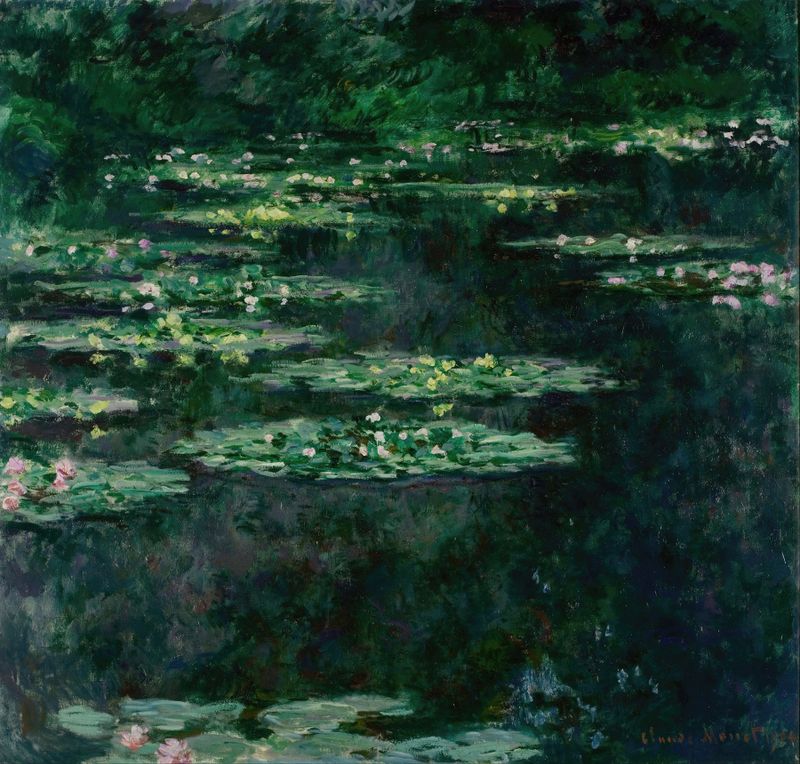
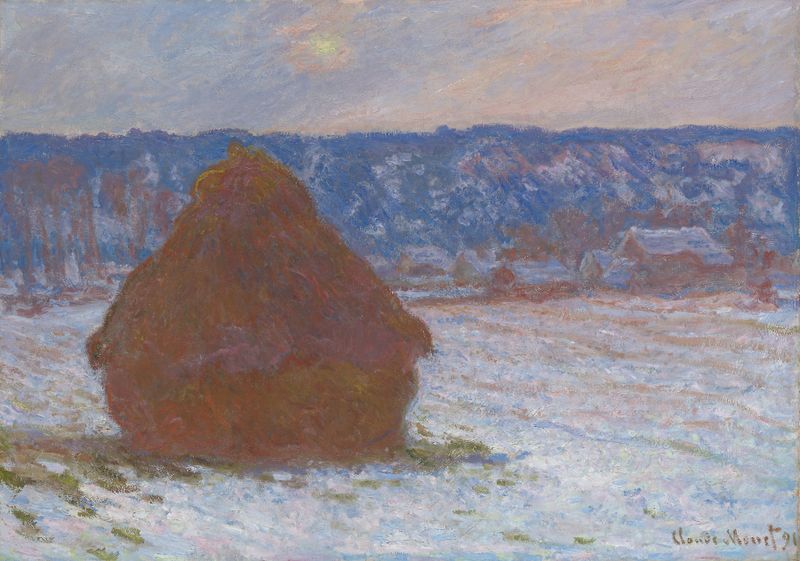
In Summer, the interplay of light and shadow reveals a deeper humanity, whispering secrets beneath the surface of vibrant blooms. Look to the left at the radiant fields of wildflowers, bathed in the sun's warm embrace, their colors a symphony of yellows, pinks, and whites. Notice how the brushstrokes, both loose and deliberate, dance across the canvas, creating a sense of movement that echoes the gentle sway of the blooms in the summer breeze. The light seems to spill over the scene, yet beneath this sunlit facade, shadows gather — hinting at the transient nature of beauty and the inevitable passage of time. In the contrast between the brightness and the lurking shadows lies a poignant tension, suggesting that even in moments of joy, there is an undercurrent of melancholy.
The hues of gold may dazzle, but it is the darker tones that ground the piece, evoking a sense of fleeting delight tinged with loss. This duality invites viewers to reflect on their own experiences, where joy often intertwines with sorrow, crafting a complex emotional landscape. Monet painted Summer in 1874 during a period of experimentation and innovation in his artistic journey. Living in France, he was at the forefront of the Impressionist movement, which sought to capture the essence of a moment rather than a mere reproduction of reality.
This work emerged as he explored new techniques that would challenge traditional art forms, contributing to a broader dialogue about perception and representation in a rapidly changing world.