
Summer Evening — History & Facts
Time weaves an intricate tapestry of moments that shimmer with both joy and sorrow, encapsulating the duality of existence. Look closely at the foreground, where the vibrant hues of green and gold seem to dance in the fading light of day. The brushstrokes pulse with life, inviting the viewer to linger in the lushness of the landscape. Notice how the warm tones blend seamlessly into the tranquil sky, each hue layered with intention, creating a sense of depth that pulls you into the scene’s embrace.
The gentle curves of the hills guide your eye upwards, revealing the delicate transition from day to night. Yet beneath this idyllic surface lies a poignant contrast. The golden light, seemingly warm and inviting, hints at the passing of time—a reminder that even the brightest moments are ephemeral. The shadows creeping into the landscape at dusk suggest the inevitability of change, evoking a bittersweet nostalgia.
The solitary figure in the distance, almost lost among the vastness, embodies both solitude and solace, balancing the joy of nature’s beauty with the ache of inevitable farewells. In 1910, Lepère painted this piece during a period marked by significant shifts in the art world, as Impressionism was giving way to new movements. He found inspiration in the rural landscapes of France, reflecting a personal search for tranquility amid a rapidly changing society. This moment in his life mirrored the broader tension between tradition and modernity, infusing Summer Evening with a resonance that continues to speak to viewers today.
More Artworks by Auguste Louis Lepère
Browse all →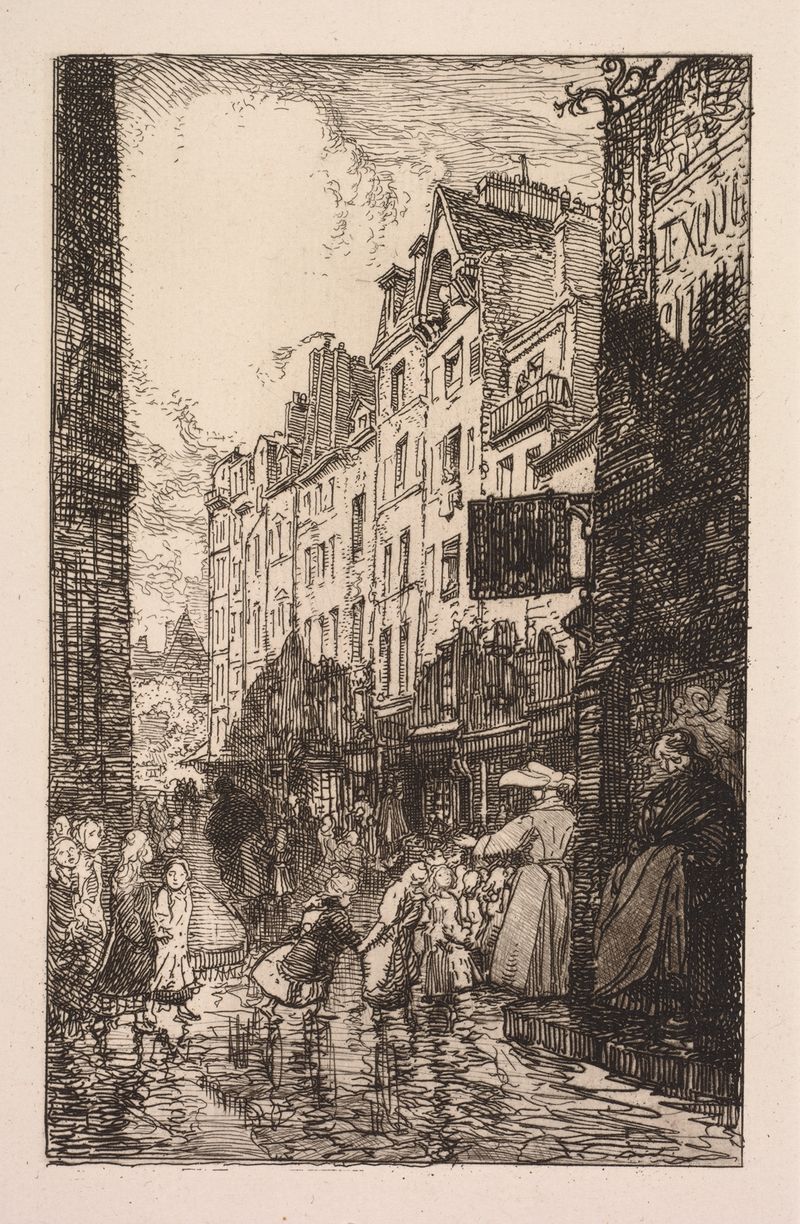
La Rue des Prêtres Saint-Séverin
Auguste Louis Lepère
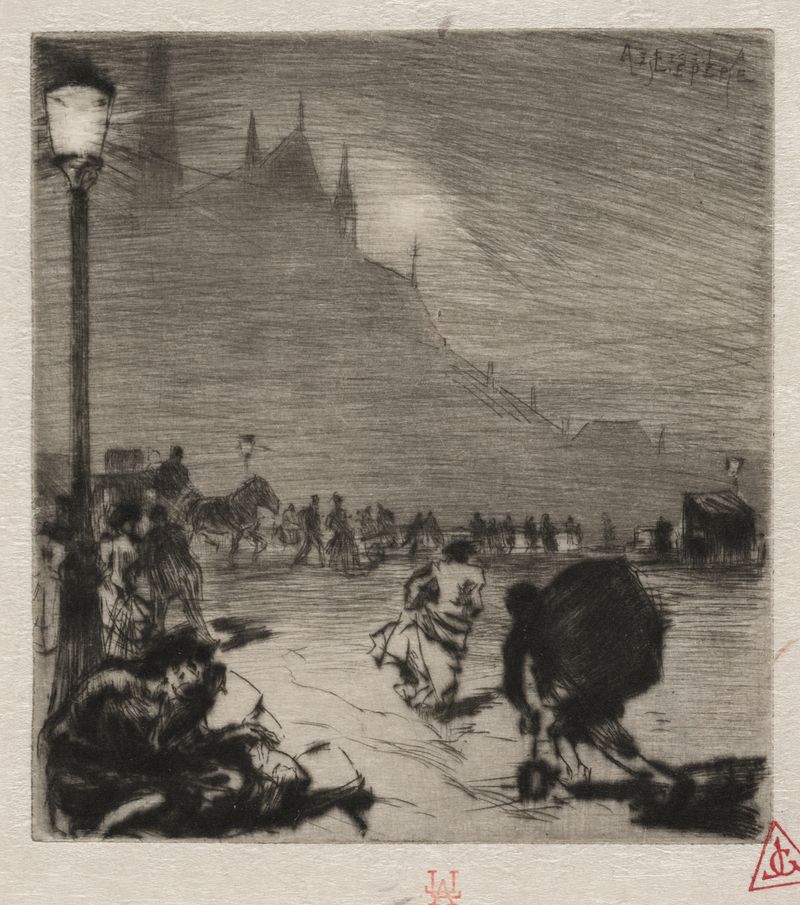
Au Coin du Pont-aux-Doubles
Auguste Louis Lepère
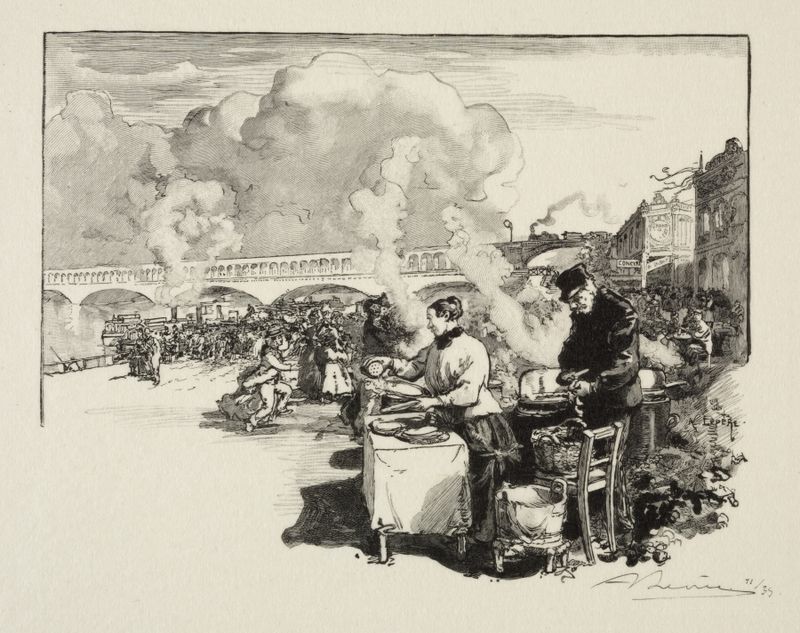
Debarcadère des bateaux-omnibus
Auguste Louis Lepère

La Seine, au quai de la Rapée
Auguste Louis Lepère
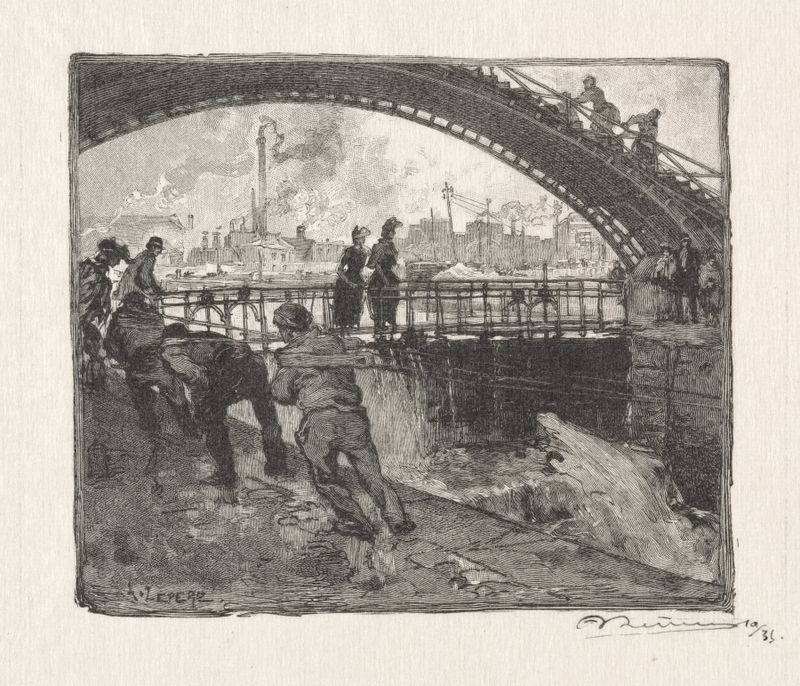
L’Ecluse du Canal St. Martin
Auguste Louis Lepère

Le Boulevard Montmartre, le Soir
Auguste Louis Lepère

Une Chasse au Mont Gérard
Auguste Louis Lepère
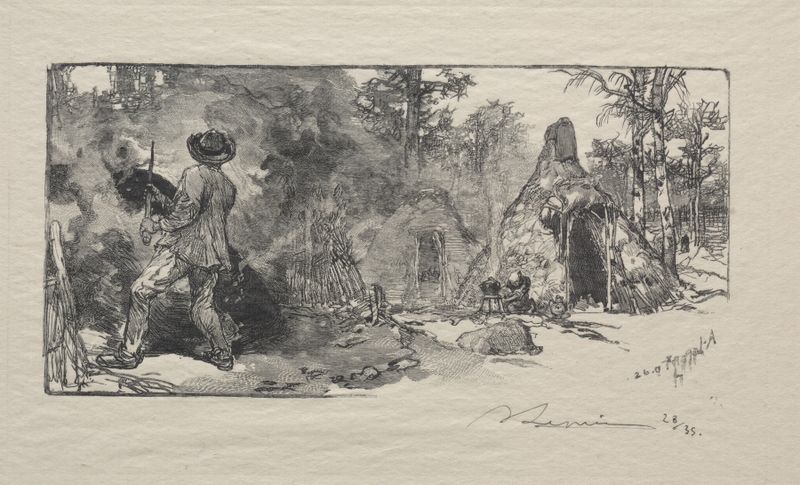
Les Charbonniere
Auguste Louis Lepère
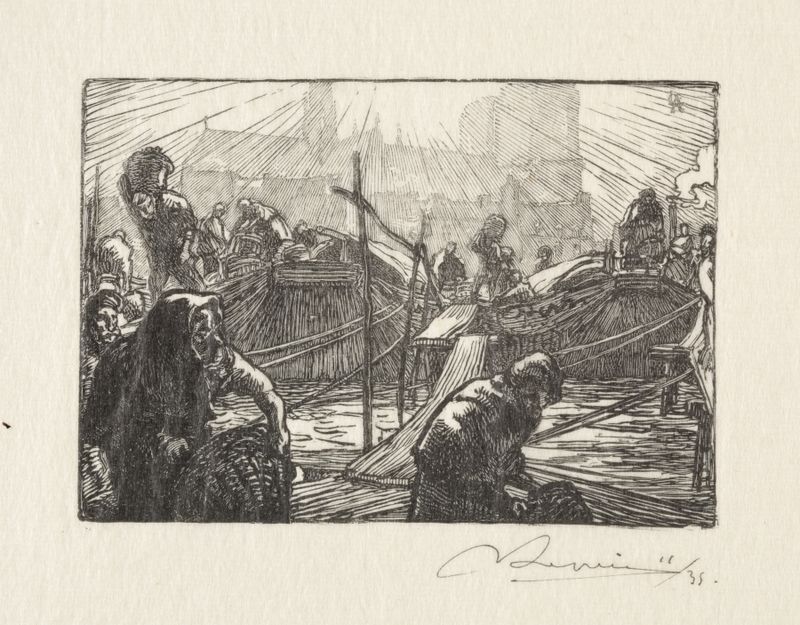
Notre Dame vue du Marché aux pommes
Auguste Louis Lepère

Le Palais des Arts Liberaux, Intèrieur
Auguste Louis Lepère





