
Summer, Evening Landscape — History & Facts
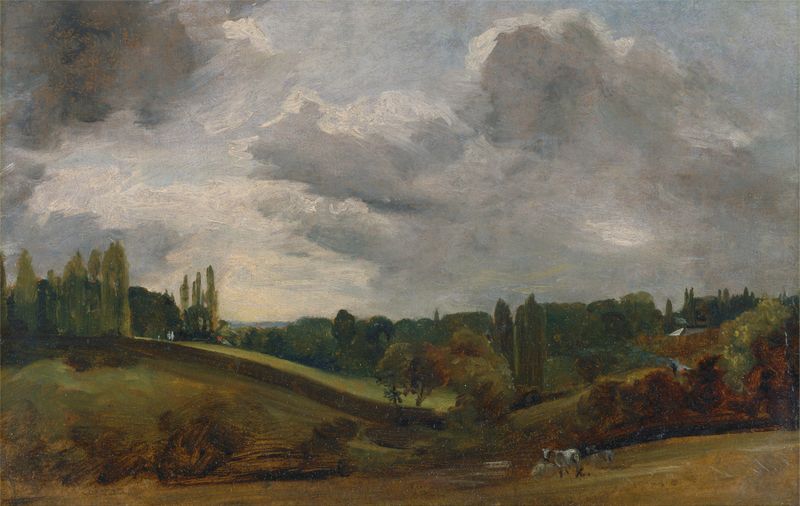
Could beauty survive in a century of chaos? In the lush embrace of nature, one finds solace, yet beneath the surface lies a whisper of unease—a reminder that all is fleeting. Look to the horizon where the warm hues of dusk meet the gentle sweep of rolling hills. The sky, brushed with soft pastels, cradles the last light of day, while the towering clouds loom, hinting at an impending shift. Notice how the emerald fields ripple with the breath of the evening breeze, each blade of grass illuminated with a golden glow, creating a sense of tranquility that is almost deceptive.
The composition exudes harmony, yet the brushstrokes reveal an undercurrent of anxiety, as if the landscape itself senses the fragility of its beauty. The interplay between light and shadow invites contemplation of the transience of nature. The vivid colors stand in contrast to the encroaching darkness, symbolizing the duality of life—the bliss of summer evenings juxtaposed with the lurking dread of stormy nights. The farmhouses nestled in the distance appear peaceful, yet their isolation echoes a deeper fear of abandonment.
The idyllic scene is imbued with a sense of urgency; it beckons the viewer to appreciate beauty while it endures, reminding us of the chaos that lies beyond the tranquil façade. In a period marked by industrial upheaval and societal change, the artist crafted this piece, likely in the early 19th century, while residing in England. Constable sought to capture the essence of the English countryside at a time when the natural landscape was threatened by encroaching modernity. Amidst this turmoil, he found inspiration in the pastoral beauty that surrounded him, affirming his commitment to landscape painting as a refuge from the chaos of contemporary life.
More Artworks by John Constable
Browse all →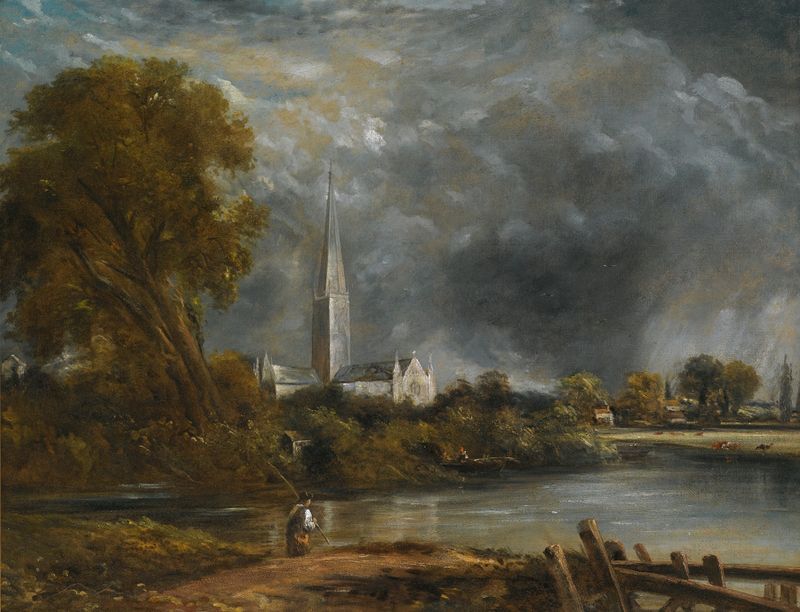
Salisbury Cathedral From The Meadows
John Constable
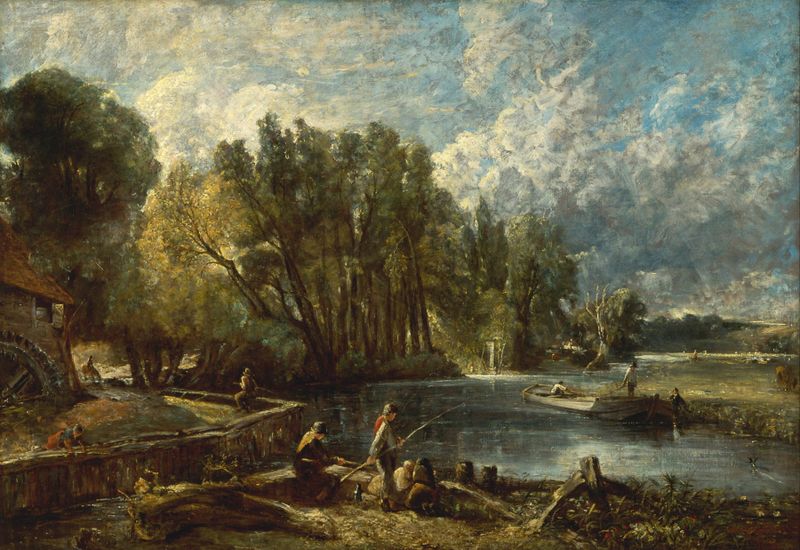
Stratford Mill
John Constable
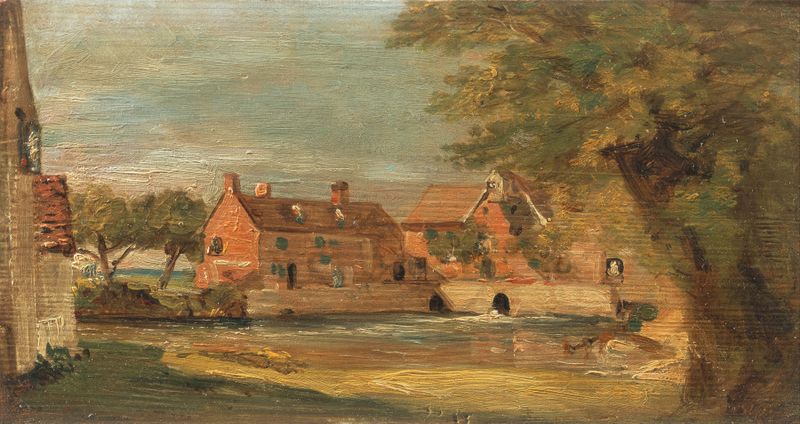
Flatford Mill
John Constable
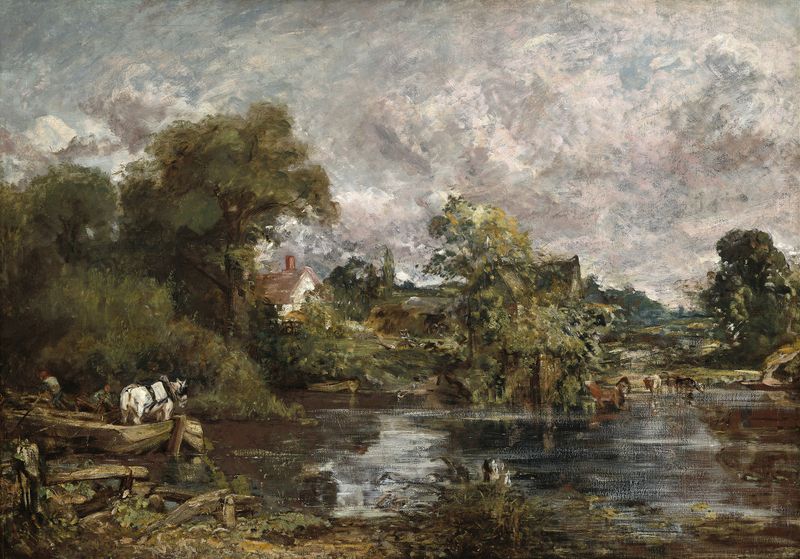
The White Horse
John Constable
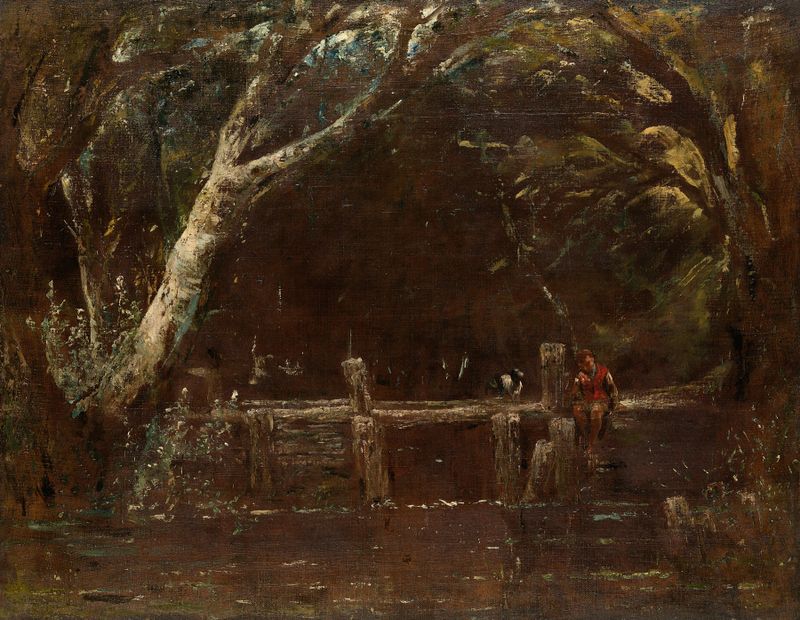
Landscape (The Lock)
John Constable
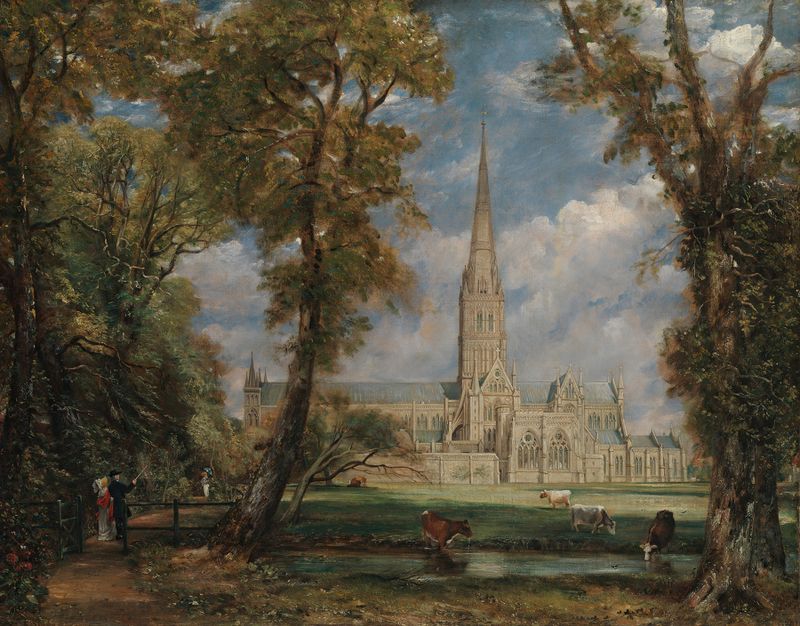
Salisbury Cathedral from the Bishop’s Grounds
John Constable
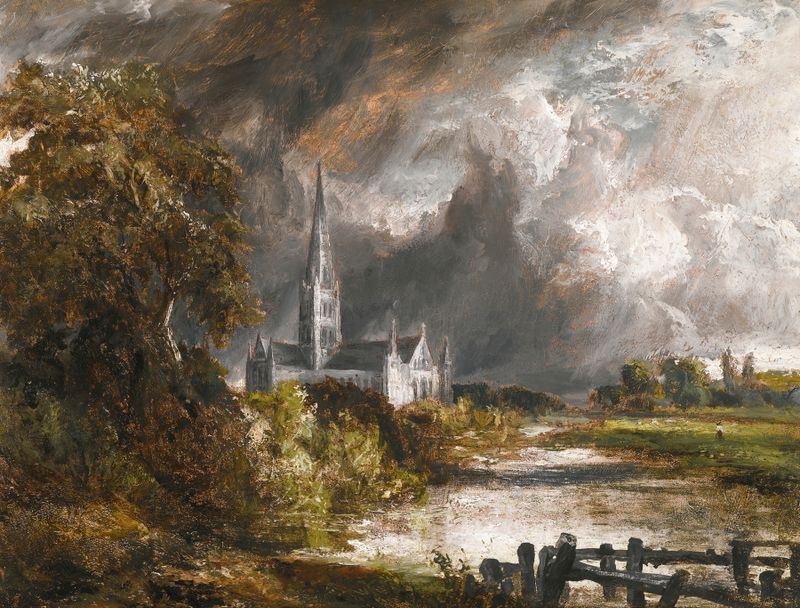
Salisbury Cathedral From The Meadows
John Constable
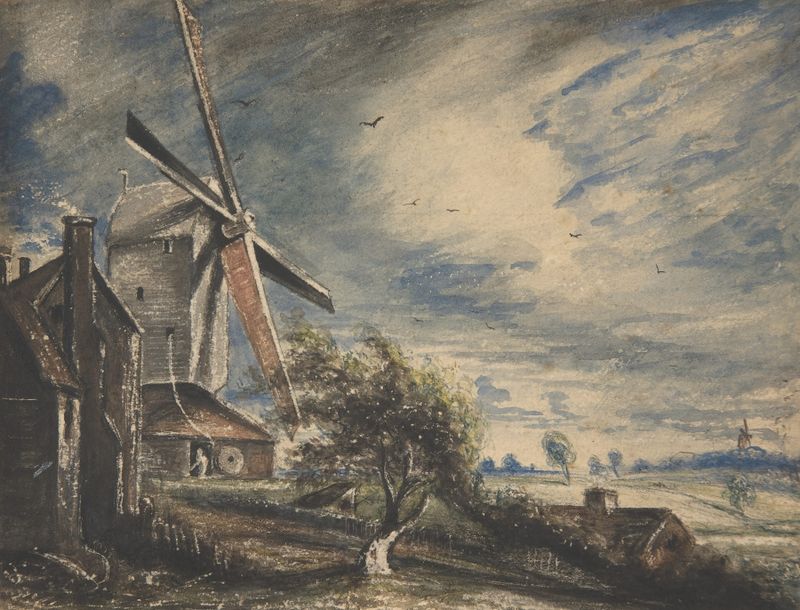
A Mill Near Colchester
John Constable
East Bergholt
John Constable

Flatford Mill
John Constable





