Summer park landscape — History & Facts
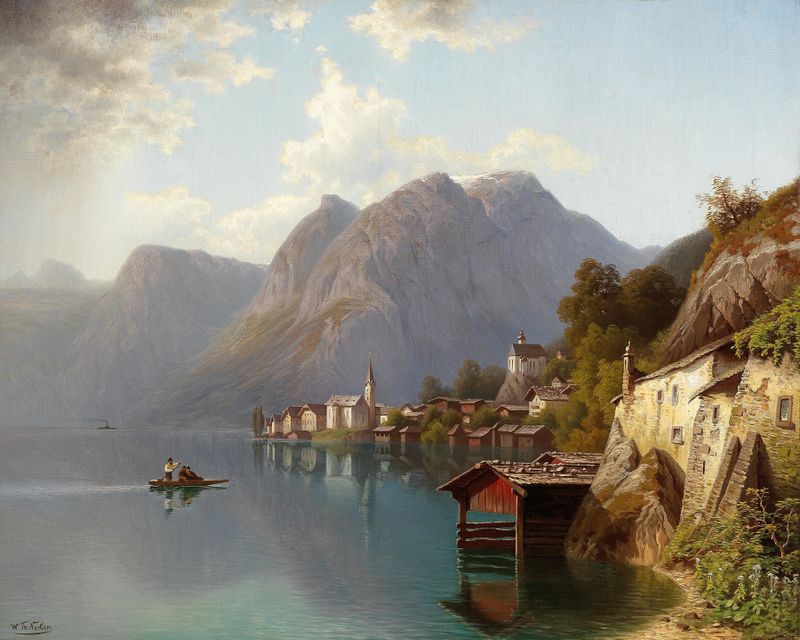
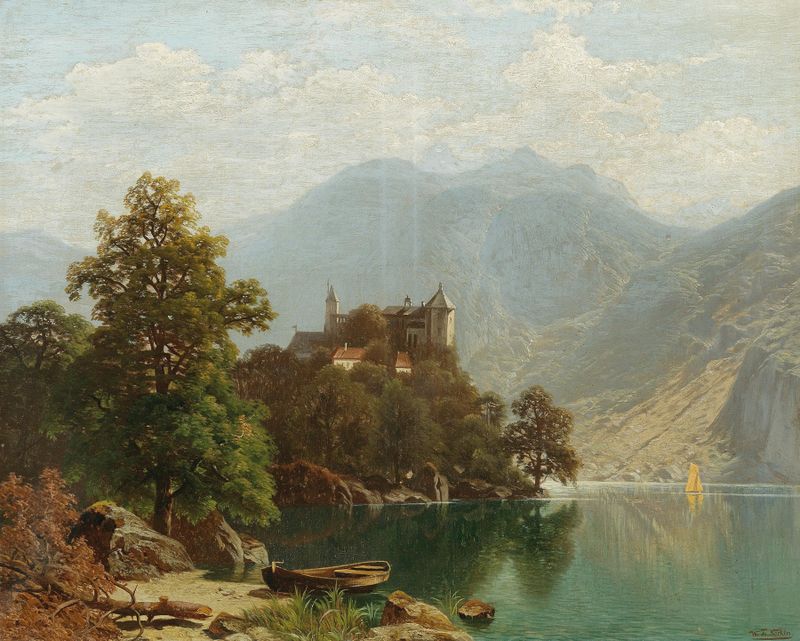
Could a single brushstroke hold eternity? In Summer park landscape, the essence of serenity is captured with a grace that resonates long after the viewer has turned away. Look to the foreground, where a gentle path meanders through the lush greenery, inviting you deeper into the scene. Notice how the dappled light filters through the trees, illuminating patches of soft grass and wildflowers. The artist’s deft brushwork creates a sense of movement, as if a whispering breeze carries the fragrance of summer, inviting you to breathe it in.
The harmonious palette of greens, yellows, and soft blues evokes a tranquil atmosphere, where nature flourishes, and time seems to stand still. Yet, beneath this idyllic surface lies a tension between the vastness of nature and the intimacy of human experience. The trees, towering and ancient, stand guard over the ephemeral beauty of the moment, while the slight incline of the path suggests both adventure and the uncertainty of where it may lead. Small clusters of figures dot the landscape, evoking a sense of connection to the space, yet they remain mere whispers in the grand symphony of nature, reminding us of our place within it. Theodor Nocken painted Summer park landscape in 1855, during a period of burgeoning romanticism in art.
Living in Germany, he was influenced by the serene beauty of the landscape around him as well as the growing industrialization of the era. This painting reflects a longing for connection to nature and tranquility amidst the rapid changes in society, encapsulating a moment of respite that resonates through time.