Sunflowers — History & Facts
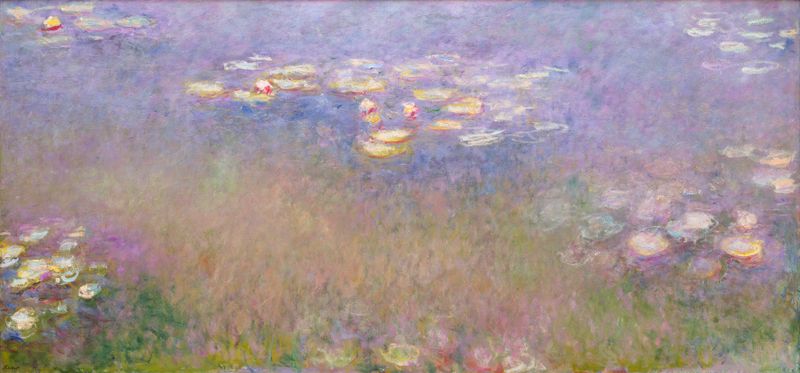
What if beauty was never meant to be finished? In the realm of art, this notion dances on the edge of every brushstroke, illuminating the fragile lines between decay and vibrancy. Look closely at the intense yellows in the center of the composition, where the petals of the sunflowers burst forth in a riot of life. The artist’s careful layering creates a tactile depth, drawing the viewer's eye into the swirling patterns of light and shadow that play across the leaves. Notice how the background fades, not in an effort to overshadow, but rather to cradle the flowers, allowing their luminosity to command the viewer's gaze.
Each stroke seems to breathe, capturing the essence of a moment that feels both fleeting and eternal. The tension between life and transience unfolds through the juxtaposition of vibrant blooms and their inevitable decay, as some petals edge toward wilting. In this delicate balance, there lies an exploration of time — a celebration of the present that is simultaneously tinged with sorrow. Every sunflower stands as a testament to resilience, bursting forth in its prime yet hinting at the inevitable cycle of life.
The vibrancy suggests hope, while the fading edges evoke a sense of melancholy, inviting us to contemplate both beauty and fragility. Created in 1911, this piece emerged during a period of artistic experimentation and innovation, as Wojnarski sought to express emotions beyond mere representation. Living in a time marked by rapid change, he was influenced by movements that valued personal expression and abstract forms. This painting reflects not only his technical prowess but also his deep engagement with the evolving landscape of modern art.