
Sunset at Red Spring — History & Facts
In the quiet depths of an artist's heart, there resides a yearning for something beyond the tangible, a longing that Sunset at Red Spring encapsulates beautifully. This sentiment echoes through the layers of color and light, drawing viewers into a world that feels both familiar and elusive. Look to the left at the vibrant hues that bleed into one another — the oranges and reds merging seamlessly at the horizon. The reflections on the water shimmer like dreams just out of reach, creating a mesmerizing interplay between solid and ethereal.
Notice how La Farge employs delicate brushwork, layering the paint to evoke the gentle movement of water and the embrace of twilight. Each stroke is deliberate, inviting the viewer to linger in the tranquility of a moment caught between day and night. In this piece, there exists a tension between the warmth of the sunset and the coolness of the surrounding landscape, mirroring the duality of desire and fulfillment. The vivid reds and deep blues speak of longing — a yearning for connection with nature and the fleeting beauty of life.
The tranquility of the scene belies a deeper undercurrent, suggesting both the fleeting nature of beauty and the profound stillness that follows a day's end, leaving one to ponder the inevitable passage of time. La Farge created Sunset at Red Spring in 1855, during a period of personal exploration and artistic growth. Working in Newport, Rhode Island, he was immersed in the burgeoning American Impressionist movement, which sought to capture the ephemeral qualities of light and color. This painting reflects not only the artist's response to the natural world but also a broader shift in artistic expression, as La Farge embraced a more emotive and atmospheric style that would resonate throughout his career.
More Artworks by John La Farge
Browse all →
Red Pagoda, Nikko
John La Farge
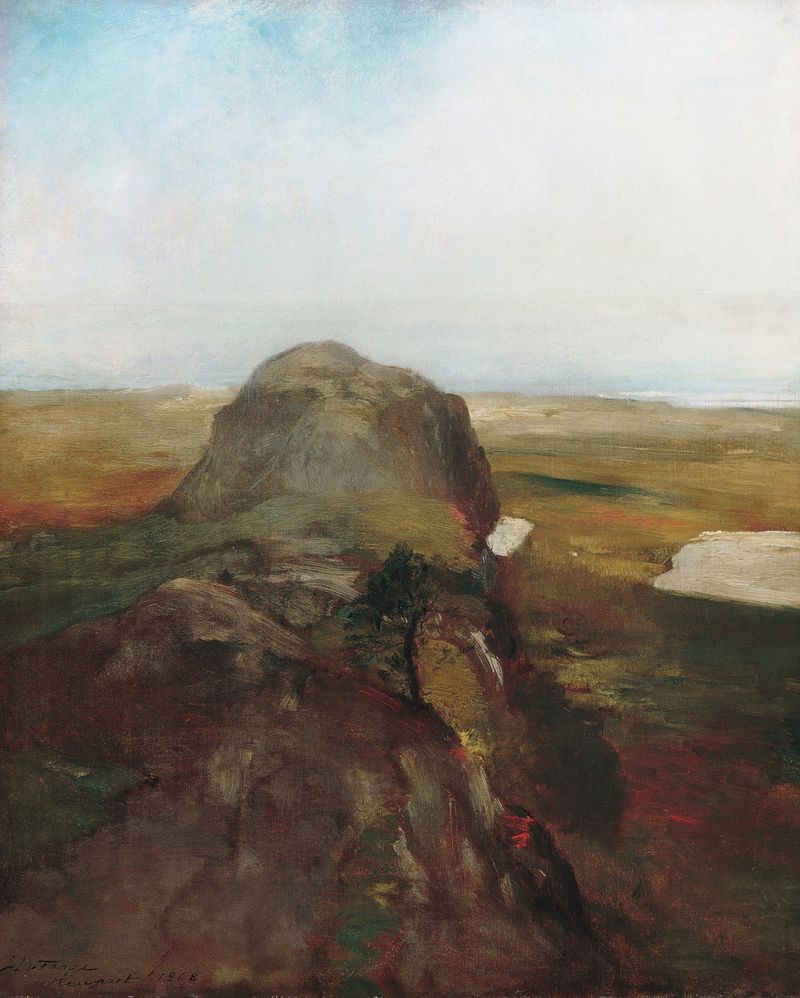
Autumn Study, View over Hanging Rock, Newport, R.I.
John La Farge
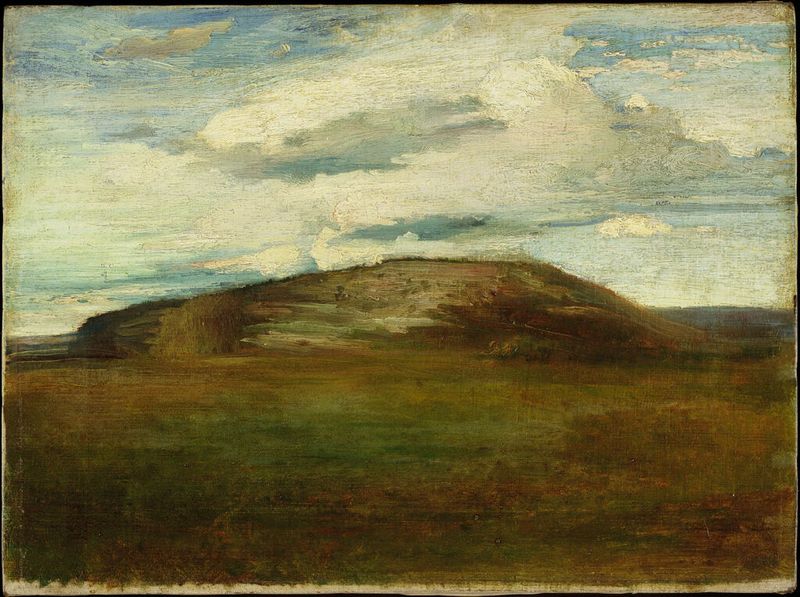
Autumn: Mid-Day, Looking North, Table-Rock Hill, Peekskill, New York
John La Farge
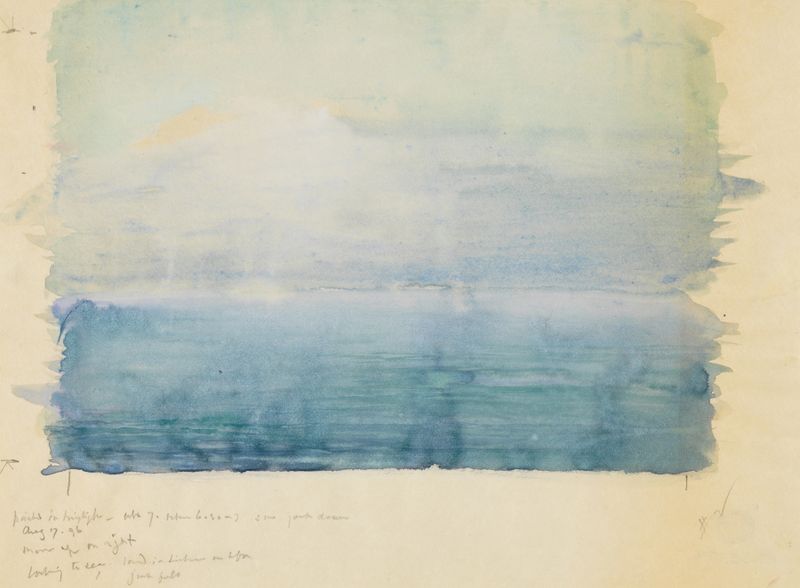
Bar Harbor, Twilight
John La Farge
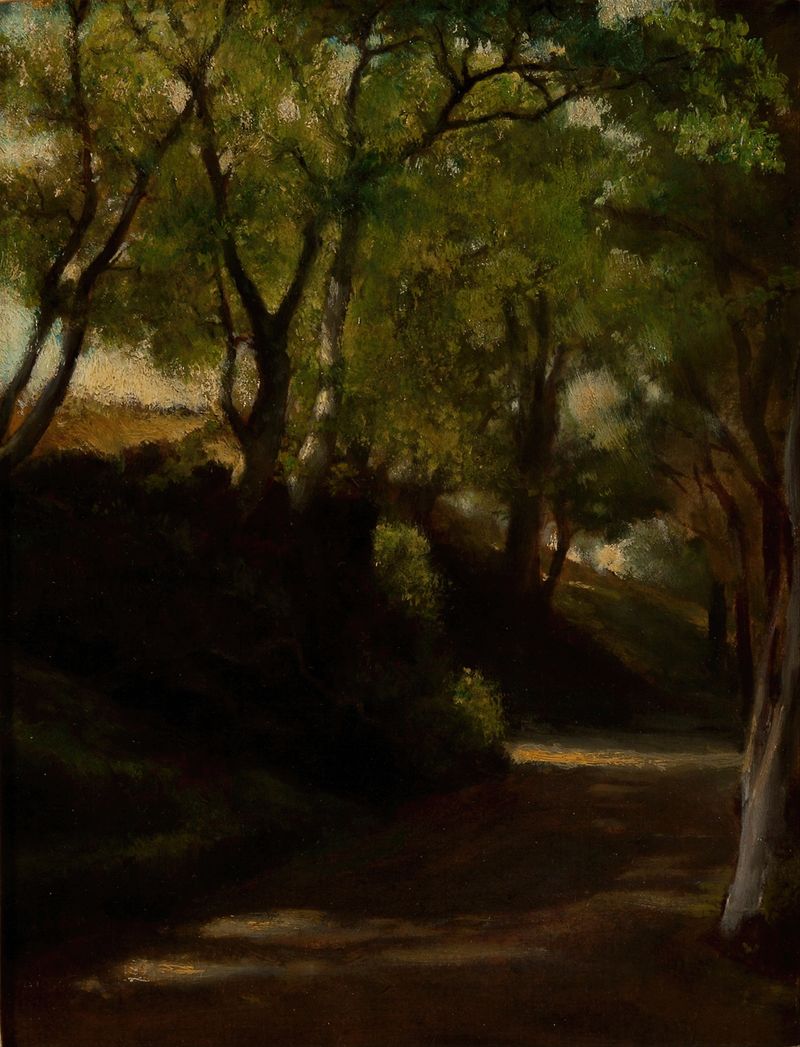
In ‘The Glen,’ Portsmouth, Rhode Island
John La Farge

The Island of Moorea Looking across the Strait from Tahiti, January 1891
John La Farge
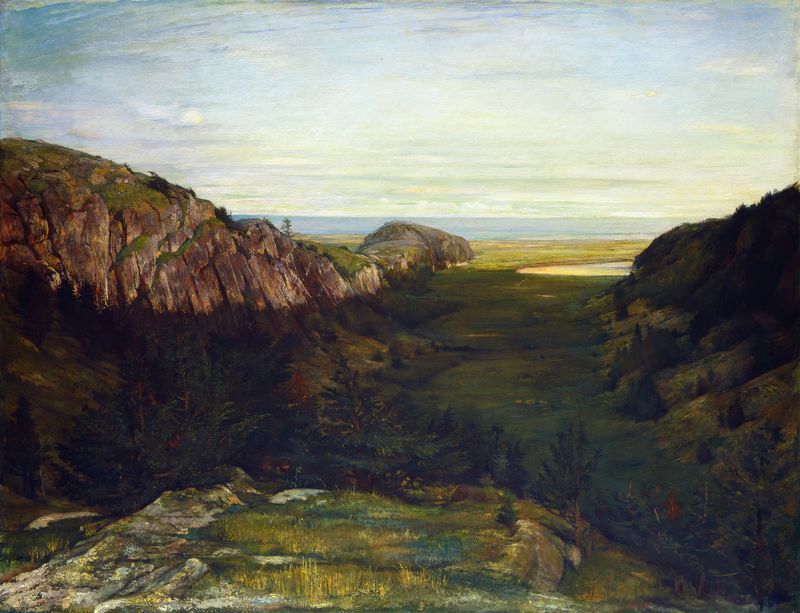
The Last Valley – Paradise Rocks
John La Farge
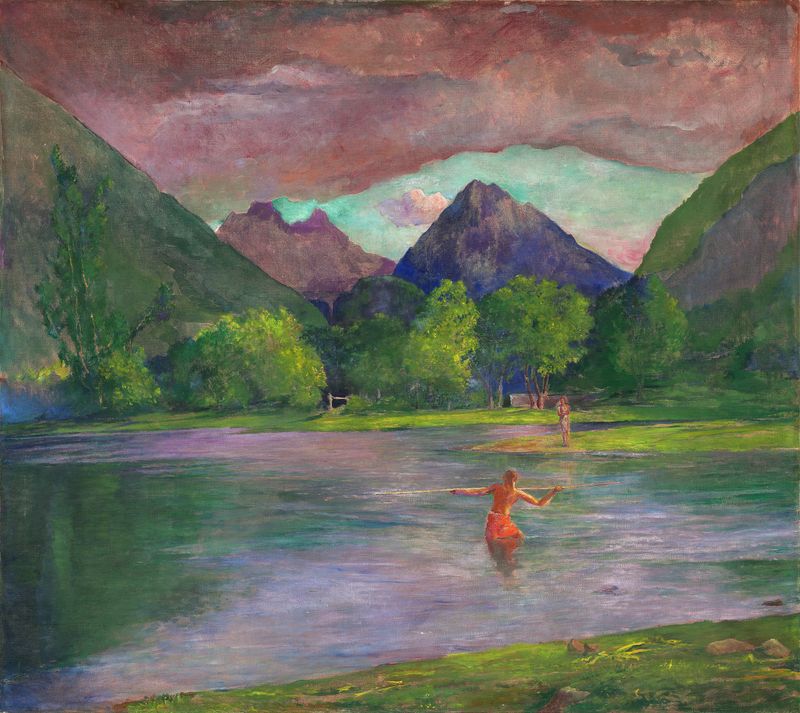
The Entrance to the Tautira River,Tahiti. Fisherman Spearing a Fish
John La Farge

Snow Field, Morning, Roxbury
John La Farge
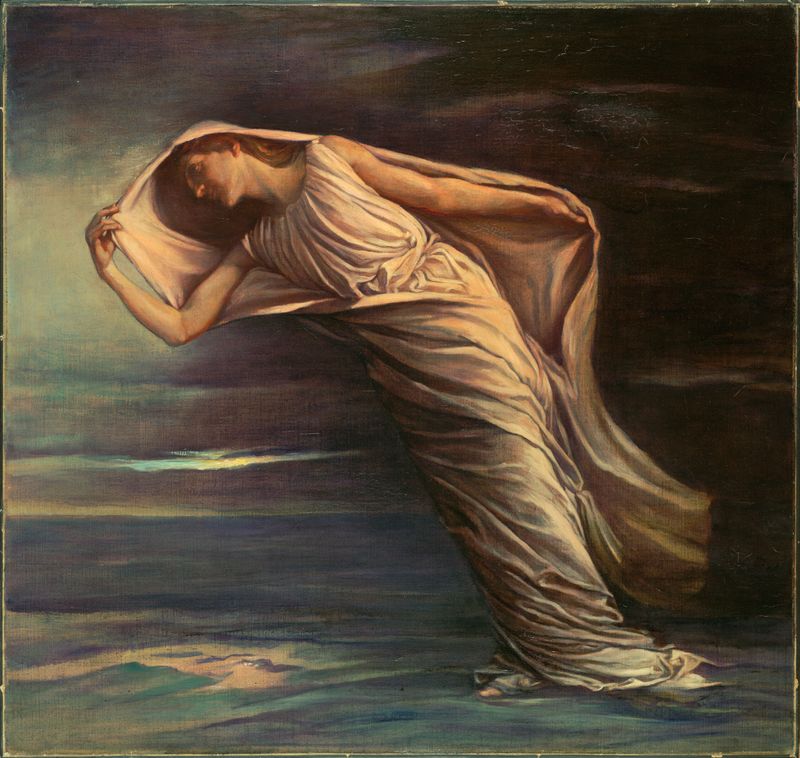
The Dawn
John La Farge





