
Sur la Bresle au Tréport — History & Facts
This sentiment resonates deeply within the vibrant strokes of a painting that captures the essence of a revolution in both technique and emotion. Look to the center, where the river curves gently like a whisper, its surface shimmering with a dance of blues and greens. Notice how Houdard employs rapid brushwork, blending colors that mirror the lively spirit of the moment. The delicate interplay of light and shadow creates a sense of depth, inviting you to step closer and lose yourself amid the textured landscape.
A small fishing boat, almost swallowed by the surrounding nature, serves as a focal point, drawing your gaze and evoking a sense of solitude against the vastness of the scenery. Hidden within the canvas lies the tension of two worlds: the tranquil beauty of nature and the fleeting uncertainty of livelihood. The fishermen, depicted with rugged strokes, embody both hope and struggle, their silhouettes woven into the soft embrace of the landscape. The tumultuous sky overhead, rich with dynamic clouds, hints at an impending storm, reminding us of the unpredictable nature of life at the water’s edge.
Each brushstroke captures a fleeting moment, a glimpse into the lives of those who are intimately connected with the rhythms of the sea. In 1898, Houdard painted this piece while immersed in the Impressionist movement, which was redefining the boundaries of art. Living in France during a time of social and artistic upheaval, he worked to capture the essence of daily life as it flowed in and out of chaos. With Sur la Bresle au Tréport, he contributed to a revolution in artistic expression, highlighting the significance of light, color, and emotion in the mundane yet profound experiences of existence.
More Artworks by Charles-Louis Houdard
Browse all →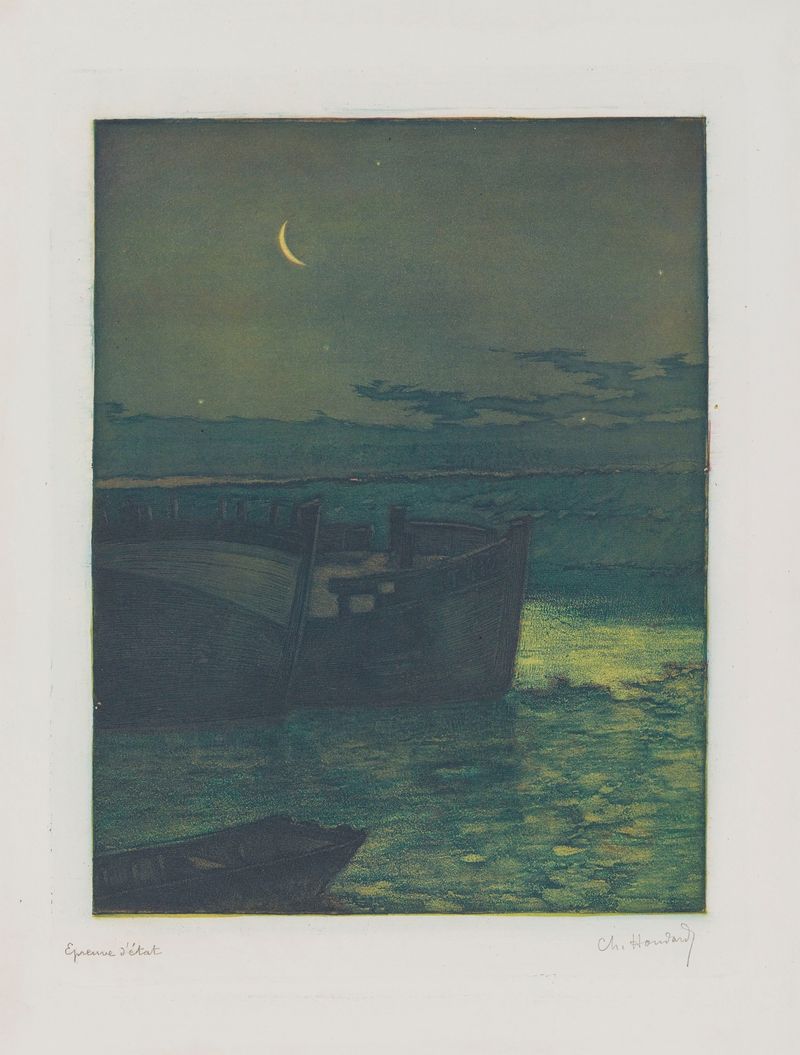
Epaves, navire échoué au clair de lune
Charles-Louis Houdard
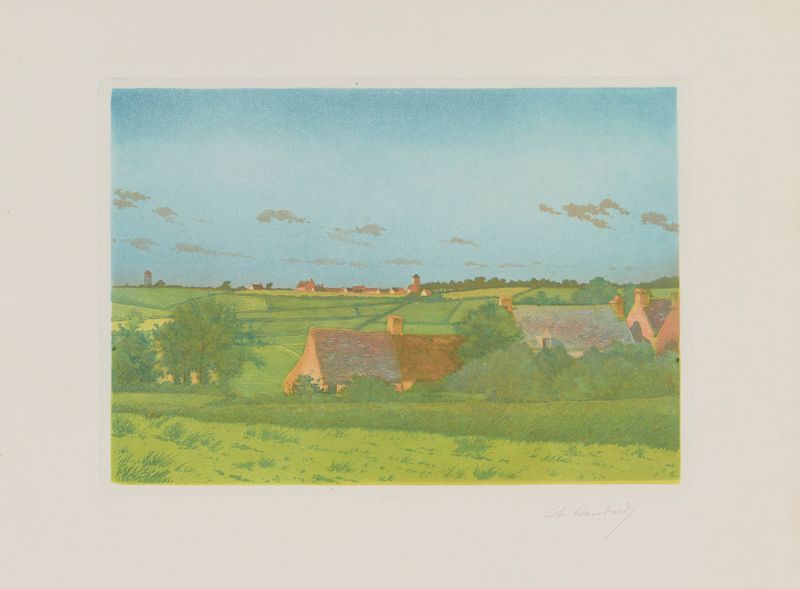
Les hauteurs de Crozon, Finistère
Charles-Louis Houdard
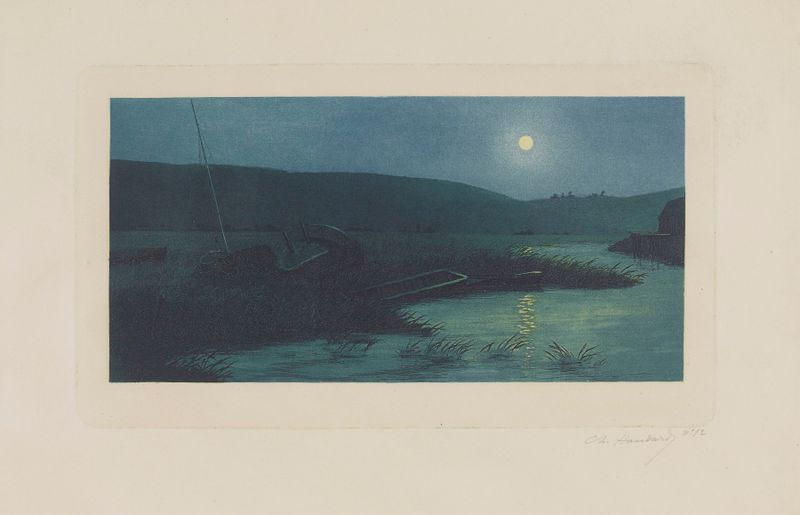
Clair de lune sur la Bresle
Charles-Louis Houdard
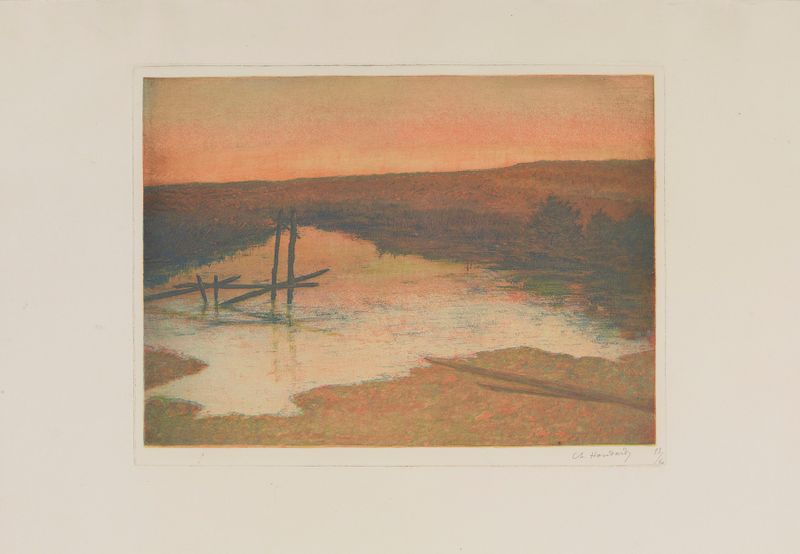
L’étang du moulin à Sémide
Charles-Louis Houdard
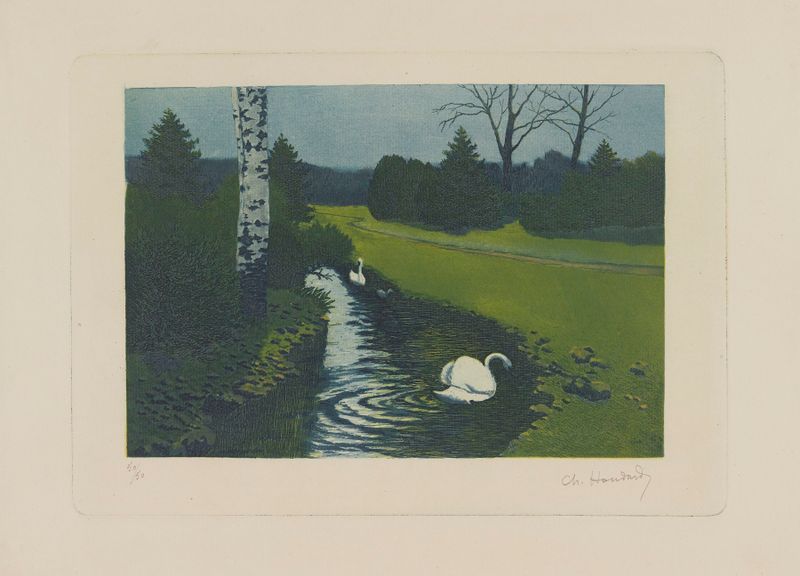
Au bois, cygnes sur un ruisseau
Charles-Louis Houdard
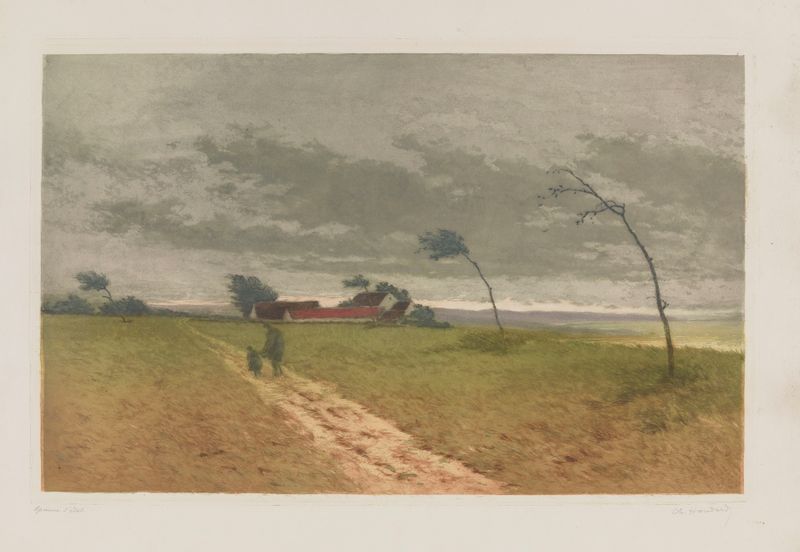
La rafale, plaine sous l’orage
Charles-Louis Houdard
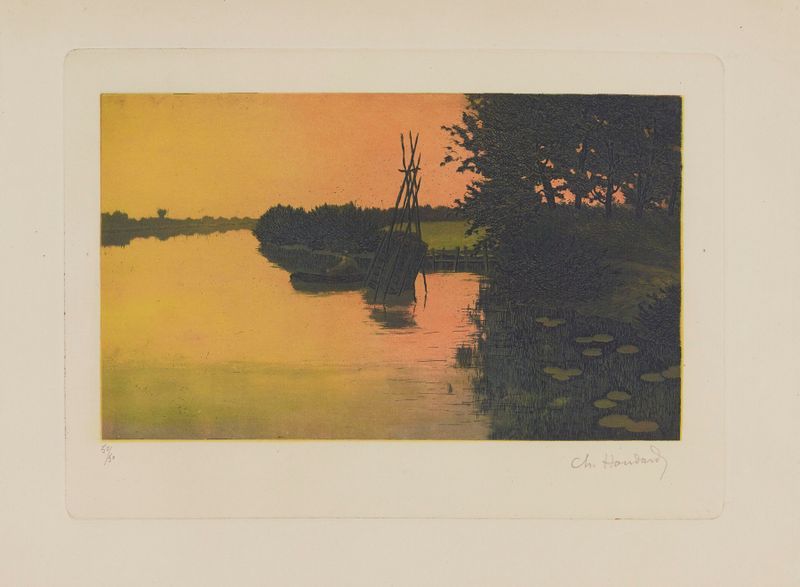
L’Oise à Précy
Charles-Louis Houdard
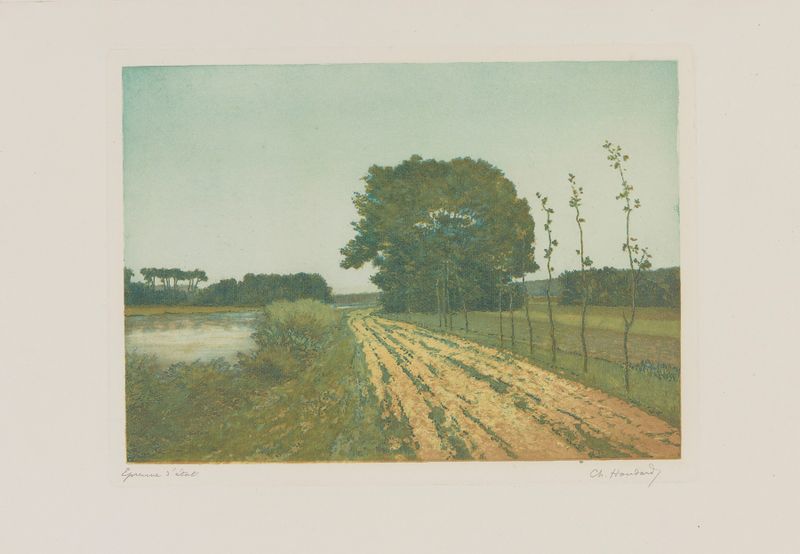
La route abandonnée
Charles-Louis Houdard
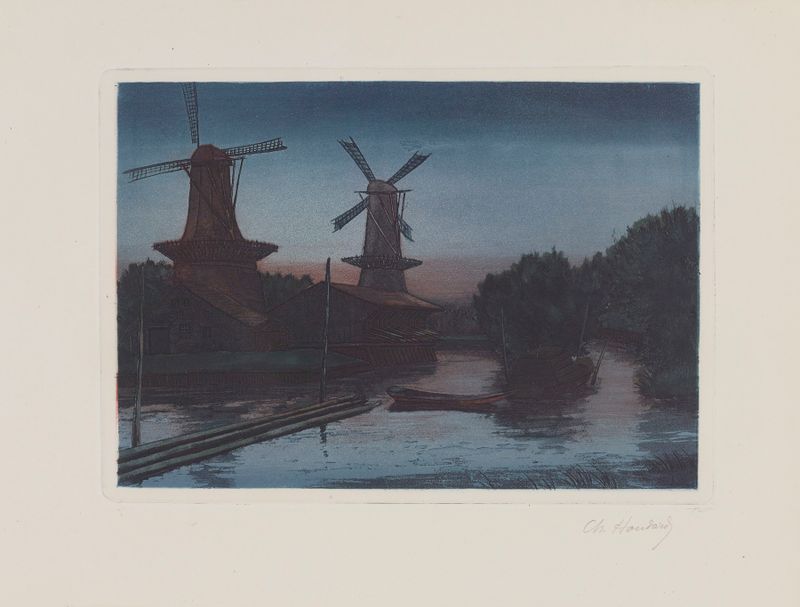
Moulins à Dordrecht
Charles-Louis Houdard
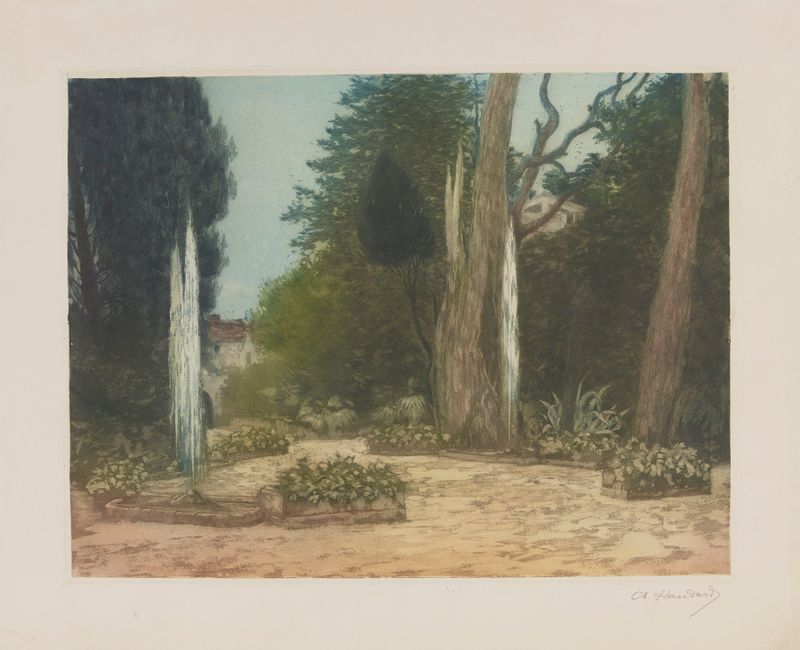
Villa d’Este, Tivoli, le rond-point
Charles-Louis Houdard





