
Symmetrie en een man met de duivel — History & Facts
In its stillness, it harbors a powerful desire, a whisper of yearning that transcends time. The interplay between temptation and virtue dances across the surface, inviting the viewer to question the nature of their own cravings. Focus on the intricate symmetry at the center of the piece, where the figure of a man confronts a spectral devil. The sharp angles and balanced forms draw your eye, while muted earth tones create a tension that both soothes and unsettles.
Notice how the play of light casts deep shadows, emphasizing the man's contemplative expression and the devil’s sly grin, illuminating the struggle between temptation and resistance. Small details reveal the depth of this emotional narrative. The man’s hands, poised yet hesitant, suggest both strength and vulnerability, embodying the conflict between desire and morality. The devil, with his exaggerated features and pointed tail, serves as a reminder that temptation often wears a beguiling face.
Together, they create a visual dialogue about the duality of human nature and the choices that define us. Created between 1736 and 1780, this artwork emerges from an era rich with philosophical inquiry and shifting moral landscapes. The unknown artist likely grappled with the themes of Enlightenment thought, where the examination of desire and personal agency became prominent. This period witnessed a growing interest in the interplay between light and shadow, both literally and metaphorically, capturing the essence of human experience.
More Artworks by Unknown Artist
Browse all →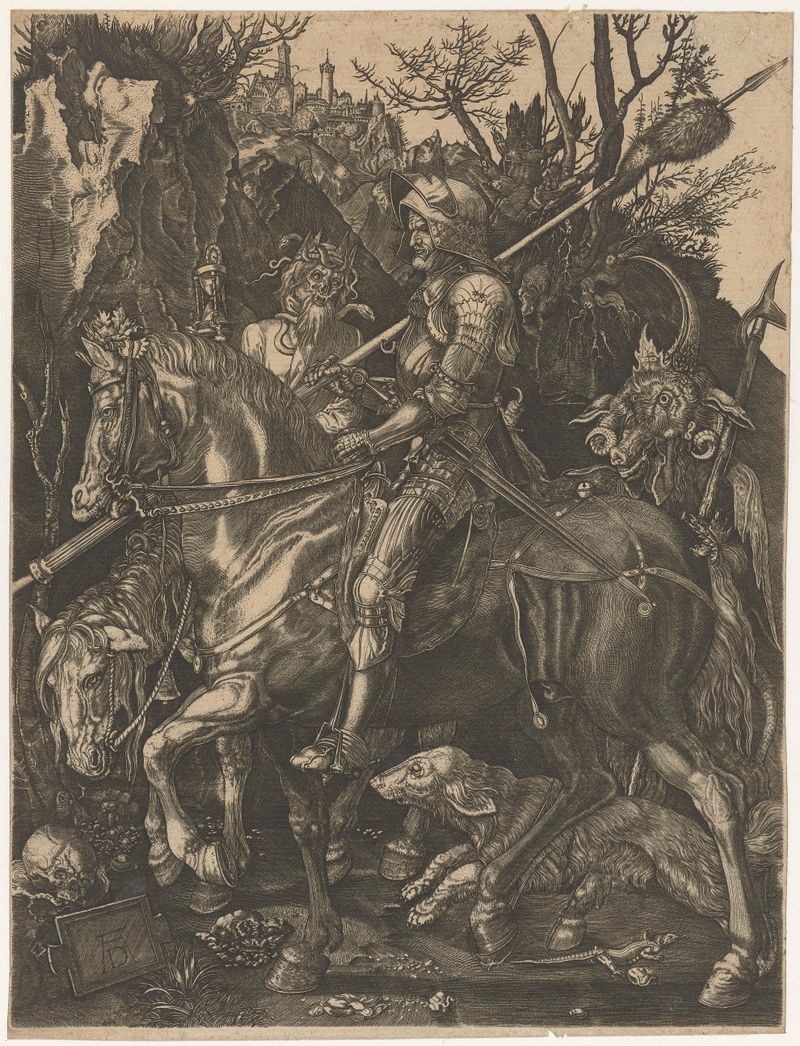
Ridder, Dood en Duivel
Unknown Artist
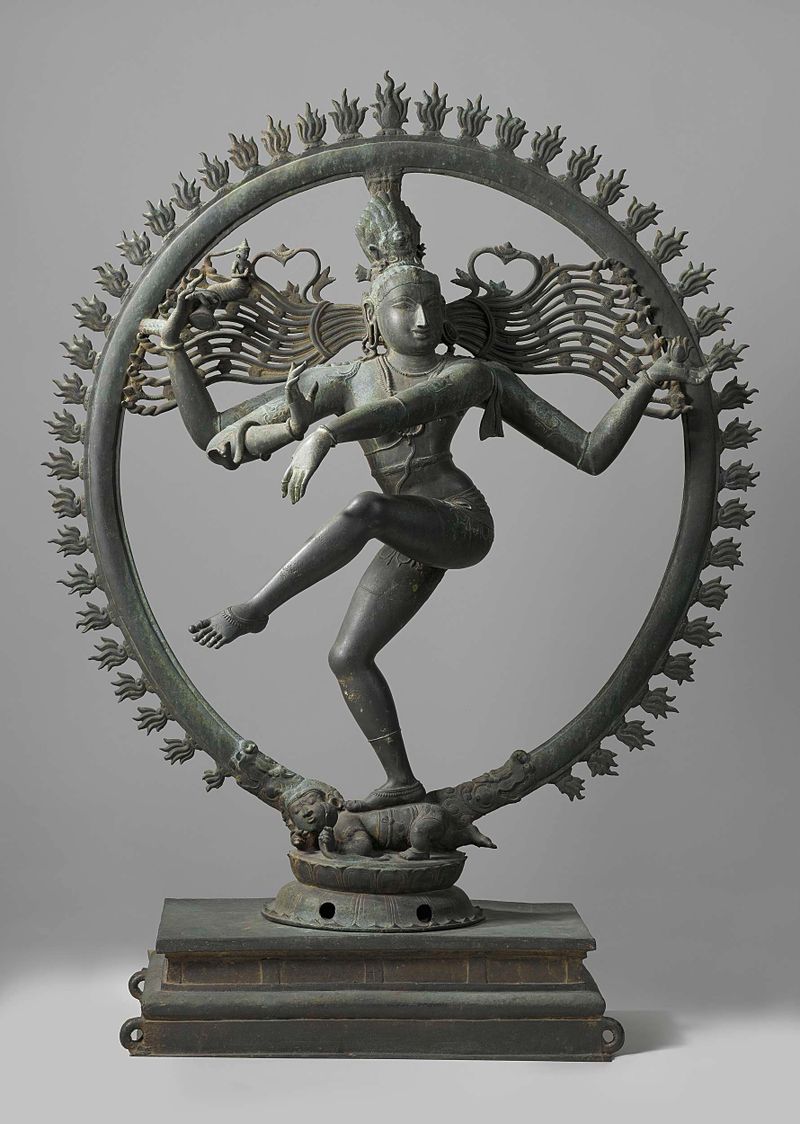
Shiva Nataraja
Unknown Artist
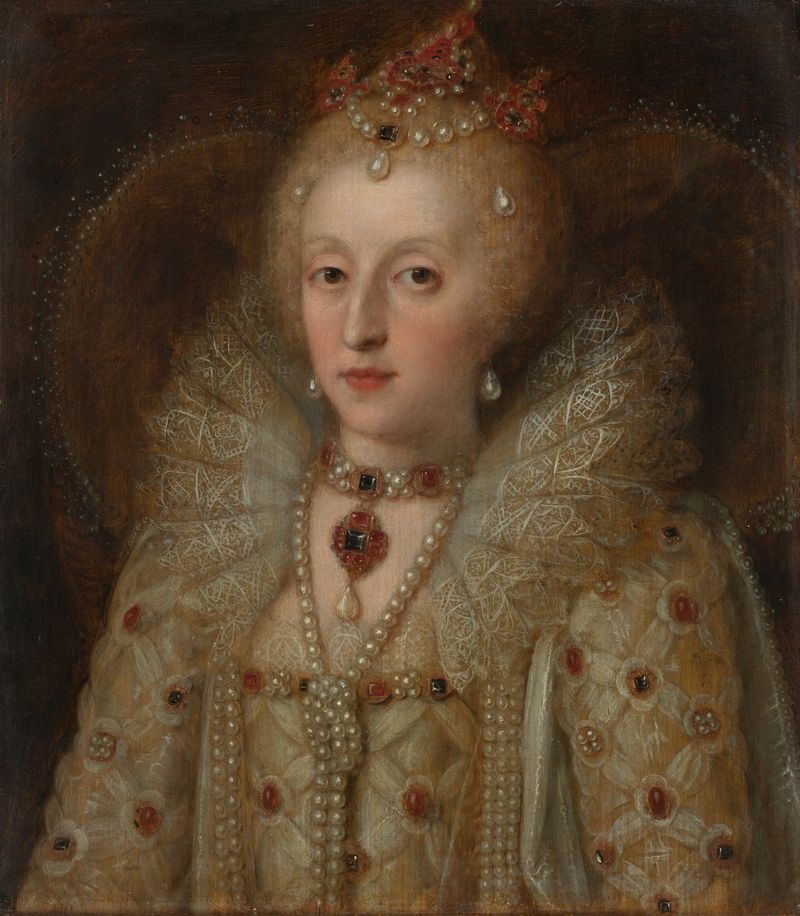
Portrait of Elizabeth I, Queen of England
Unknown Artist
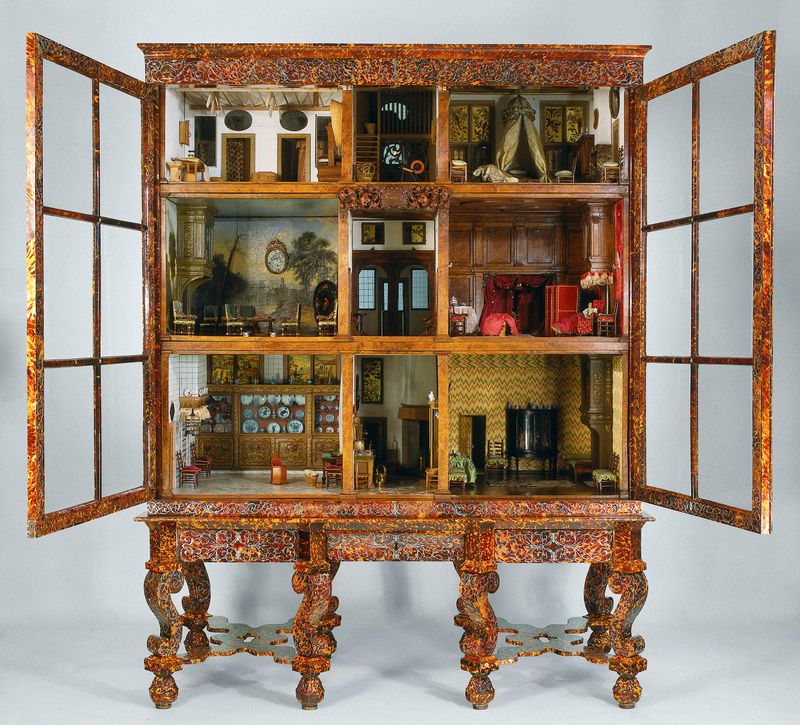
Dolls’ house of Petronella Oortman
Unknown Artist
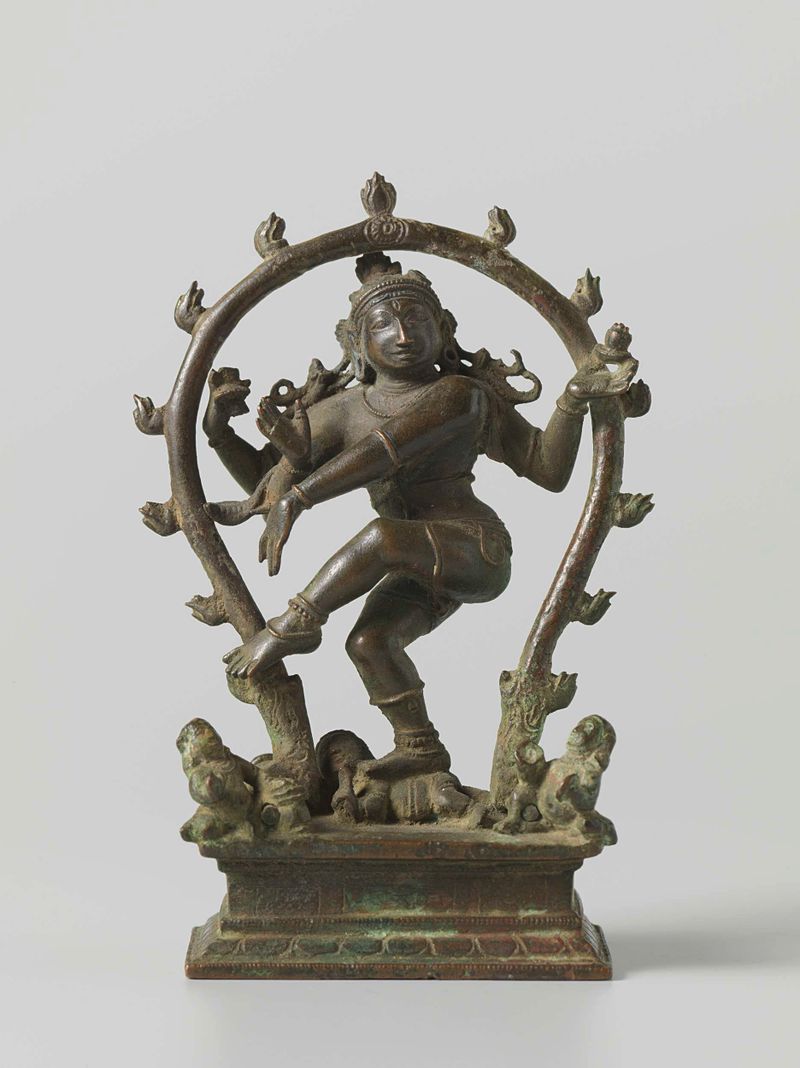
Shiva Nataraja
Unknown Artist

The Tale of Genji
Unknown Artist

The Tale of Genji
Unknown Artist
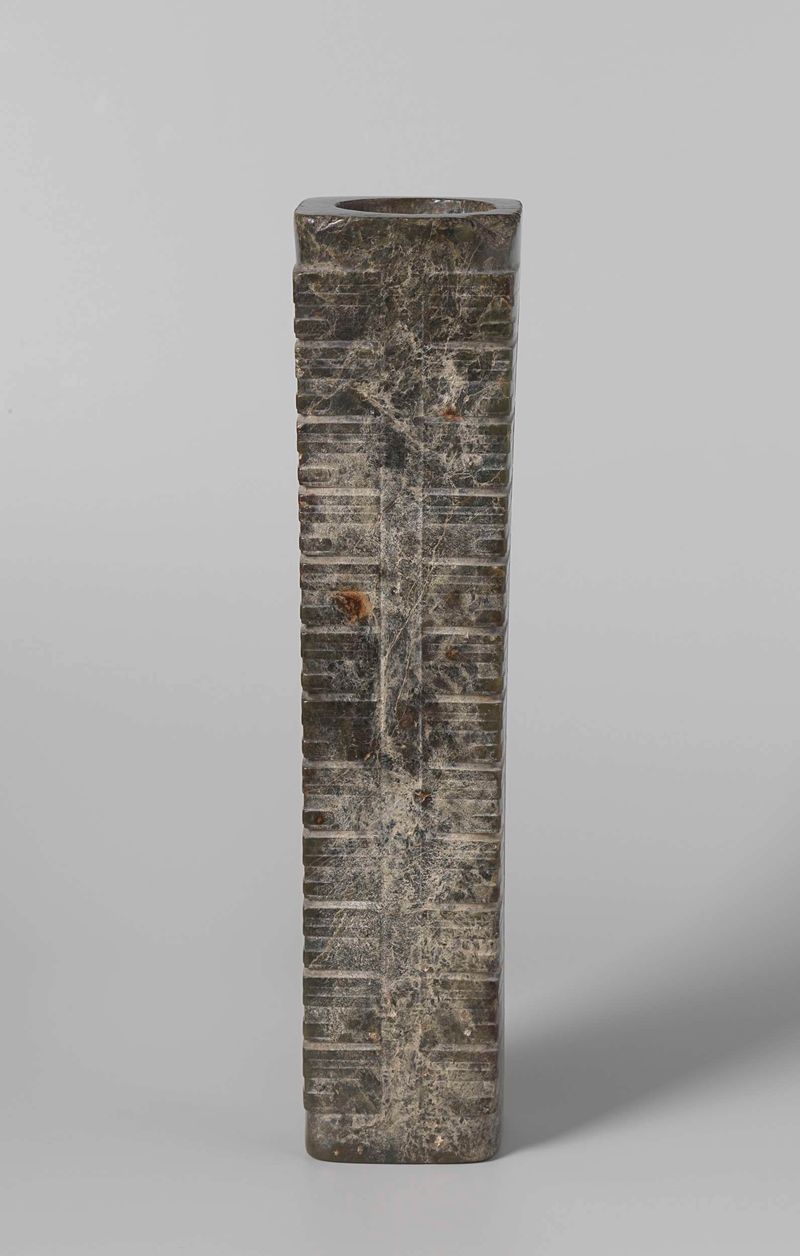
Cong
Unknown Artist
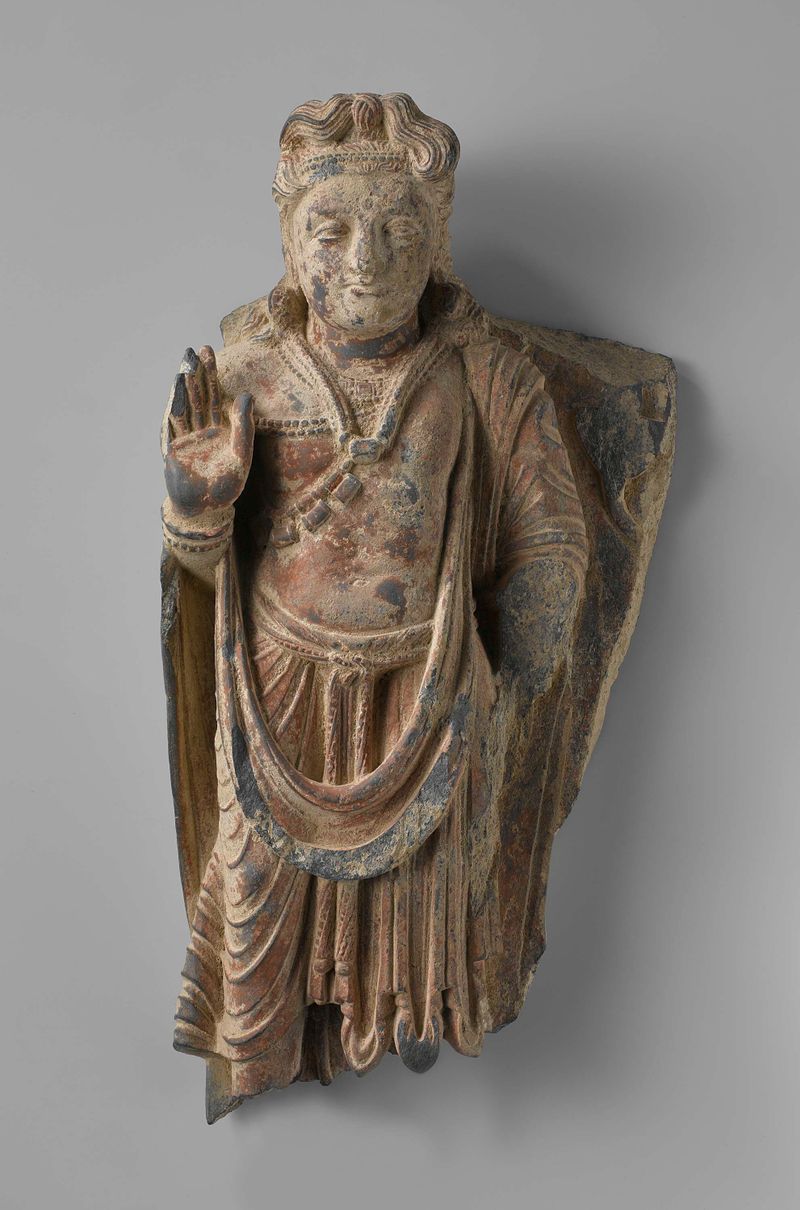
The bodhisattva Maitreya
Unknown Artist
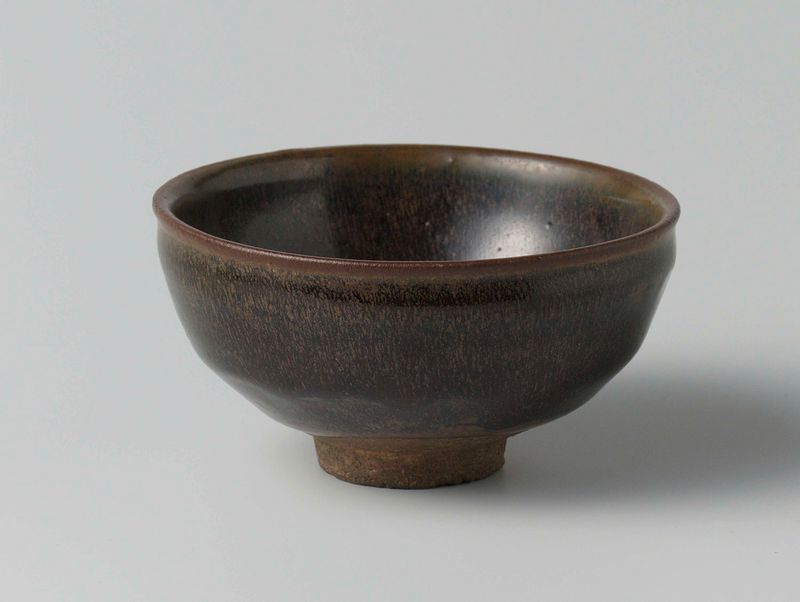
Teabowl with a 'hare's fur' glaze
Unknown Artist





