Syracus — History & Analysis
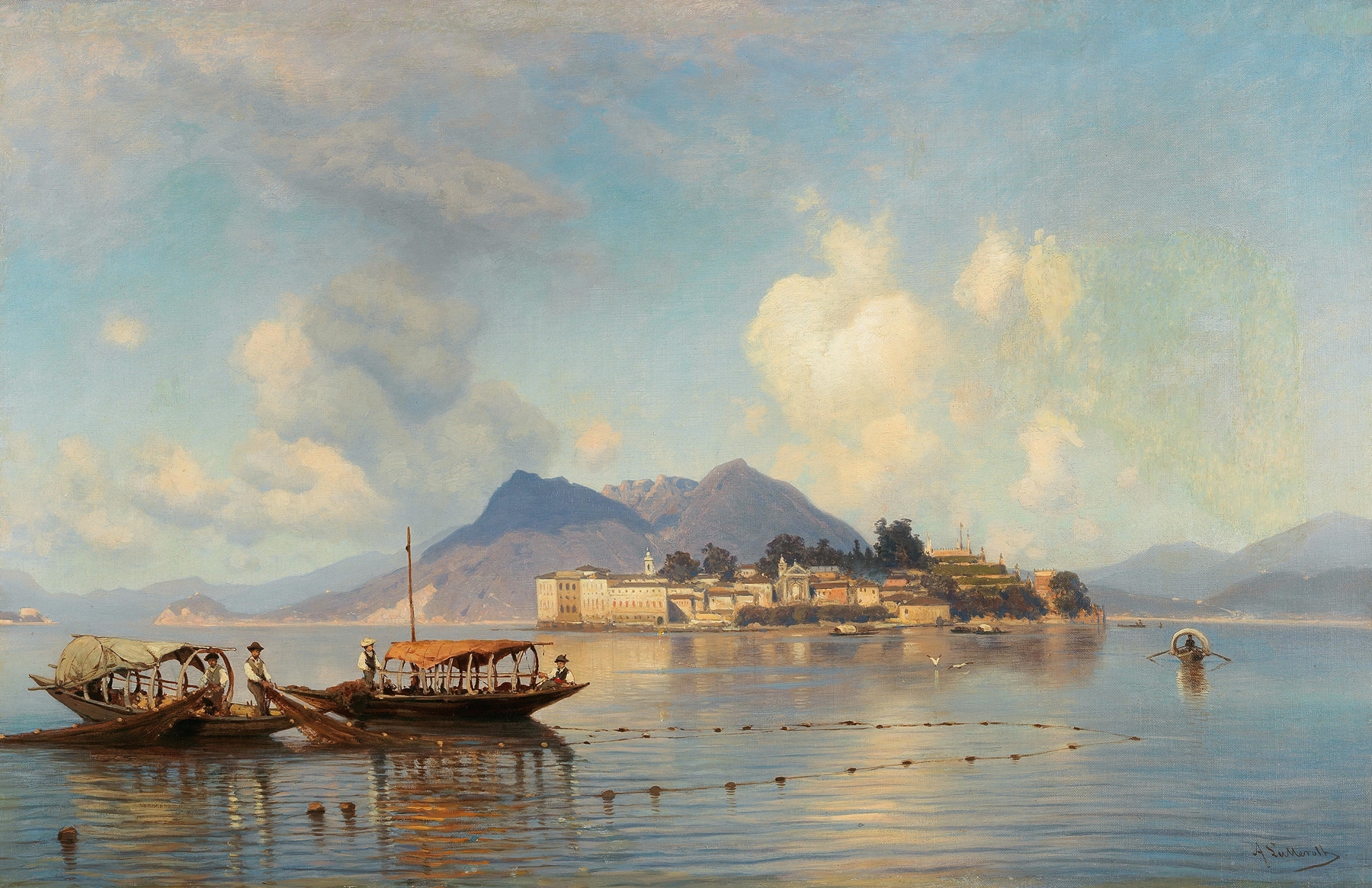
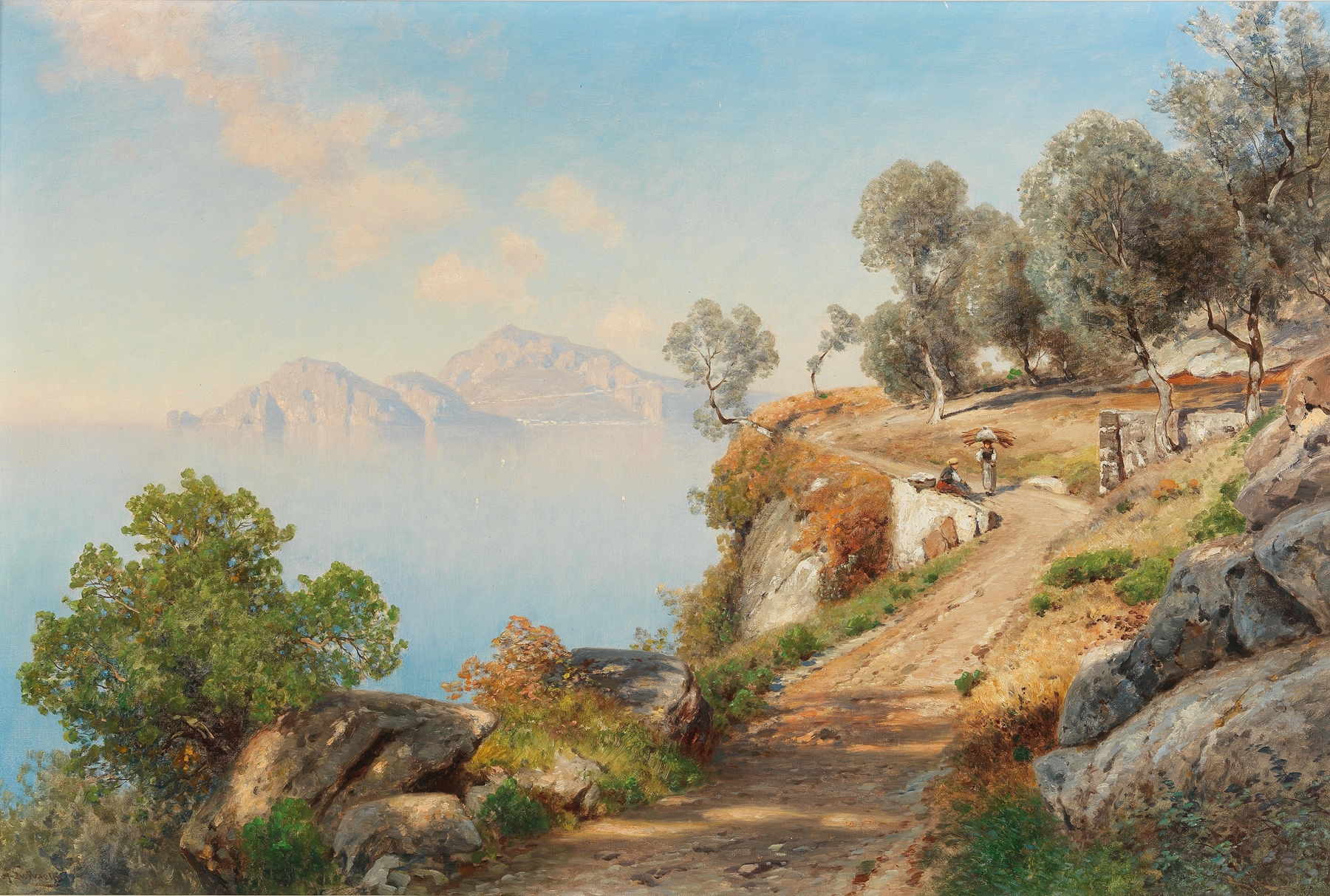
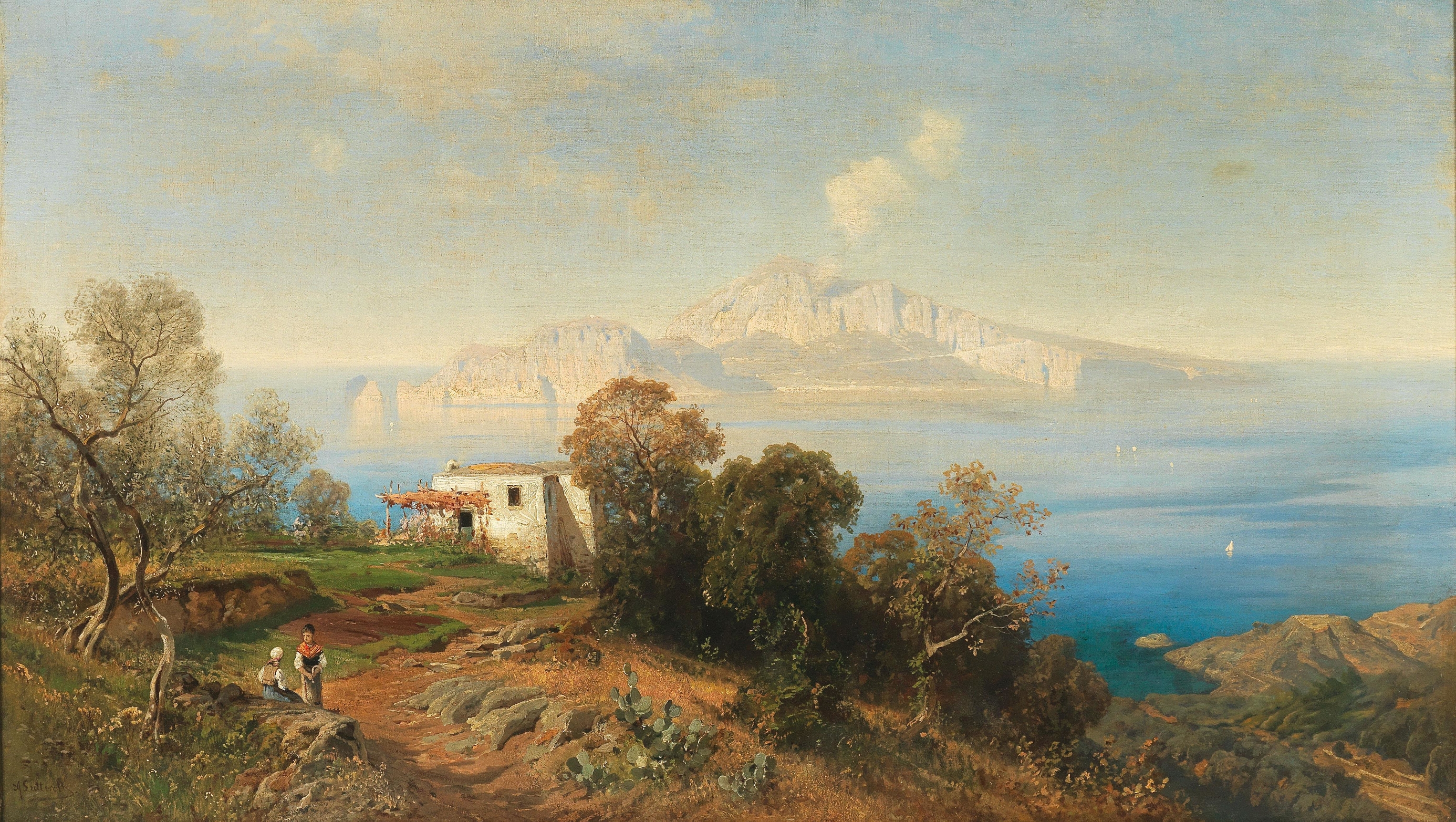
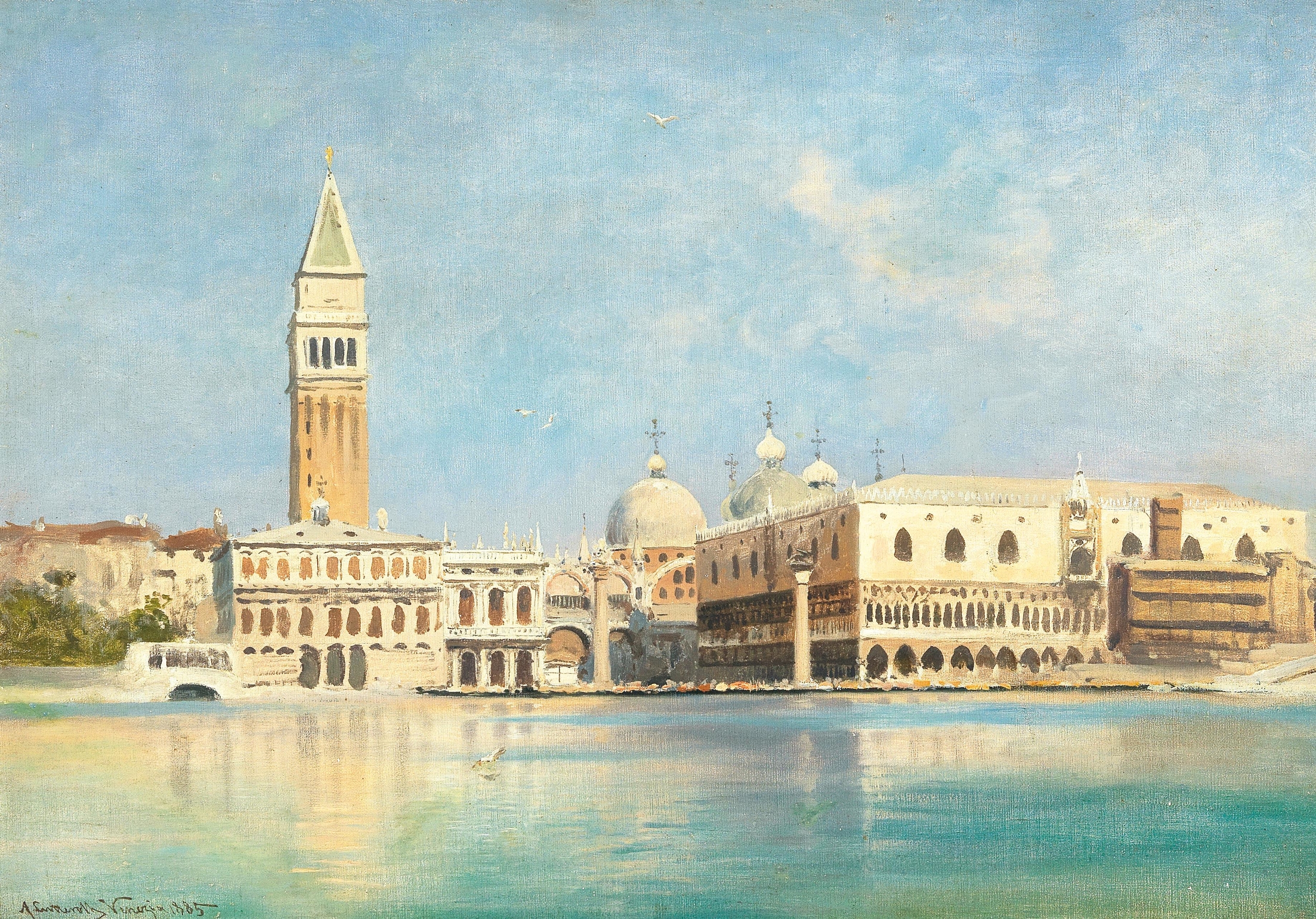
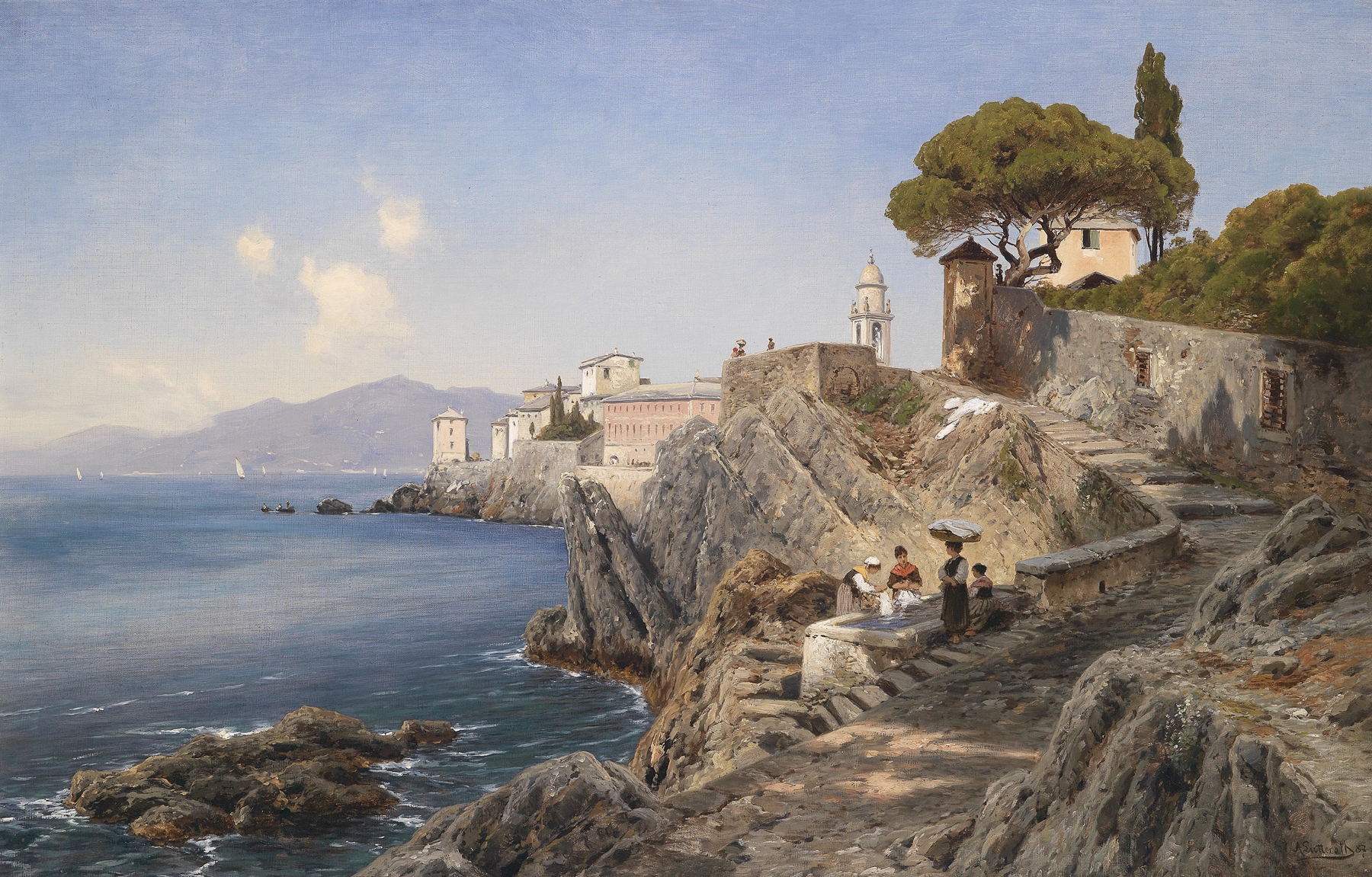
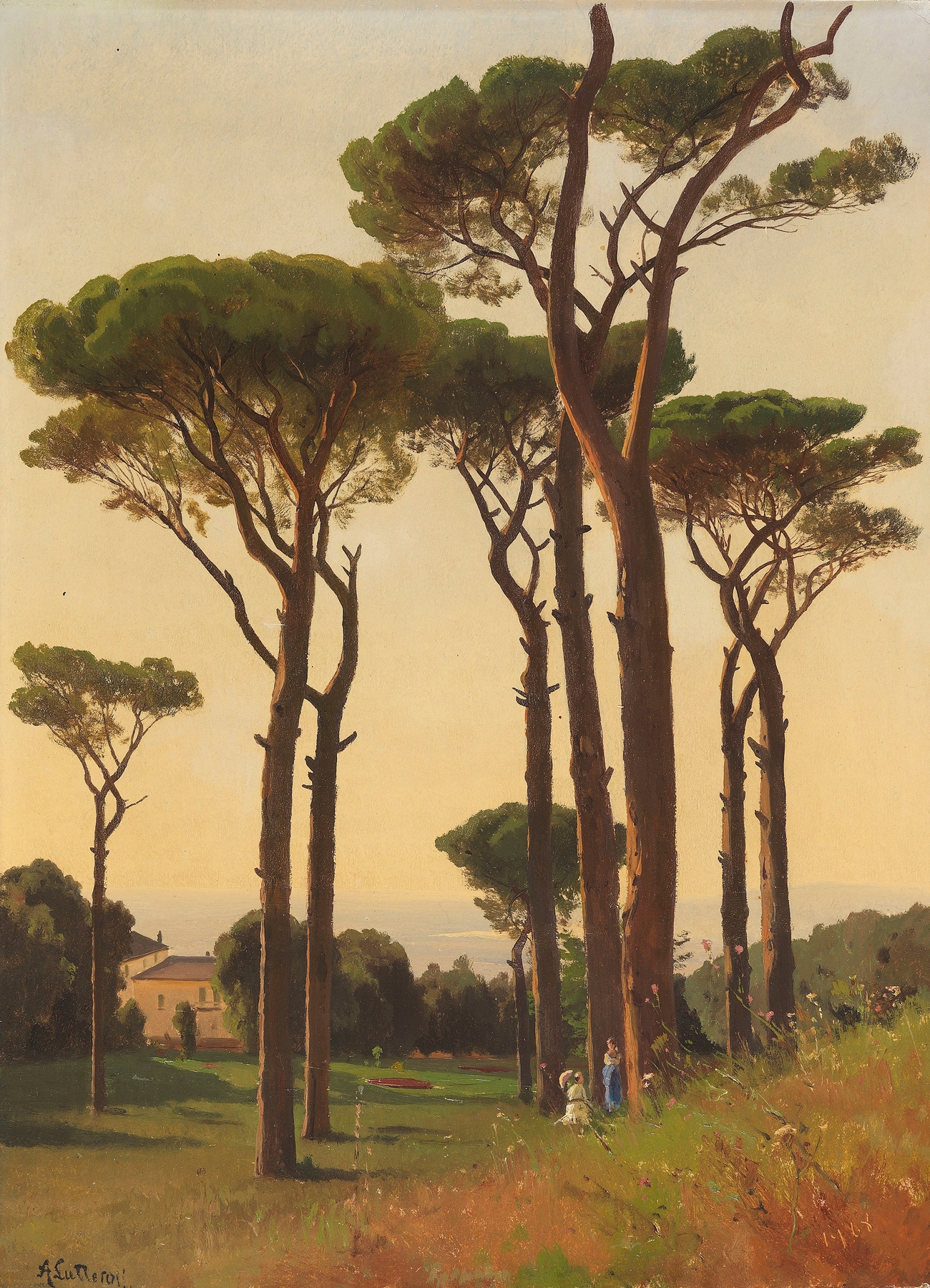
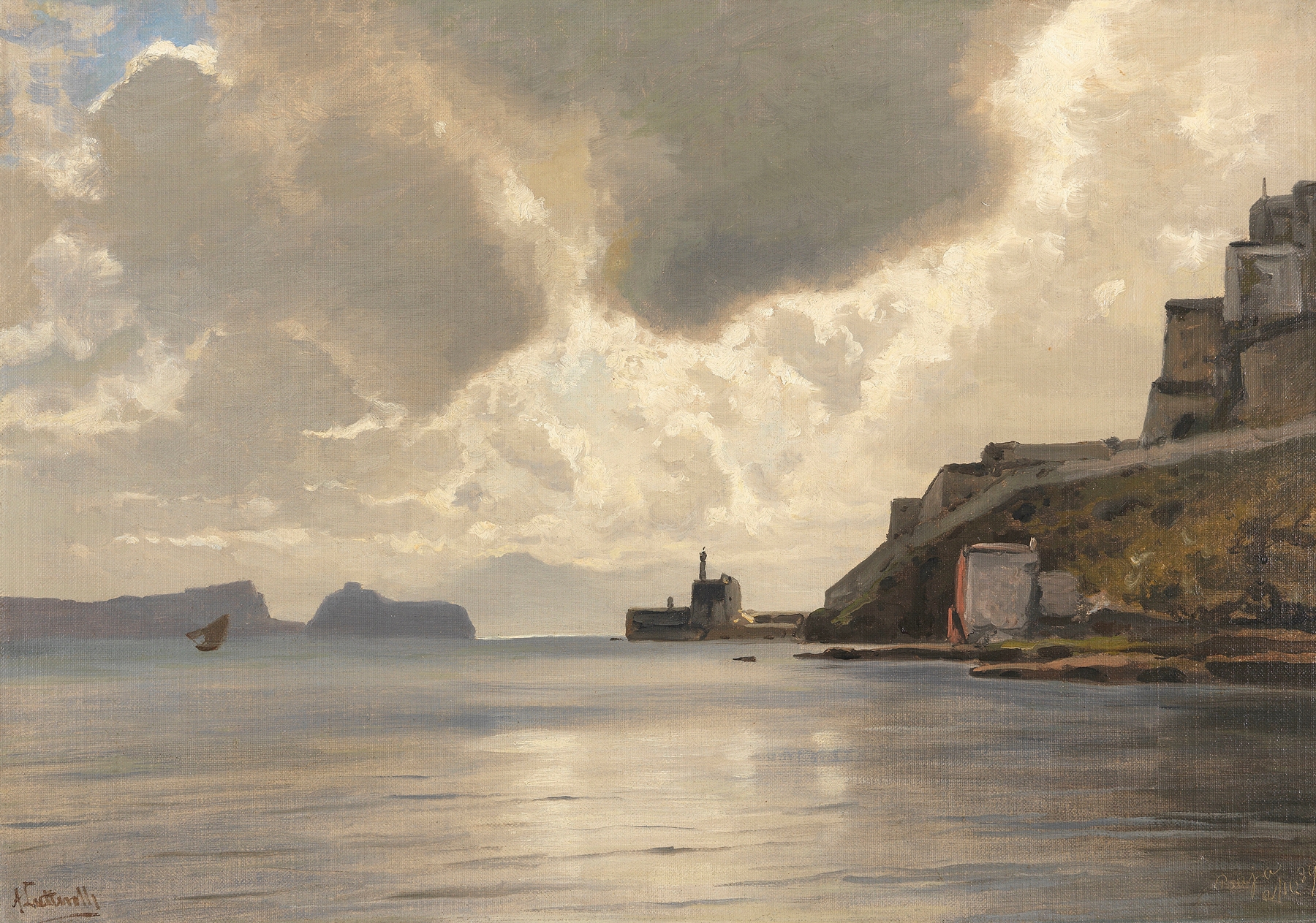
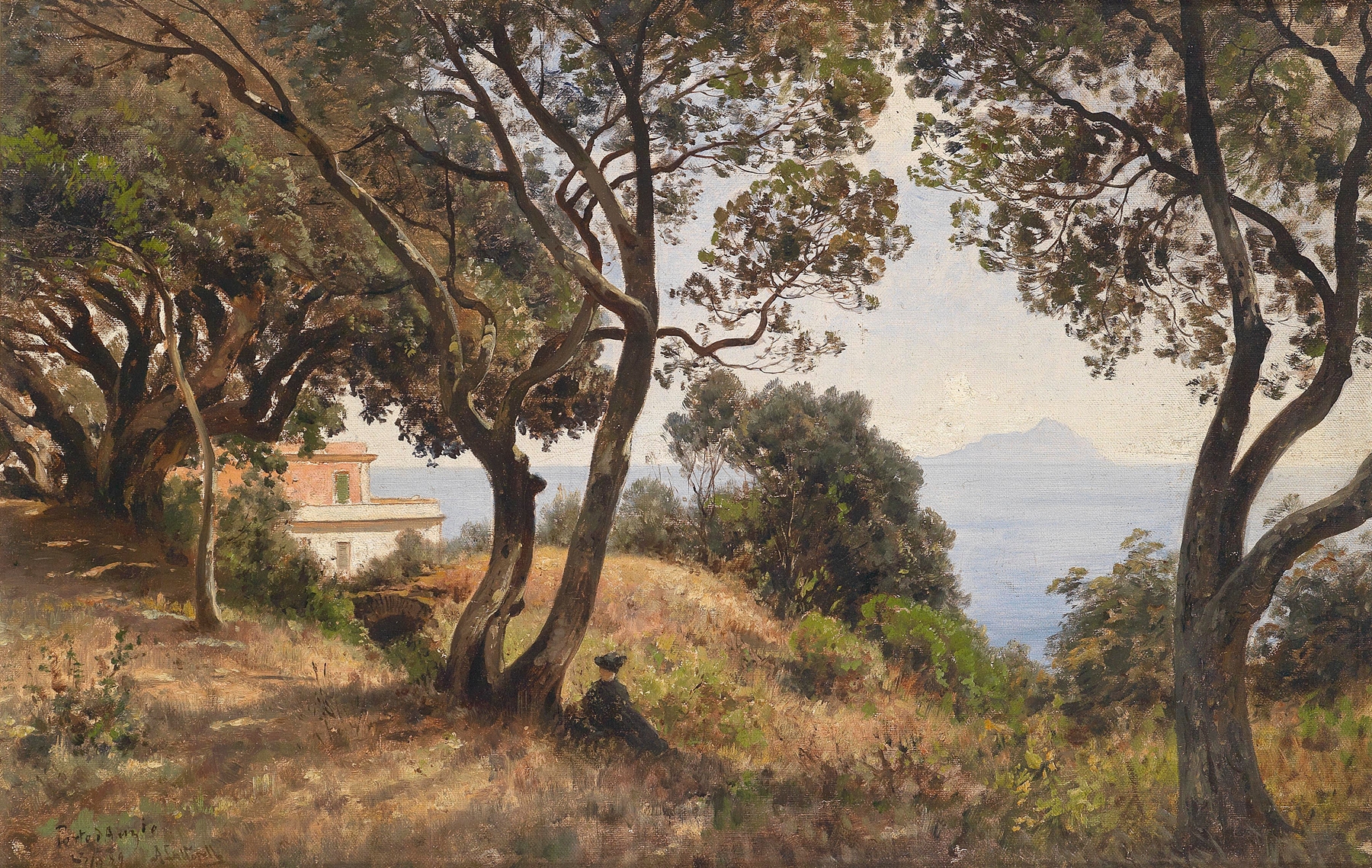
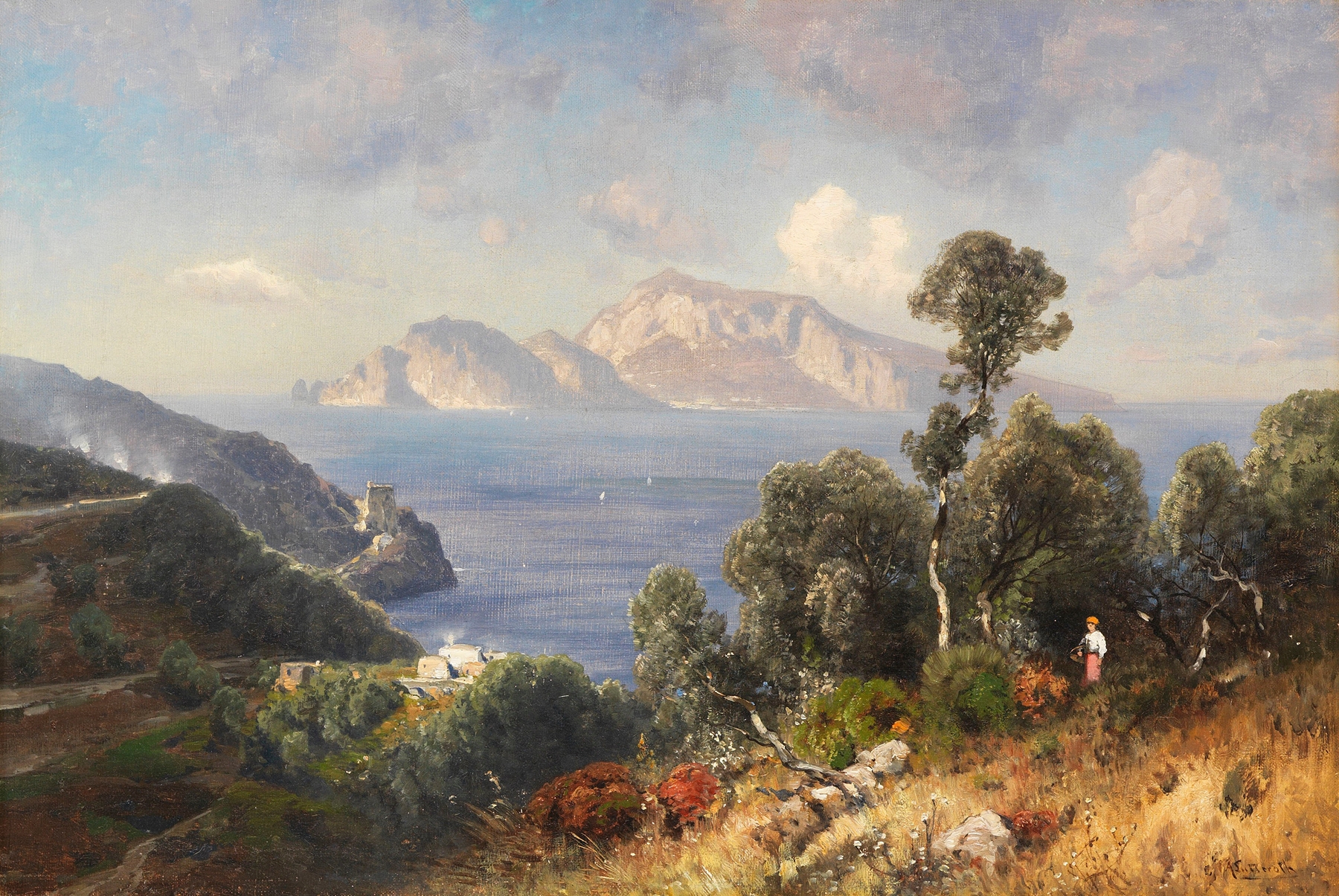
“The canvas doesn’t lie — it simply waits.” In the stillness of memory, colors and forms converge, each brushstroke an echo of a time both cherished and lost. The act of creation becomes a dialogue between the artist and the viewer, inviting introspection and reflection. Focus on the vibrant hues that dominate the canvas, particularly the deep blues and soft whites that swirl like ocean waves, hinting at a distant landscape. Notice how the composition draws your gaze toward the horizon, where the colors meld seamlessly into one another, creating a sense of depth and movement.
The subtle interplay of light and shadow reveals not just the beauty of a scene but the emotion entwined within it, reminiscent of fleeting moments captured in the mind’s eye. Delve into the hidden meanings nestled within the layers of paint. The rhythmic waves not only suggest the Mediterranean shores but also symbolize the ebb and flow of emotions, reflecting the complexities of nostalgia. Small details, like the delicate brushwork at the edges, evoke the fragility of memory itself — beautiful yet impermanent, teasing us with its hints of what once was while reminding us of its inevitable fading.
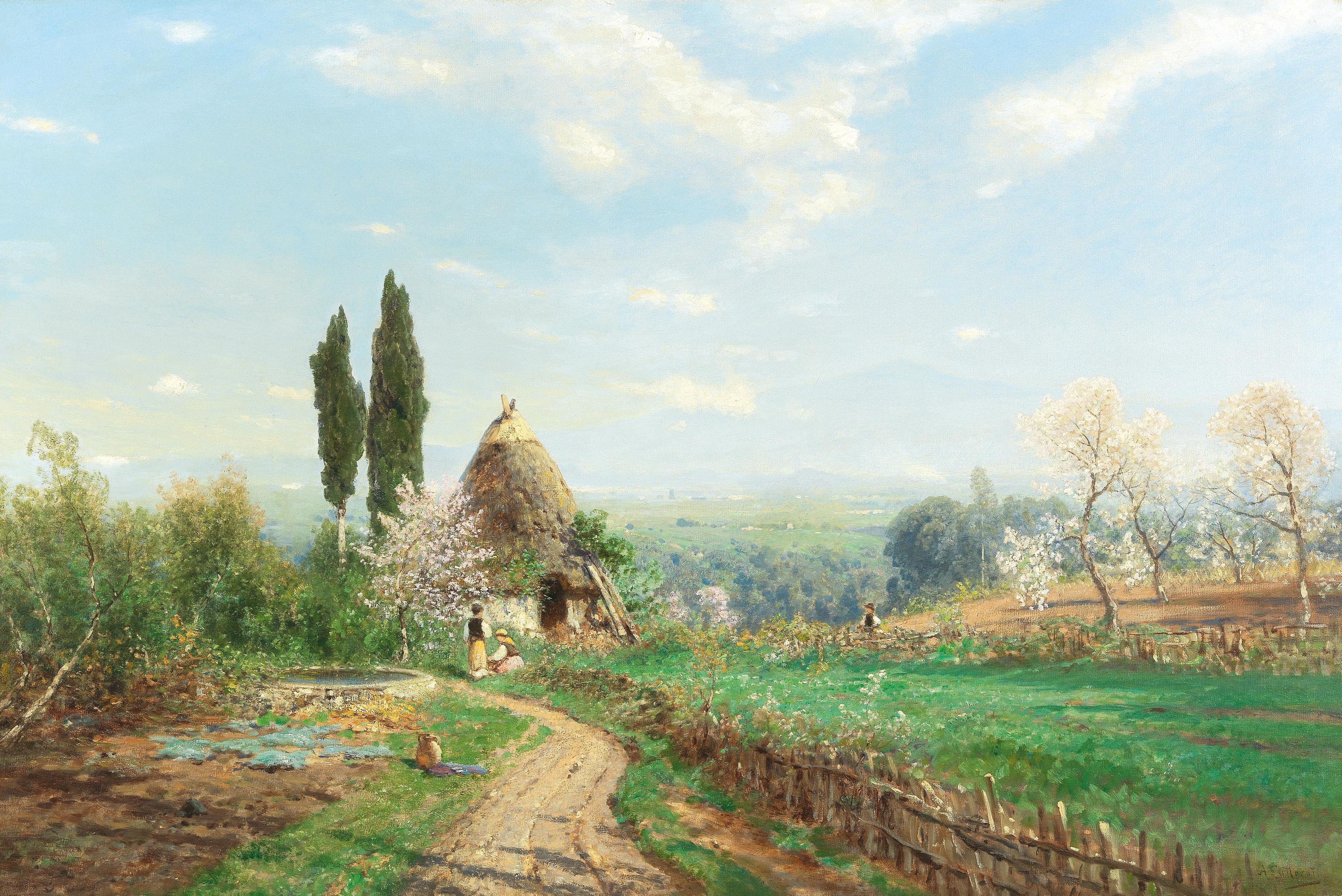
Created in 1900, this work marks a pivotal moment in Ascan Lutteroth’s artistic journey. Living in a time of artistic innovation and growing interest in the emotional resonance of color, he was inspired by the Symbolist movement’s exploration of inner experiences. This painting reflects both his personal reflections and the broader artistic currents of the era, capturing a unique blend of memory and emotion on his canvas.