Discover insights about this artwork
Tahitian Shore — History & Facts
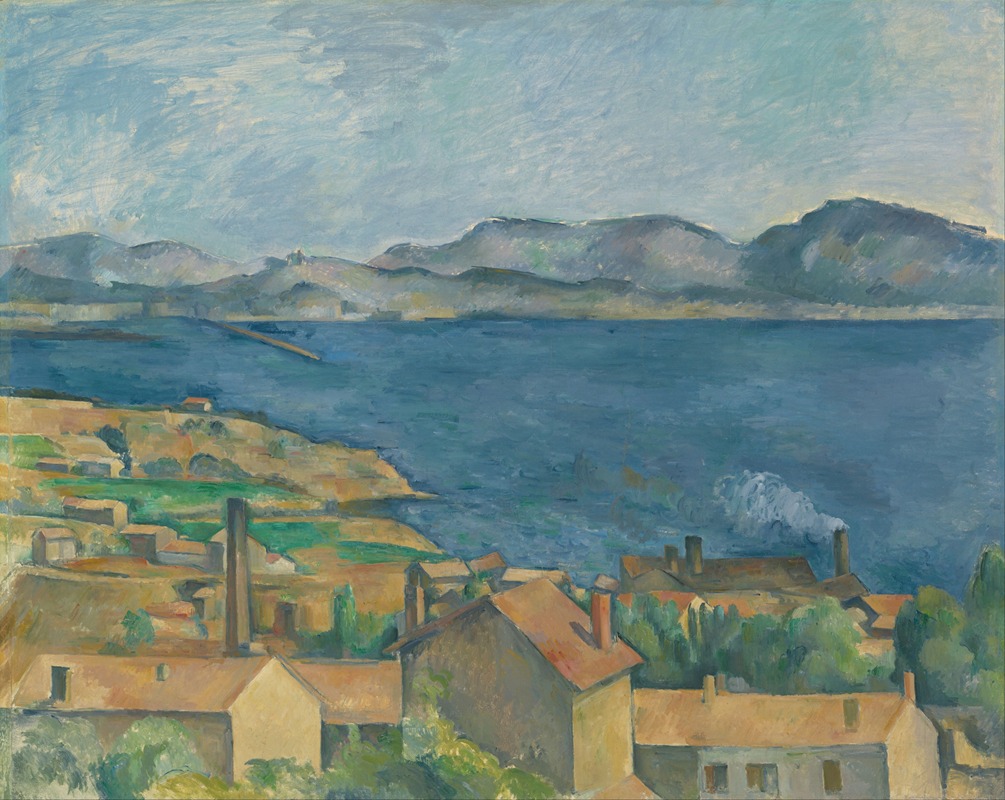
In Tahitian Shore, Paul Gauguin captures a vibrant coastal scene filled with rich colors. The painting features deep blues and greens of the ocean, contrasted with warm sandy tones. Tropical vegetation frames the shoreline, creating a lush and inviting atmosphere.
Figures can be seen in the foreground, possibly engaged in daily activities, adding life to the serene landscape. The painting is executed in oil on canvas, a medium that allows for the vivid color palette Gauguin is known for. The brushwork is expressive, with bold strokes that enhance the sense of movement in the water and foliage. The composition is balanced, drawing the viewer's eye across the canvas from the foreground to the horizon.
Gauguin's use of color and form reflects his Post-Impressionist style, moving away from realism. Paul Gauguin painted Tahitian Shore during his time in Tahiti, where he sought to escape European society. This work exemplifies his fascination with the South Pacific and its culture, which he idealized in his art. Interestingly, Gauguin's time in Tahiti was marked by both inspiration and personal turmoil, influencing his creative output.
The painting is now housed in the Musee d'Orsay, showcasing his significant contributions to Post-Impressionism.
More Artworks by Paul Gauguin
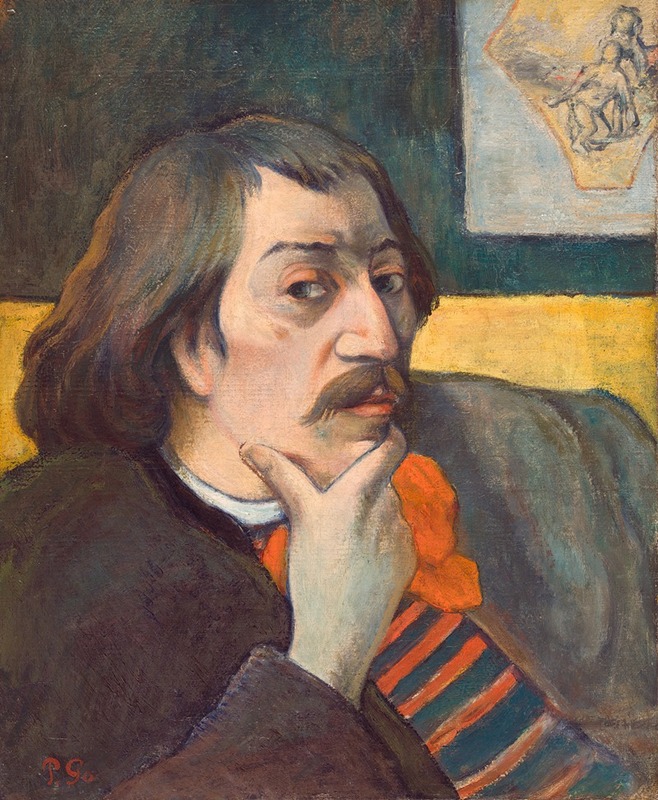
Self Portrait
Paul Gauguin
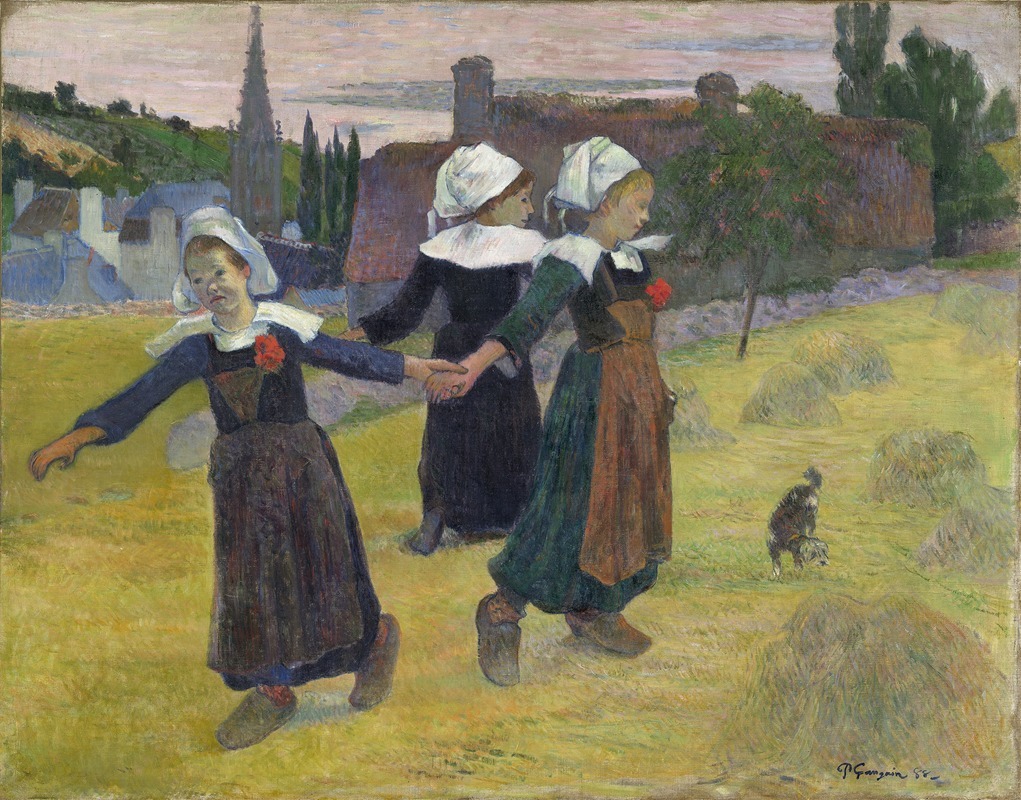
Breton Girls Dancing,Pont-Aven
Paul Gauguin
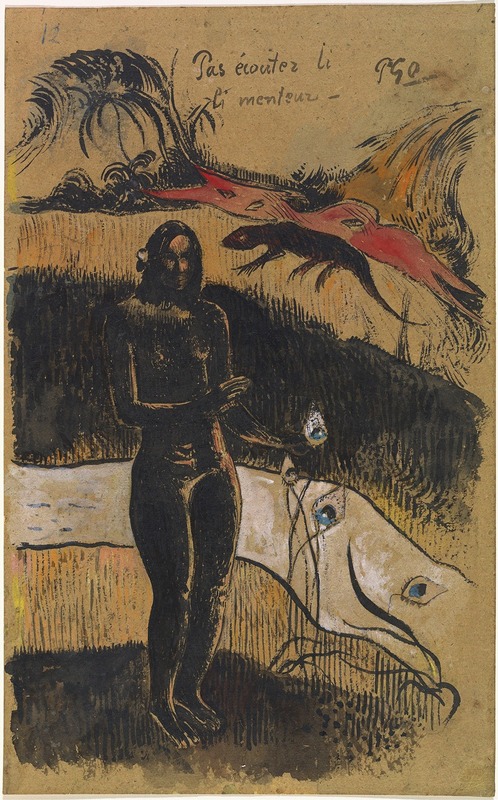
Nave Nave Fenua
Paul Gauguin
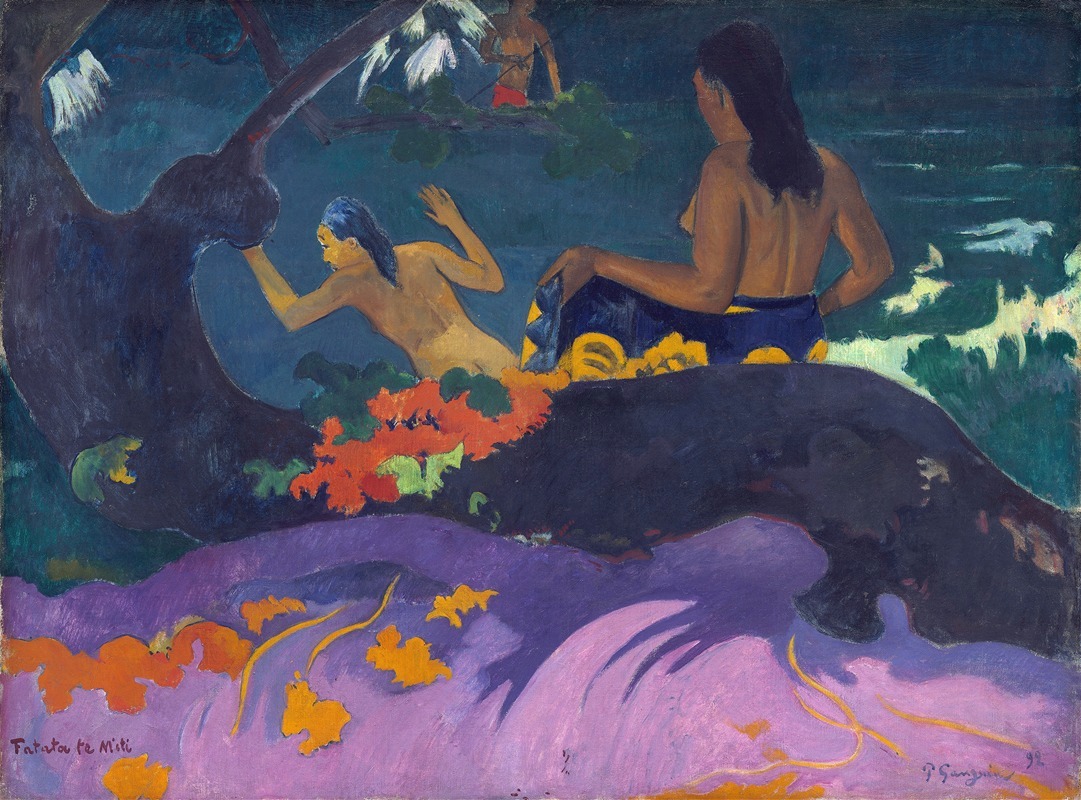
Fatata te Miti (By the Sea)
Paul Gauguin
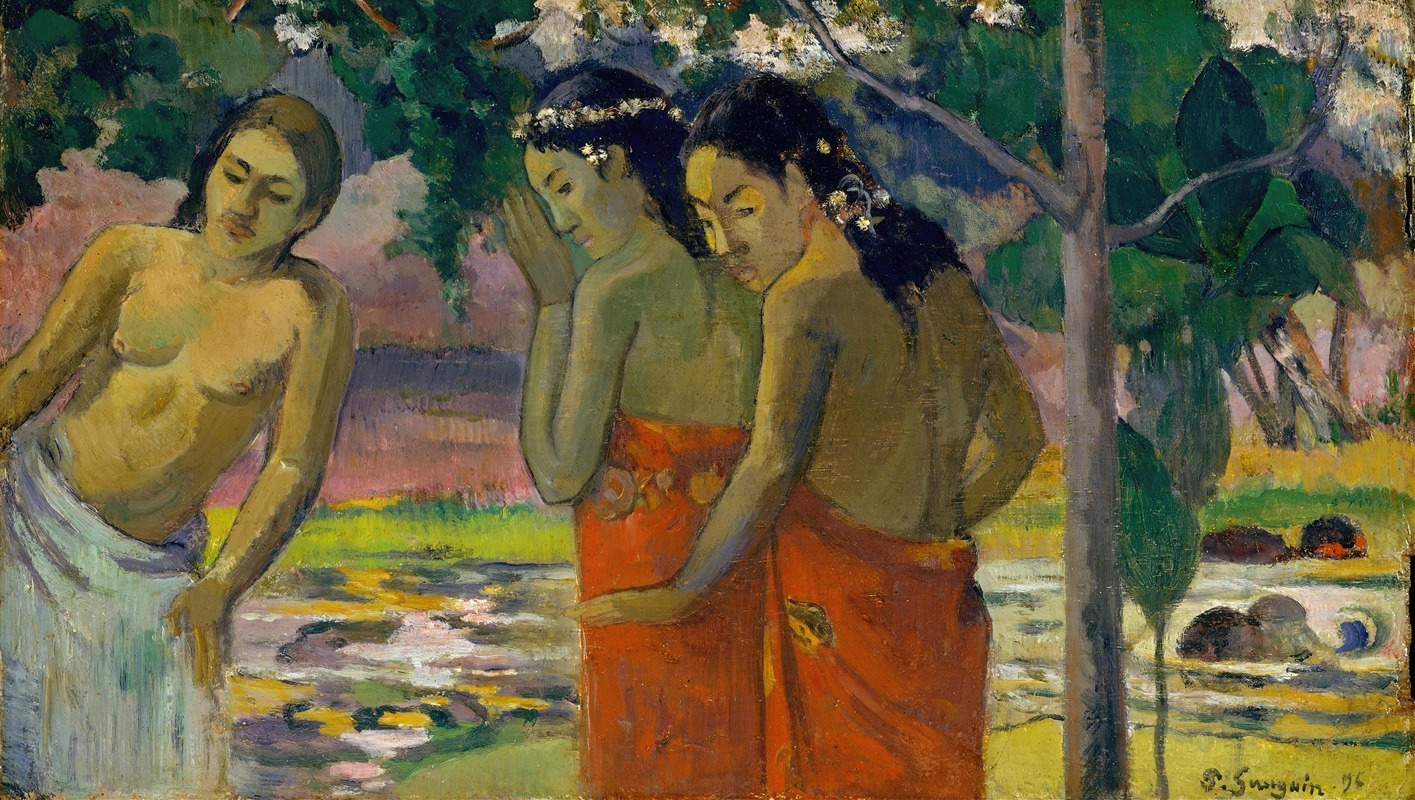
Three Tahitian Women
Paul Gauguin
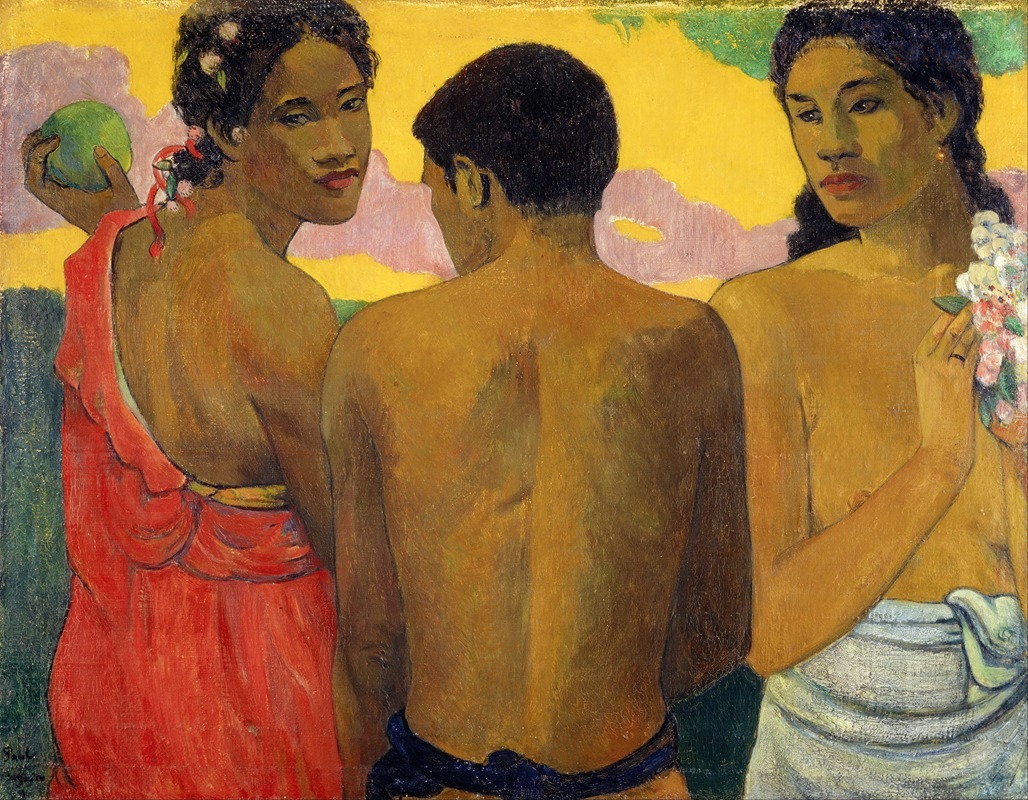
Three Tahitians
Paul Gauguin
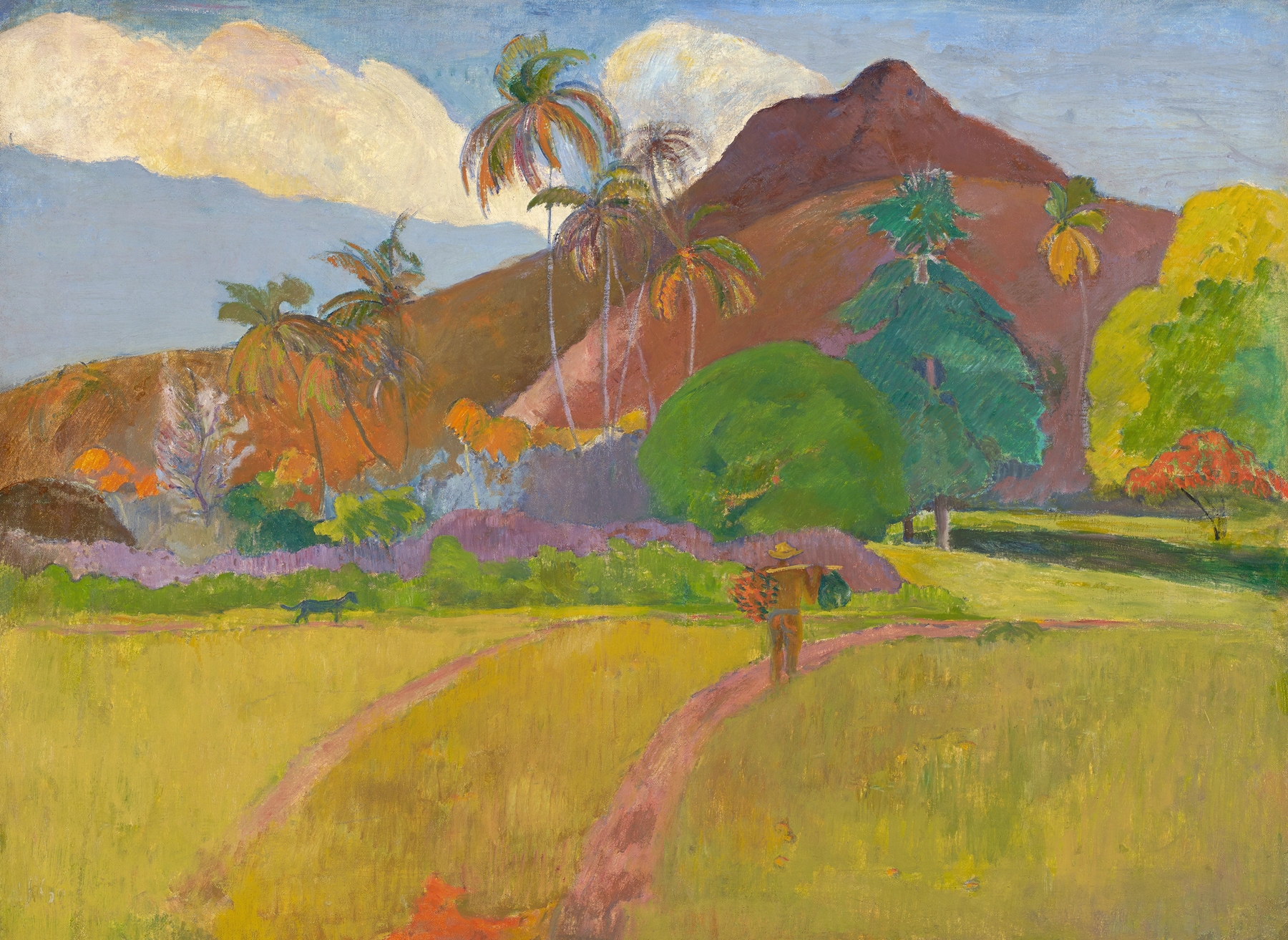
Tahitian Landscape
Paul Gauguin
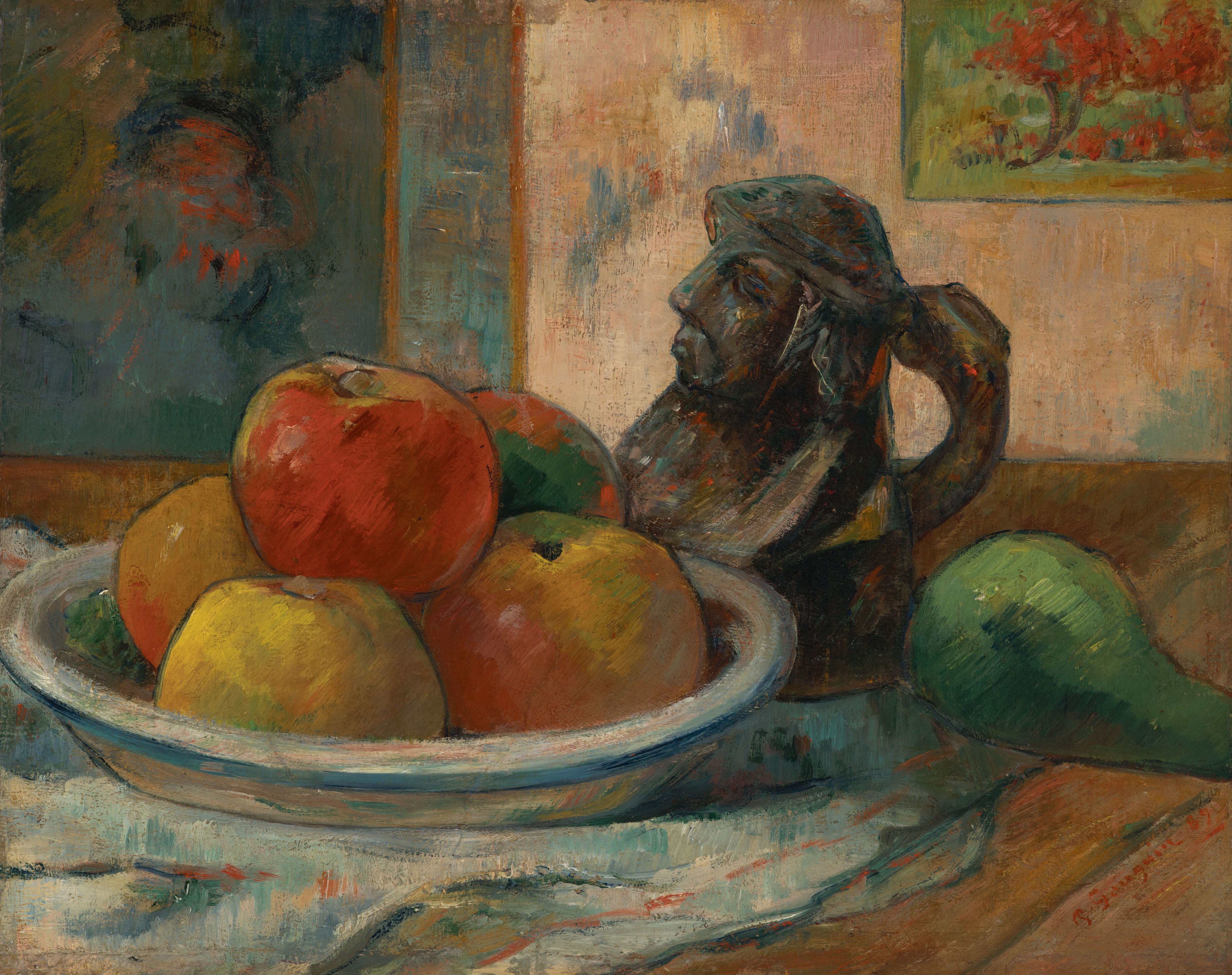
Still Life with Apples, a Pear, and a Ceramic Portrait Jug
Paul Gauguin
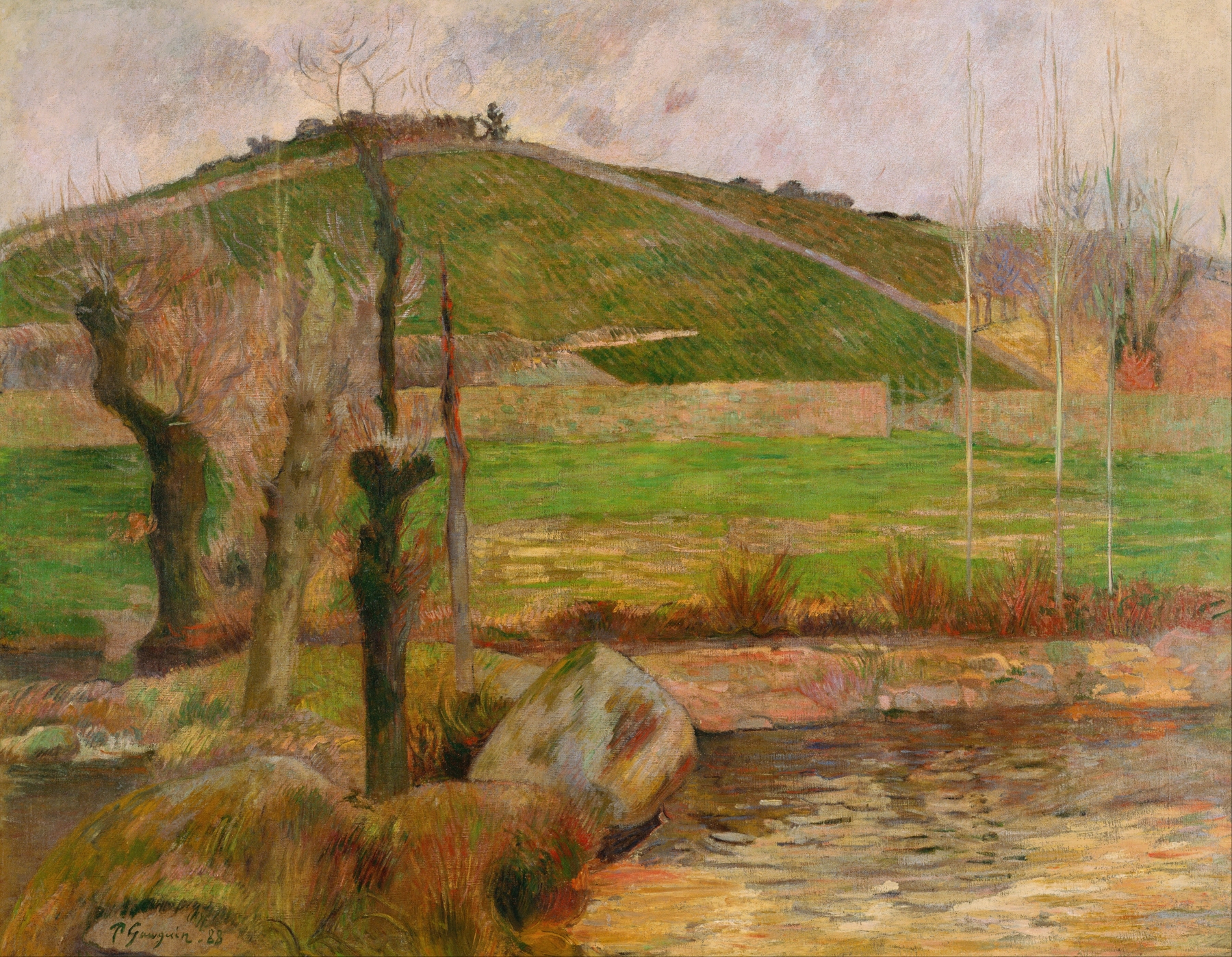
Landscape near Pont-Aven
Paul Gauguin

No te aha oe riri (Why Are You Angry?)
Paul Gauguin