
Tahitian War Galleys in Matavai Bay, Tahiti — History & Facts
What if beauty was never meant to be finished? In the endless embrace of the ocean's horizon, we find a moment where nature and humanity converge, captured forever in stillness. Look to the center of the composition, where the graceful galleys rest, their wooden forms adorned with vibrant sails. Notice how the sunlight dances on the water's surface, casting shimmering reflections that breathe life into the scene. The rich blues and greens of the landscape contrast with the warm browns of the vessels, revealing the harmony between the natural world and human craftsmanship.
Each stroke reveals a meticulous attention to detail, inviting the eye to wander through the delicate textures of the galleys as they seem to sway gently against the backdrop of the lush, tropical paradise. The juxtaposition of the serene water and the poised war vessels speaks to a duality of existence—a moment of beauty tinged with the reminder of conflict. The painting encapsulates the tension between the tranquil allure of Tahiti and the purpose of these ships, poised for battle yet resting in a moment of peace. One can sense the anticipation, the unspoken stories of adventure and strife that linger in the air, suggesting that beauty is not merely aesthetic, but also an enigma filled with complexity. During the late 18th century, the artist painted this piece after accompanying Captain James Cook on his voyages to the South Pacific.
The era was marked by exploration and discovery, revealing not just landscapes but cultures as well. Hodges, influenced by the Romantic movement, sought to depict the sublime beauty of these distant lands, reflecting both his artistic aspirations and the transformative moment in the history of exploration.
More Artworks by William Hodges
Browse all →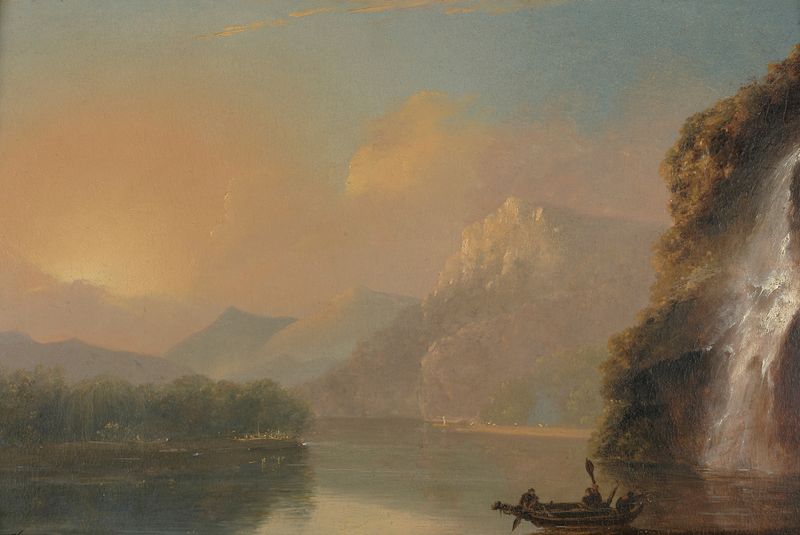
Waterfall in Dusky Bay with Maori canoe
William Hodges
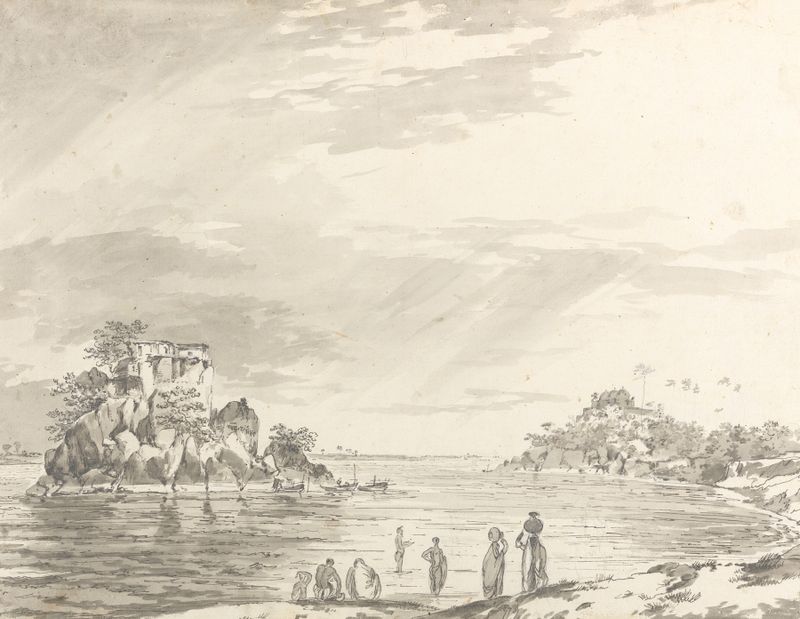
Original Drawings for Choix de Vues de L’Inde and Others Pl.15
William Hodges
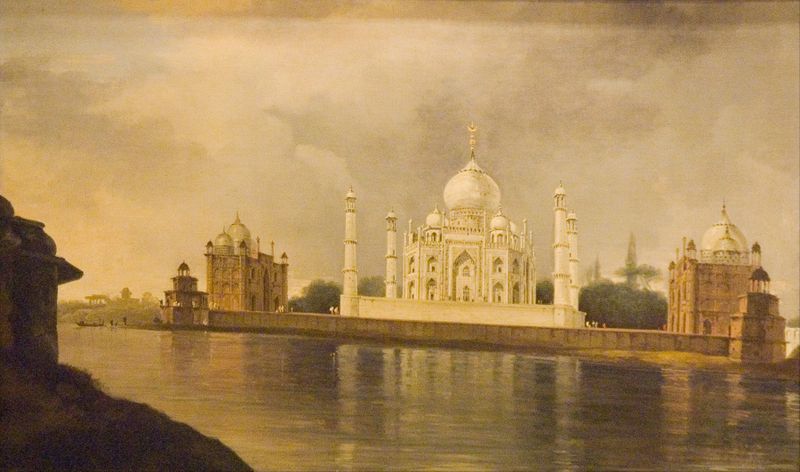
The Taj Mahal
William Hodges
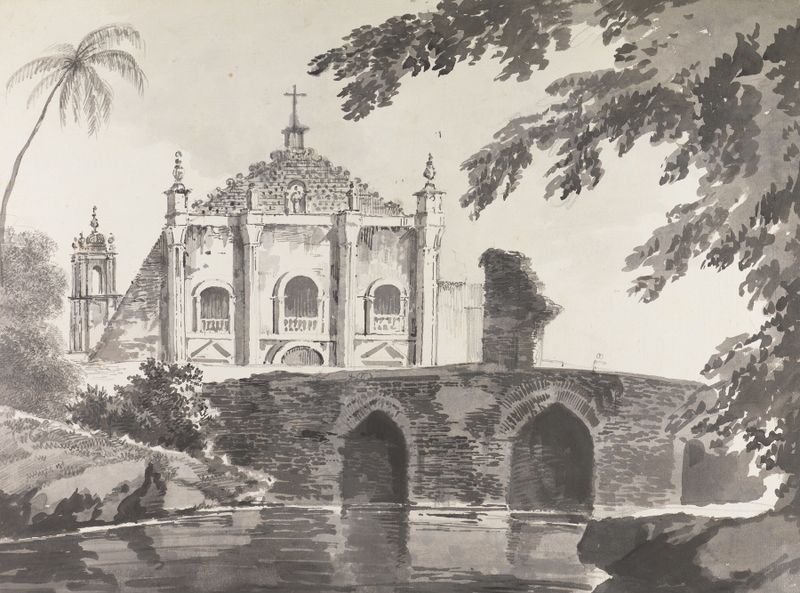
Original Drawings for Choix de Vues de L’Inde and Others Pl.50
William Hodges
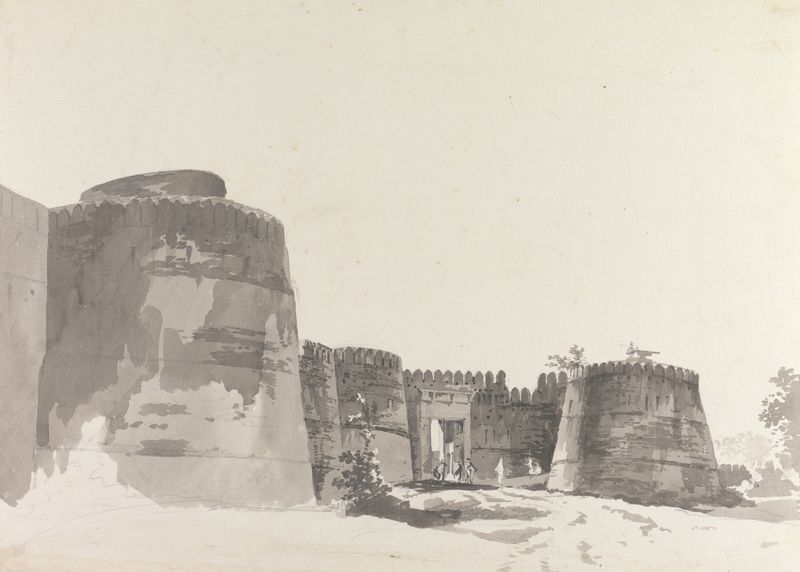
Original Drawings for Choix de Vues de L’Inde and Others Pl.34
William Hodges
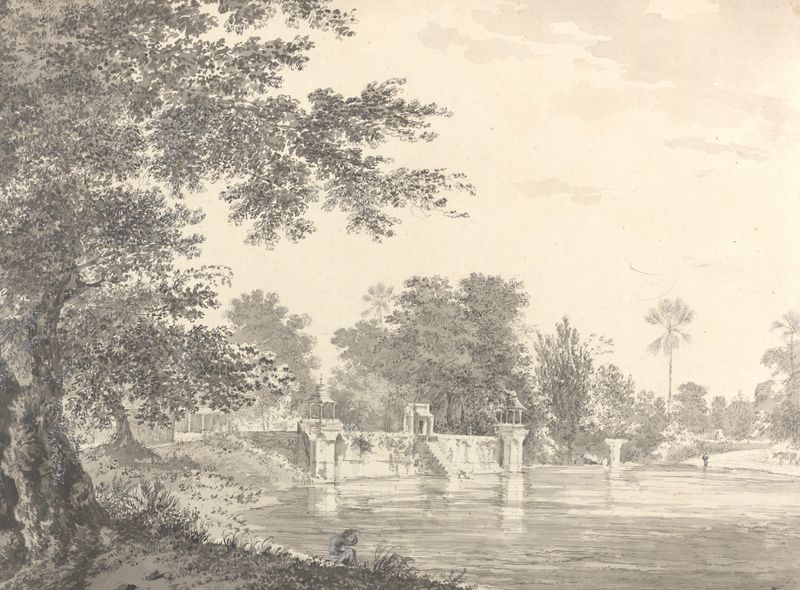
Original Drawings for Choix de Vues de L’Inde and Others Pl.03
William Hodges
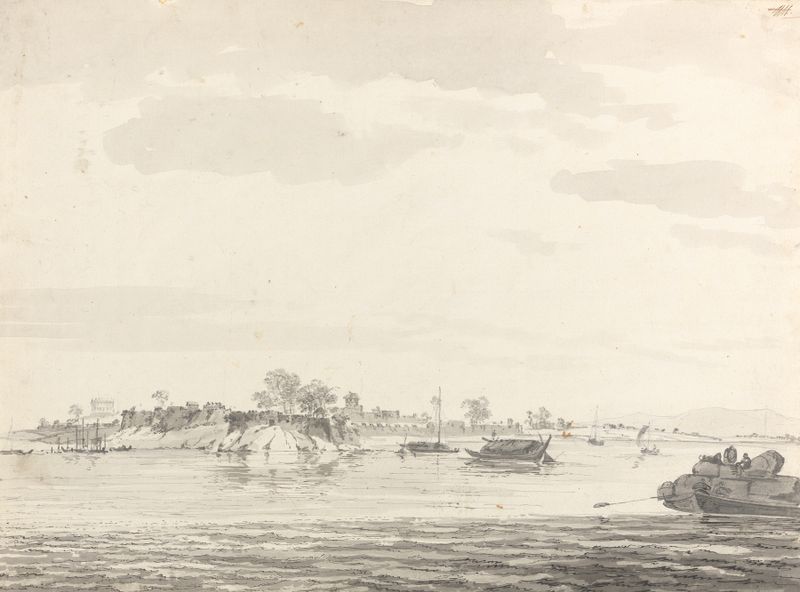
Original Drawings for Choix de Vues de L’Inde and Others Pl.18
William Hodges
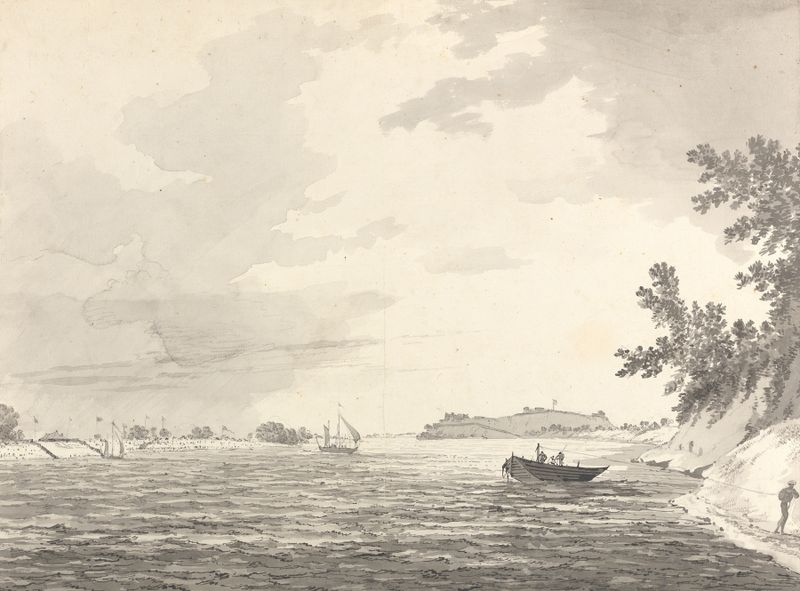
Original Drawings for Choix de Vues de L’Inde and Others Pl.10
William Hodges
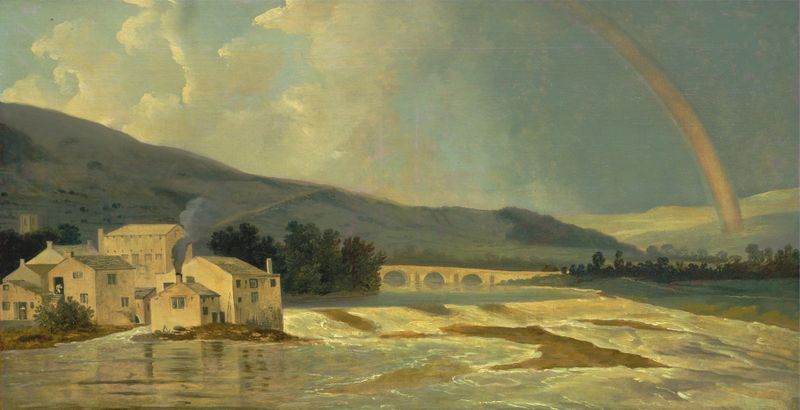
Otley Bridge on the River Wharfe
William Hodges
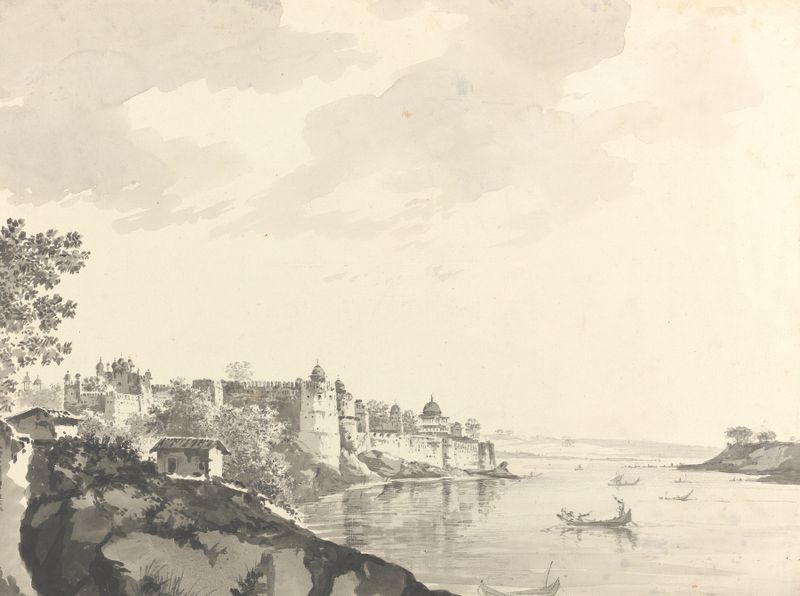
Original Drawings for Choix de Vues de L’Inde and Others Pl.08
William Hodges





