
Tarn in Telemark — History & Facts
Did the painter know this moment would outlive them? In Tarn in Telemark, a chaotic interplay of nature unfolds, capturing an essence that transcends time. Focus on the swirling clouds above the serene tarn, where the tumult of the sky reflects a hidden turmoil. Observe the crisp lines of the mountains that form a sharp contrast to the fluidity of the water below, creating a sense of both stability and uncertainty. The palette is rich with deep greens and blues, punctuated by the occasional splash of warmth, hinting at life amidst the untouched wilderness.
Cappelen’s brushwork, alive with texture, draws the viewer’s eye to the horizon, inviting contemplation of both the vastness and the intimacy of this tranquil yet tumultuous scene. As you delve deeper, consider the duality present in the reflection on the water's surface. It embodies a serene beauty that belies the chaos of the swirling clouds and the rugged terrain. This juxtaposition speaks to the unpredictable nature of existence, where calmness and chaos coexist, forcing us to confront our perceptions of peace.
The artist captures not just a landscape, but an emotional resonance that invites viewers to grapple with the complexities of the natural world. August Cappelen created Tarn in Telemark in 1852, during a time when Romanticism influenced artists across Europe. Working in Norway, he sought to express the profound beauty and sometimes savage power of the landscapes he loved. This period was marked by a growing interest in nature and its emotional impact, and Cappelen’s work reflects this fascination while contributing to the larger narrative of 19th-century art.
More Artworks by August Cappelen
Browse all →
Landscape Study with a Precipice
August Cappelen
Wood near Ulefoss
August Cappelen

Forest Study
August Cappelen
Waterfall in Telemark
August Cappelen
Waterfall in Telemark, Study for Inv.No. 427
August Cappelen
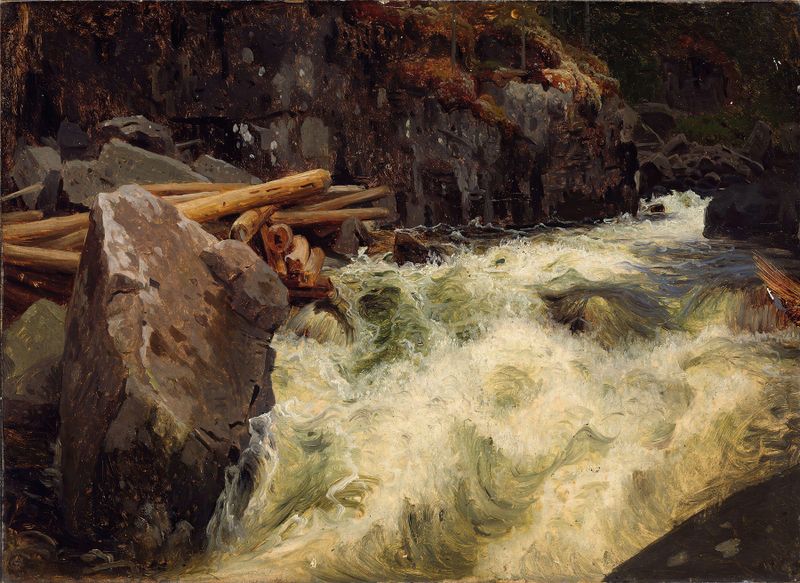
Study of a Waterfall
August Cappelen
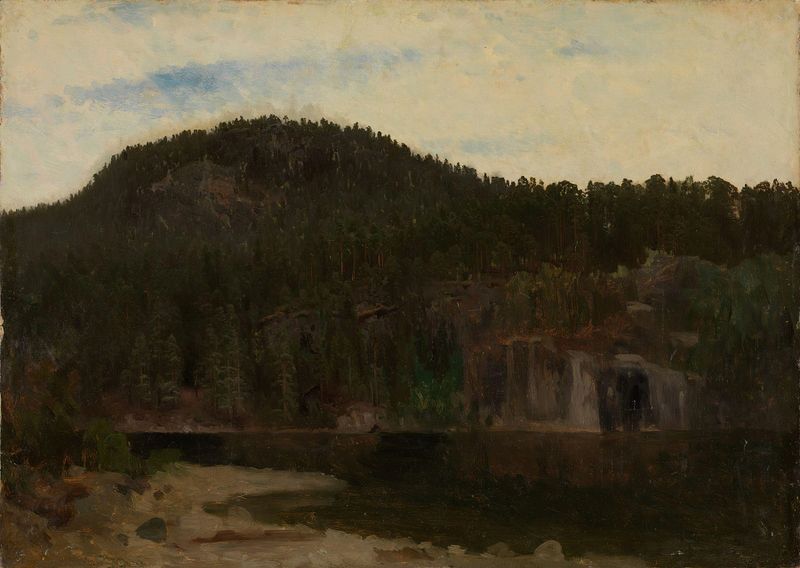
Landscape Study with a Lake
August Cappelen

Study of a Wood
August Cappelen

Study of a Rock
August Cappelen
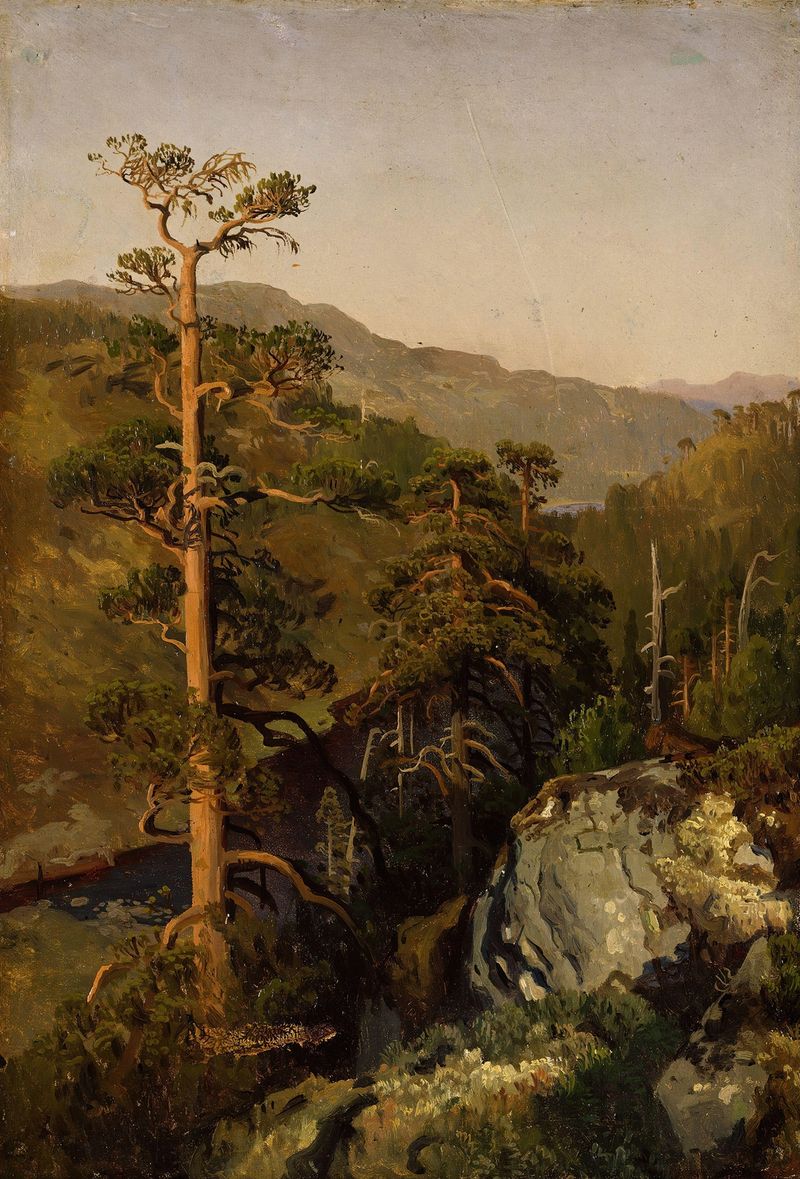
Rocky Landscape with Pinetrees
August Cappelen





