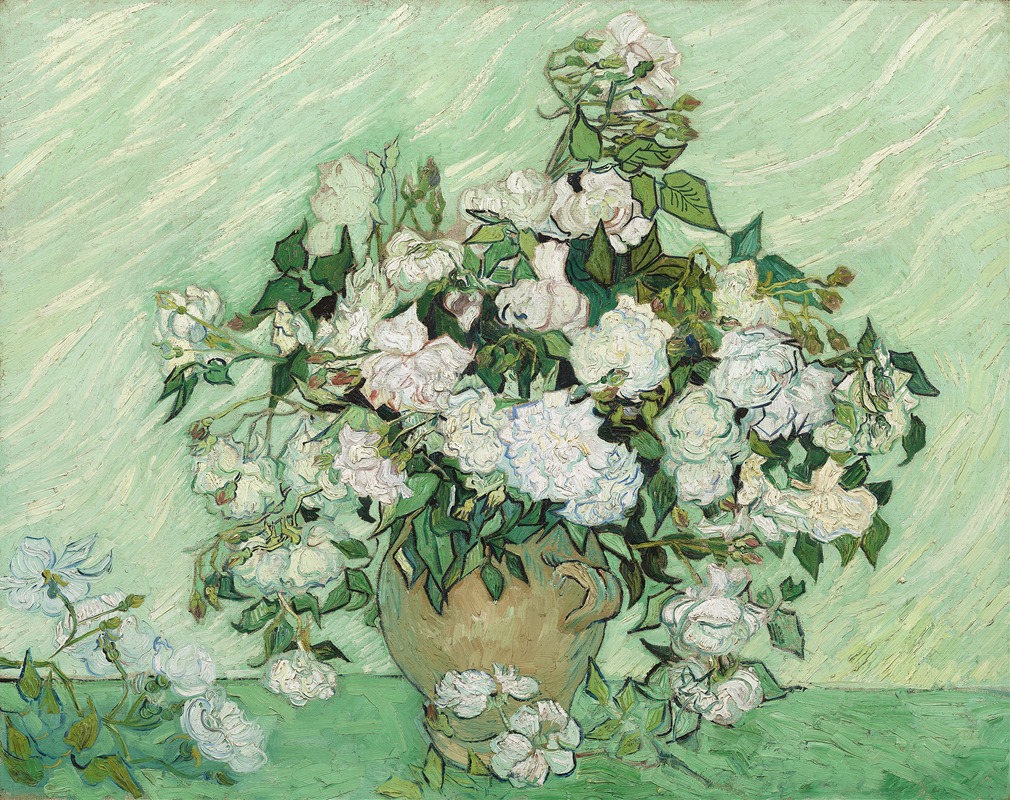
Discover insights about this artwork
Tassel hyancinth — History & Facts
In Tassel hyacinth, Vincent van Gogh captures the beauty of the hyacinth flower with vibrant colors. The painting features rich blues and purples, creating a striking contrast against the lighter background. The brushstrokes are energetic and expressive, typical of Van Gogh's style.
The composition focuses on the flower, drawing the viewer's attention to its intricate details. This artwork is executed in oil on canvas, showcasing Van Gogh's characteristic thick application of paint. The dimensions are approximately 60 x 80 cm, making it a medium-sized piece. The texture of the paint adds depth and movement to the flowers, enhancing their visual impact.
The use of color and form reflects the Post-Impressionist style, emphasizing emotion over realism. Vincent van Gogh created Tassel hyacinth during a period of intense creativity in the 1880s. This work is part of his exploration of botanical subjects, where he often depicted flowers with a unique emotional resonance. An interesting fact about this painting is that it exemplifies Van Gogh's fascination with color theory, as he used complementary colors to enhance the vibrancy of the hyacinth.
Today, it resides in the Van Gogh Museum, where it continues to inspire visitors.
More Artworks by Vincent van Gogh
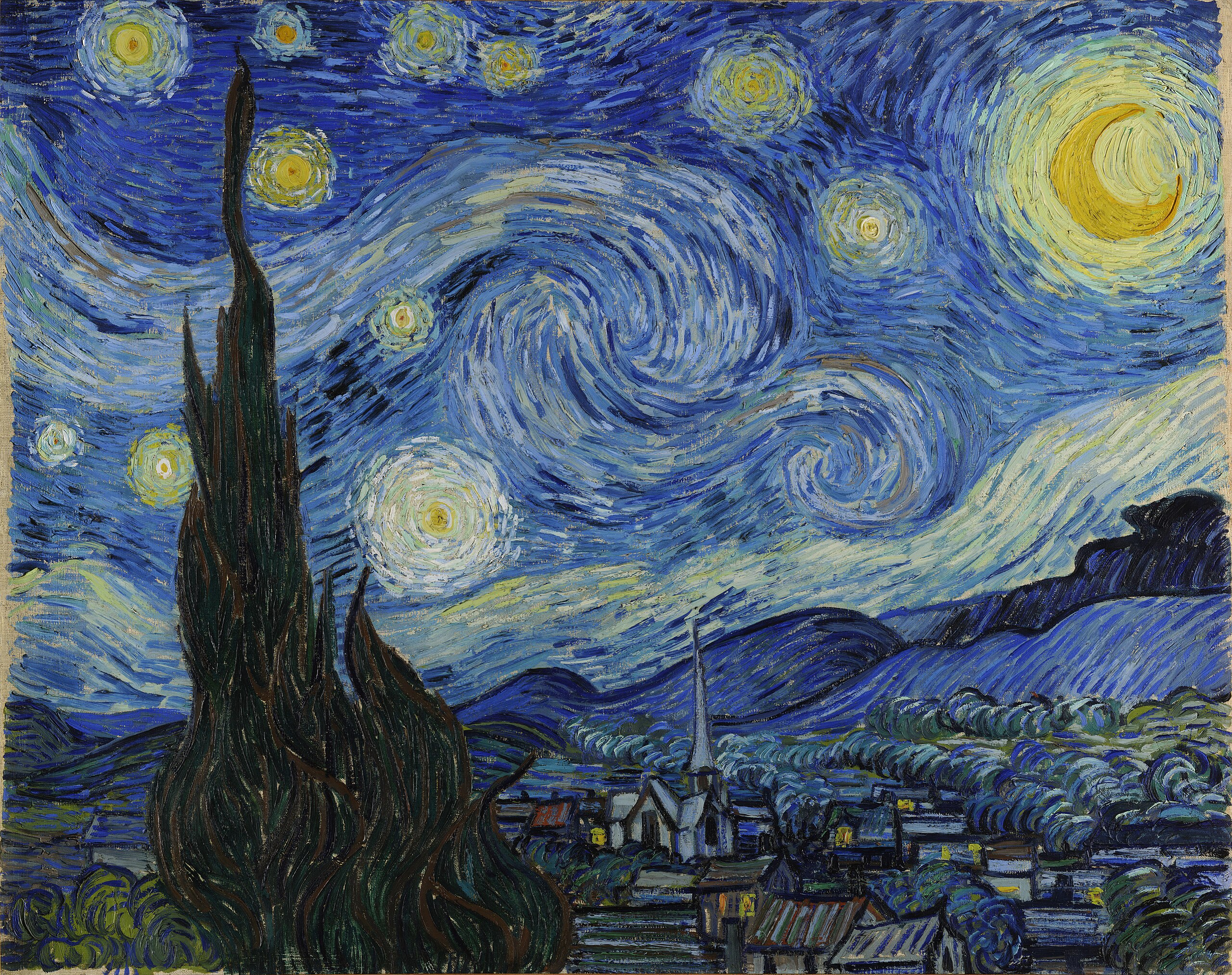
Starry Night
Vincent van Gogh
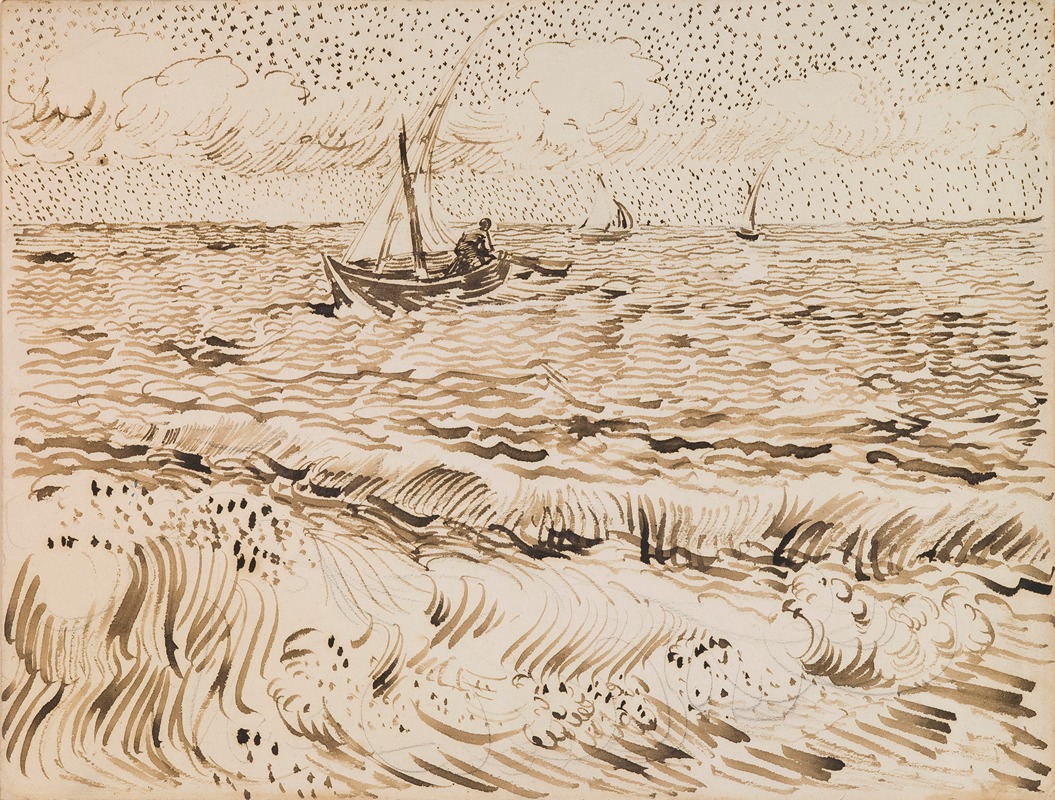
Fishing Boats at Saintes-Maries-de-la-Mer
Vincent van Gogh
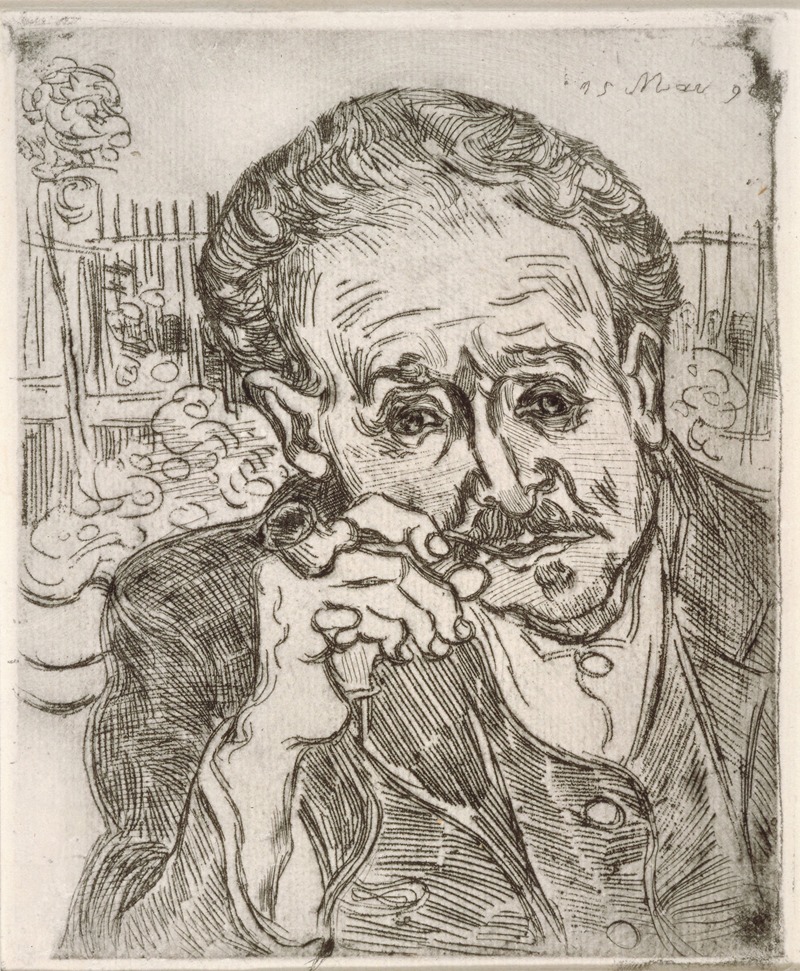
Portrait of Dr. Gachet (Auvers-sur-Oise)
Vincent van Gogh
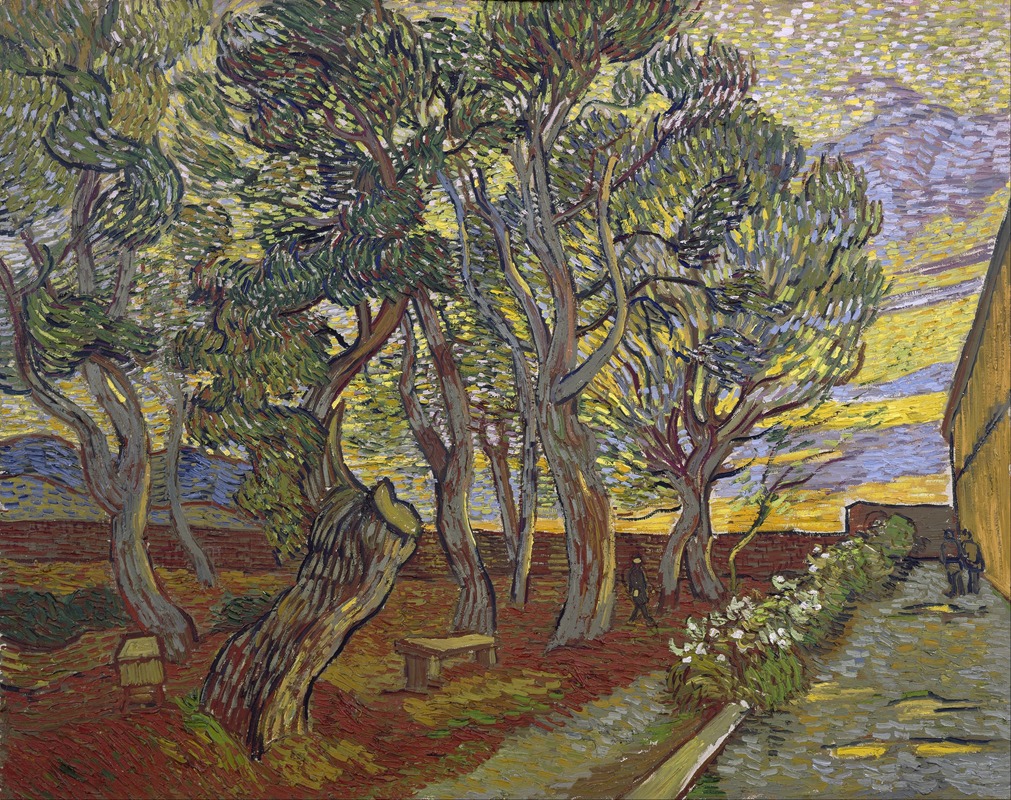
The garden of Saint Paul’s Hospital
Vincent van Gogh
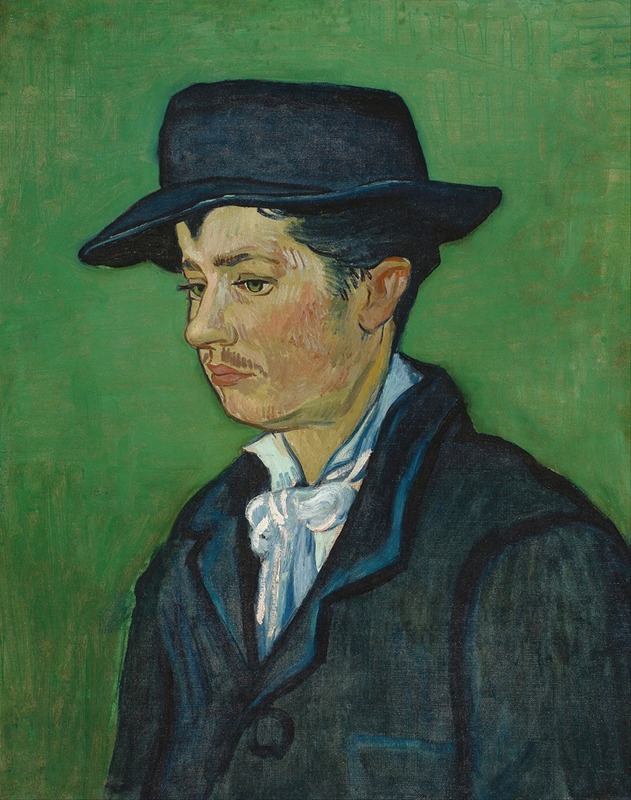
Portrait Of Armand Roulin
Vincent van Gogh
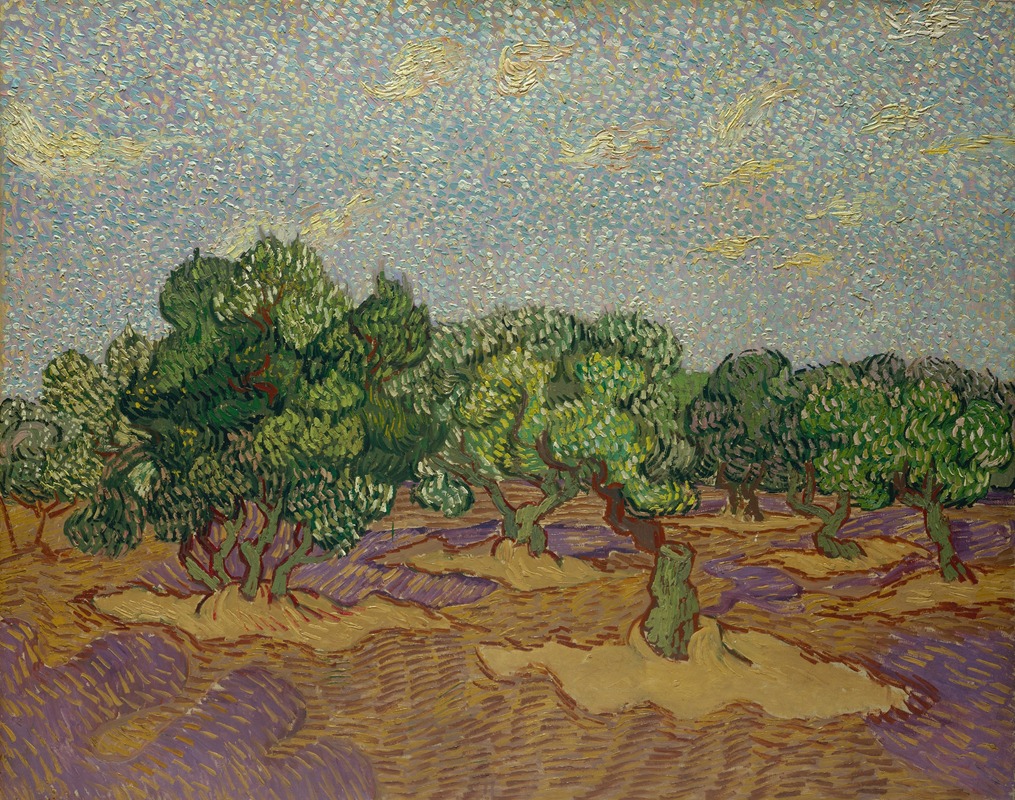
Olive Trees
Vincent van Gogh
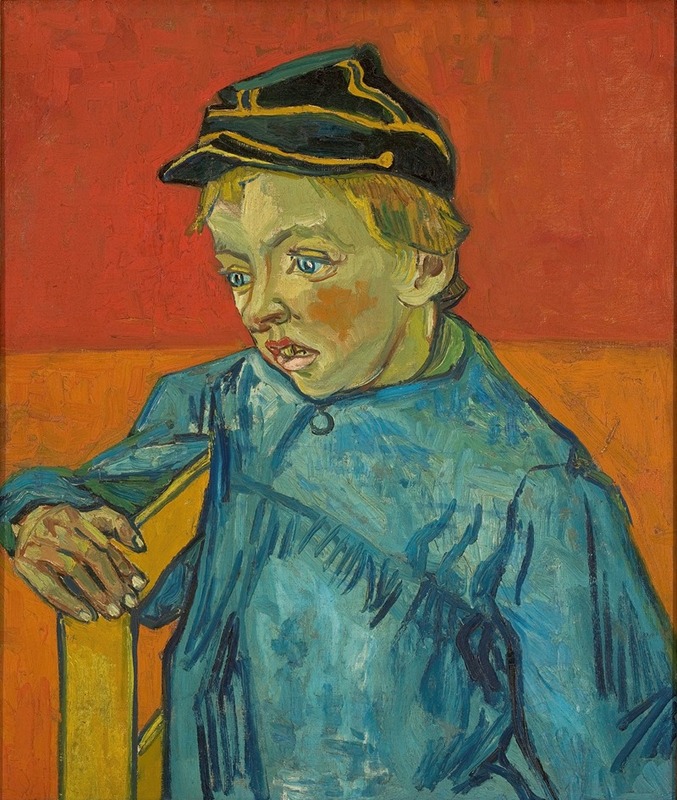
The Schoolboy (Camille Roulin)
Vincent van Gogh
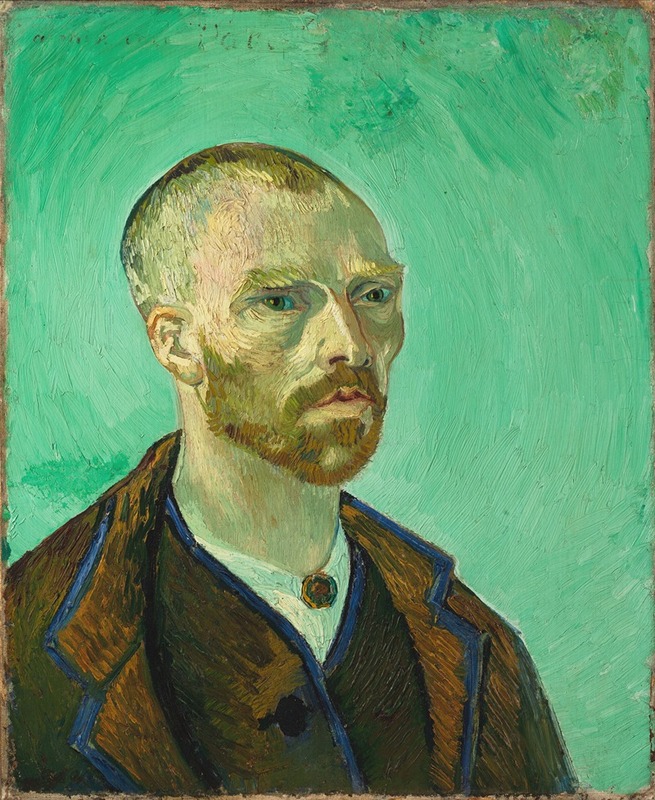
Self Portrait (dedicated to Paul Gauguin)
Vincent van Gogh
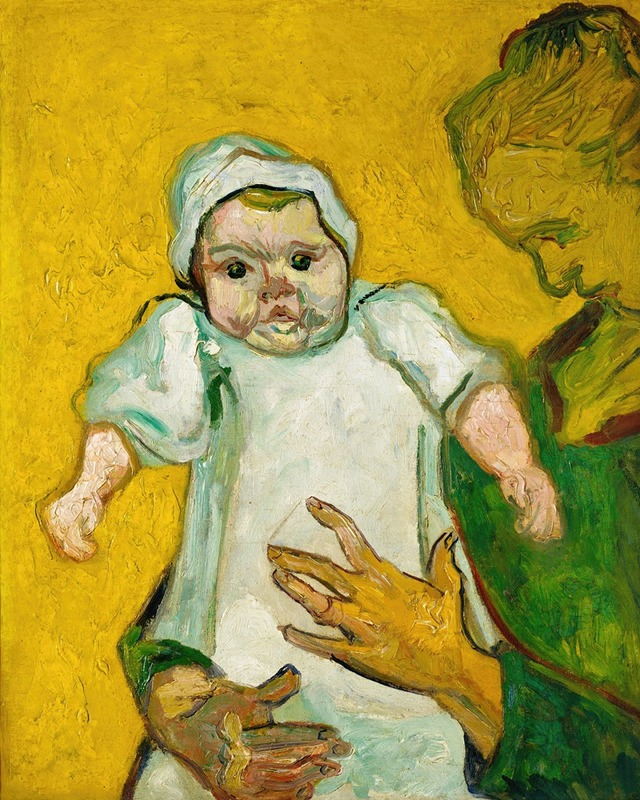
Madame Roulin and Her Baby
Vincent van Gogh
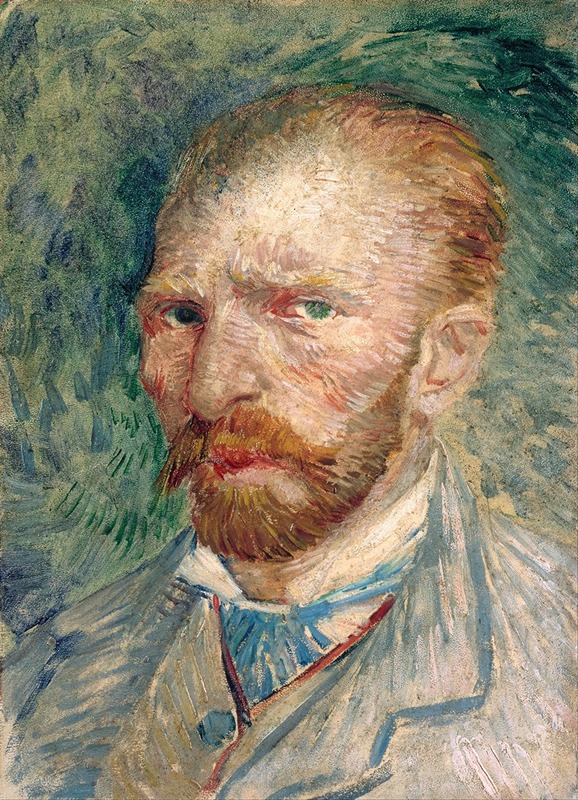
Self-Portrait
Vincent van Gogh