
Taubertal mit Blick auf Rothenburg — History & Facts
It captures the essence of renewal and transformation that resonates within the landscape. In this tranquil scene, the viewer is beckoned to explore the awakening of nature, where verdant hills cradle the ancient town in a tender embrace. Look to the left at the gentle curves of the rolling hills, their soft greens and earthy browns dancing harmoniously beneath a sky painted with wisps of cloud. The sunlight filters through, casting a delicate golden glow that invites you to linger.
Notice how the town’s spires rise prominently against the horizon, a testament to human spirit amidst the grandeur of nature. The composition balances the organic forms of the landscape with the structured beauty of architecture, drawing the eye effortlessly across the canvas. Underneath this serene façade lies a quiet tension between the natural world and human existence. The town, seemingly untouched by time, stands resilient, yet its isolation speaks to the fragility of life.
The colors evoke a sense of nostalgia, a longing for connection with both the land and its history. Each brushstroke carries emotion, as if Thoma wished to remind us of the layers of beauty and pain intertwined within the tapestry of life. In 1882, Hans Thoma was immersed in the vibrant art scene of Germany, championing the Romantic ideals that celebrated the connection between humanity and nature. He painted Taubertal mit Blick auf Rothenburg during a period marked by a burgeoning appreciation for regional landscapes, reflecting a collective yearning for authenticity amidst the industrial changes of the time.
This work emerged as a bridge between the natural and the man-made, encapsulating a moment of profound awakening.
More Artworks by Hans Thoma
Browse all →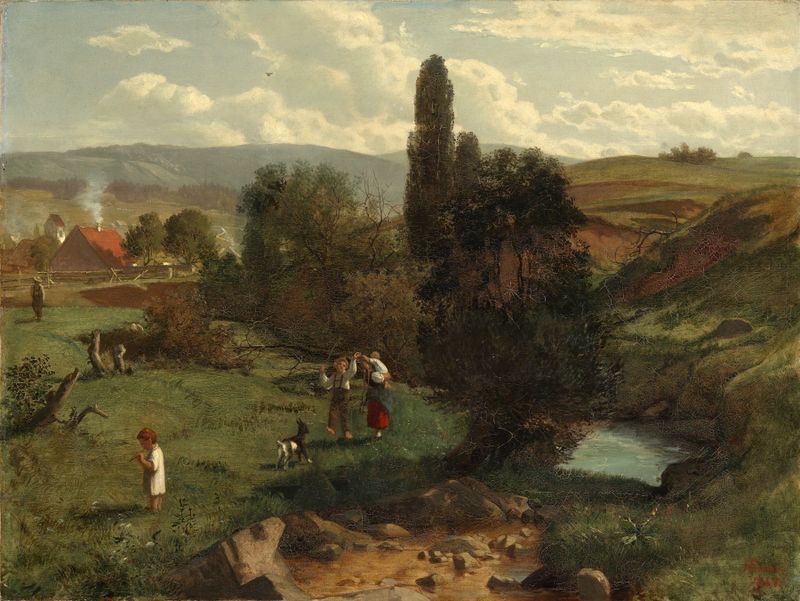
Schwarzwaldlandschaft
Hans Thoma
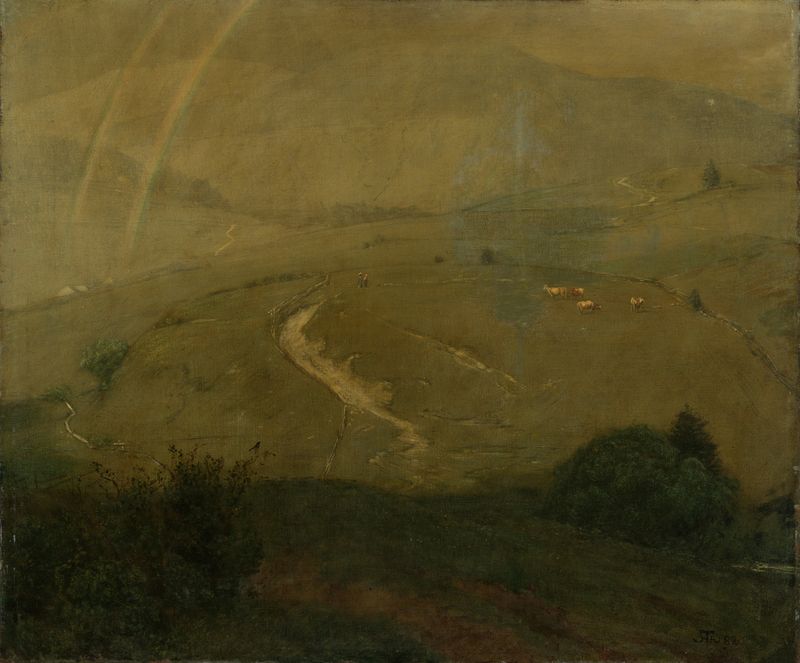
Regen im Schwarzwald
Hans Thoma
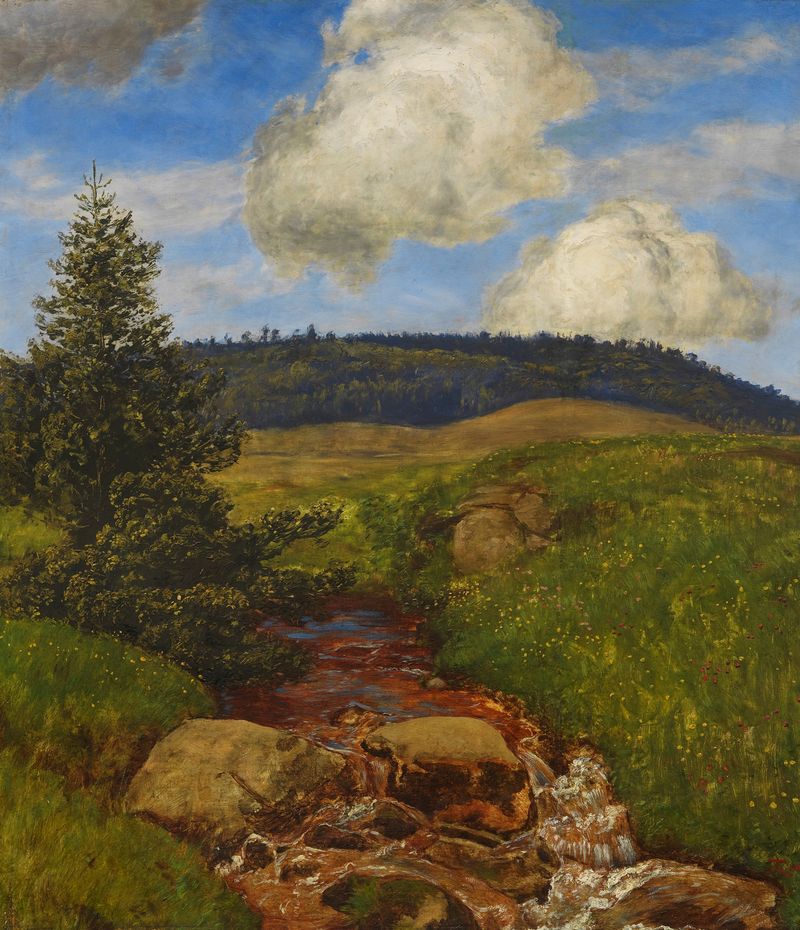
Schwarzwaldbach
Hans Thoma
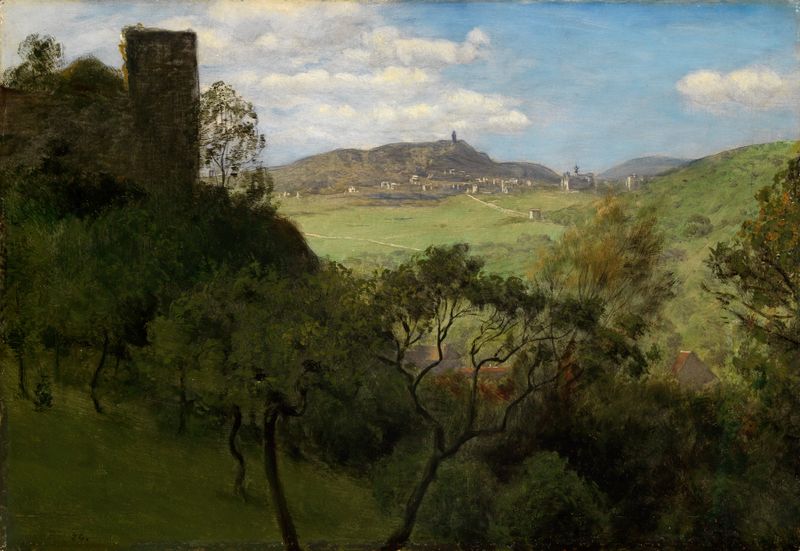
Blick auf Falkenstein im Taunus
Hans Thoma
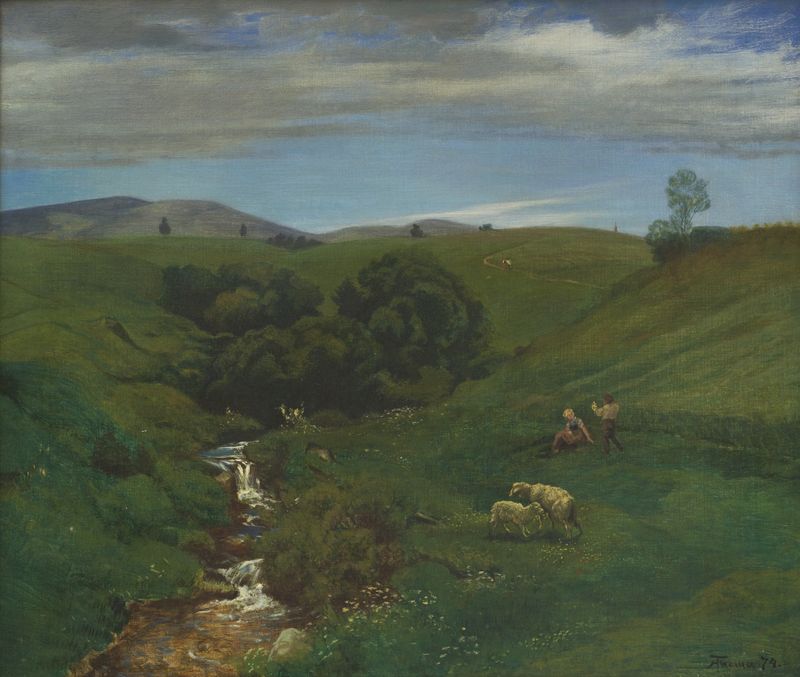
Black Forest Meadow near Bernau
Hans Thoma
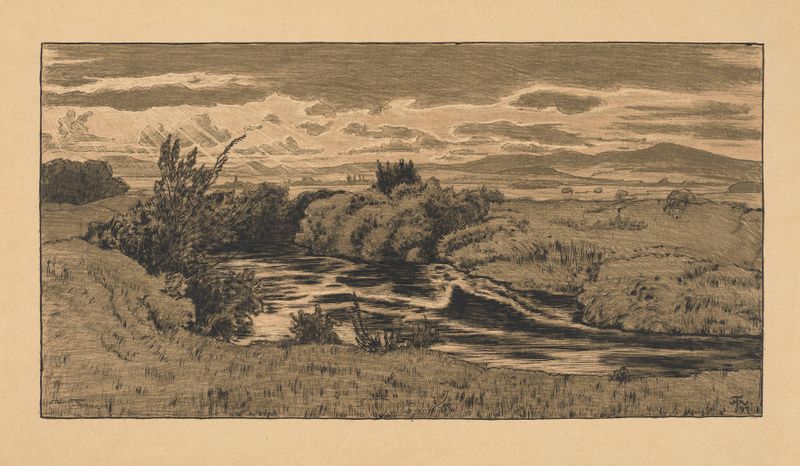
Evening by the Nidda River
Hans Thoma
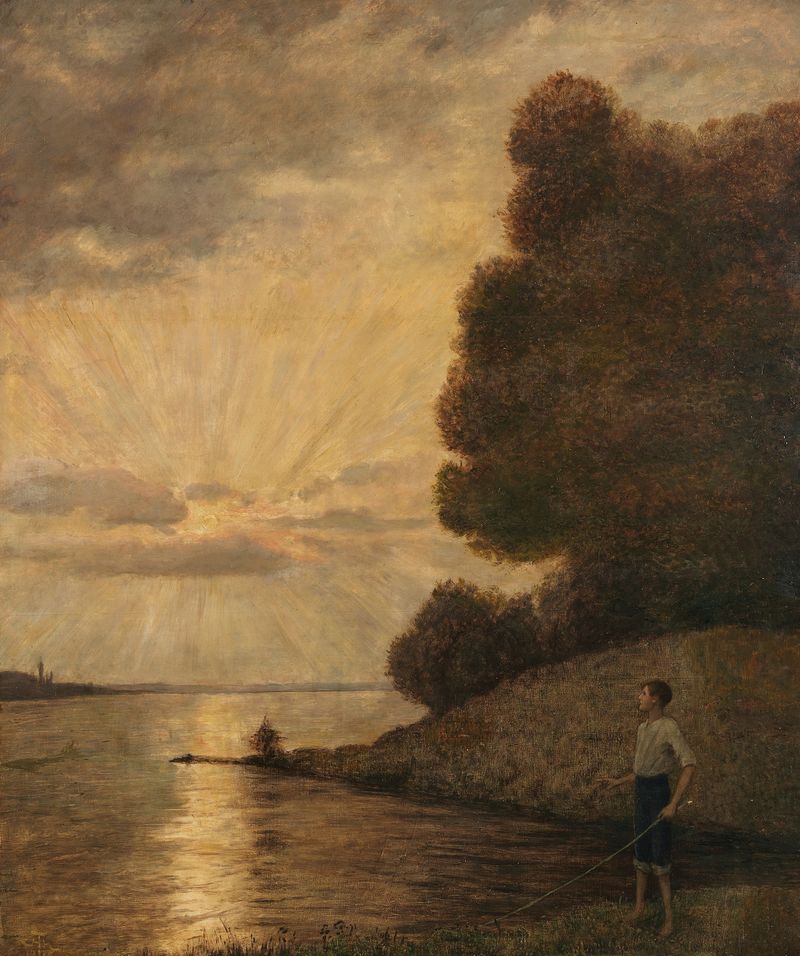
Sonnenuntergang am Oberrhein
Hans Thoma
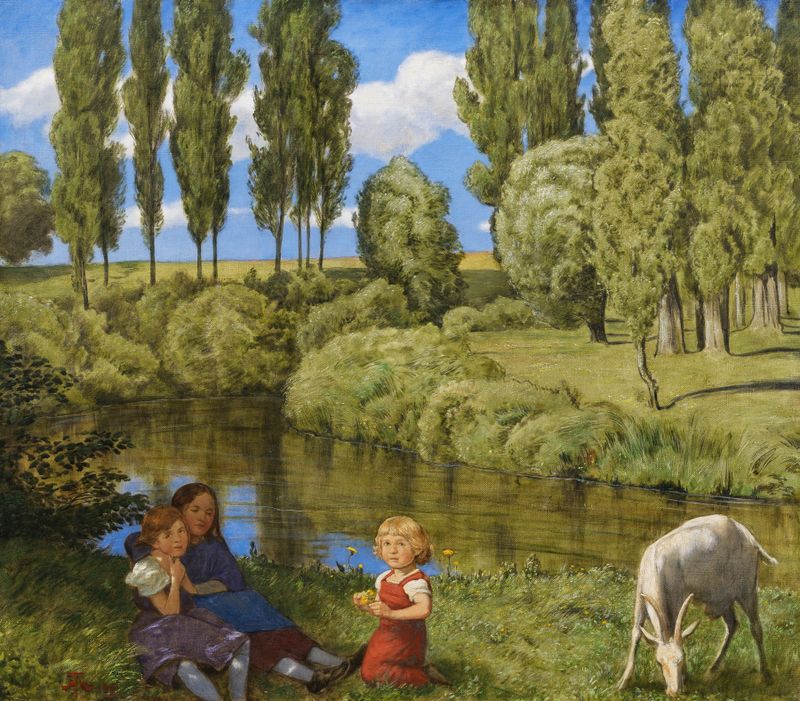
Am Stillen Bach
Hans Thoma
Der Abendstern
Hans Thoma
Das Rheintal bei Säckingen
Hans Thoma





