Tazza met polychrome beschildering — History & Facts
Could beauty survive in a century of chaos? The intricacies of artistry often reveal an unwavering hope amidst tumultuous times, embodying the spirit of rebirth. Gaze upon the delicate surface of this tazza, where vibrant polychrome decoration dances across the ceramic. Notice how the intricate floral motifs and swirling patterns draw the eye, inviting you to explore each detail while simultaneously evoking a sense of harmony. The vibrant hues of blue, red, and gold harmonize effortlessly, creating a lively yet balanced composition.
The glossy finish catches the light, enhancing the piece’s allure while emphasizing the skilled craftsmanship that breathes life into the clay. As you examine the artwork closely, the interplay between chaos and order emerges. The florals, lush and exuberant, juxtapose with the structured form of the tazza itself, symbolizing the resilience of nature amidst human strife. The subtle imperfections within the patterns suggest a handcrafted human touch, reminding us that beauty often arises from flaws.
This piece resonates with the viewer, serving as a poignant reminder of regeneration and the enduring power of aesthetic expression in a world riddled with uncertainty. Crafted between 1500 and 1525, this tazza reflects a unique moment in art history, where craftsmanship thrived in the midst of social and political upheaval in Europe. The Renaissance was dawning, marked by a renewed interest in classical art and a celebration of humanism. This artist, though unknown, contributed to a rich tapestry of cultural revival that sought to capture beauty despite the chaos surrounding them.
More Artworks by Unknown Artist
Browse all →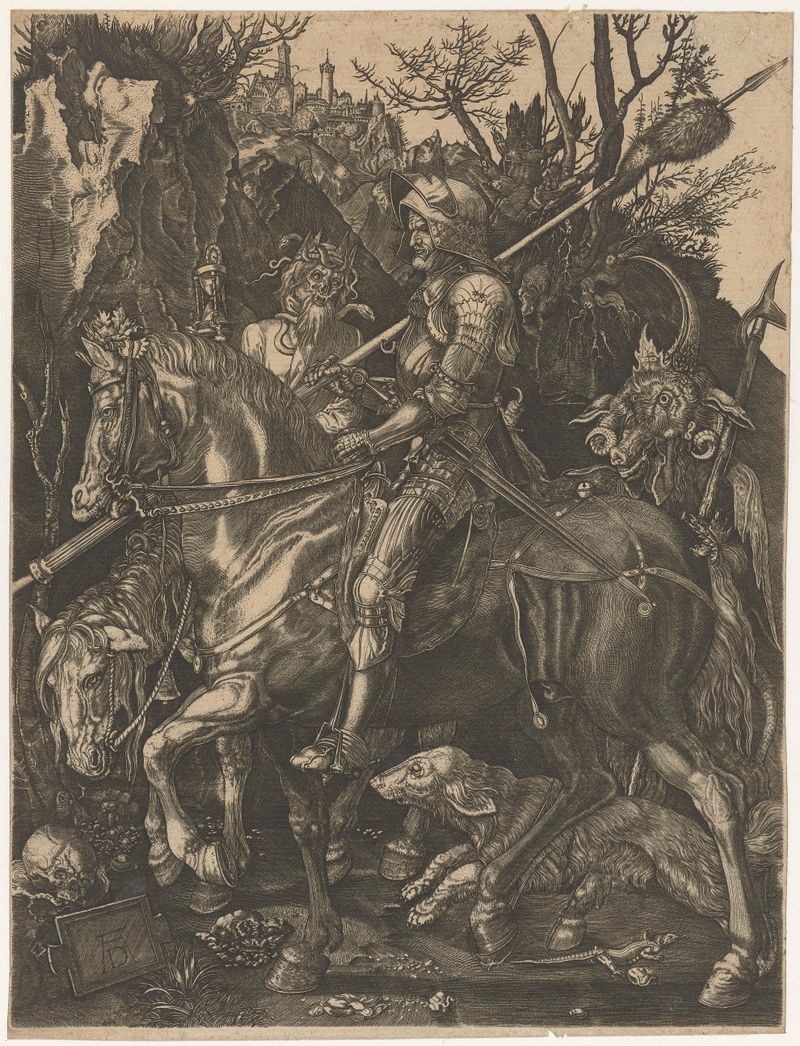
Ridder, Dood en Duivel
Unknown Artist
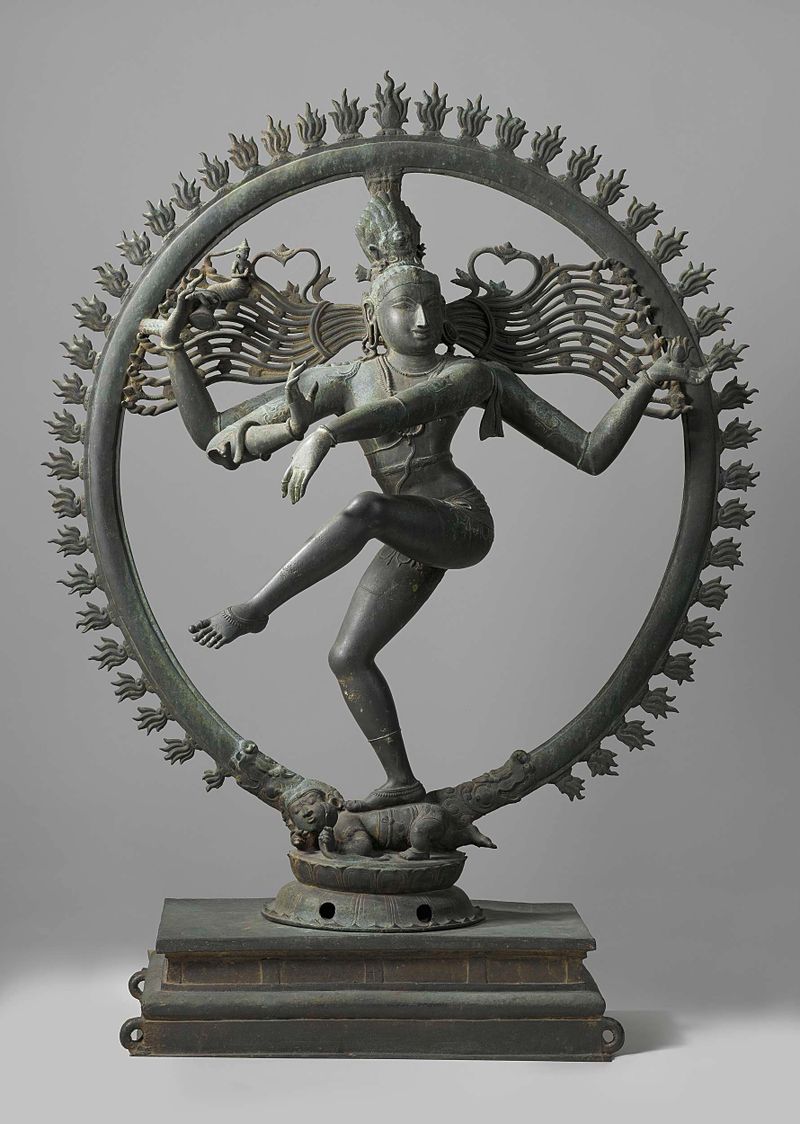
Shiva Nataraja
Unknown Artist
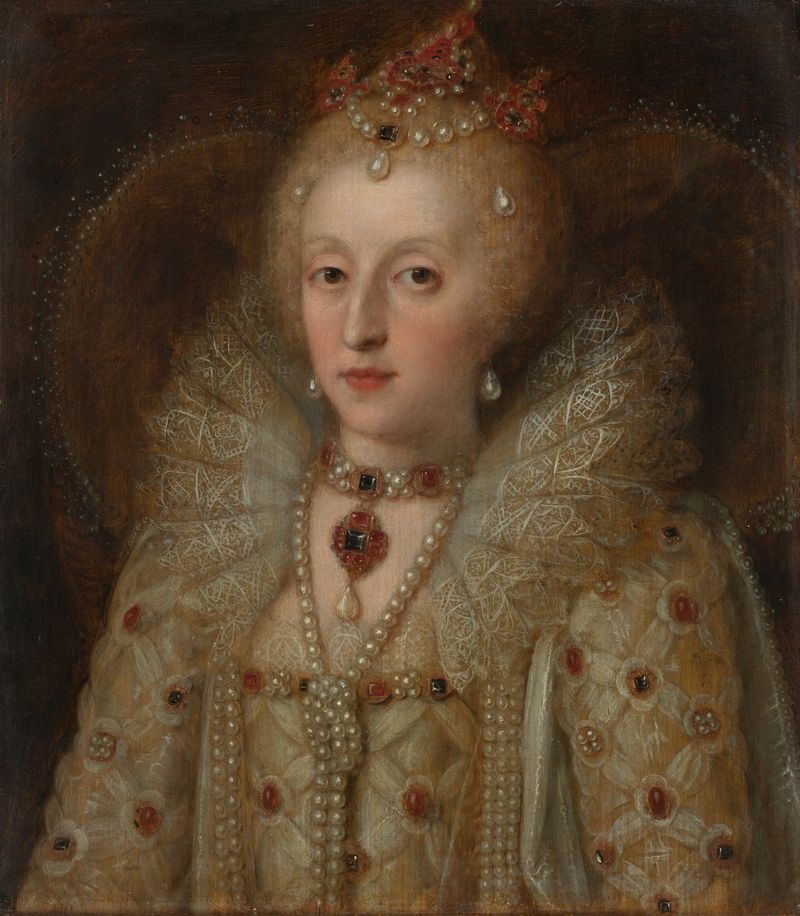
Portrait of Elizabeth I, Queen of England
Unknown Artist
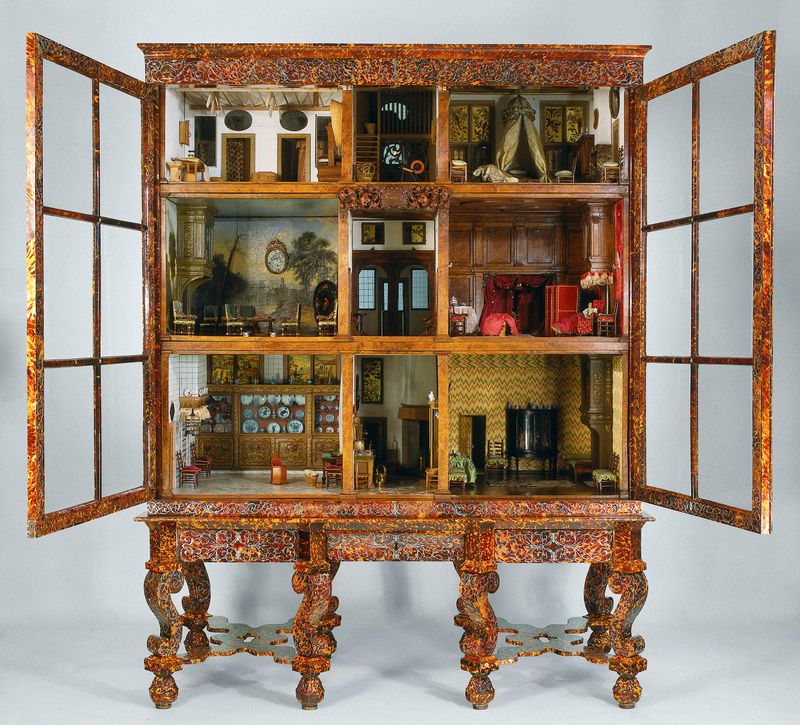
Dolls’ house of Petronella Oortman
Unknown Artist
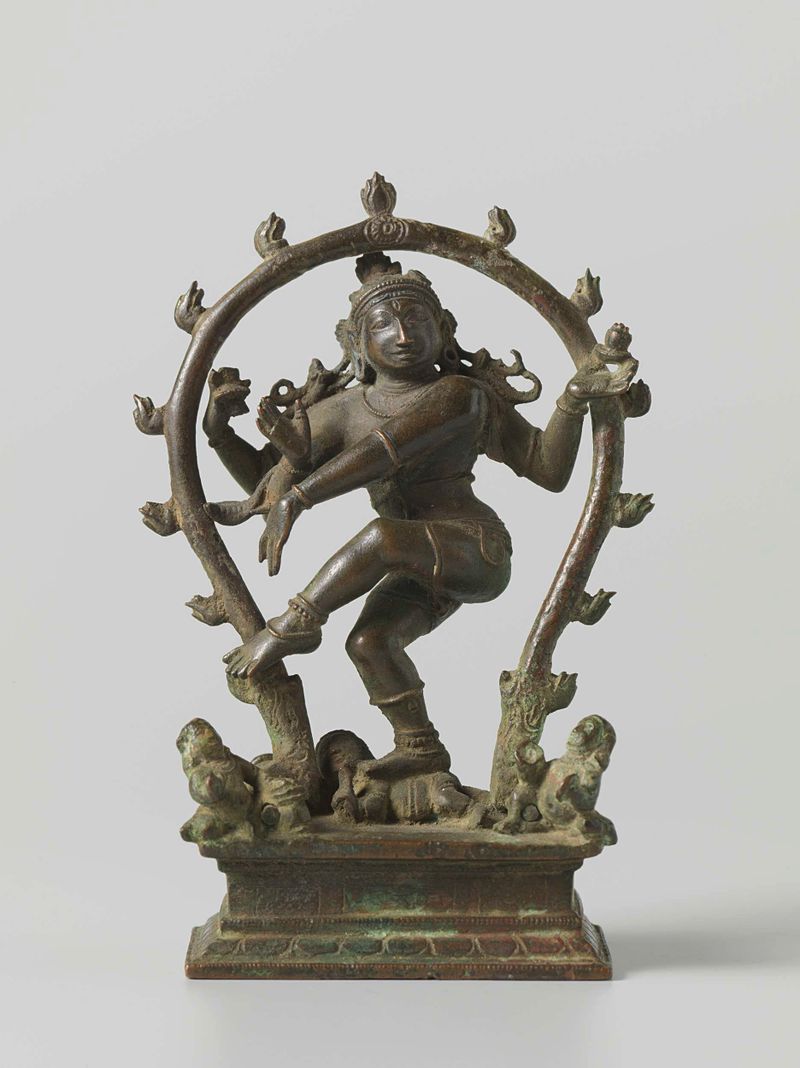
Shiva Nataraja
Unknown Artist

The Tale of Genji
Unknown Artist

The Tale of Genji
Unknown Artist

Cong
Unknown Artist
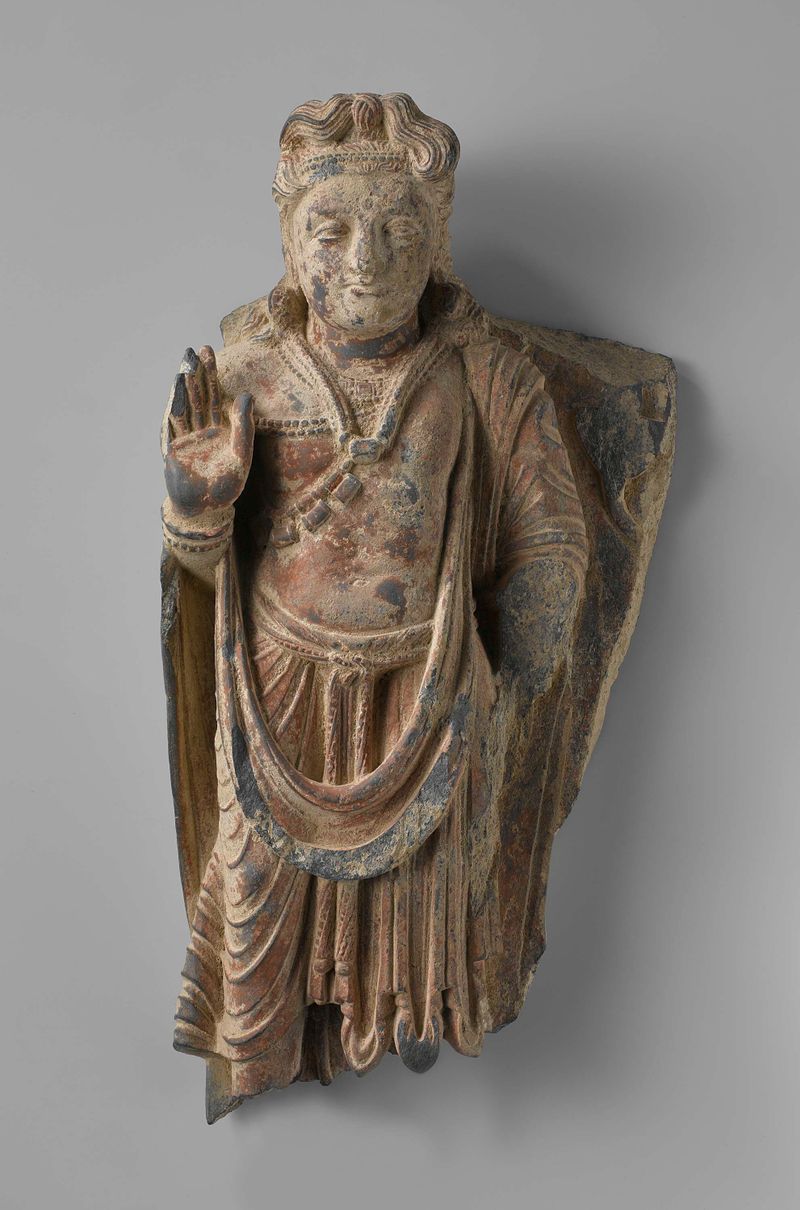
The bodhisattva Maitreya
Unknown Artist

Teabowl with a 'hare's fur' glaze
Unknown Artist