Tea bowl with green and red lines — History & Facts
What if silence could speak through light? In a world where colors intertwine, a tea bowl stands as a testament to the quiet revolution of artistry within its form. Look closely at the graceful curves of the vessel, where delicate green and red lines dance along the surface. The craftsmanship invites an intimate gaze, drawing attention to the contrast between the matte glaze and the vibrant strokes that cradle its body. Each line seems to whisper tales of tradition and modernity, highlighting the balance between restraint and exuberance in the artist's hand. Delve deeper into the interplay of hues; the red lines pulse with warmth, suggesting passion and vitality, while the cool greens evoke tranquility and balance.
This duality may reflect the tension between evolving societal norms and the steadfastness of cultural heritage during an era marked by change. The bowl, resting silently, becomes a symbol not just of everyday elegance, but of the silent dialogues between the past and the present. Created in a time when artistic expression was shifting dramatically, this piece emerged during the late Edo period in Japan, a time characterized by a rich tapestry of cultural evolution. The artist, while unknown, contributed to a movement where craft and aesthetic began to redefine the everyday object, transforming a simple tea bowl into an emblem of artistic identity.
More Artworks by Unknown Artist
Browse all →
Ridder, Dood en Duivel
Unknown Artist
Shiva Nataraja
Unknown Artist

Portrait of Elizabeth I, Queen of England
Unknown Artist
Dolls’ house of Petronella Oortman
Unknown Artist
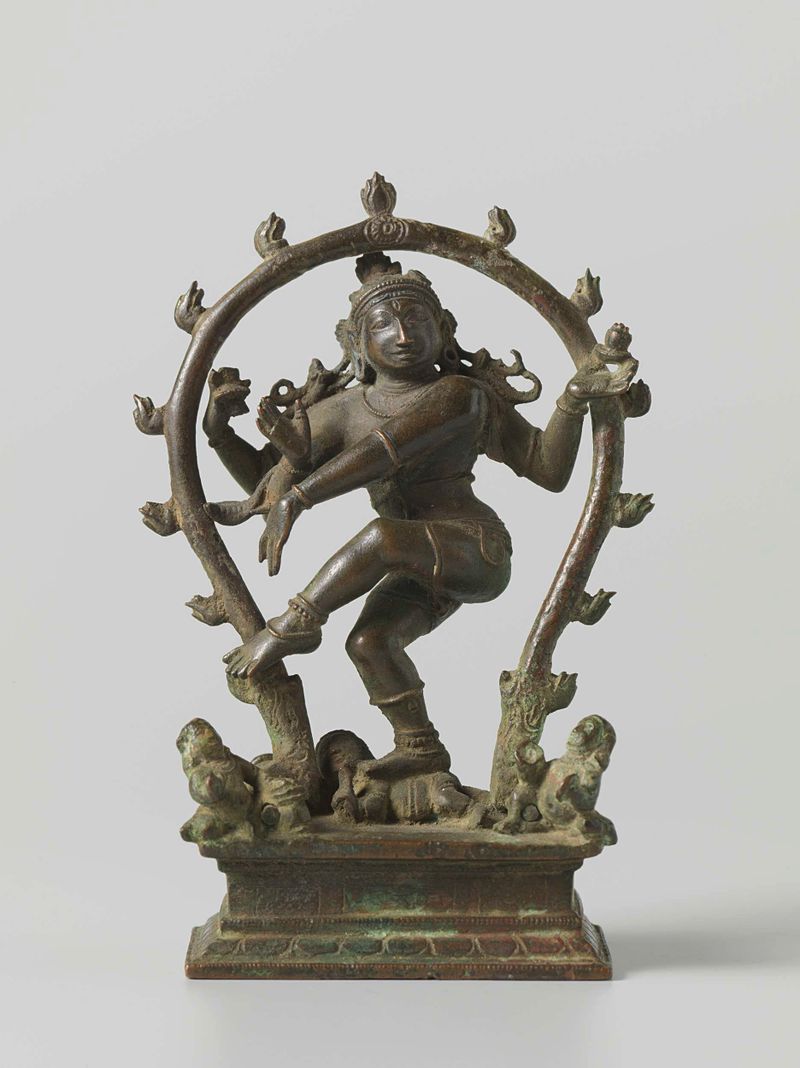
Shiva Nataraja
Unknown Artist

The Tale of Genji
Unknown Artist

The Tale of Genji
Unknown Artist

Cong
Unknown Artist
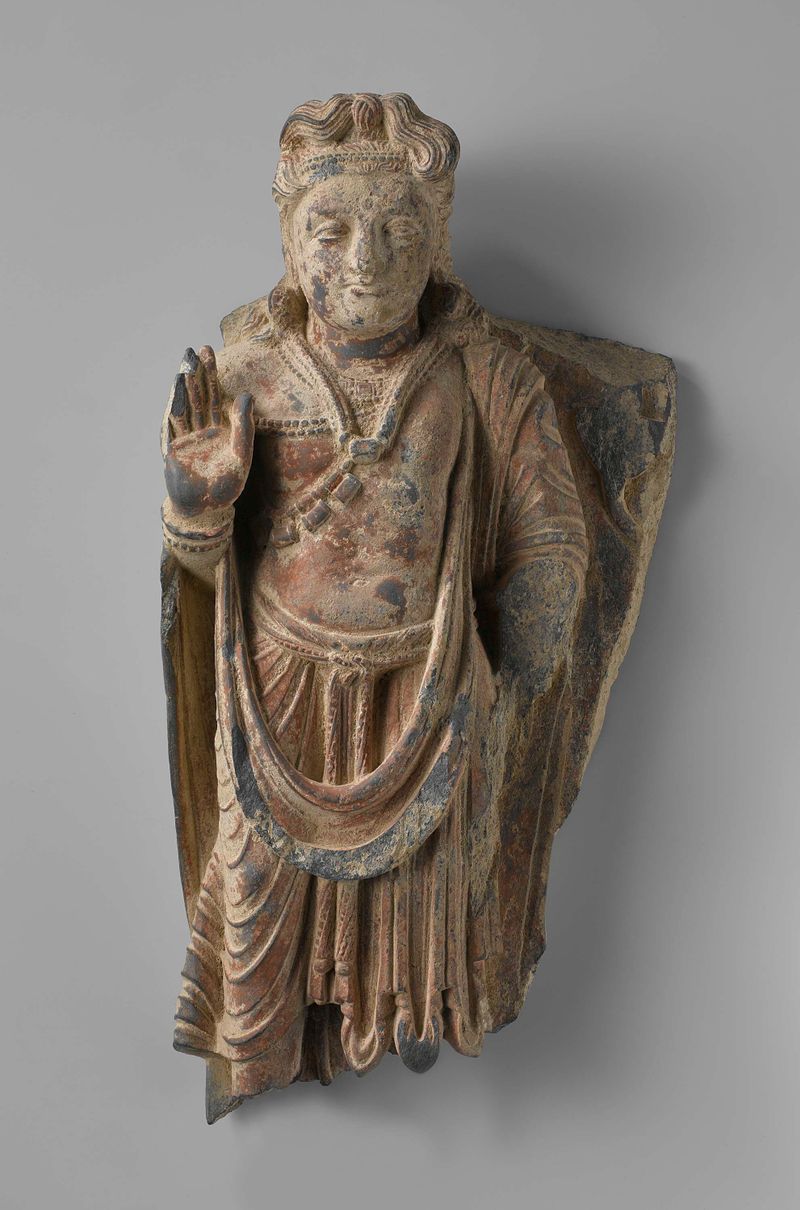
The bodhisattva Maitreya
Unknown Artist

Teabowl with a 'hare's fur' glaze
Unknown Artist