Tea caddy with a brown black glaze and two handles — History & Facts
In the delicate curves of this tea caddy, the whispers of desire linger, inviting us to reflect on the intimacy of shared moments over a cup of tea. Look closely at the elegant, flowing lines of the caddy’s body, which seem to dance in the soft light. The rich, dark glaze envelops it like a warm embrace, drawing your gaze to the subtle sheen that highlights each curve and ridge. Focus on the two handles, their graceful forms suggesting a harmony between utility and aesthetic beauty, capturing the essence of craftsmanship from an era steeped in tradition. This piece carries a quiet tension between functionality and artistry.
The juxtaposition of the robust glaze against the delicate form mirrors the duality of desire—it is both practical and sentimental, a vessel for cherished memories. The simplicity of the design belies its emotional weight, reminding us that even everyday objects can embody the longing for connection and warmth. Created between 1775 and 1824, this tea caddy emerges from an era characterized by the rising popularity of tea in European society, reflecting both the social rituals of the time and the artistry of its unknown creator. As trade flourished, so did the demand for finely crafted objects, allowing artisans to explore their creativity while providing for the desires of a growing middle class.
The result is an artifact that speaks to both history and the timeless nature of human connection.
More Artworks by Unknown Artist
Browse all →
Ridder, Dood en Duivel
Unknown Artist
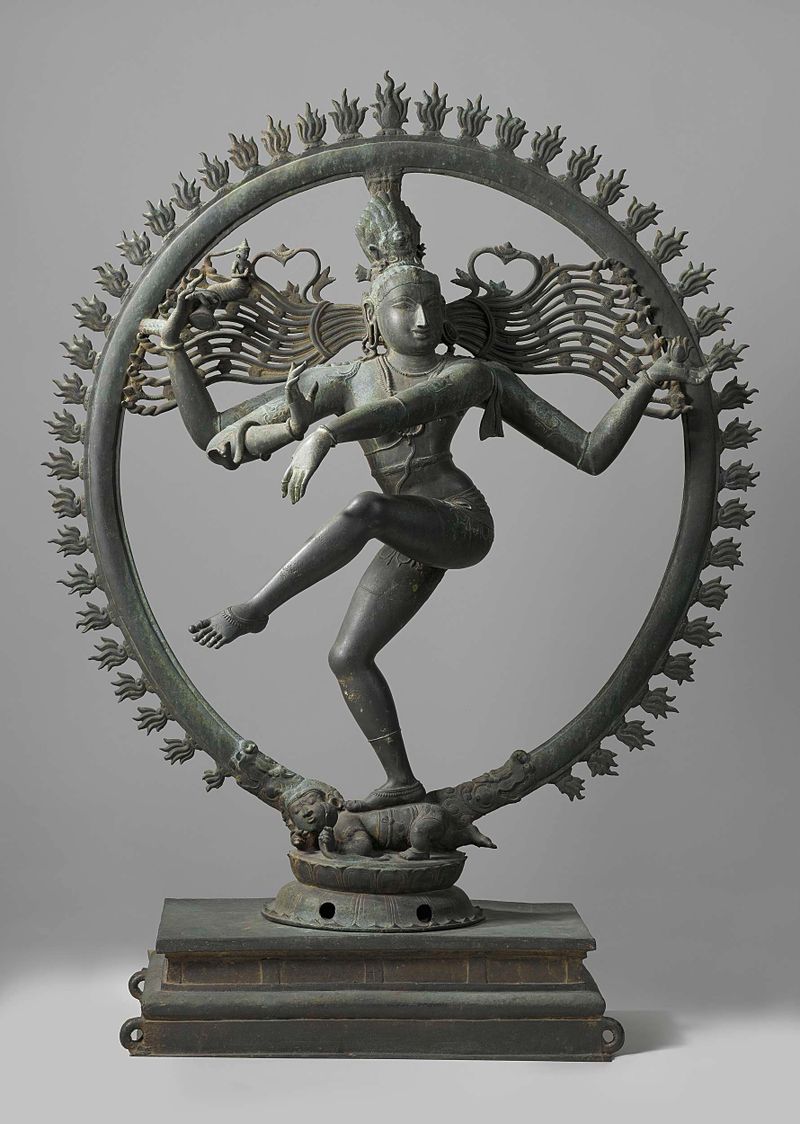
Shiva Nataraja
Unknown Artist

Portrait of Elizabeth I, Queen of England
Unknown Artist
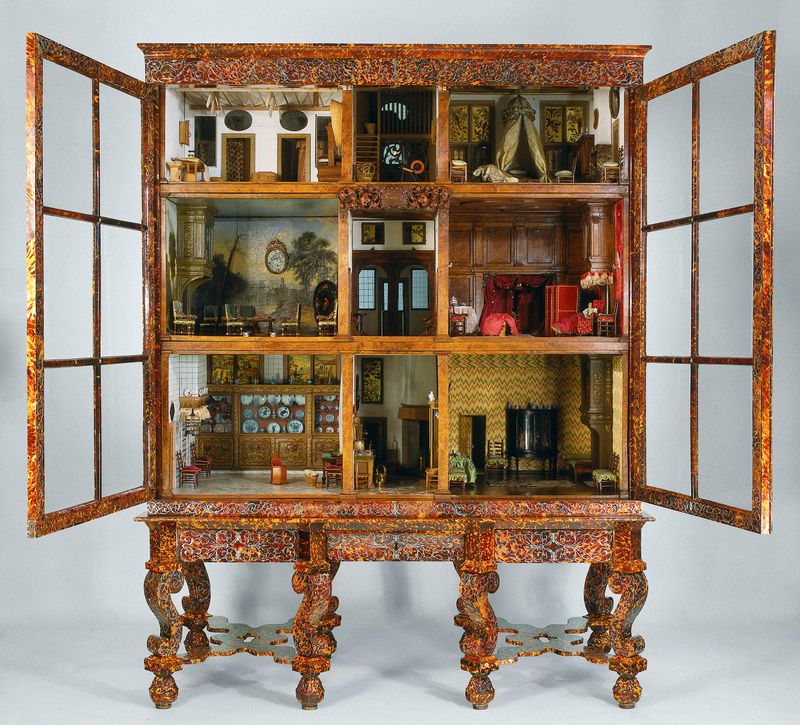
Dolls’ house of Petronella Oortman
Unknown Artist
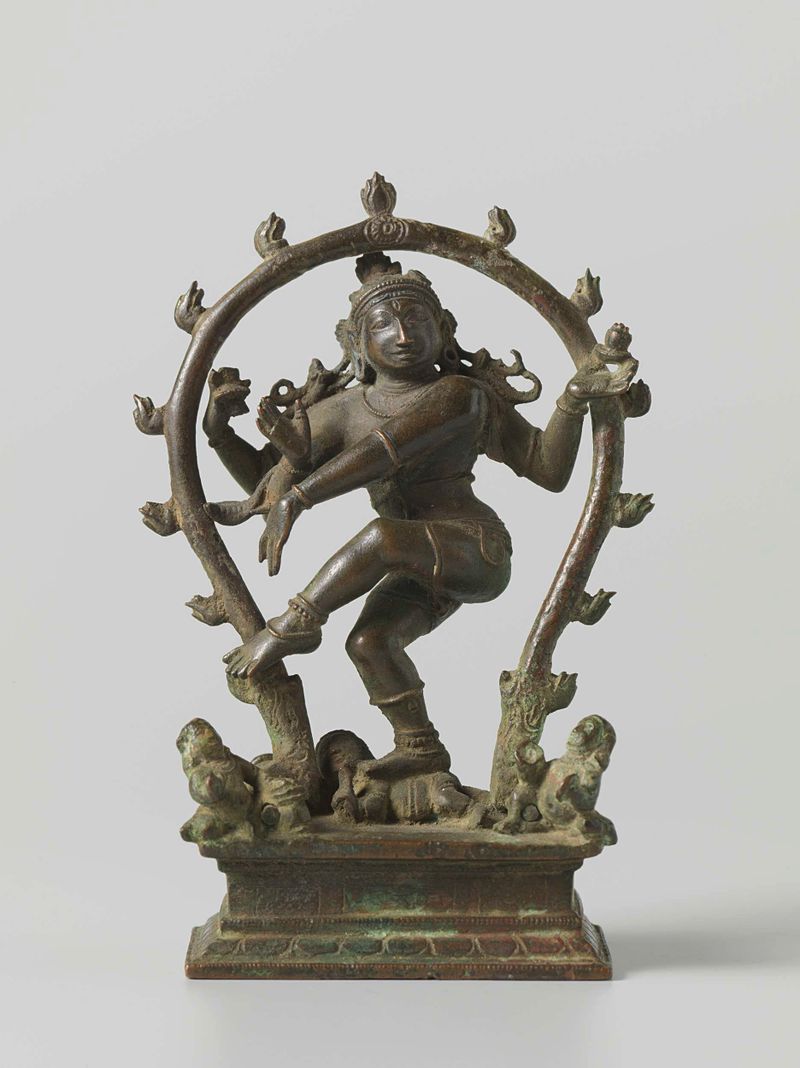
Shiva Nataraja
Unknown Artist

The Tale of Genji
Unknown Artist

The Tale of Genji
Unknown Artist

Cong
Unknown Artist
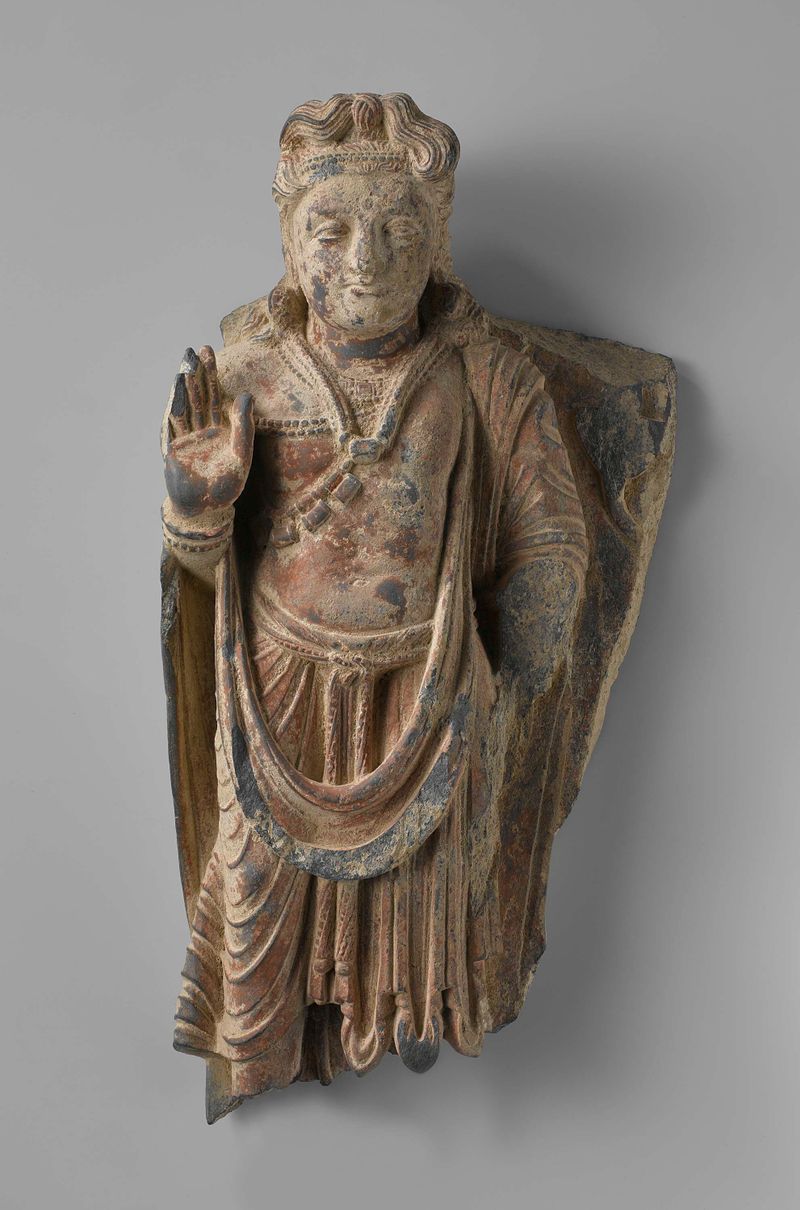
The bodhisattva Maitreya
Unknown Artist

Teabowl with a 'hare's fur' glaze
Unknown Artist