Tea caddy with a brown glaze — History & Facts
Who listens when art speaks of silence? In a world filled with noise, a simple object can echo the passage of time and the stories it holds. Look closely at the tea caddy's rich brown glaze, its surface shimmering softly under the light. The deep, earthen tones evoke a sense of warmth and intimacy, inviting the viewer to explore the subtle texture that cradles its form. Notice the elegant curves and delicate proportions, a testament to the craftsmanship of its maker, who infused this object with both functionality and beauty.
The sheen of the glaze enhances its allure, effectively reflecting the environment, blurring the lines between object and observer. Delve deeper into the caddy's significance—its very existence speaks to a culture rediscovering the rituals of tea drinking, a moment of pause in a bustling life. The harmonious interplay of form and color suggests a sense of calm and contemplation, juxtaposed against the era's fervor of exploration and trade. This artifact encapsulates not just a vessel for tea, but a convergence of history, tradition, and the silent conversations of daily life. This tea caddy was crafted around the turn of the 17th century, a period marked by the burgeoning popularity of tea in Europe.
Emerging from an unknown artist's hands, it reflects the cultural exchanges occurring during the age of exploration. As nations expanded their horizons, objects like this became symbols of sophistication, bridging East and West while embodying the timeless allure of ritual and connection.
More Artworks by Unknown Artist
Browse all →
Ridder, Dood en Duivel
Unknown Artist
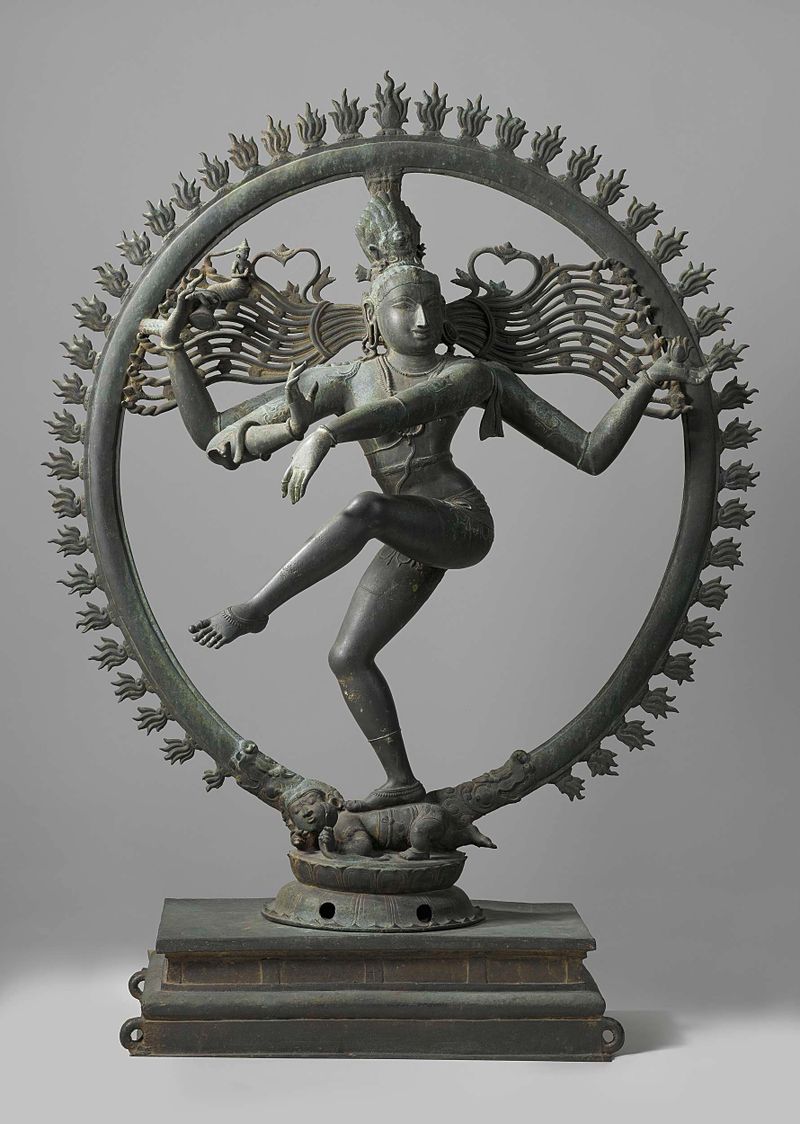
Shiva Nataraja
Unknown Artist
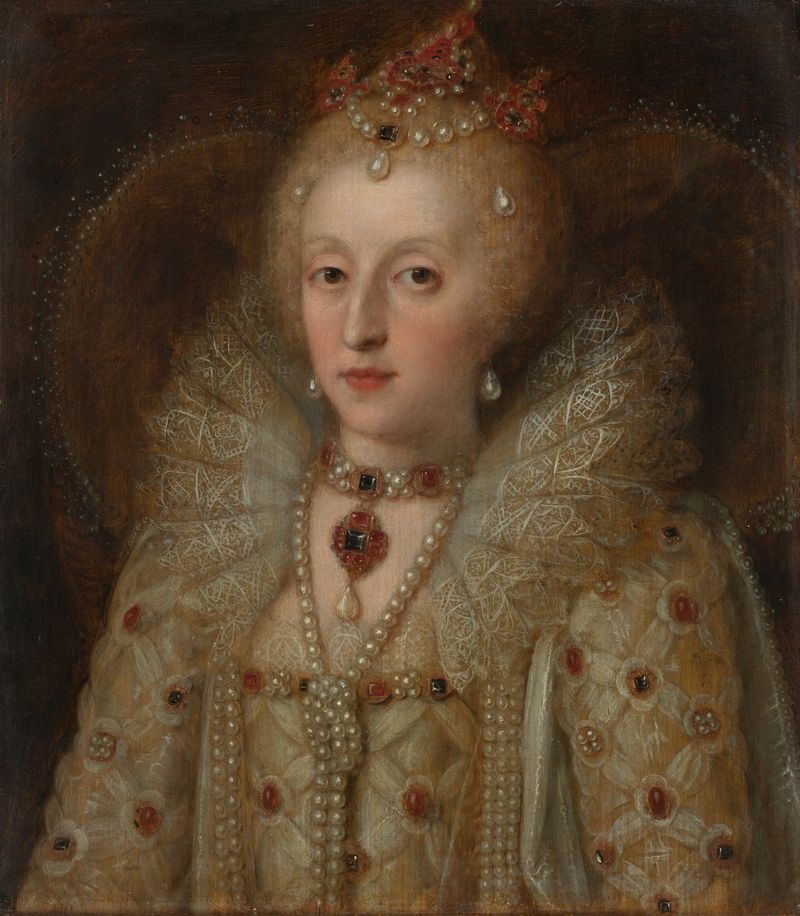
Portrait of Elizabeth I, Queen of England
Unknown Artist
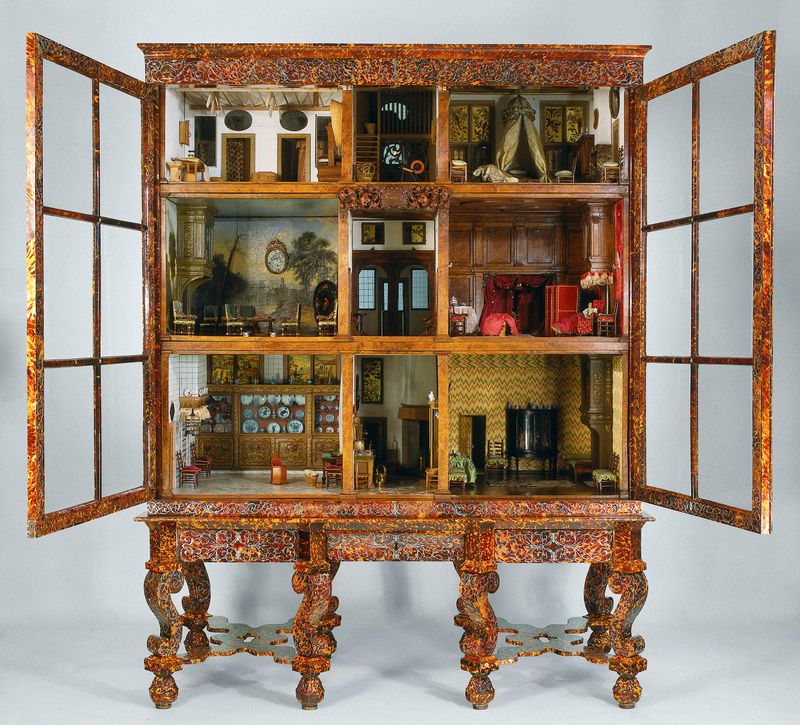
Dolls’ house of Petronella Oortman
Unknown Artist
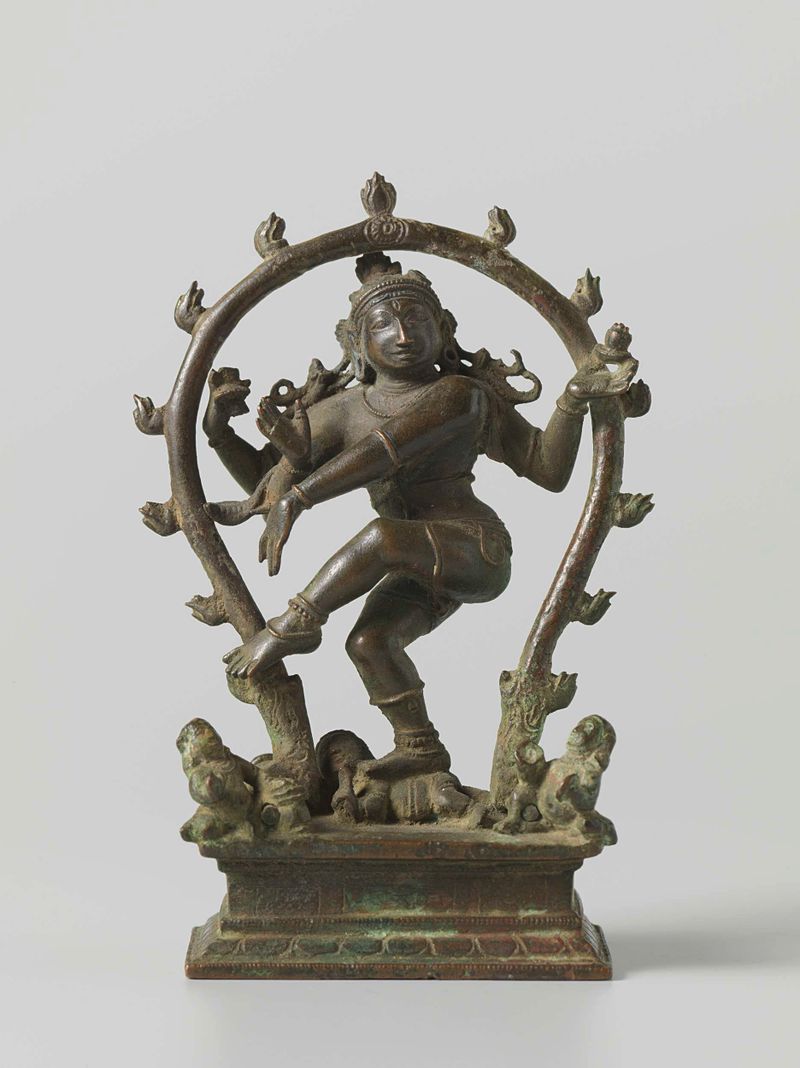
Shiva Nataraja
Unknown Artist

The Tale of Genji
Unknown Artist

The Tale of Genji
Unknown Artist

Cong
Unknown Artist
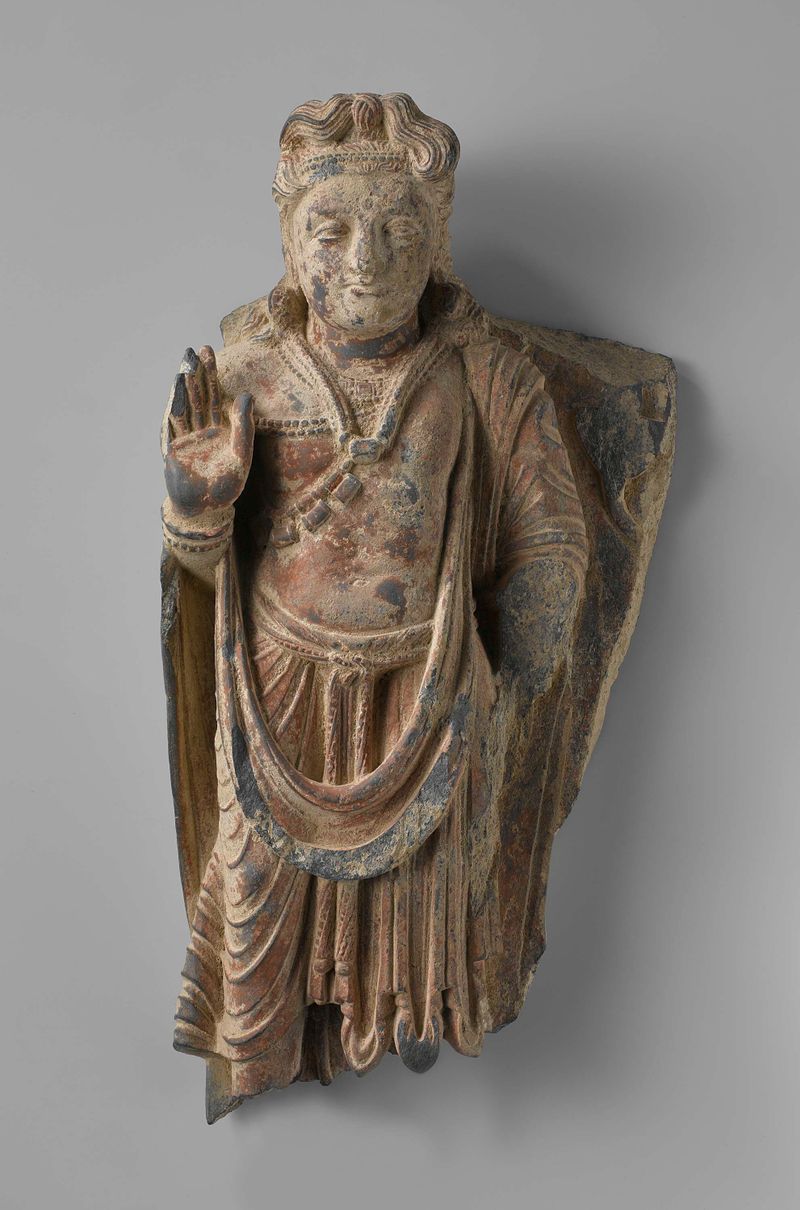
The bodhisattva Maitreya
Unknown Artist

Teabowl with a 'hare's fur' glaze
Unknown Artist