Tea caddy with a goldenbrown glaze — History & Facts
The delicate surface of this tea caddy, with its golden-brown glaze, whispers secrets of elegance and sorrow intertwined, hinting at stories of betrayal hidden beneath its lustrous exterior. Look closely at the caddy's smooth curves, where the glaze catches the light, revealing shades of amber and chestnut. Notice the painstaking craftsmanship in the intricate patterns that dance around its body, inviting your gaze to linger on details that evoke both warmth and melancholy. The vessel’s form is deceptively simple, yet it holds an aura of refinement, suggesting that it is not merely a container but a keeper of memories and emotions. Within the rich hues of the glaze lies an intriguing duality—beauty masking deeper, perhaps darker narratives.
The gold-tinted surface reflects an era of opulence, yet it could equally symbolize the fragility of trust or the sweet bitterness of a broken bond. Each smooth surface may betray a history of cherished moments that once filled its interior, now lost to time, leaving only the vessel as a silent witness to what was. This tea caddy emerged from an anonymous artisan's hands between 1600 and 1800, during a time when the art of ceramic making flourished. The period was marked by trade expansion and shifting cultural exchanges, introducing new materials and techniques that transformed everyday objects into prized possessions.
It stands as a testament to a time rich in artistic evolution, even as the personal tales of its creators and owners remain shrouded in anonymity.
More Artworks by Unknown Artist
Browse all →
Ridder, Dood en Duivel
Unknown Artist
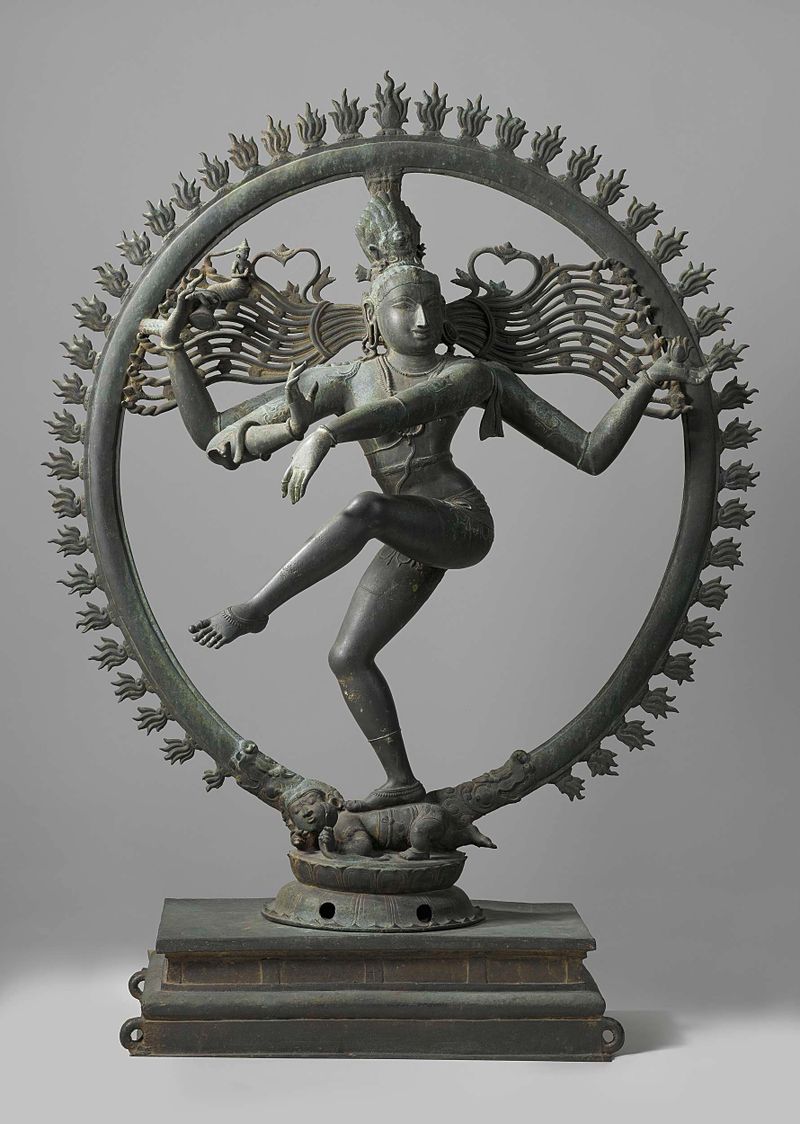
Shiva Nataraja
Unknown Artist
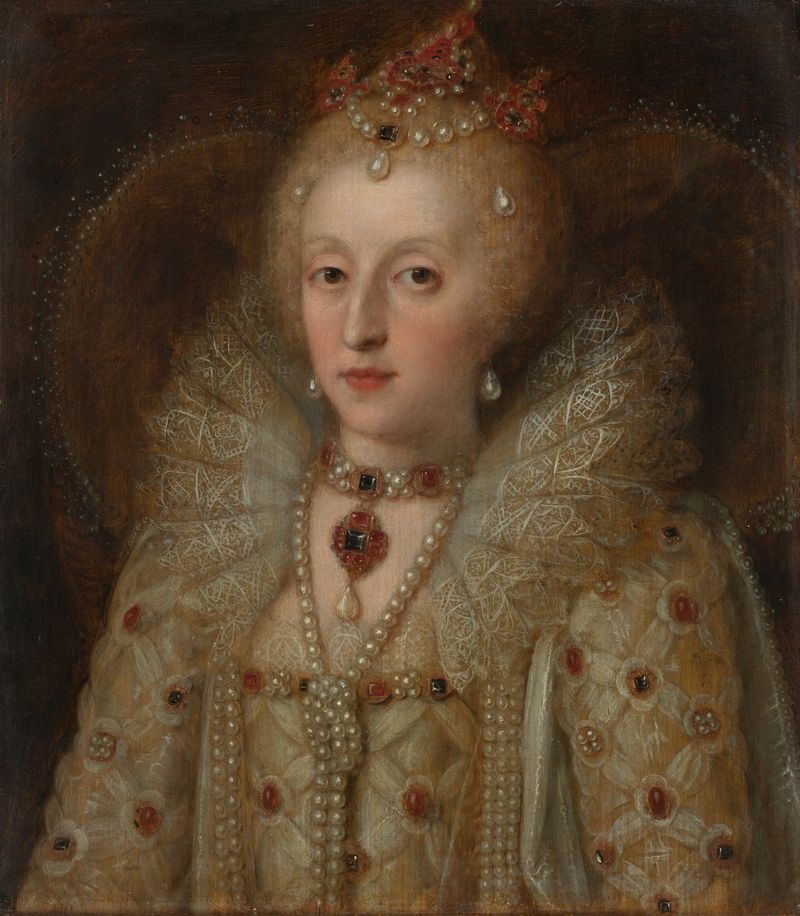
Portrait of Elizabeth I, Queen of England
Unknown Artist
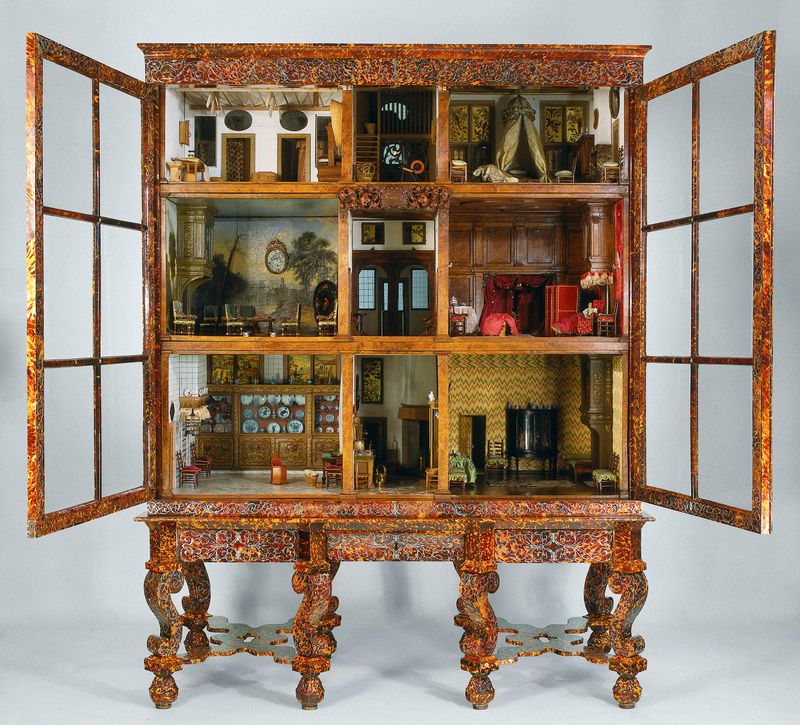
Dolls’ house of Petronella Oortman
Unknown Artist
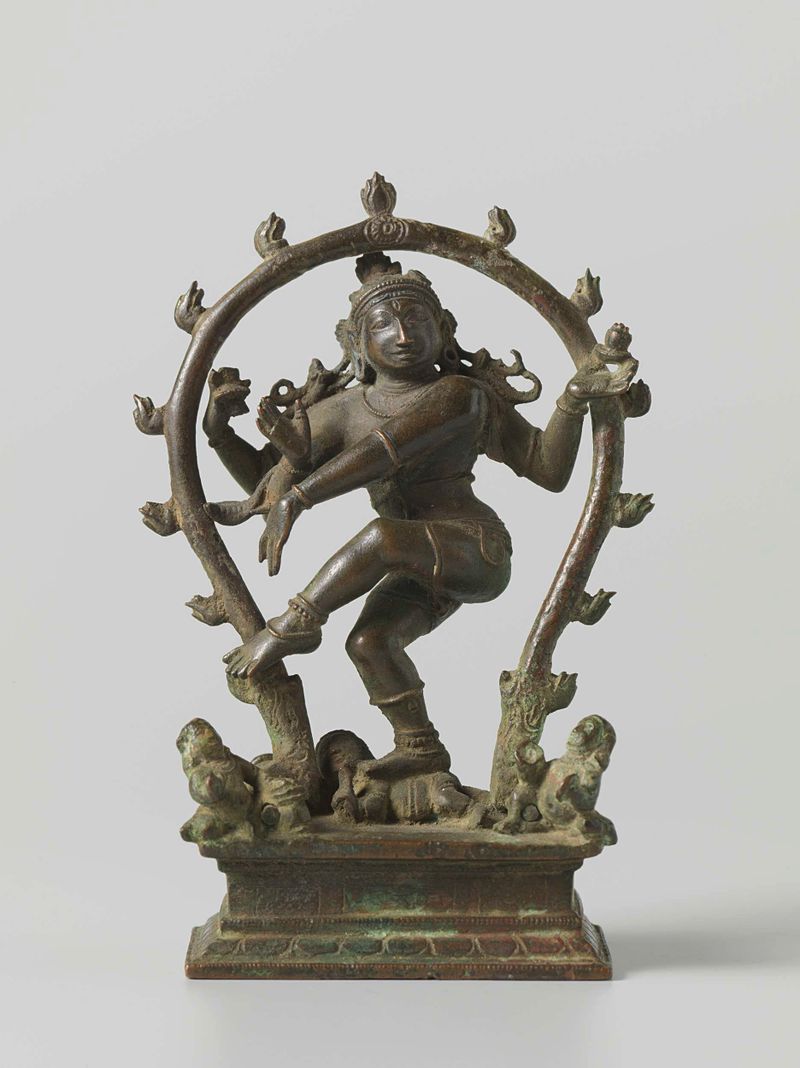
Shiva Nataraja
Unknown Artist

The Tale of Genji
Unknown Artist

The Tale of Genji
Unknown Artist

Cong
Unknown Artist
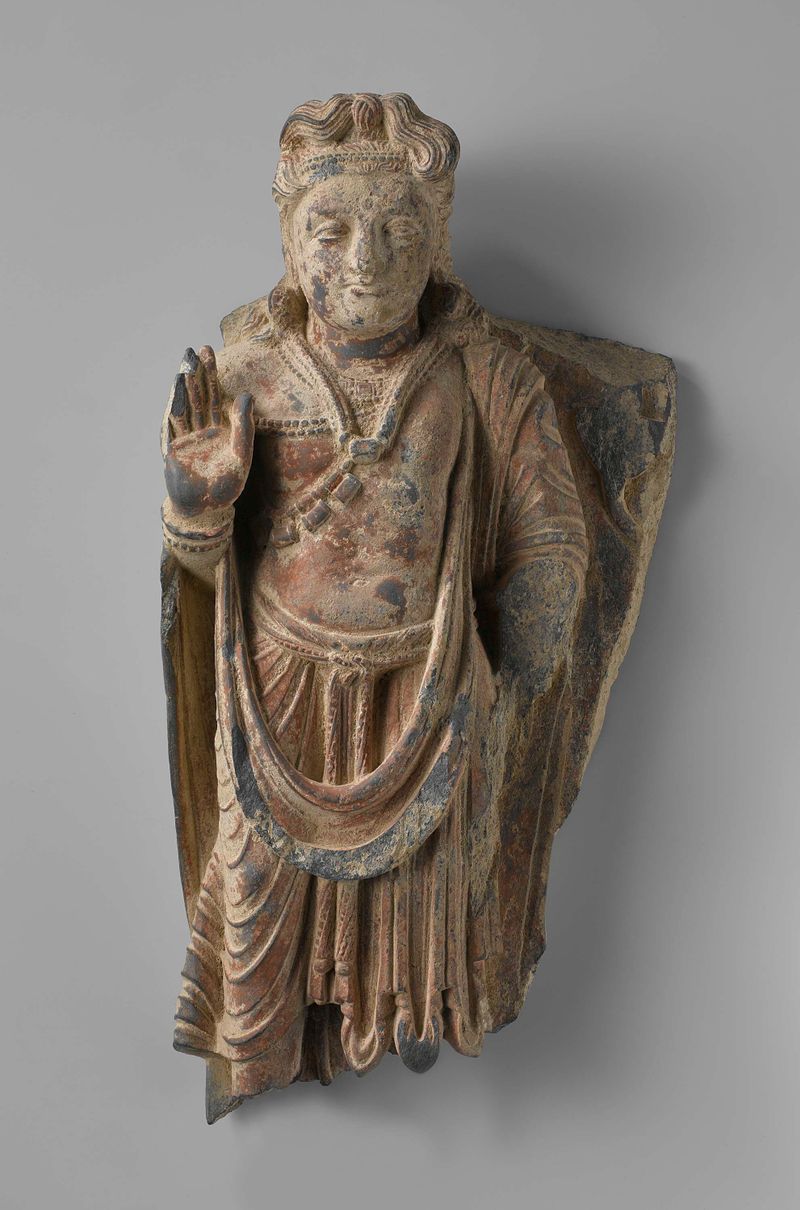
The bodhisattva Maitreya
Unknown Artist

Teabowl with a 'hare's fur' glaze
Unknown Artist