Tea caddy with a green brown glaze — History & Facts
The allure of this simple object invites us to explore the depths of desire that lie beneath its surface. The tea caddy, with its glistening green-brown glaze, serves as a vessel not only for tea but for the stories and longings of those who once owned it. Focus on the rich, earthy tones of the glaze, where deep greens meld with warm browns, creating a sense of warmth and intimacy. Notice how the light dances across the surface, revealing subtle variations that hint at the skillful artistry involved.
The caddy's smooth curves and elegant form guide your gaze, suggesting a tactile beauty that invites touch while simultaneously exuding a sense of refined restraint. Hidden within this seemingly ordinary object is a narrative of desire—perhaps the longing for connection during quiet tea ceremonies or the yearning for a moment of solace amidst bustling social gatherings. The interplay of light and shadow across its surface speaks to the tension between beauty and utility, hinting at the deeper emotional landscapes of those who cherished this caddy. The simplicity of its design belies a complexity that evokes nostalgia and contemplation. Crafted in the 18th century, this piece emerged during a time of great cultural and artistic transformation.
The fascination with porcelain and ceramic arts was growing, as were the global trade routes that allowed such objects to find their way into various households. The unknown artist contributed to a legacy of craftsmanship that celebrated both functionality and beauty, capturing the desires of a society increasingly enamored with tea and the rituals surrounding it.
More Artworks by Unknown Artist
Browse all →
Ridder, Dood en Duivel
Unknown Artist
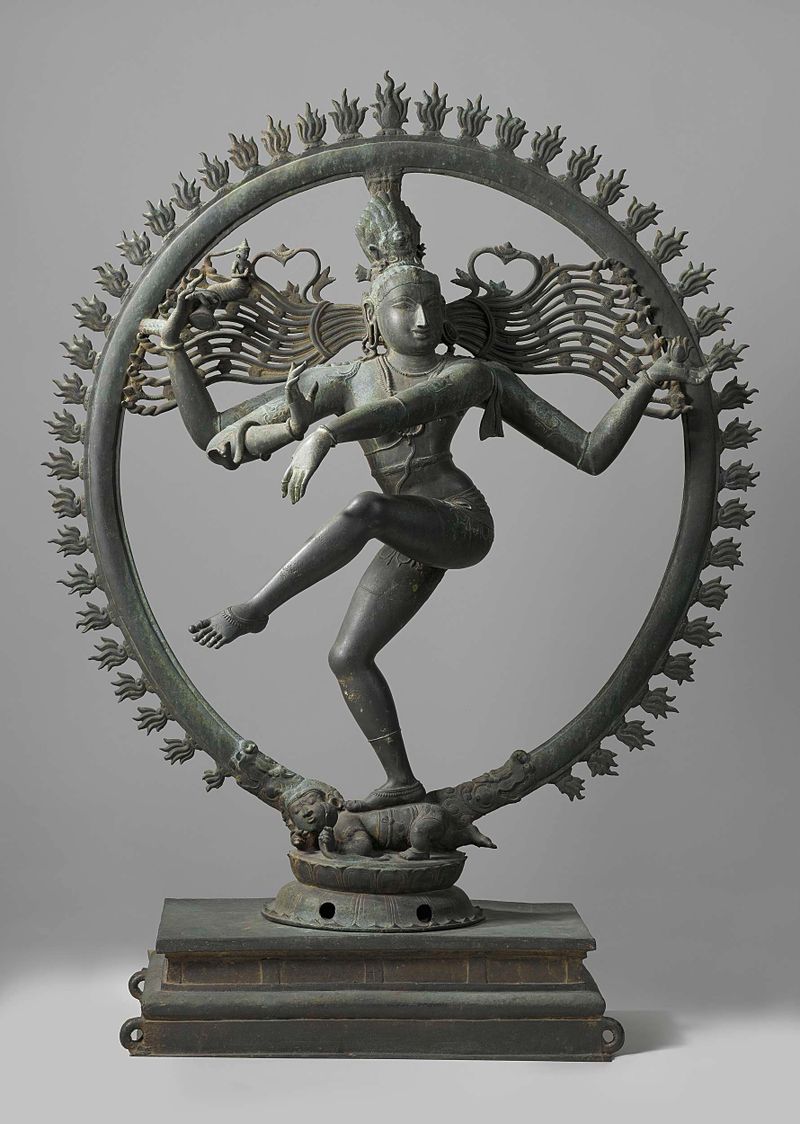
Shiva Nataraja
Unknown Artist
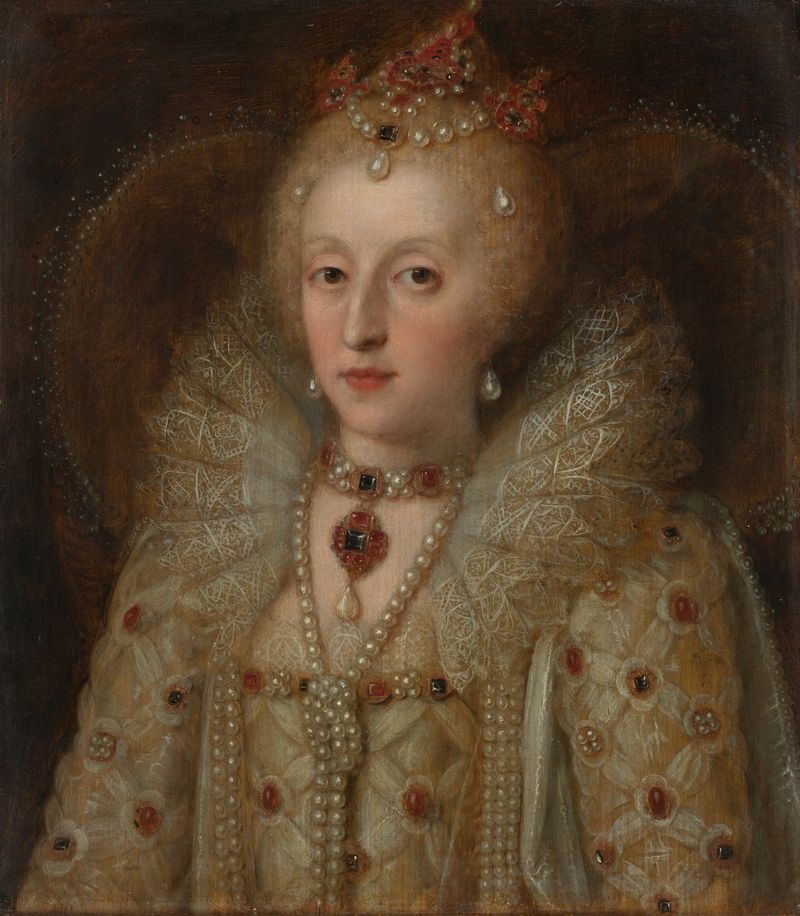
Portrait of Elizabeth I, Queen of England
Unknown Artist
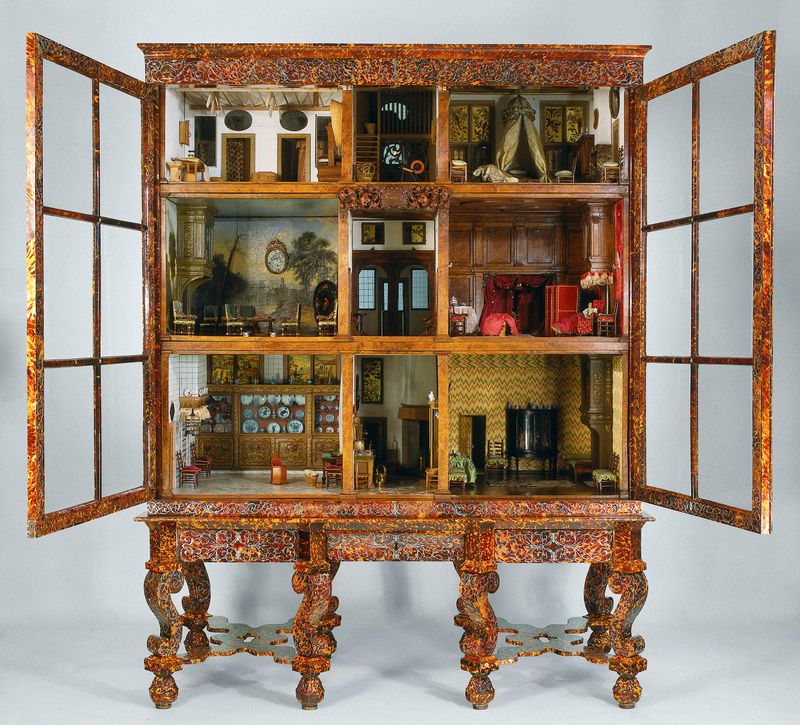
Dolls’ house of Petronella Oortman
Unknown Artist
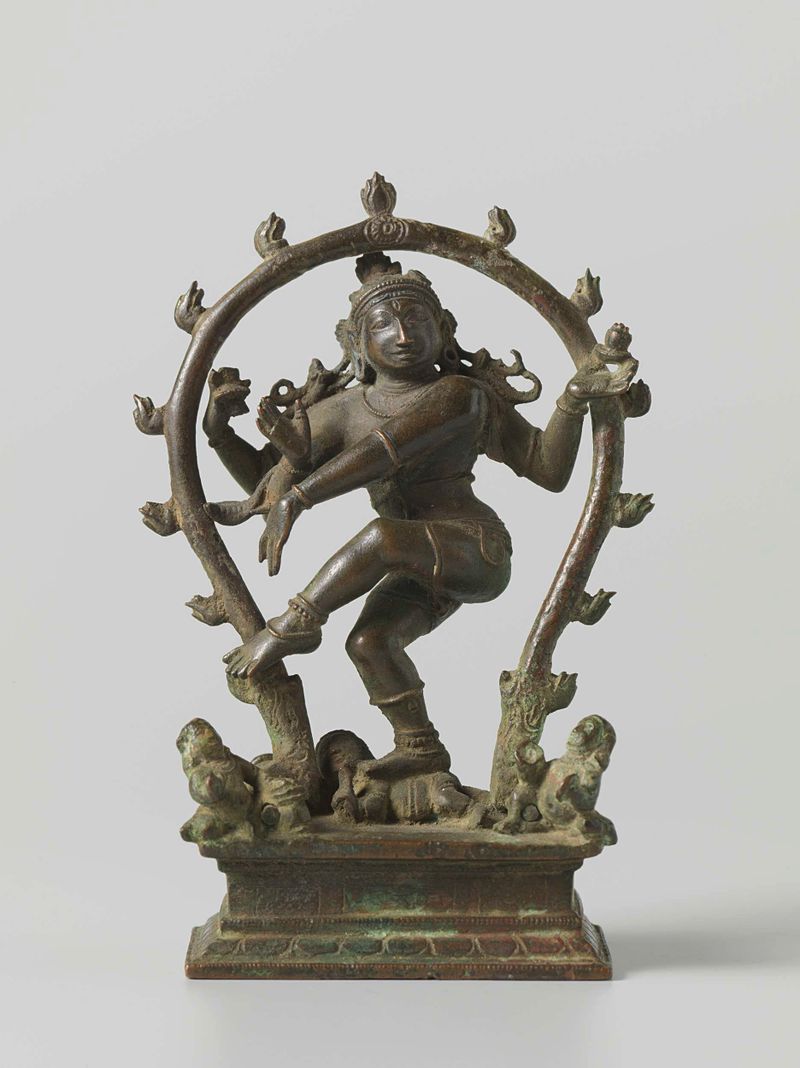
Shiva Nataraja
Unknown Artist

The Tale of Genji
Unknown Artist

The Tale of Genji
Unknown Artist

Cong
Unknown Artist
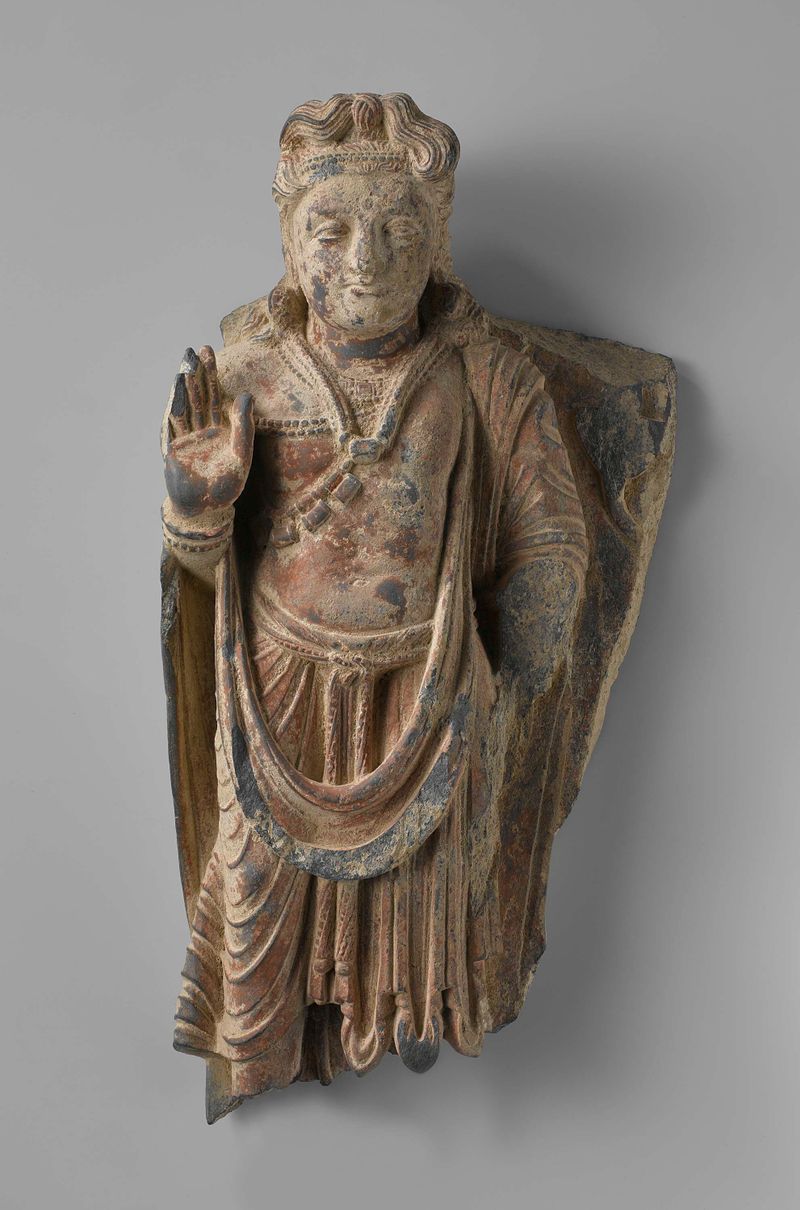
The bodhisattva Maitreya
Unknown Artist

Teabowl with a 'hare's fur' glaze
Unknown Artist