
Tea caddy with a green brown glaze — History & Facts
The delicate form of the tea caddy whispers of movement, capturing a moment that feels both anchored and fluid, as if the very essence of time has been poured into its glaze. Look closely at the surface, where the rich green-brown glaze blends smoothly into one another, reminiscent of lush landscapes captured in a fleeting glance. The gentle curves of the caddy's silhouette draw the eye upward, inviting a sense of elevation and grace. Notice how the light dances along its surface, highlighting the subtle variations in color and texture that suggest a handcrafted intimacy, a testament to the artist's skilled manipulation of material. Within the simplicity of this object lies a deep connection to the rituals of tea drinking, evoking feelings of comfort and tradition.
The earth-toned hues symbolize nature's grounding force, while the fluidity of the glaze mirrors the ebb and flow of life’s moments shared over a cup. This teapot, a vessel of experience and exchange, embodies the juxtaposition of stillness and motion, evoking a desire for connection and reflection. Created in an era marked by trade expansion and cultural exchange, this artwork emerged in a period when tea drinking became a cherished ritual among the elite. The unknown artist, working between 1700 and 1799, infused their craft with the influences of the time, drawing from both local traditions and distant inspirations.
As the world around them rapidly evolved, they preserved a piece of history, encapsulating the elegance of a moment that would otherwise slip into chaos.
More Artworks by Unknown Artist
Browse all →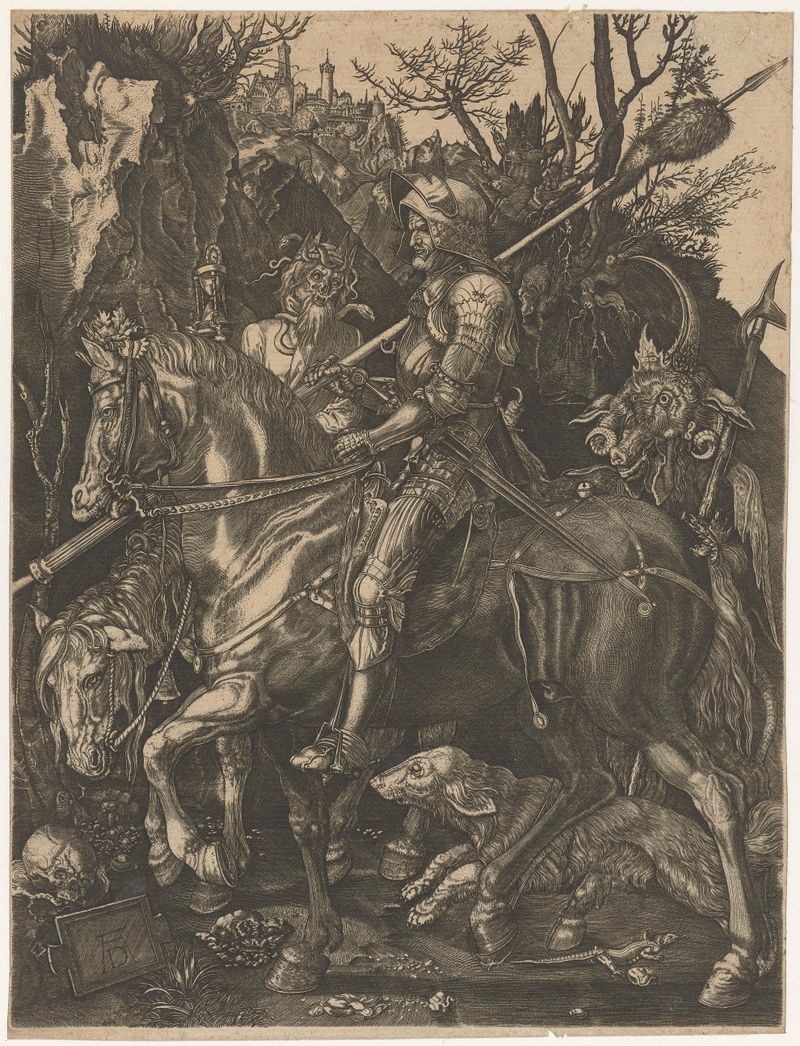
Ridder, Dood en Duivel
Unknown Artist
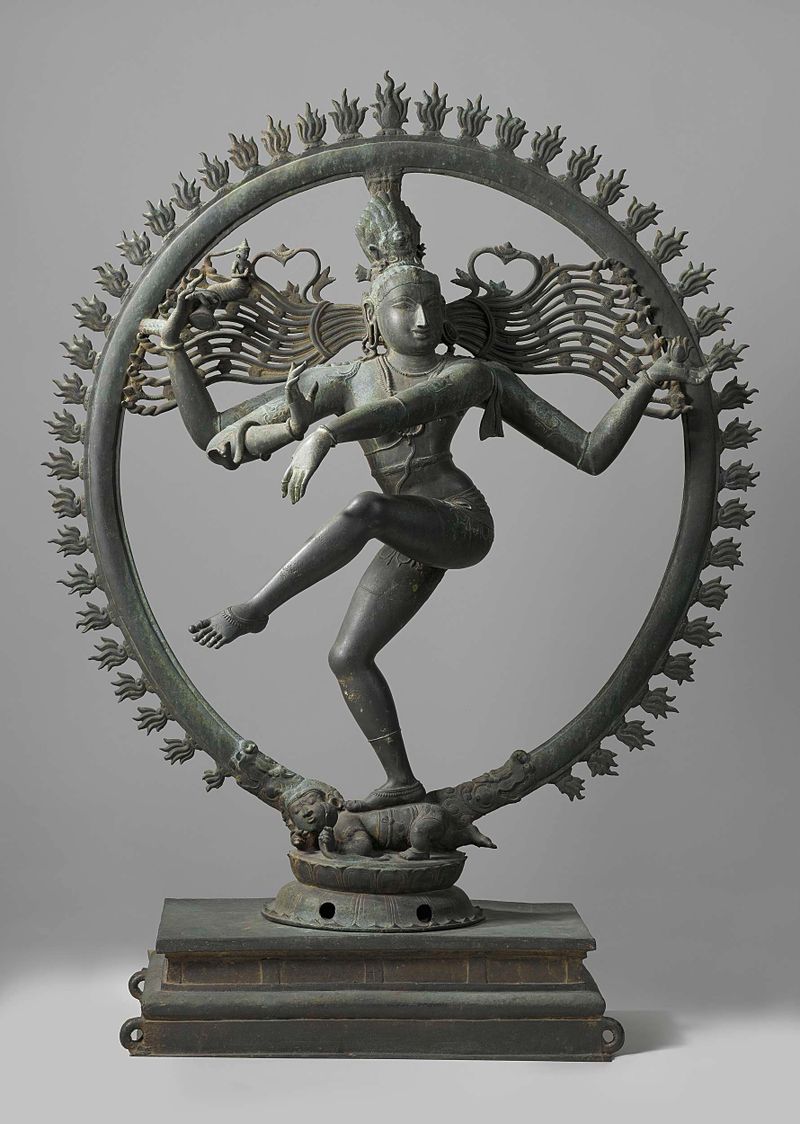
Shiva Nataraja
Unknown Artist
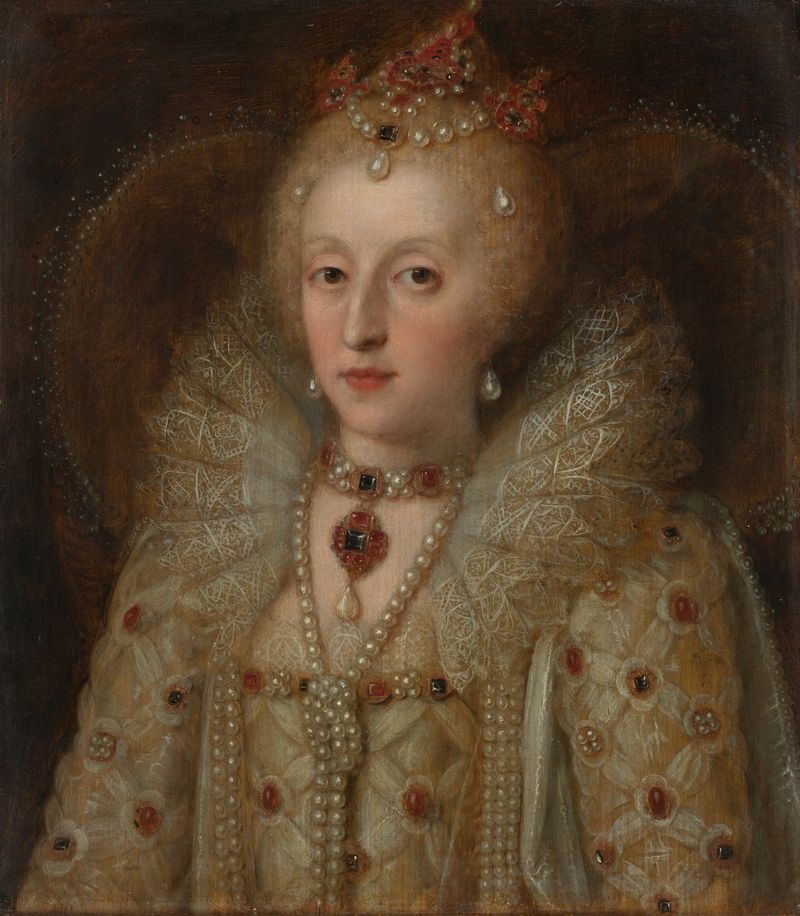
Portrait of Elizabeth I, Queen of England
Unknown Artist
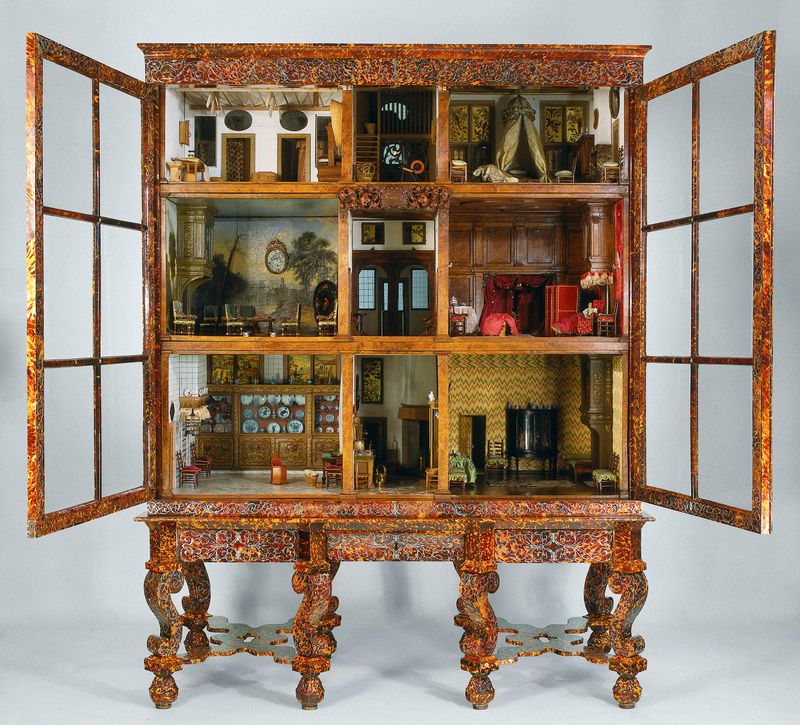
Dolls’ house of Petronella Oortman
Unknown Artist
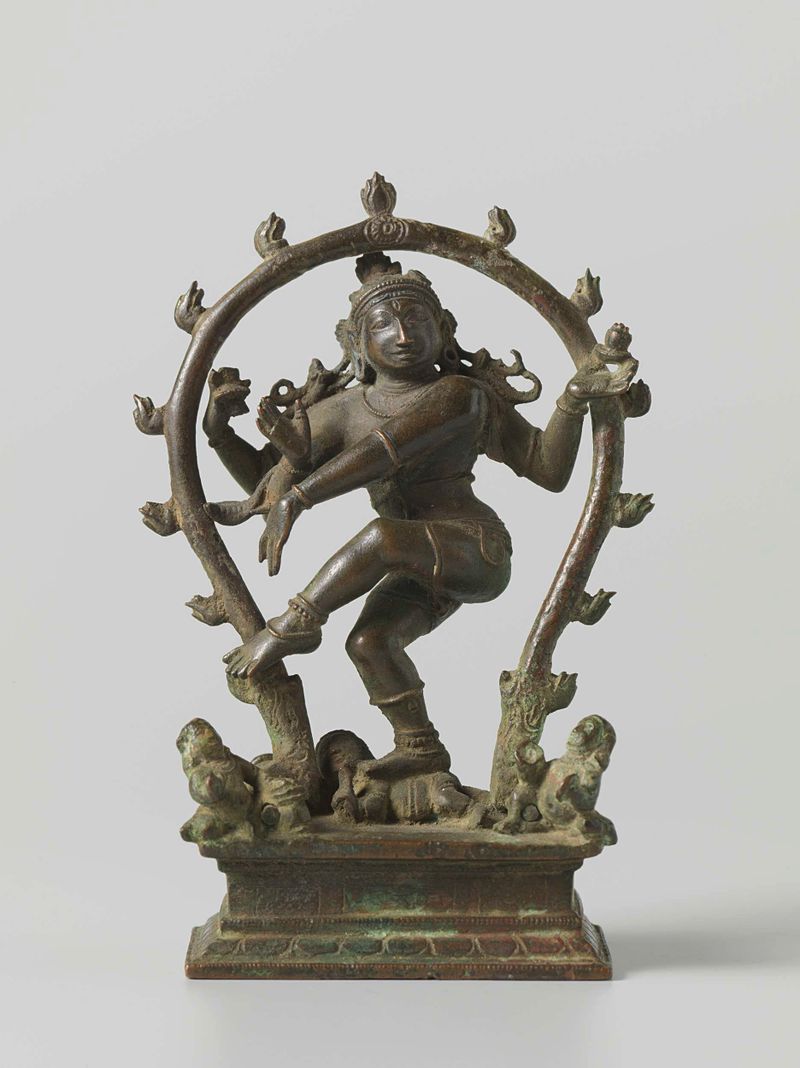
Shiva Nataraja
Unknown Artist

The Tale of Genji
Unknown Artist

The Tale of Genji
Unknown Artist

Cong
Unknown Artist
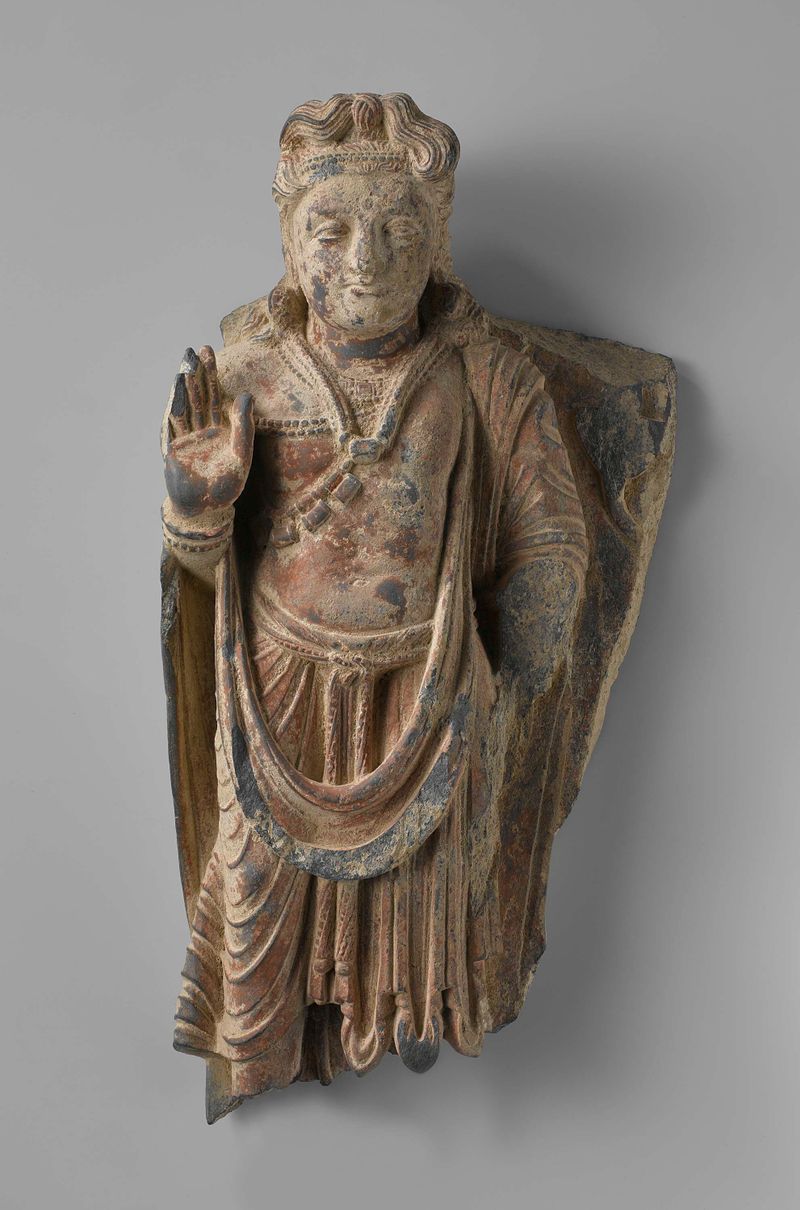
The bodhisattva Maitreya
Unknown Artist

Teabowl with a 'hare's fur' glaze
Unknown Artist



