Tea caddy with a green brown glaze — History & Facts
In the delicate chaos of artistry, the meticulous creation of a tea caddy evokes a deep connection to the past, where every imperfection tells a story. Look closely at the surface; the green-brown glaze forms a lively interplay of dark and light, inviting your gaze to ride the undulating waves of color. The subtle variations in hue echo the artist's hand, each swirl and drip a testament to the work's handmade nature. Notice how the glaze pools and settles in relief, creating a tactile landscape that speaks of both serenity and the unpredictable forces of nature. Beneath the surface lies the contrast between the functional and the ornamental.
The elegance of the caddy's shape, with its soft curves, suggests a sense of harmony, while the unpredictable glaze hints at the chaos of life itself—reminding us that perfection is often found in the irregular. This dialogue between utility and artistry captures the essence of its era, reflecting a moment when craftsmanship was both an art and a daily ritual. Created between 1800 and 1899, this tea caddy stands as a testament to a period flourishing with artistic innovation, even amid the rapid changes of industrialization. The artist, whose name remains unknown, contributed to a tradition where personal expression intertwined with everyday objects, celebrating the beauty of bespoke craftsmanship in a world increasingly leaning towards mass production.
More Artworks by Unknown Artist
Browse all →
Ridder, Dood en Duivel
Unknown Artist
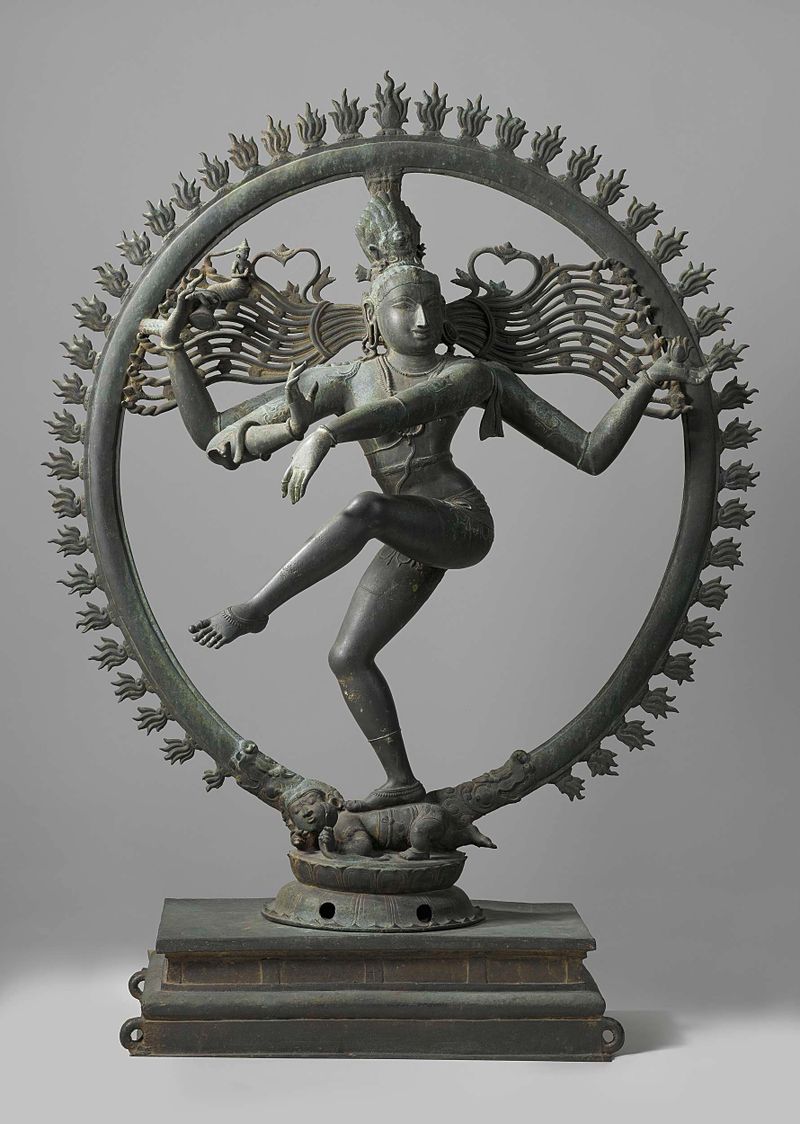
Shiva Nataraja
Unknown Artist

Portrait of Elizabeth I, Queen of England
Unknown Artist
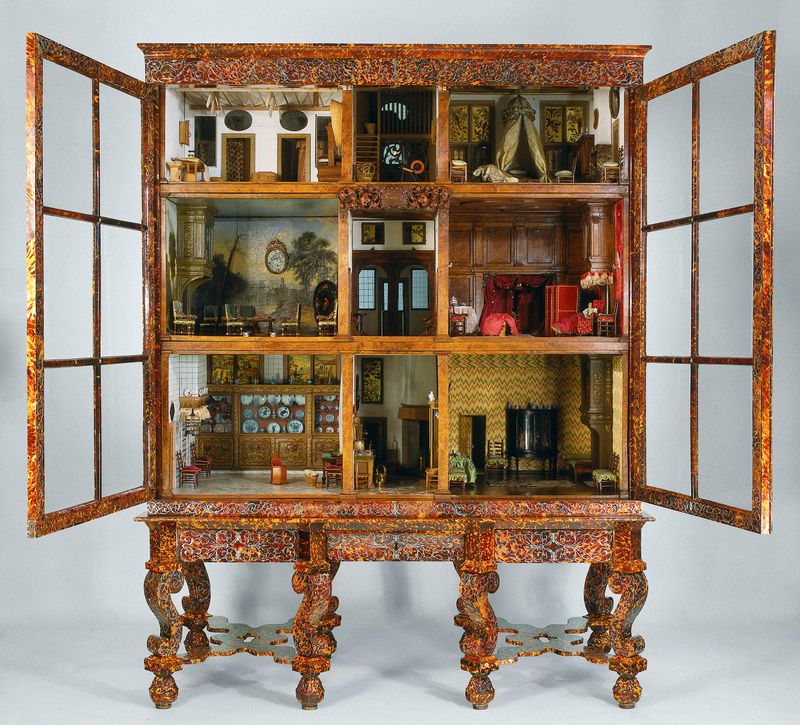
Dolls’ house of Petronella Oortman
Unknown Artist
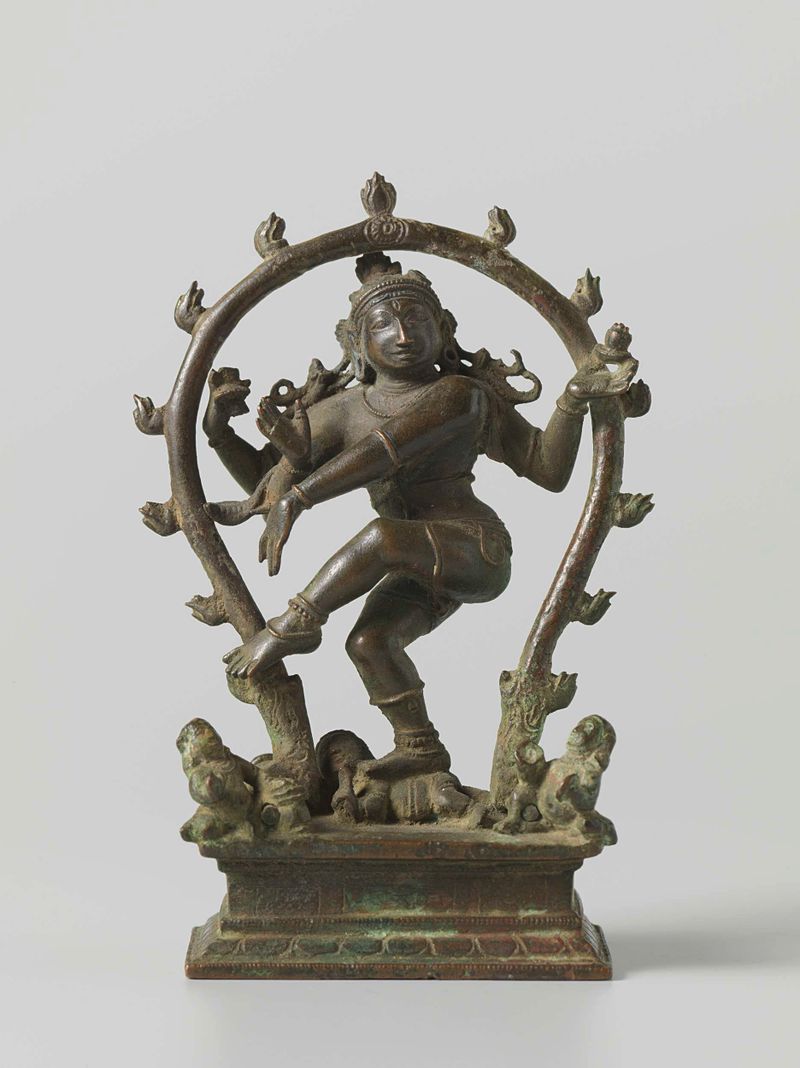
Shiva Nataraja
Unknown Artist

The Tale of Genji
Unknown Artist

The Tale of Genji
Unknown Artist

Cong
Unknown Artist
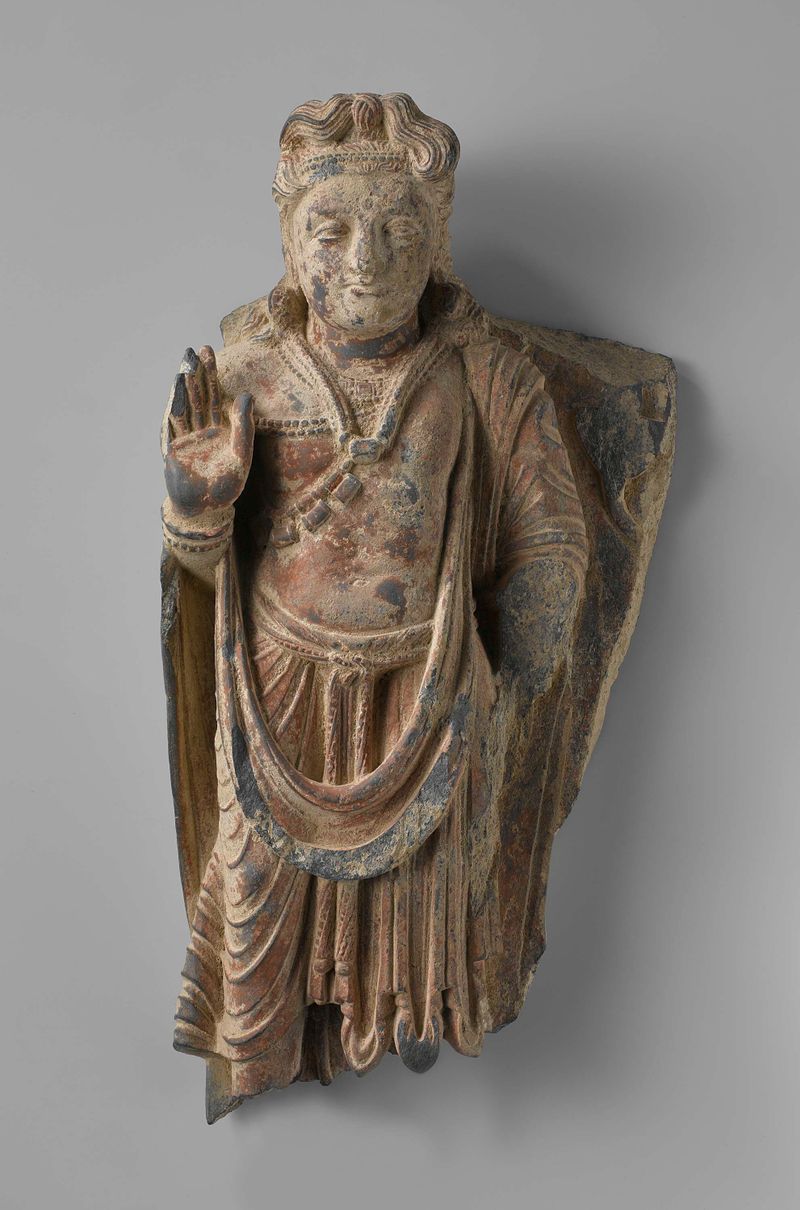
The bodhisattva Maitreya
Unknown Artist

Teabowl with a 'hare's fur' glaze
Unknown Artist