Tea caddy with a green brown glaze — History & Facts
Who listens when art speaks of silence? In the stillness of a moment, a tea caddy whispers tales of afternoons long past, evoking a powerful sense of nostalgia that resonates in its very form. Focus on the graceful curves of the caddy, each line meticulously shaped to beckon the eye and touch the heart. Notice how the rich green-brown glaze envelops its surface, creating a harmonious interplay of depth and texture that captures the light. It reflects a delicate balance between utility and beauty, suggesting not just a vessel for tea, but a cherished object steeped in connection and memory. Delve deeper into the details—the subtle variations in glazing that evoke the organic beauty of nature, perhaps a landscape just beyond reach.
This piece resonates with the contrasts of simplicity and elegance; it is at once humble and refined, hinting at the rituals of tea shared among friends or the quiet solitude of reflection. Each imperfection in the glaze tells a story of its creation, evoking the passage of time and the human touch that shaped it. This caddy emerged from a time when craftsmanship was revered, likely crafted between 1700 and 1850, as artisans dedicated their lives to creating functional yet beautiful objects. In an era marked by changing tastes and the burgeoning of the Industrial Revolution, the maker’s identity remains a mystery, yet the work stands testament to the enduring value of the personal, the handmade, and the intimate connection between object and observer.
More Artworks by Unknown Artist
Browse all →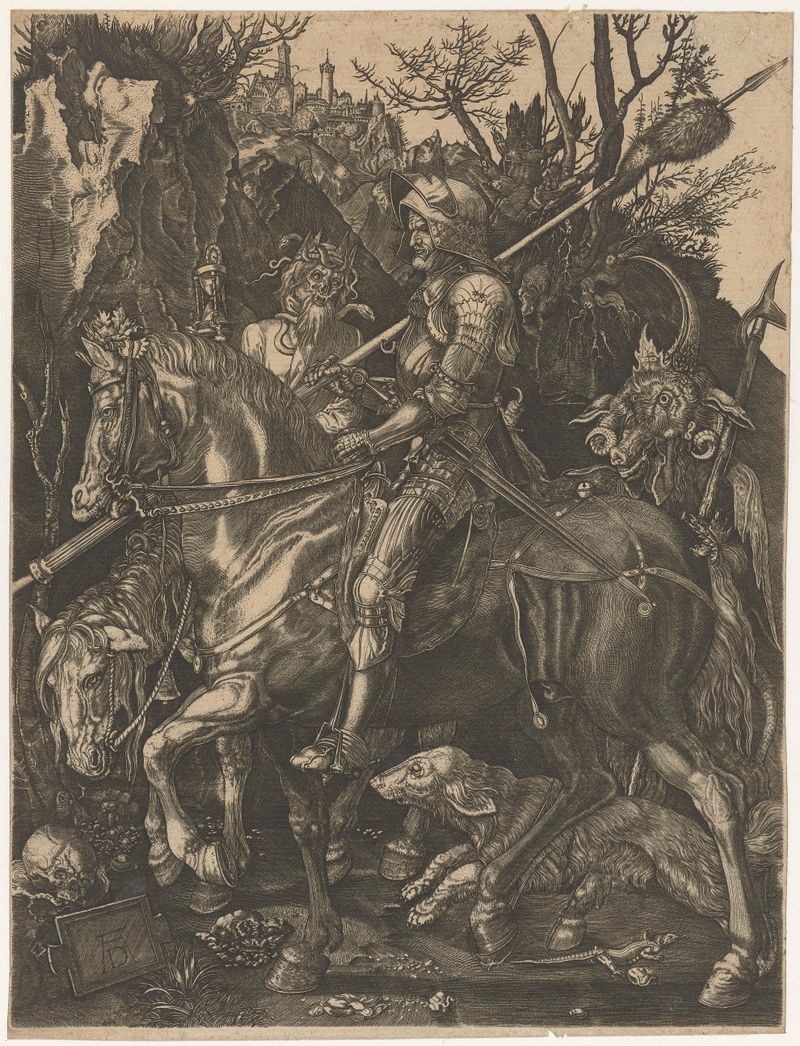
Ridder, Dood en Duivel
Unknown Artist
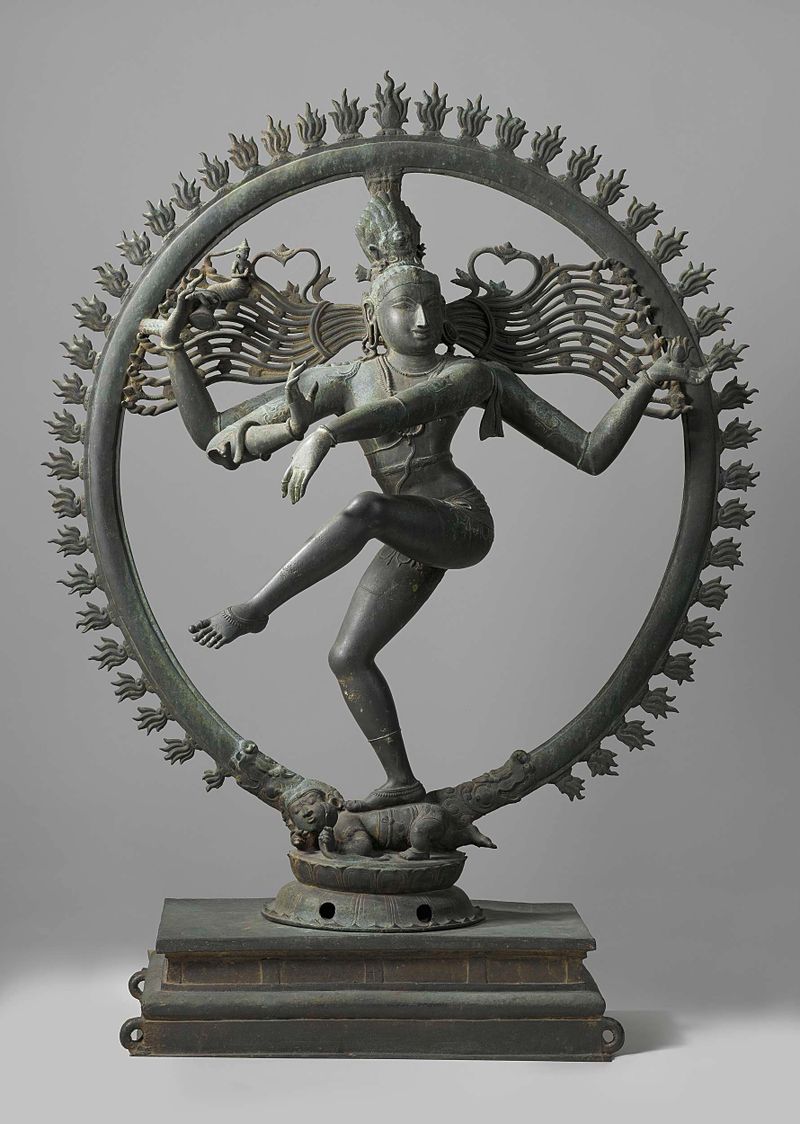
Shiva Nataraja
Unknown Artist

Portrait of Elizabeth I, Queen of England
Unknown Artist
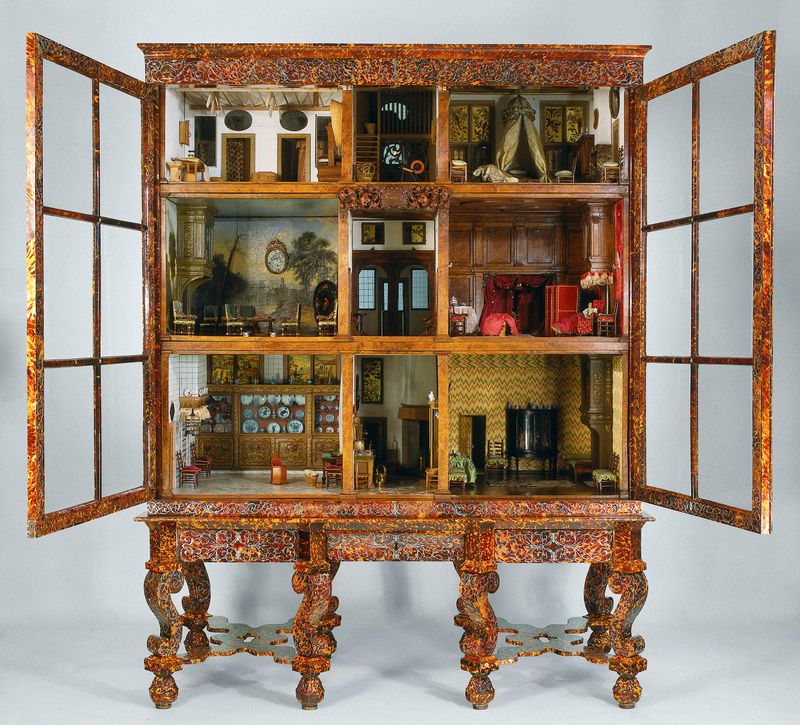
Dolls’ house of Petronella Oortman
Unknown Artist
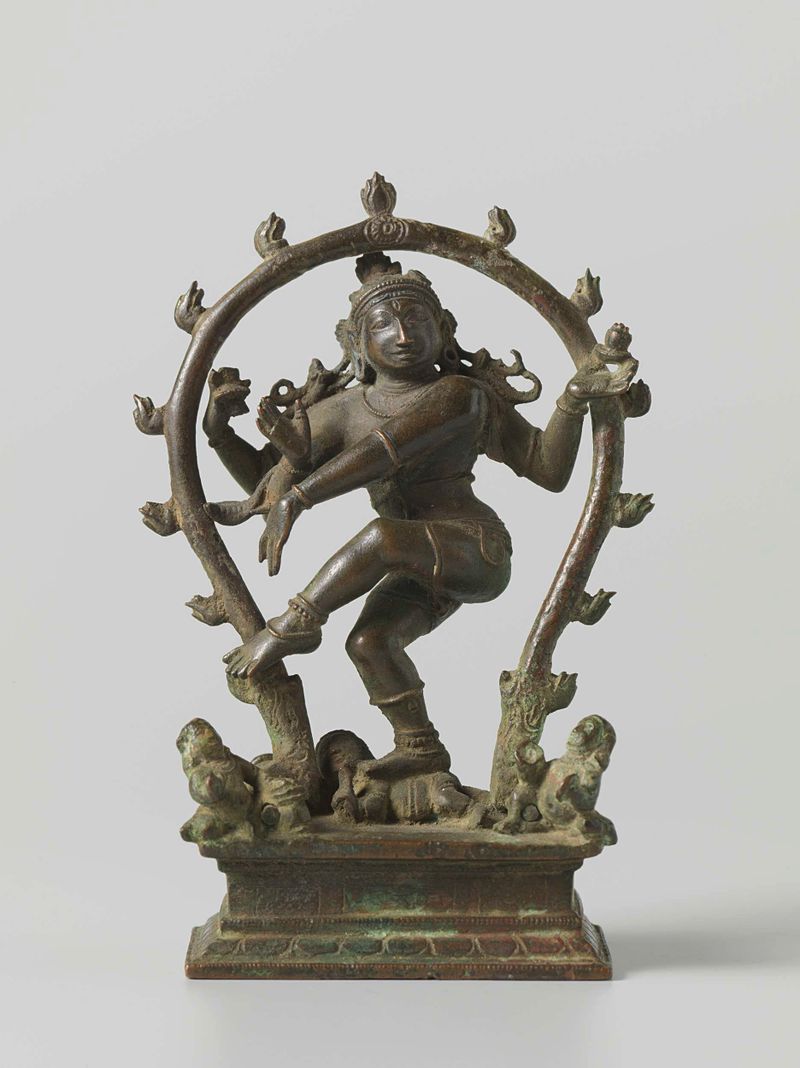
Shiva Nataraja
Unknown Artist

The Tale of Genji
Unknown Artist

The Tale of Genji
Unknown Artist

Cong
Unknown Artist
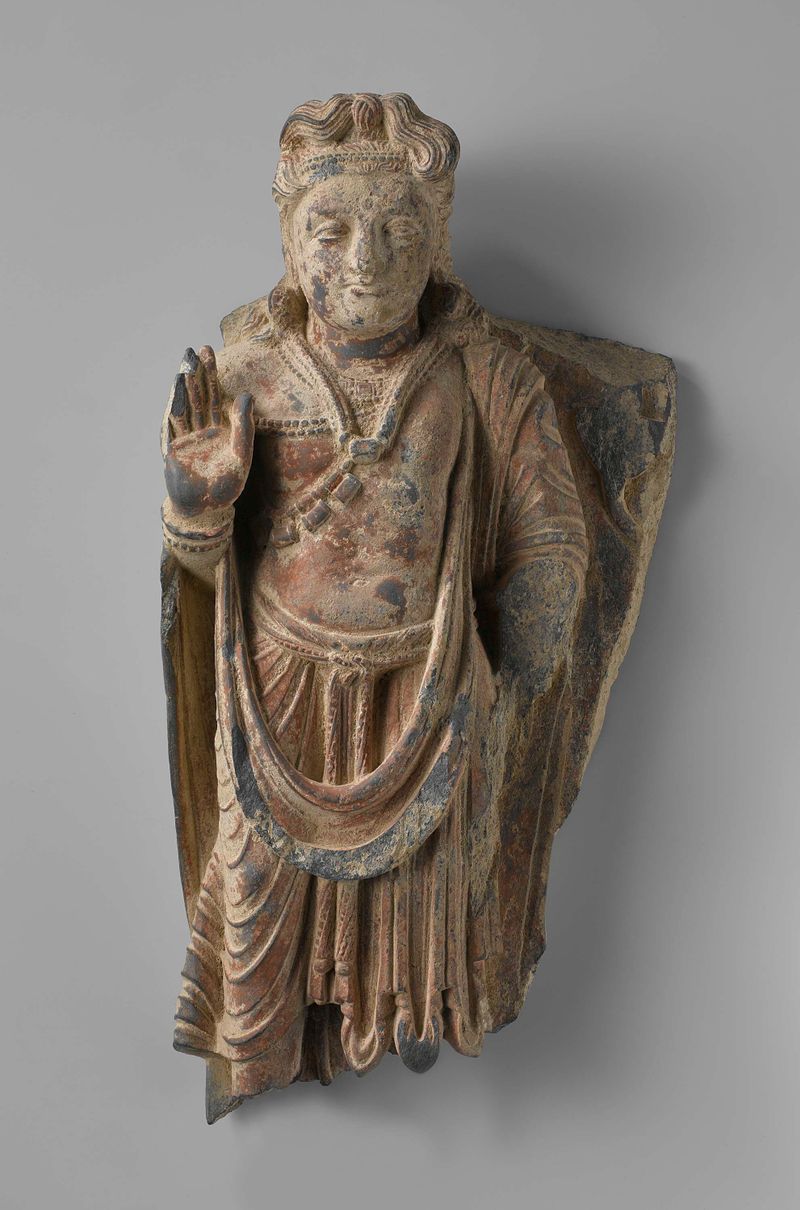
The bodhisattva Maitreya
Unknown Artist

Teabowl with a 'hare's fur' glaze
Unknown Artist