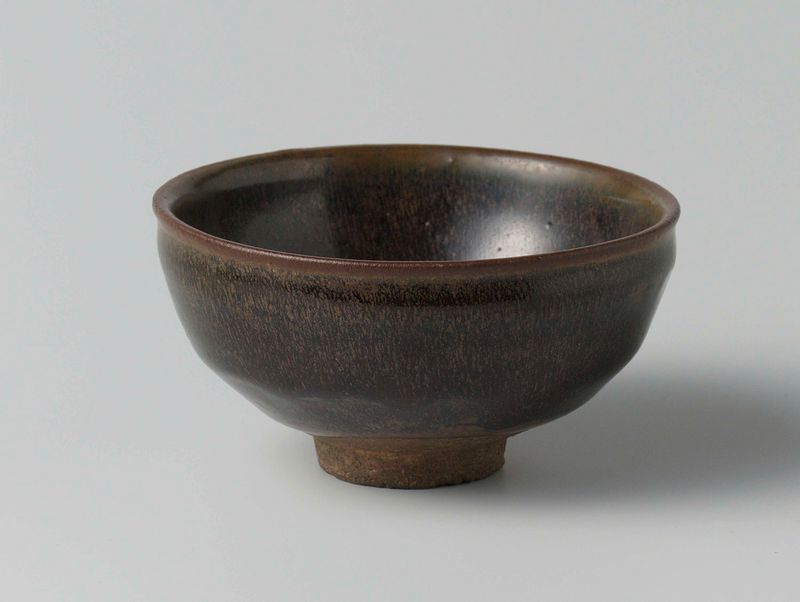
Tea caddy with a green brown glaze — History & Facts
This quiet reverberation invites contemplation of the divine, an ethereal dance between the tangible and the transcendent. Look closely at the surface of the tea caddy, where the lush green-brown glaze creates an organic energy that seems to shift with every glance. This subtle interplay of color draws the eye and invites the viewer to explore its depth. The smooth contours and quiet sheen emphasize a sense of harmony, as the vessel's form flows gracefully, celebrating craftsmanship that is both practical and exquisite. Delve further into the details, and you’ll notice the way the glaze captures the light, revealing intricate textures that evoke the passing of time and serve as a silent witness to its history.
The caddy stands as a testament to moments shared over tea, yet it also hints at sacred rituals, where everyday objects can embody the divine. This duality of function and art invites a reflection on what we value in both life and spirituality, the ordinary and the extraordinary existing side by side. Crafted between 1700 and 1850, this piece stems from an era rich in innovation and cultural exchange, though its artist remains a mystery. During this period, ceramics flourished as a medium, blending traditional techniques with evolving tastes.
The tea caddy embodies not only the aesthetic values of its time but also the growing appreciation for the intimate act of tea drinking, a ritual that transcends mere consumption to touch upon the divine experience of connection and mindfulness.
More Artworks by Unknown Artist
Browse all →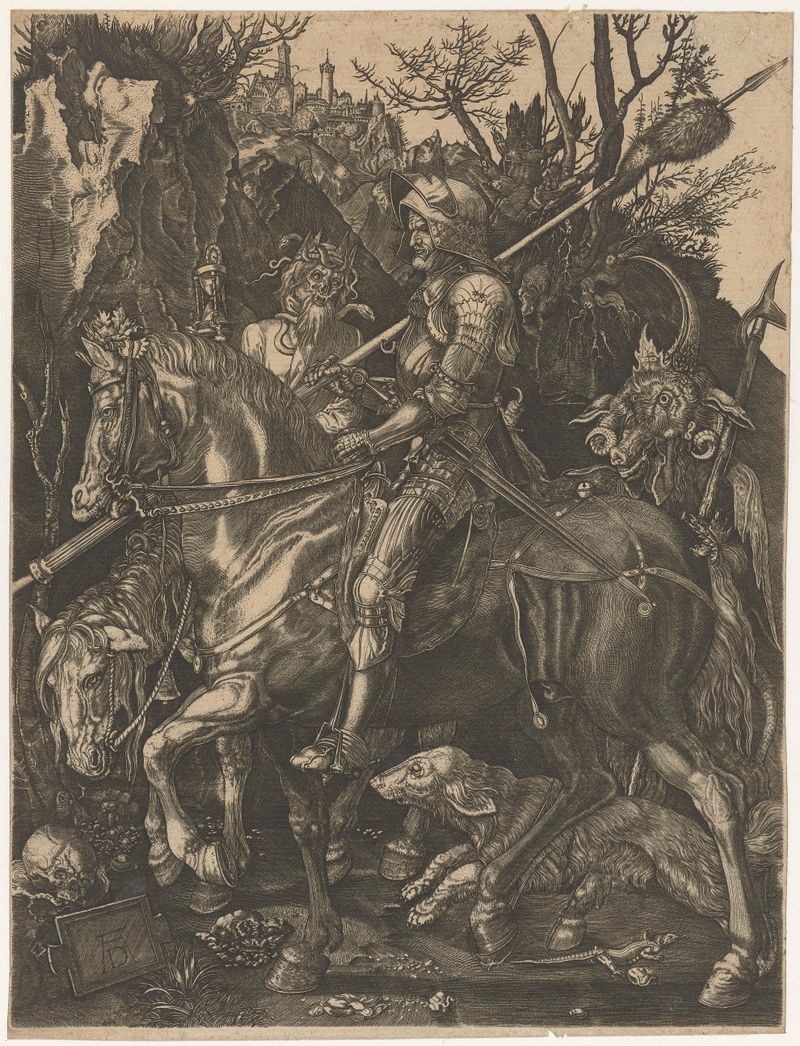
Ridder, Dood en Duivel
Unknown Artist
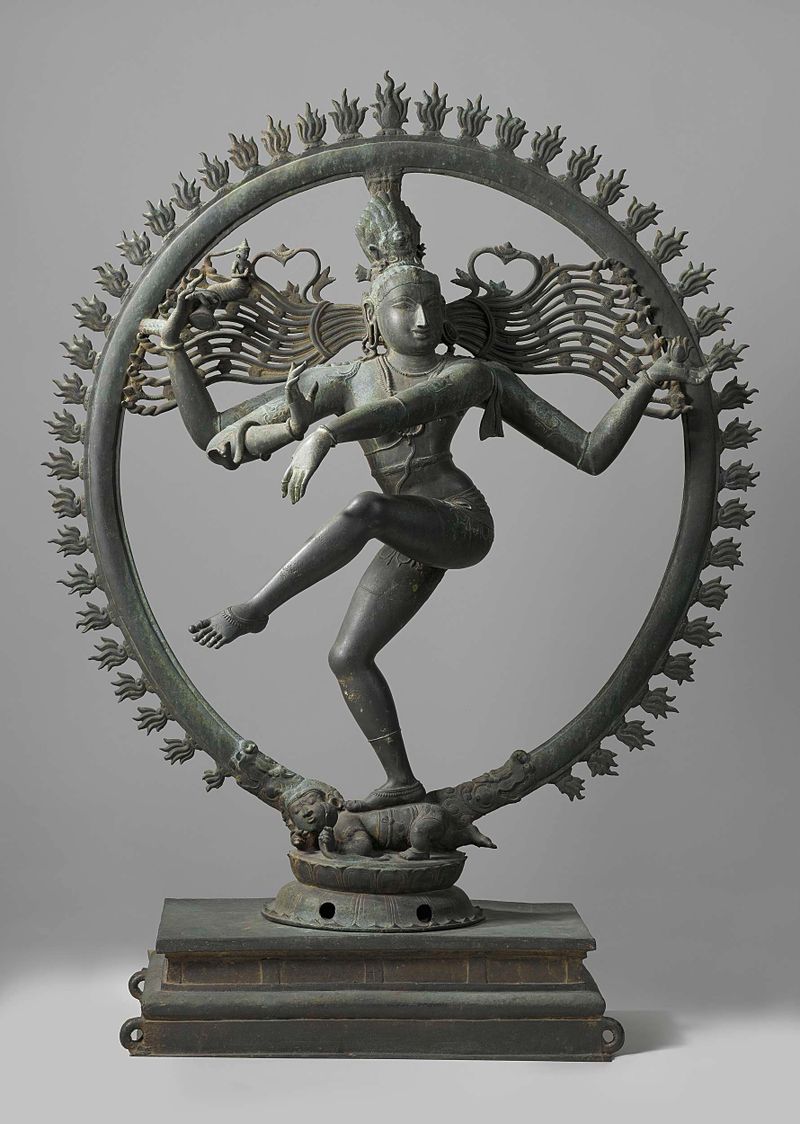
Shiva Nataraja
Unknown Artist

Portrait of Elizabeth I, Queen of England
Unknown Artist
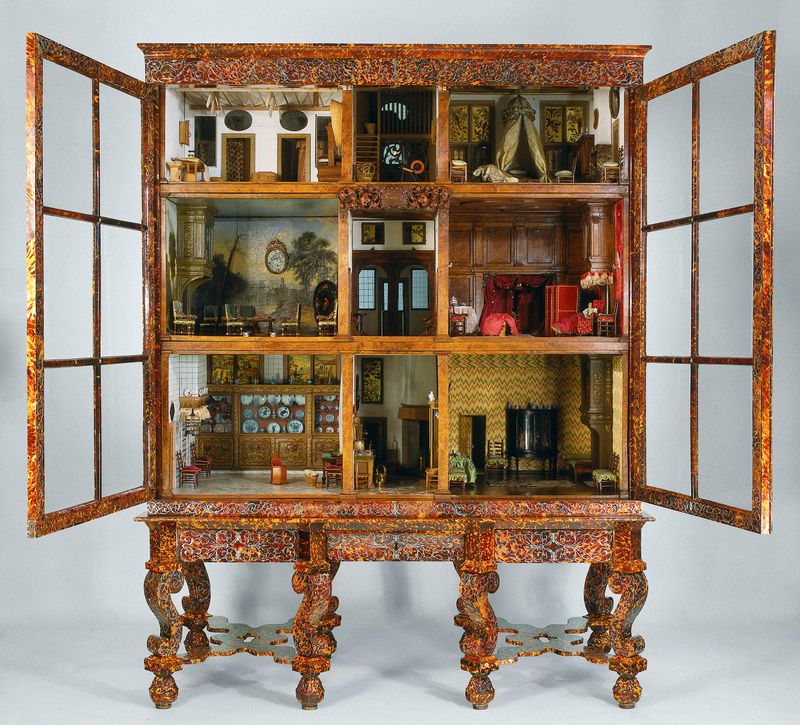
Dolls’ house of Petronella Oortman
Unknown Artist
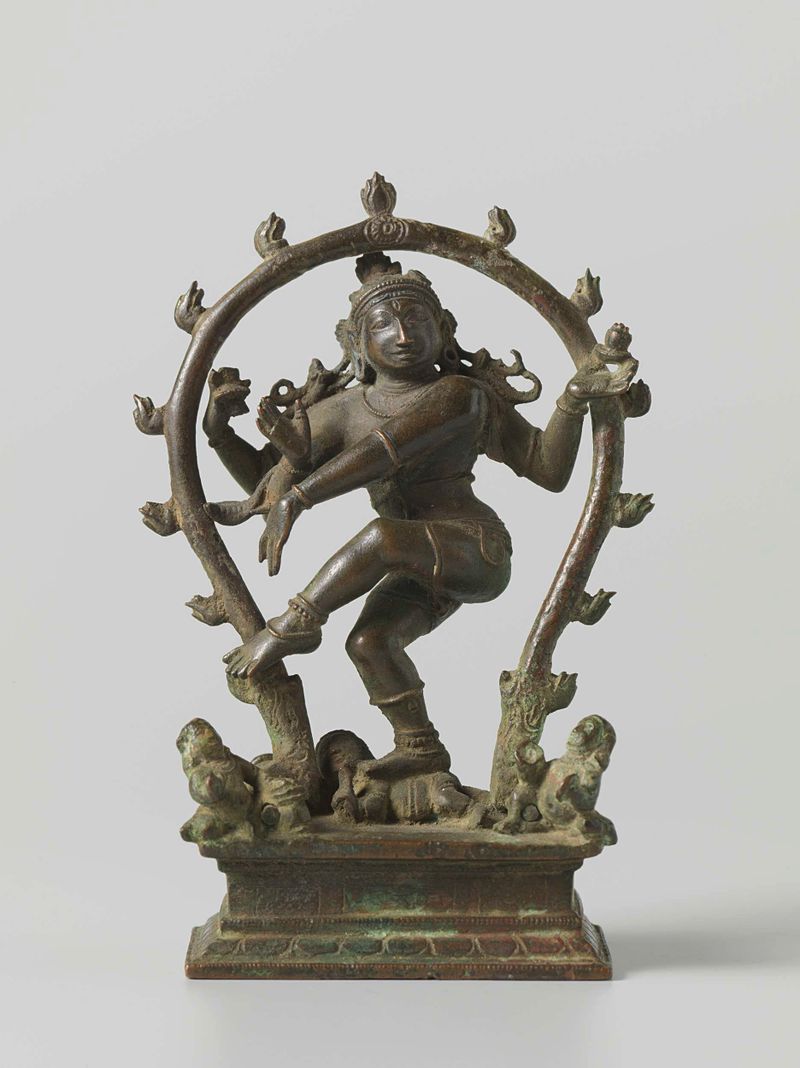
Shiva Nataraja
Unknown Artist

The Tale of Genji
Unknown Artist

The Tale of Genji
Unknown Artist
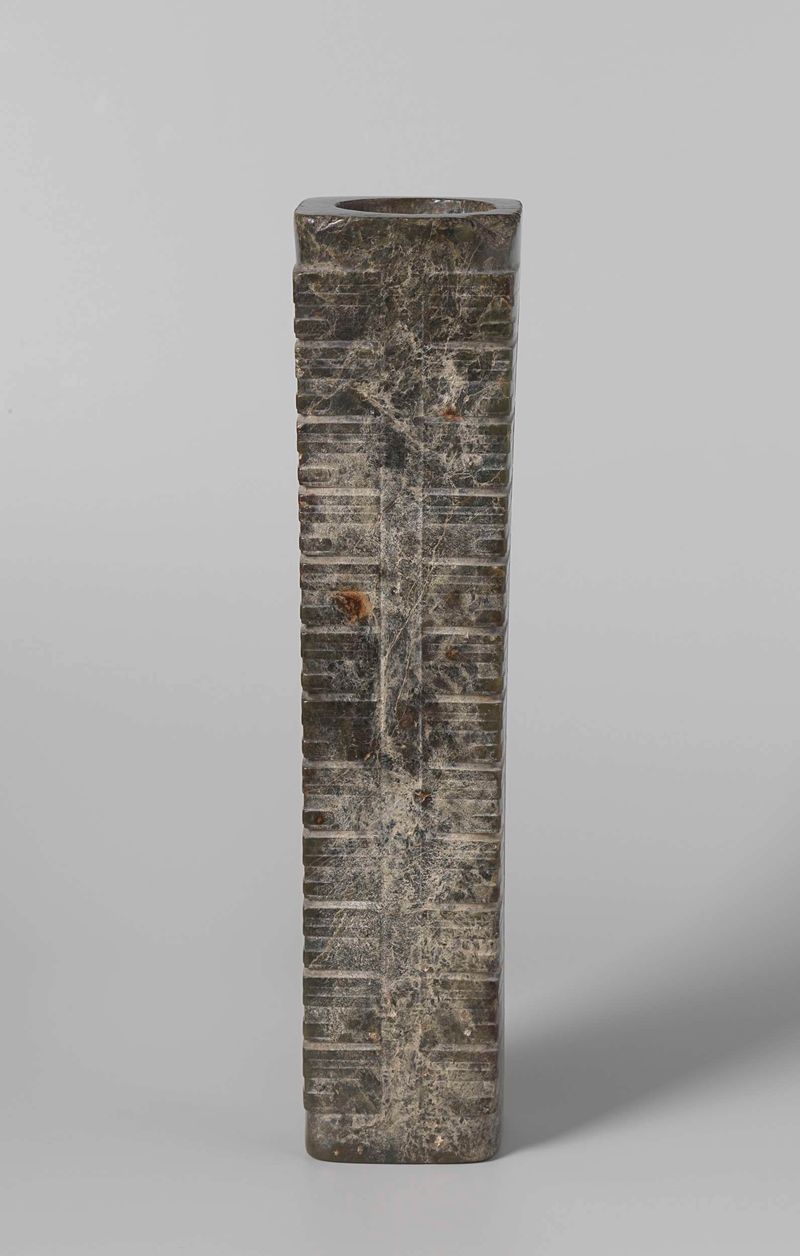
Cong
Unknown Artist
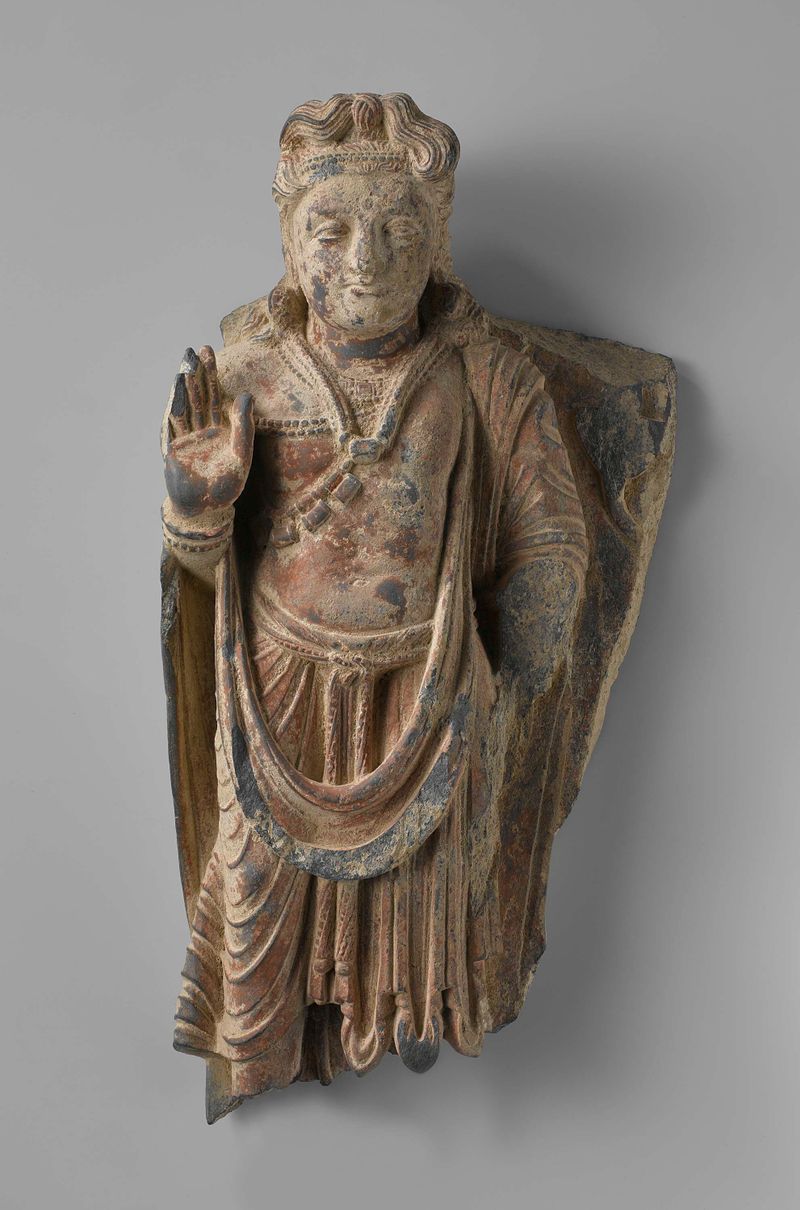
The bodhisattva Maitreya
Unknown Artist
Teabowl with a 'hare's fur' glaze
Unknown Artist