
Tell’s Chapel, Lake Lucerne — History & Facts
Who listens when art speaks of silence? In Tell’s Chapel, Lake Lucerne, truth emerges from the void, inviting introspection amidst its tranquil yet profound setting. Look to the center of the canvas, where the modest chapel stands resolute against the backdrop of rugged mountains. The interplay of light and shadow creates a luminous halo around the structure, suggesting both sanctuary and isolation. Notice how the swirling clouds above seem to echo the chapel's silent strength, their soft, watercolor-like strokes blurring the boundaries between heaven and earth.
The muted palette, dominated by blues and greys, fosters an atmosphere of contemplation, drawing viewers deeper into the scene. Beneath the surface, this artwork explores themes of humanity and nature's indifference. The chapel, a symbol of faith, contrasts sharply with the looming mountains, which appear timeless and unyielding. Each brushstroke captures the weight of existence, as if the landscape itself is both a witness and a participant in the sacred stillness.
The viewer feels the duality of reverence and insignificance, a reminder that while human endeavors are small, they still seek meaning amid the vastness. Turner created this piece in 1841 during a period of great personal and artistic transformation. Living in England, he was becoming increasingly recognized for his innovative use of light and color. The Romantic movement was at its peak, celebrating the sublime beauty of nature and the emotional power of art.
As Turner grappled with his evolving style, Tell’s Chapel, Lake Lucerne became a testament to his ability to merge realism with ethereal impressions, echoing the era's quest for deeper truths.
More Artworks by Joseph Mallord William Turner
Browse all →
Dort or Dordrecht- The Dort Packet-Boat from Rotterdam Becalmed
Joseph Mallord William Turner
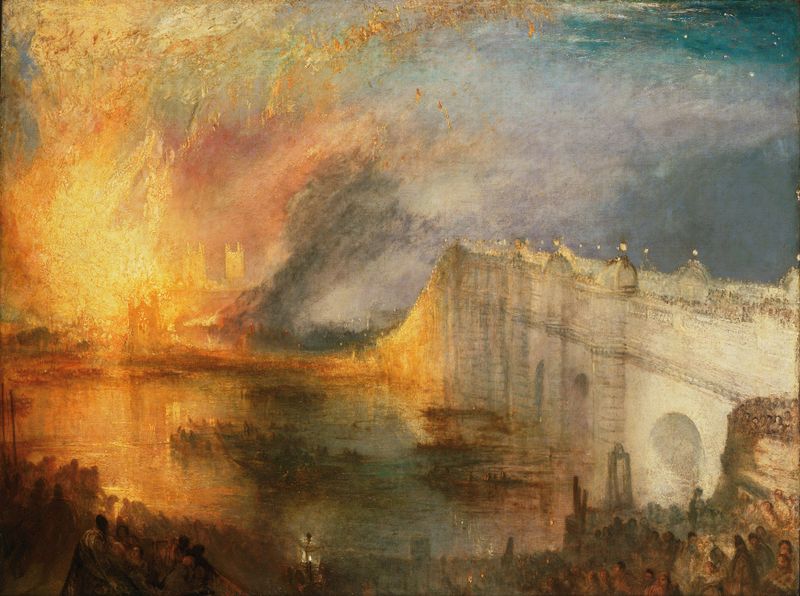
The Burning of the Houses of Lords and Commons, October 16, 1834
Joseph Mallord William Turner
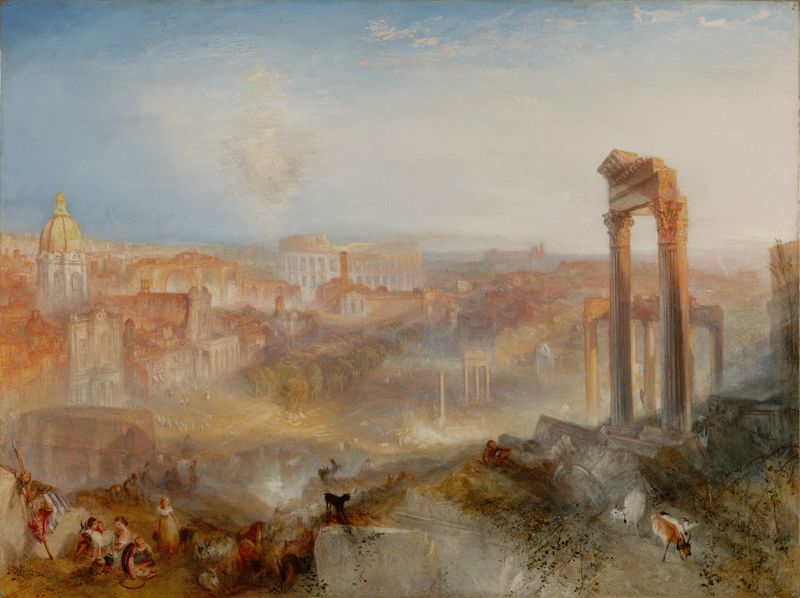
Modern Rome – Campo Vaccino
Joseph Mallord William Turner
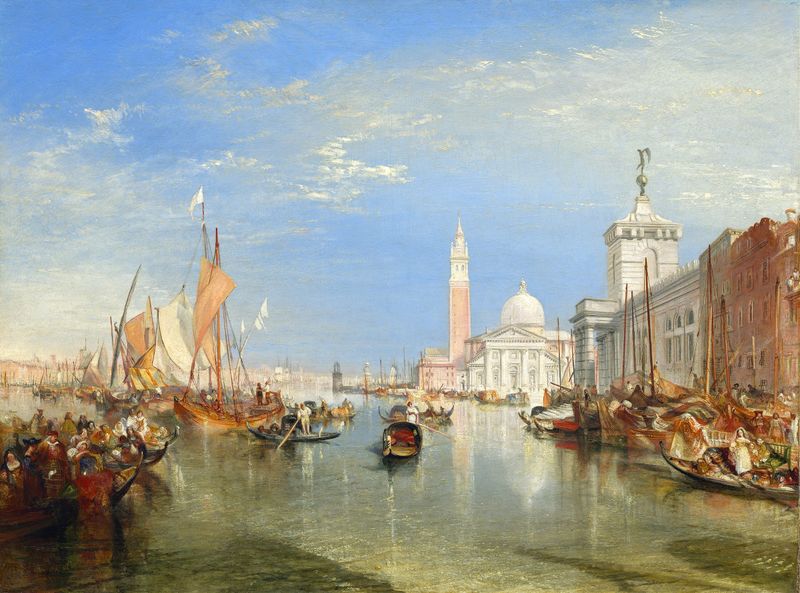
Venice – The Dogana and San Giorgio Maggiore
Joseph Mallord William Turner

The Burning of the Houses of Lords and Commons, 16 October 1834
Joseph Mallord William Turner
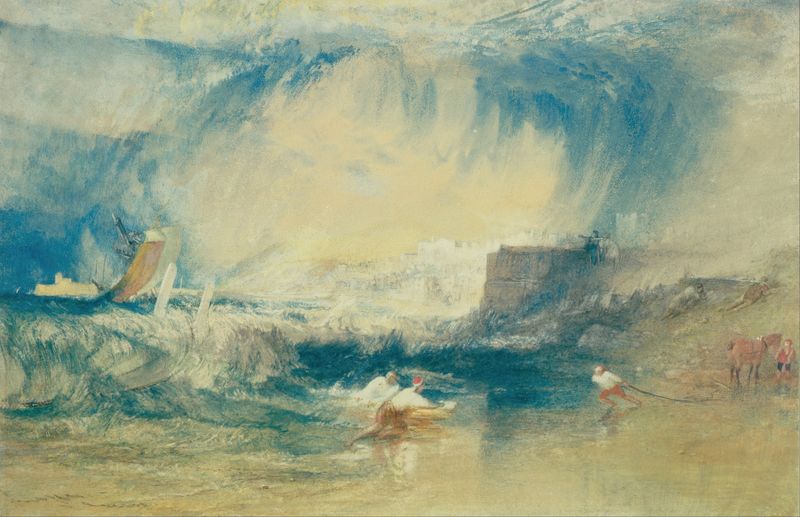
Lyme Regis, Dorsetshire, England
Joseph Mallord William Turner
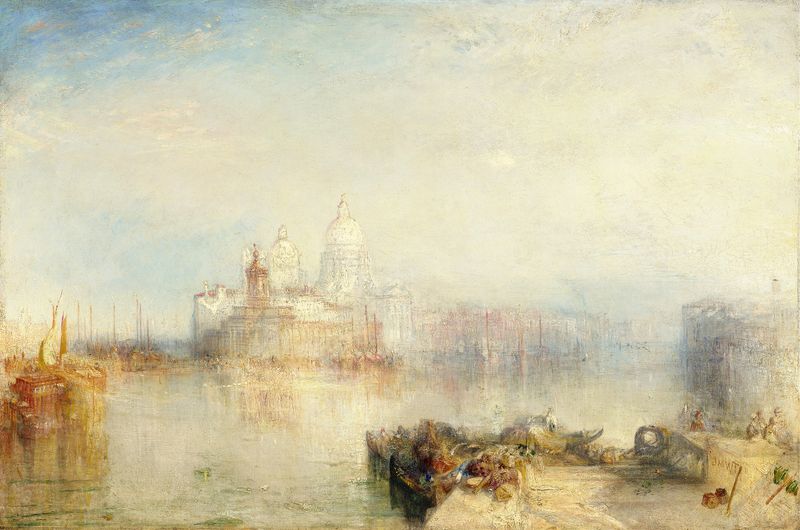
The Dogana and Santa Maria della Salute, Venice
Joseph Mallord William Turner
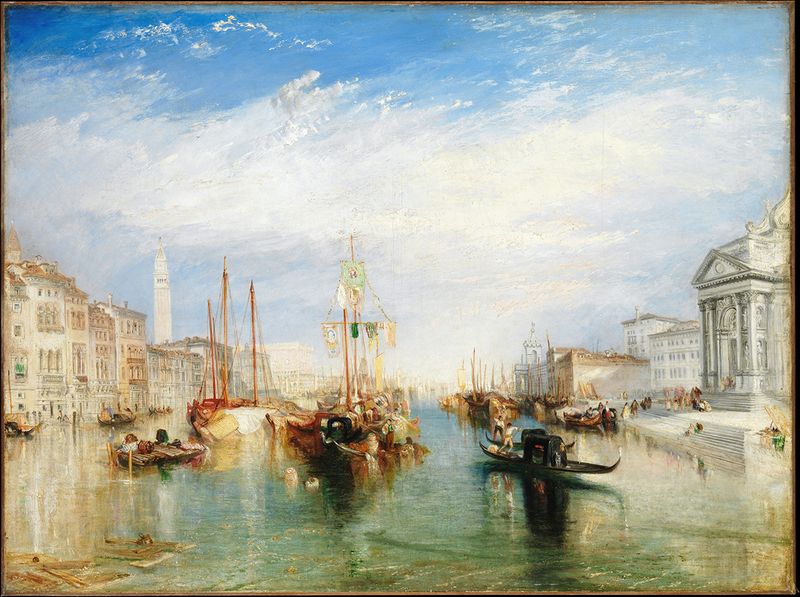
Venice, from the Porch of Madonna della Salute
Joseph Mallord William Turner
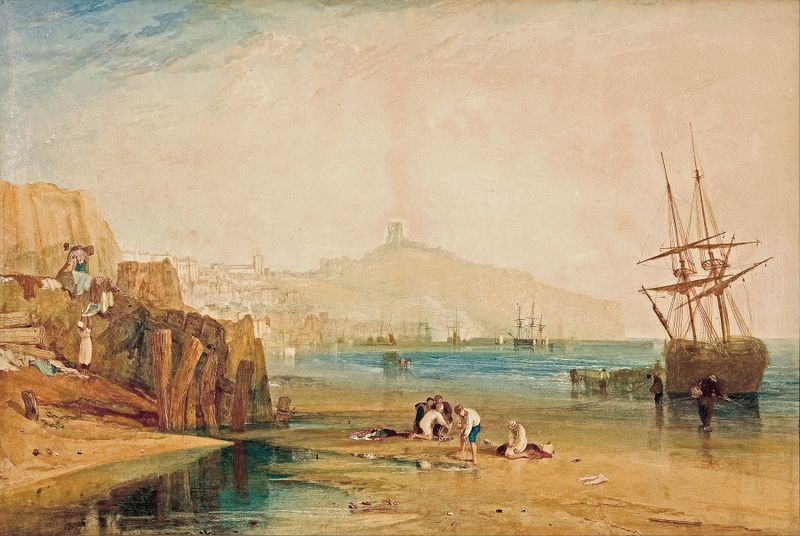
Scarborough town and castle; morning; boys catching crabs
Joseph Mallord William Turner
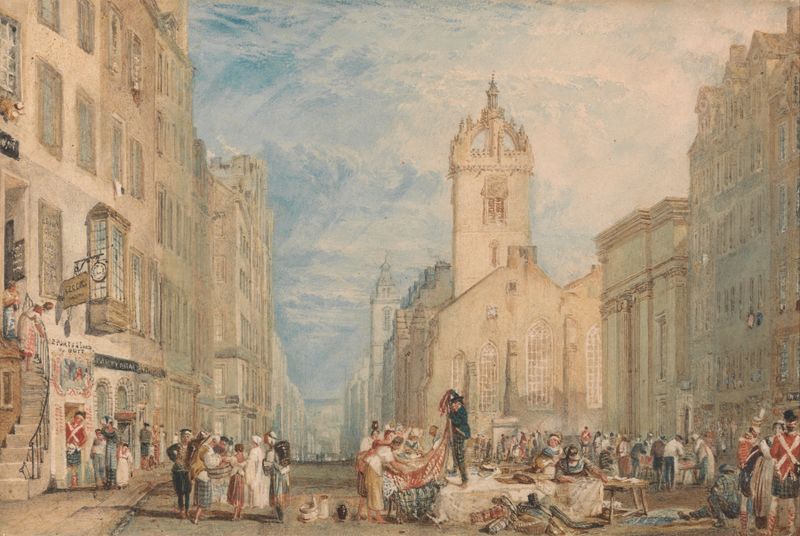
High Street, Edinburgh
Joseph Mallord William Turner





