
Tempelreiniging — History & Facts
What secret hides in the quiet of the canvas? Beneath the meticulous detail of Albrecht Dürer’s Tempelreiniging, a whirlwind of chaos simmers, inviting reflection on the tension between sacred order and human turmoil. Look to the center where figures are energetically engaged in the act of cleansing the temple. The vivid expressions on their faces and the dynamic poses create an immediate sense of movement that contrasts starkly with the serene architecture surrounding them. The palette of earthy tones emphasizes the gravity of their labor, while dashes of bright color highlight the urgency of their actions, guiding the viewer’s eye through the composition like a current through a river. Deeper still, the juxtaposition of the temple’s architectural grandeur against the chaotic scene below suggests a commentary on the fragility of sanctity in the face of human flaws.
Notice how the figures' intense focus and determination may reflect the turmoil within their souls, hinting at the inner struggle between divine purpose and earthly distraction. The angle of the light falling through the temple's columns evokes a sense of hope, yet it remains overshadowed by the chaos unfolding beneath it. Dürer created Tempelreiniging between 1508 and 1509, a period marked by his growing prominence in the Northern European art scene. Living in Nuremberg, he was deeply influenced by the Renaissance's humanist ideals while simultaneously grappling with the spiritual disquiet of the Reformation.
This work, rich in detail and profound in meaning, captures a pivotal moment not only in the artist's career but also in the cultural landscape of his time.
More Artworks by Albrecht Dürer
Browse all →
Melancholia
Albrecht Dürer
Melancholie
Albrecht Dürer

Neushoorn
Albrecht Dürer
Knight, Death, and the Devil
Albrecht Dürer

De vier ruiters van de apocalyps
Albrecht Dürer

De vier ruiters van de apocalyps
Albrecht Dürer
De Heilige Hiëronymus in zijn studeervertrek
Albrecht Dürer
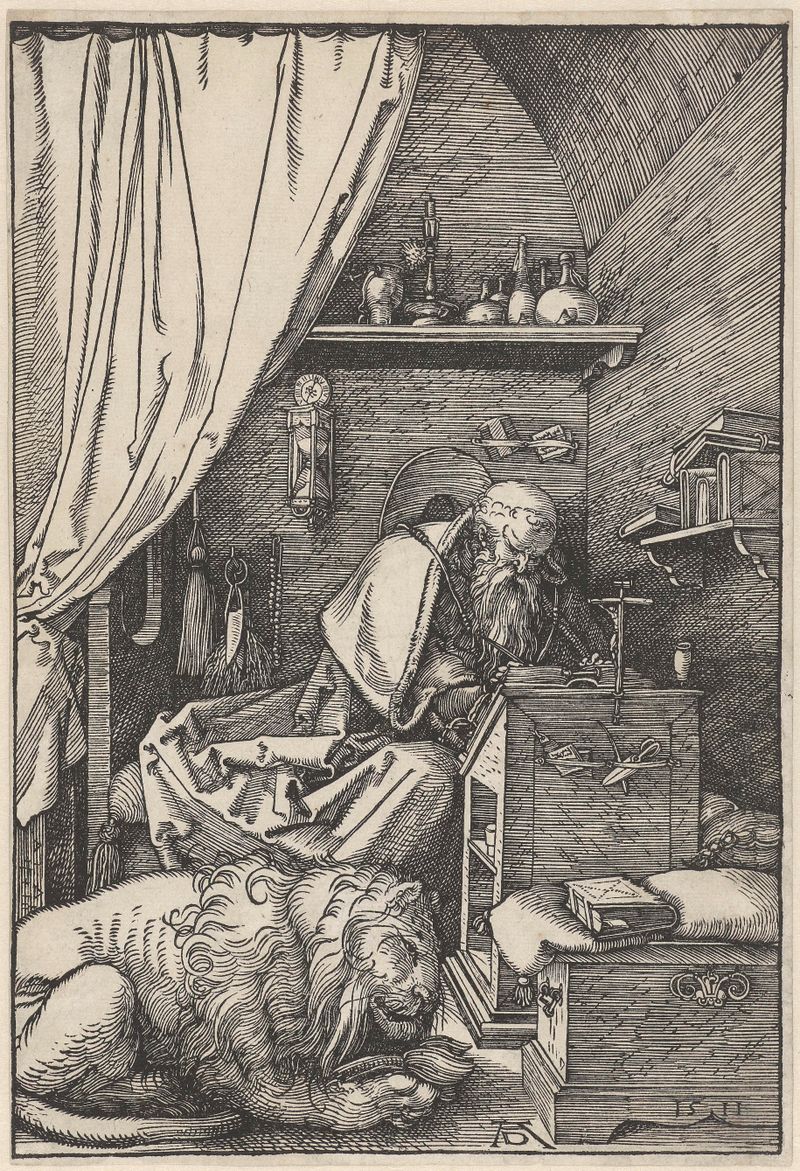
De Heilige Hiëronymus in zijn studeervertrek
Albrecht Dürer
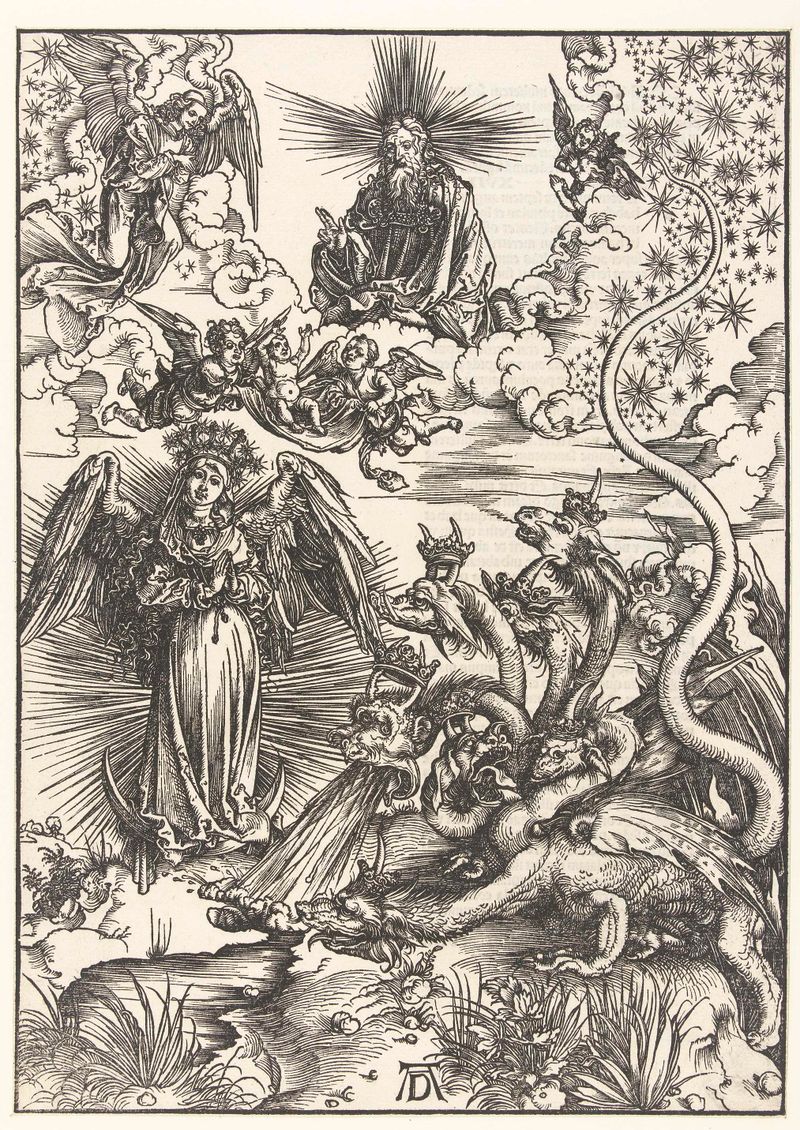
De apocalyptische vrouw en de zevenkoppige draak
Albrecht Dürer
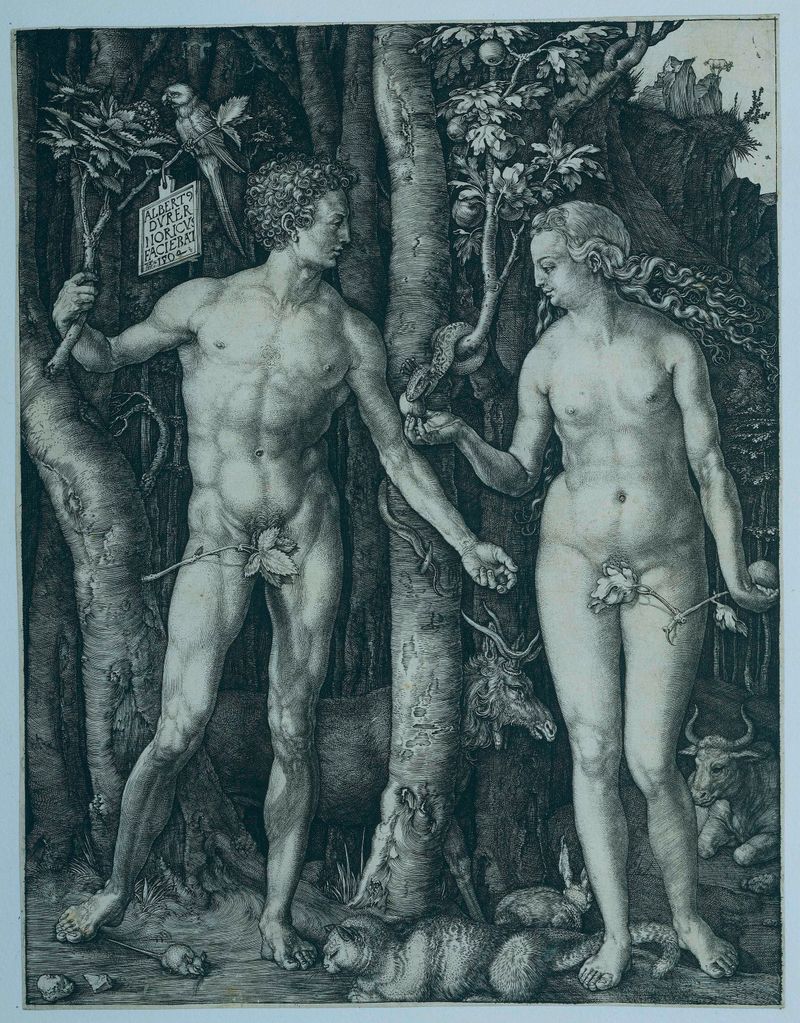
Adam en Eva
Albrecht Dürer
More Religious Art
Browse all →
The Return of the Prodigal Son
Rembrandt van Rijn

The Garden of Earthly Delights
El Bosco

Count Orgaz’ funeral
El Greco

The Hundred Guilder Print: the central piece with Christ preaching, the plate arched
Rembrandt van Rijn

The Descent from the Cross
Rogier van der Weyden

The return of the prodigal son
Rembrandt van Rijn