
Tempest over the Lake of Thun — History & Facts
Who listens when art speaks of silence? In Tempest over the Lake of Thun, the tumultuous echoes of nature weave a narrative of betrayal, where tranquility gives way to chaos, whispering secrets hidden within the storm. Focus on the churning waters in the foreground, their violent motion contrasting starkly with the serene, distant mountains. Notice how the dark clouds loom overhead, casting a heavy shadow over the landscape, while shafts of light break through in defiance. The color palette, dominated by deep greens and ominous grays, pulls the viewer into the eye of the tempest, emphasizing nature’s fierce unpredictability. Yet beyond the immediate drama lies a deeper resonance of emotional conflict.
The lake, usually a symbol of peace, becomes a mirror reflecting upheaval and strife. The interplay of light and dark encapsulates betrayal—not just of the natural world, but perhaps of human nature itself, as calm is shattered by unexpected fury. Each brushstroke seems to capture the tension between serenity and turmoil, evoking feelings of vulnerability and isolation. During the years 1774 to 1777, Wolf painted this work amidst a growing interest in Romanticism, exploring the sublime in landscapes.
Living in Switzerland, he found inspiration from the dramatic scenery around Lake Thun while navigating personal challenges, including the artistic expectations of his time. This backdrop of emerging artistic expression highlights the profound connection Wolf sought between emotional experiences and the natural world.
More Artworks by Caspar Wolf
Browse all →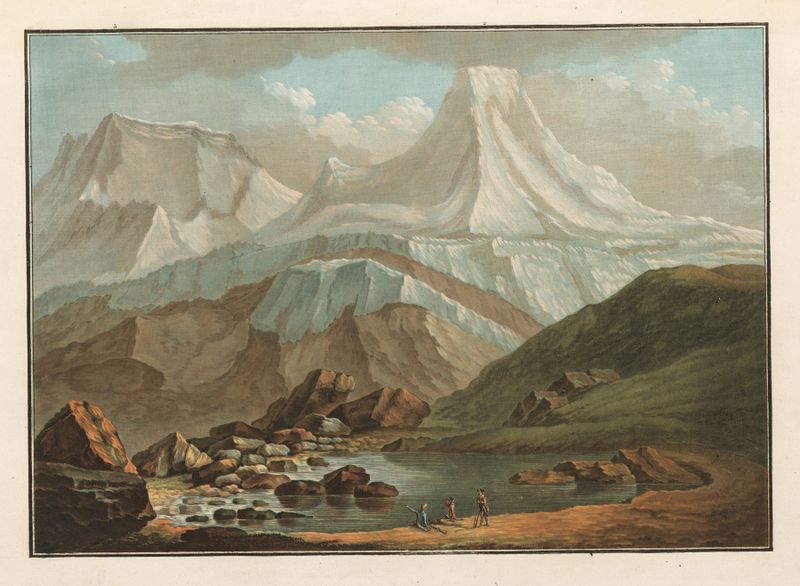
Vue du Gross-Horn et du Breit-Horn avec le petit lac d’Oberhorn
Caspar Wolf
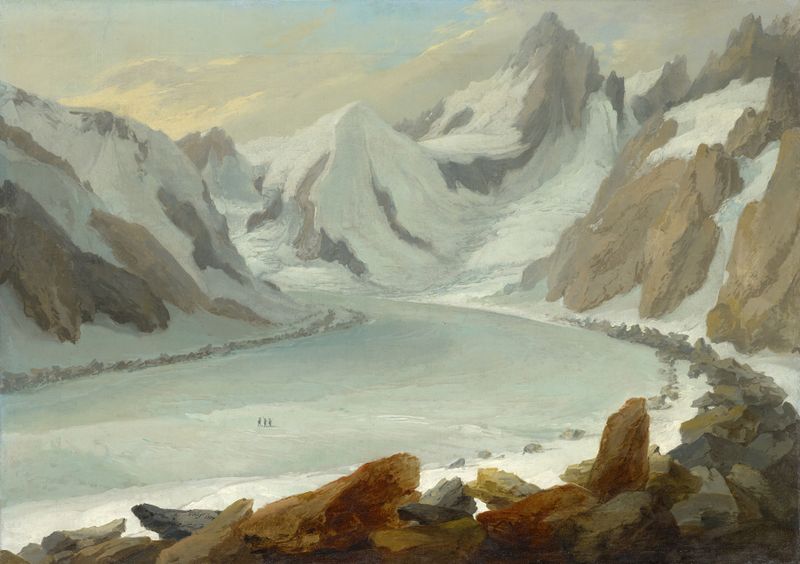
Finsteraargletscher mit Blick auf das Finsteraarhorn
Caspar Wolf
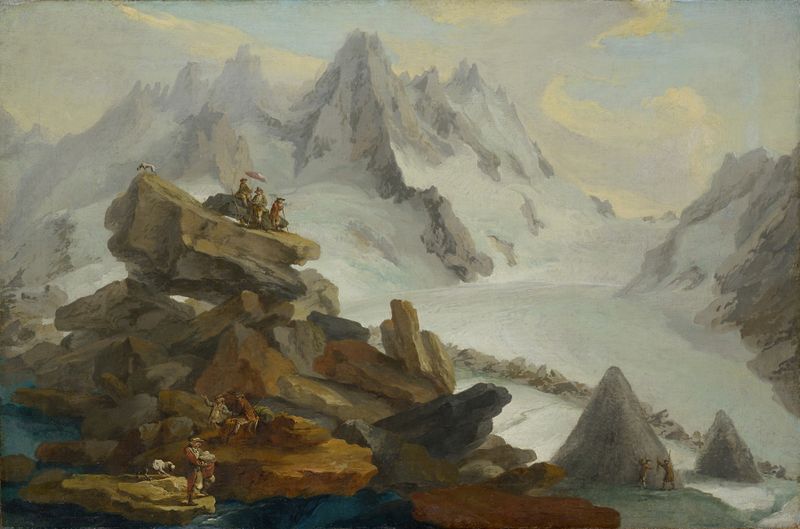
Glacier Lauteraar
Caspar Wolf

Glacier de Lauteraar Canton de Berne Province d’Oberhasli
Caspar Wolf
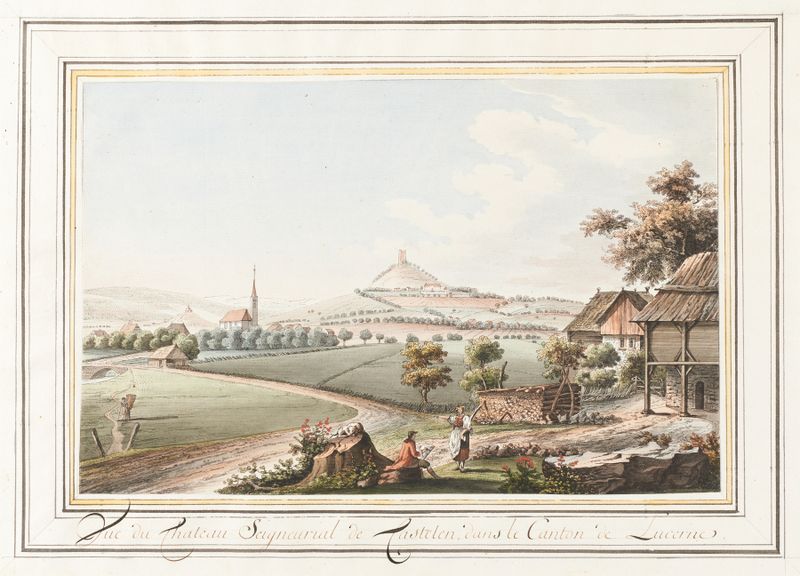
Vue du Chateau Seigneurial de Castelen dans le Canton de Lucerne
Caspar Wolf

Wasserfall im Tobel bei Muri
Caspar Wolf
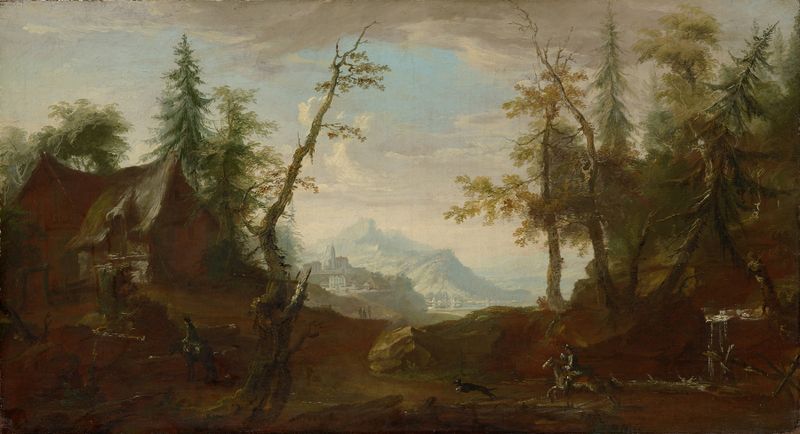
Farmhouse in a Forest Glade with Riders
Caspar Wolf
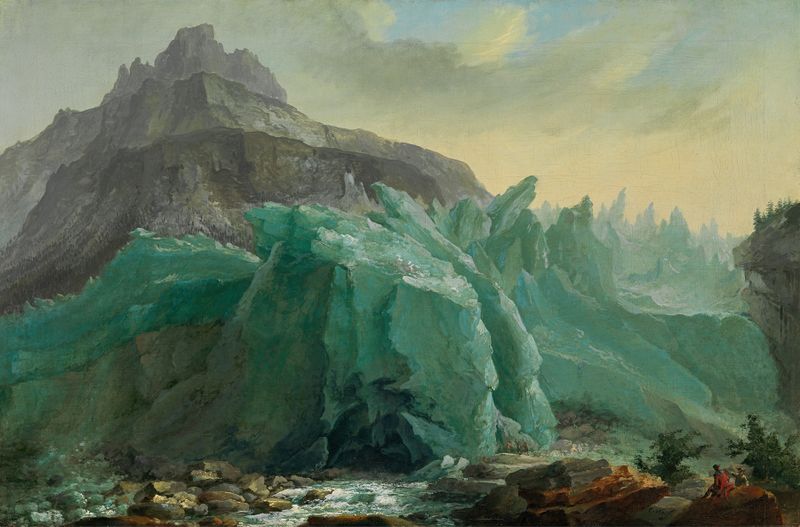
The Lower Grindelwald Glacier with Lütschine and the Mettenberg
Caspar Wolf
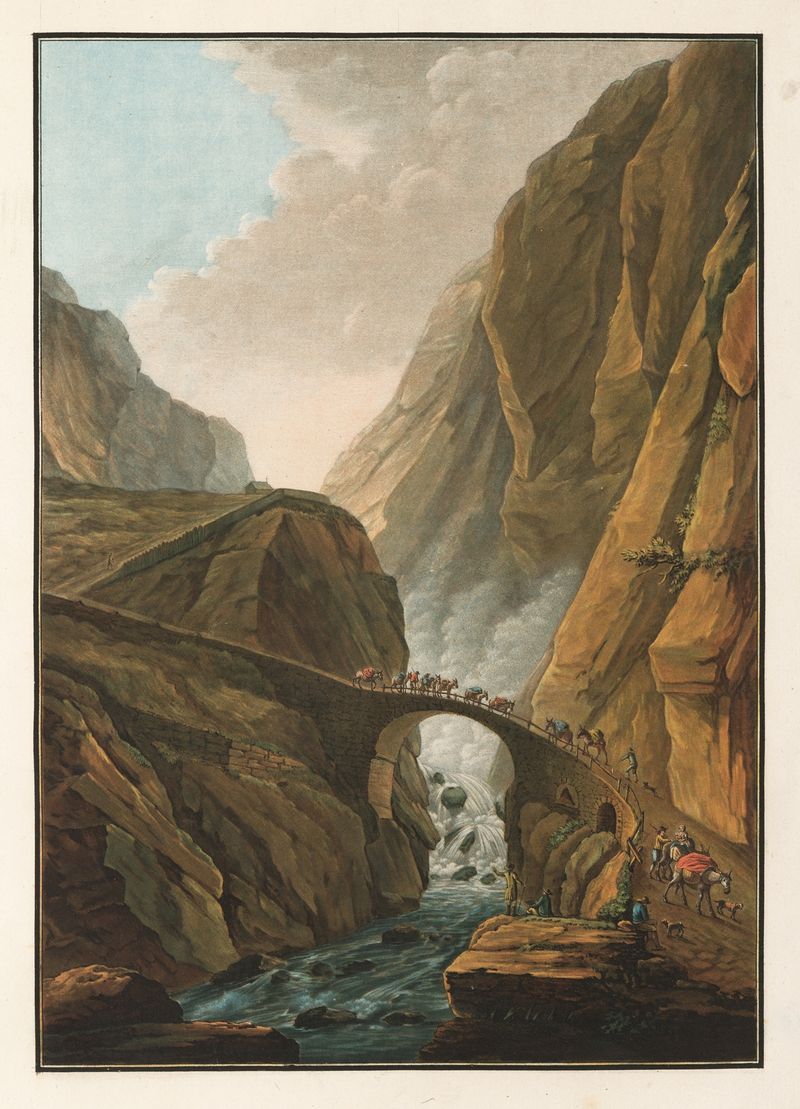
Teufelsbrücke
Caspar Wolf
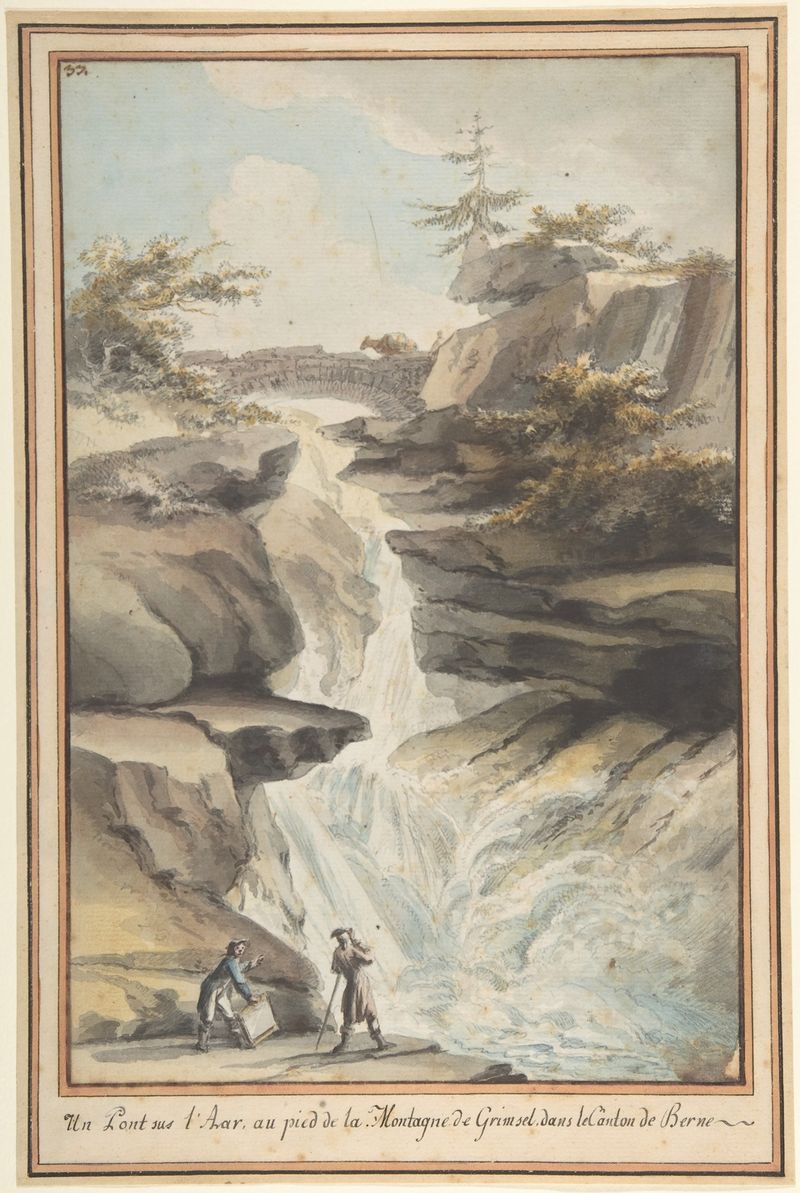
A Bridge on the Aar, at the Foot of the Grimsel, in the Canton of Berne
Caspar Wolf





