
Teufelsbrück – Klein Flottbek — History & Facts
This sentiment echoes through the tranquil yet profound landscapes that often mask deeper truths beneath their serene surfaces. As we gaze upon the canvas, we are challenged to confront the void that lies between beauty and despair. Look closely at the lower right corner, where the gentle flow of the water mirrors the soft hues of the sky. The subtle interplay of blues and greens creates a sense of calm, drawing the eye towards the distant horizon.
Notice how the artist employs delicate brushwork to capture the shimmering reflections, creating a dialogue between the stillness of the water and the movement of the landscape. The composition, balanced yet dynamic, invites us to linger in this moment of contemplation. Delve deeper and consider the tension between the natural elements depicted. The lush greenery juxtaposed with the stark, empty void of the sky above suggests a fragility to this seemingly idyllic scene.
Perhaps it speaks to the fleeting nature of beauty, hinting at an underlying melancholy that lurks just beneath the surface. The gentle curves of the landscape whisper of life and vitality, yet the expansive sky remains untouched, leaving us with an unsettling sense of emptiness. Between 1850 and 1860, Gurlitt was immersed in the evolving landscape of Romanticism, painting many of his works within Germany. During this period, he was influenced by the desire to express emotion through nature, reflecting the inner workings of his own life.
While he captured idyllic scenes with skill, he also confronted the void of an era grappling with rapid social change, positioning his landscape as both a sanctuary and a mirror to larger existential questions.
More Artworks by Louis Gurlitt
Browse all →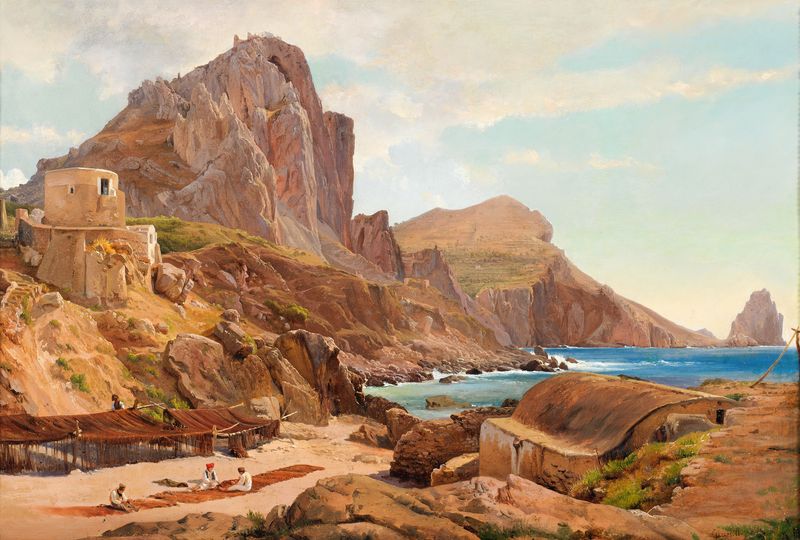
Marina Piccola, Capri
Louis Gurlitt
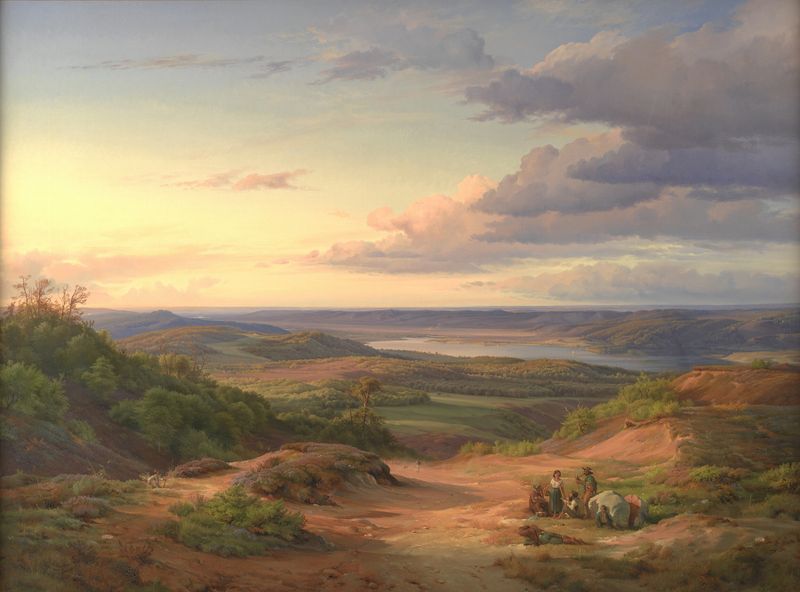
A Landscape near Himmelbjerget, Jutland. In the Foreground a Gypsy Family
Louis Gurlitt
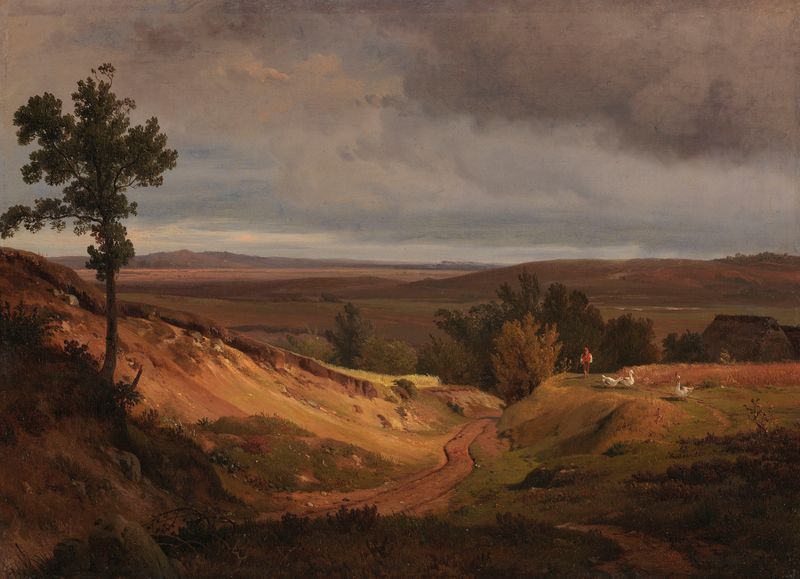
Heidelandschaft bei Silkeborg in Jütland, Dänemark
Louis Gurlitt
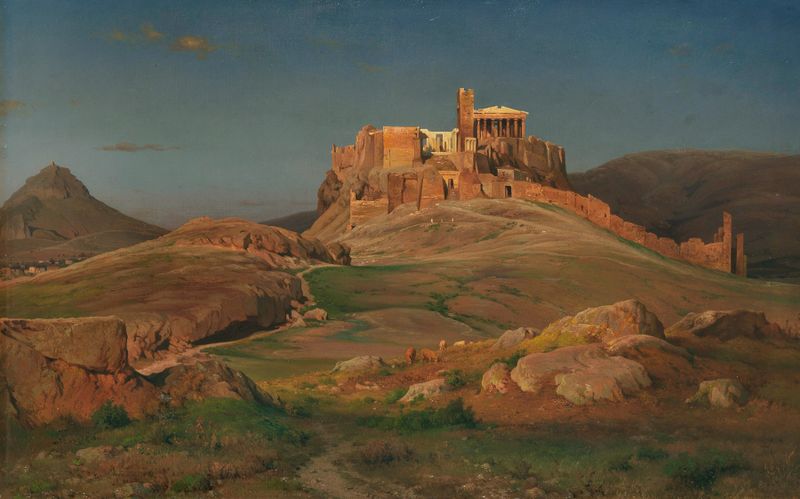
Die Akropolis im Abendlicht
Louis Gurlitt
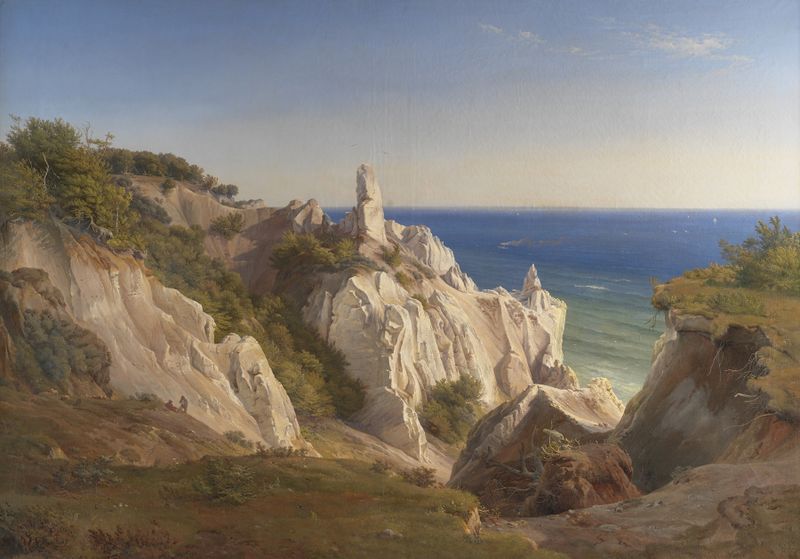
The Cliffs of the Island of Møn
Louis Gurlitt
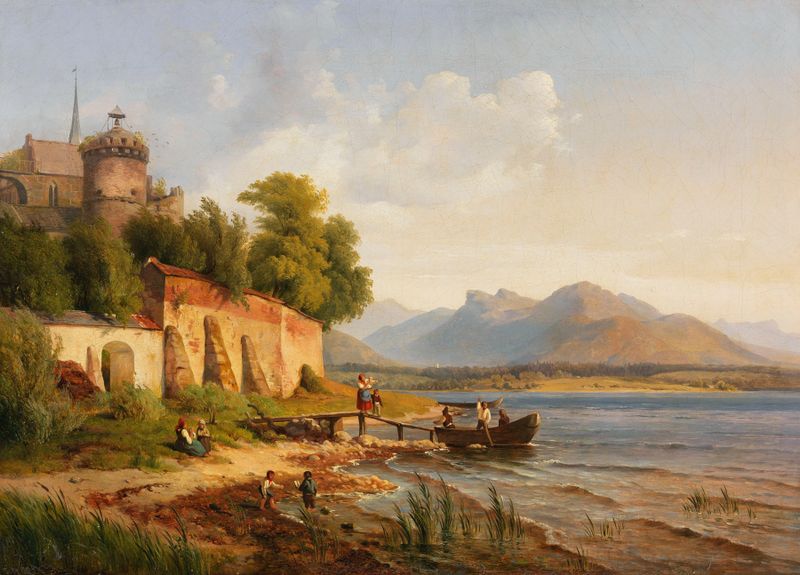
Oberitalienische Küstenlandschaft mit Figurenstaffage
Louis Gurlitt
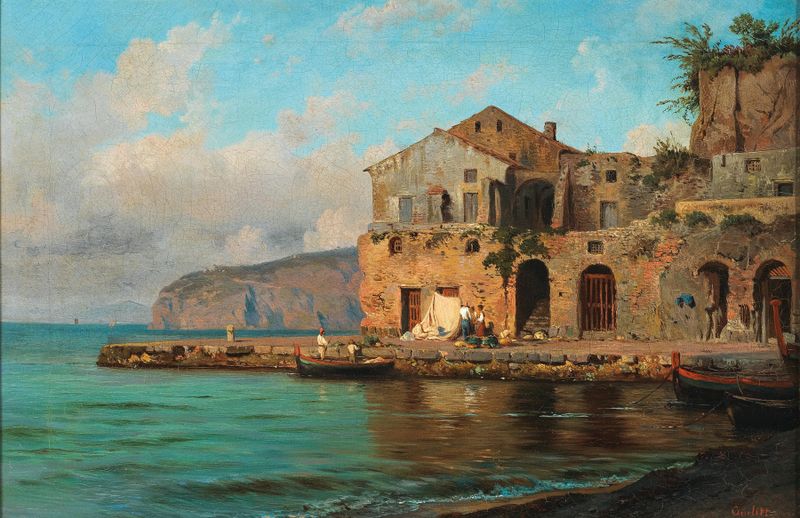
On the Coast of Sorrento
Louis Gurlitt
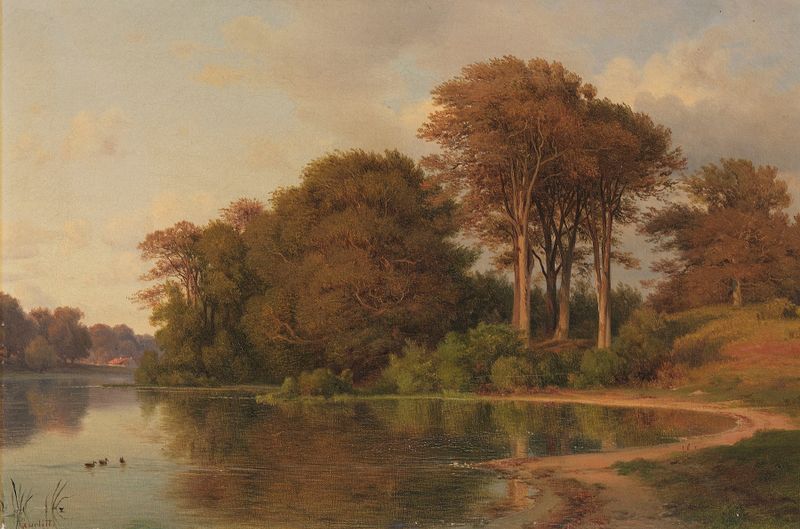
Sommerlandschaft mit Seeufer
Louis Gurlitt
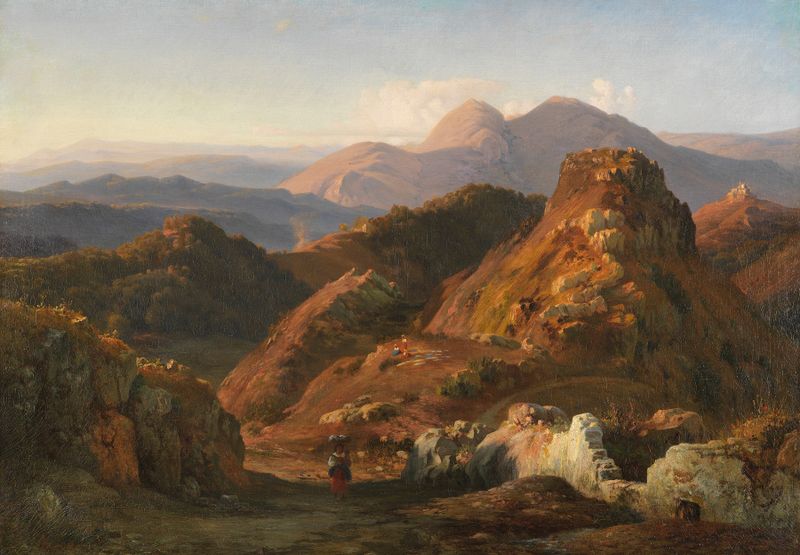
Abendstimmung in den Albaner Bergen
Louis Gurlitt
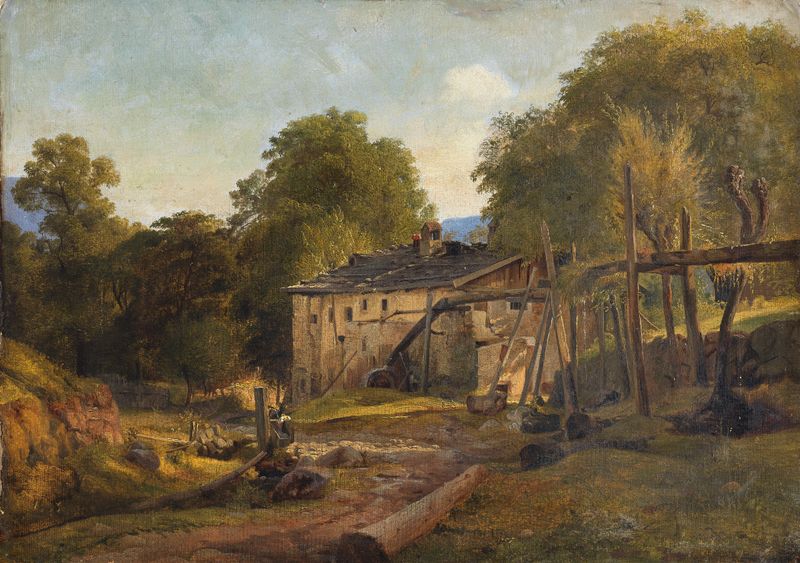
Tyrolean Landscape. Study
Louis Gurlitt





