
Thaw in Ghent — History & Facts
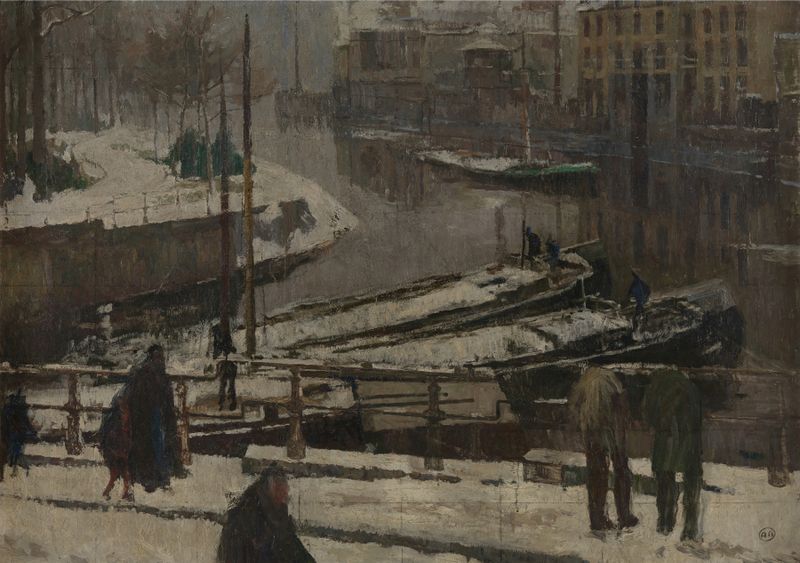
The remnants of winter cling to the edges of the canvas, hinting at the chaos that lies beneath the surface of tranquility. In this moment, life stirs, and the thaw reveals what has long been hidden. Look to the lower left, where the muddy earth begins to emerge from beneath the departing frost. The palette is rich with browns and muted greens, expertly layered to create depth and texture, inviting the viewer to explore the subtle transitions from ice to soil.
Notice how the light catches the water’s surface, sending glimmers of hope throughout the scene, while shadows loom in the background, suggesting the lingering grasp of the cold season. This painting captures a tension between the promise of renewal and the remnants of desolation. The delicate brushwork reflects the chaos of nature as it wrestles with the last vestiges of winter. It evokes a sense of anticipation—what life will return as the cycle begins anew.
Small details, such as the budding branches and the meltwater, symbolize resilience, hinting at a world in flux, as if everything hangs in the balance between life and stillness. In 1902, the artist created this work in Ghent, a city marked by the shifting tides of modernity and tradition. Baertsoen, deeply influenced by Impressionism, sought to capture ephemeral moments in nature. At this time, he was exploring the interplay of light and atmosphere in his surroundings, reflecting a broader movement within the art world that embraced change and emotional depth.
More Artworks by Albert Baertsoen
Browse all →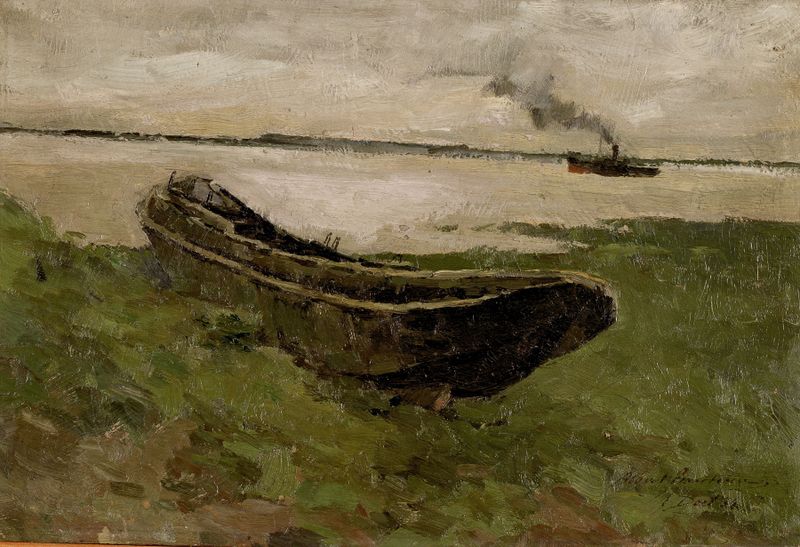
The River Scheldt at Doel
Albert Baertsoen
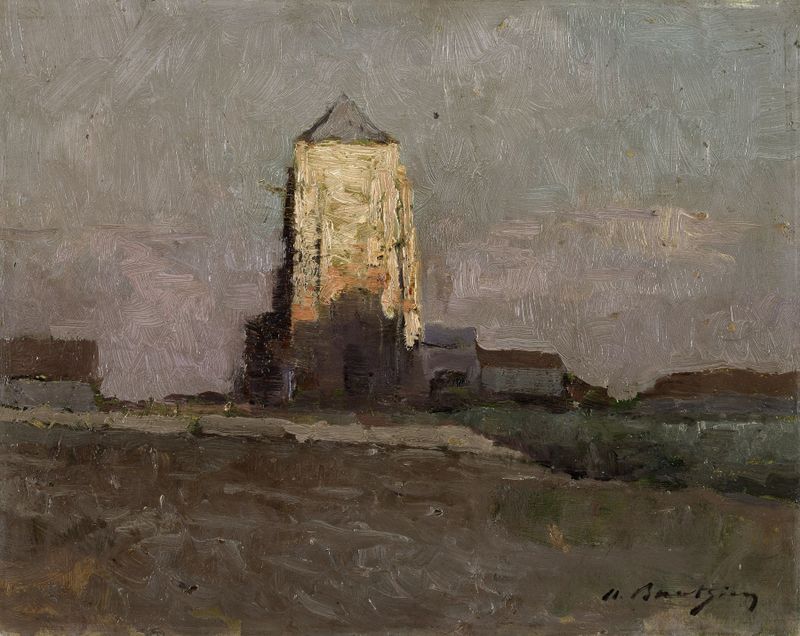
The Church of Mariakerke (Ostend)
Albert Baertsoen
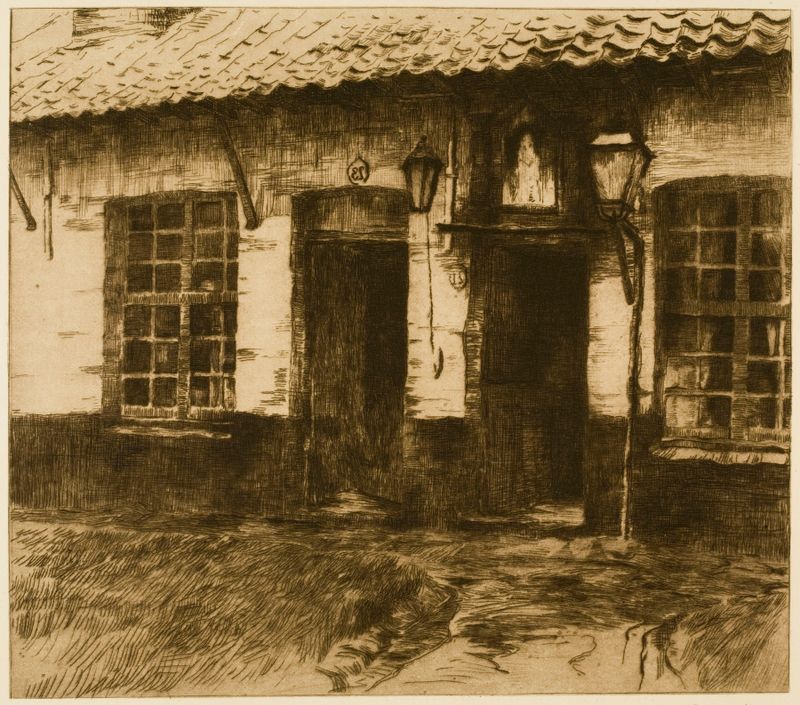
Houses of the Poor (Courtrai)
Albert Baertsoen
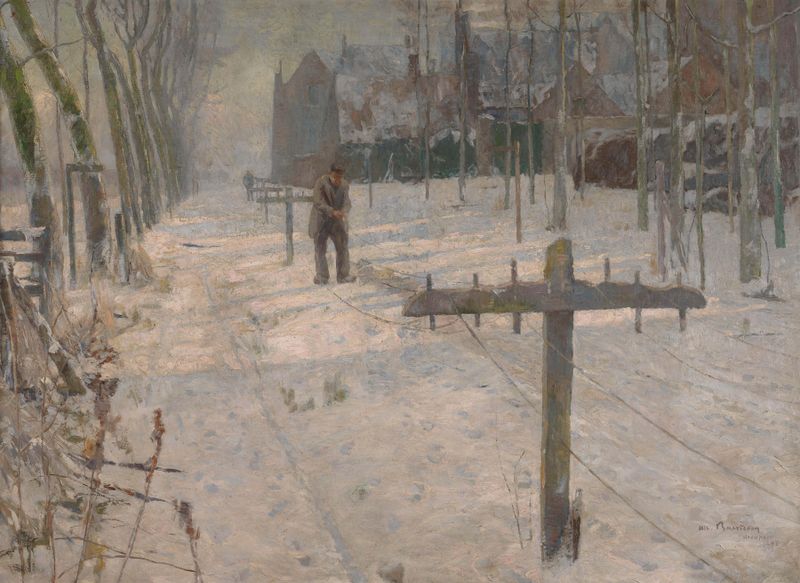
Rope-makers on The Ramparts
Albert Baertsoen
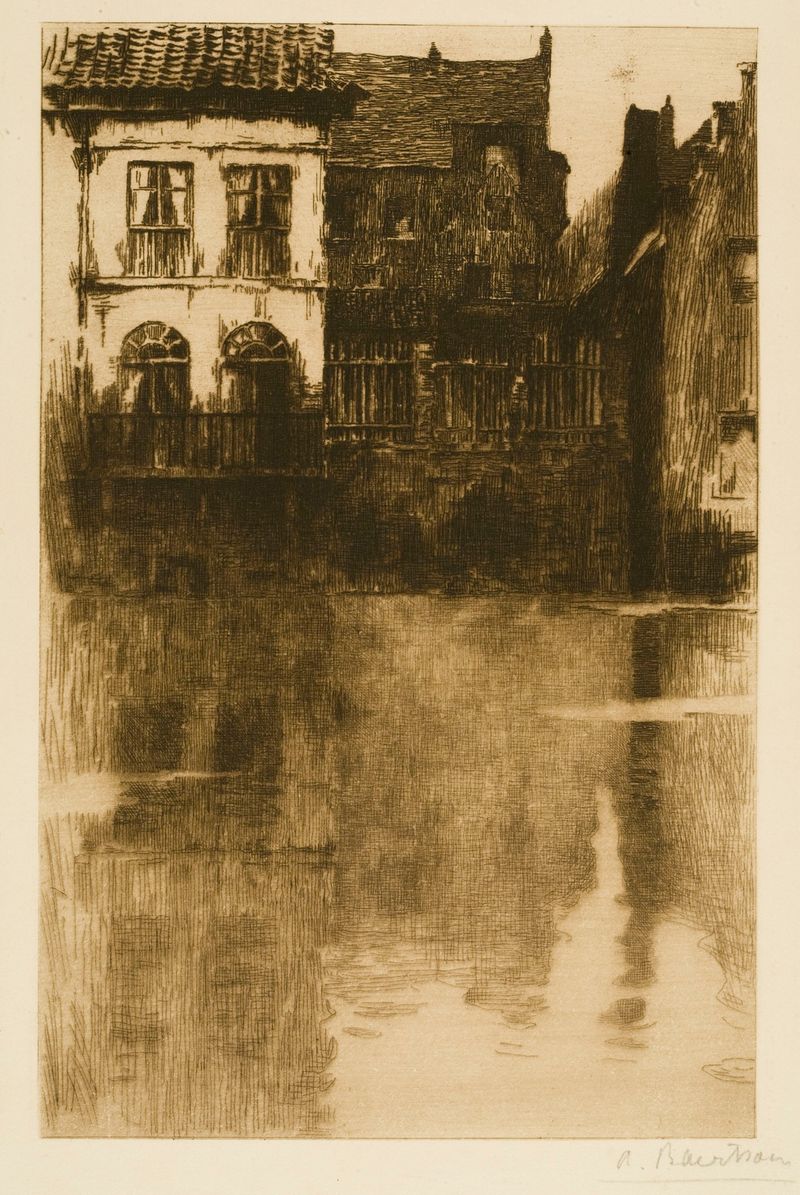
Old Houses on the Waterfront
Albert Baertsoen
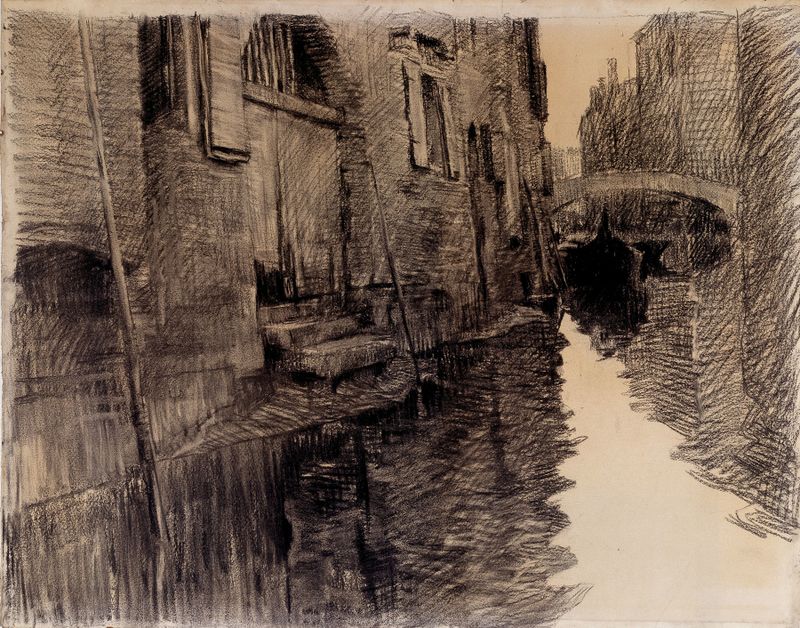
The San Francesco Bridge in Venice
Albert Baertsoen
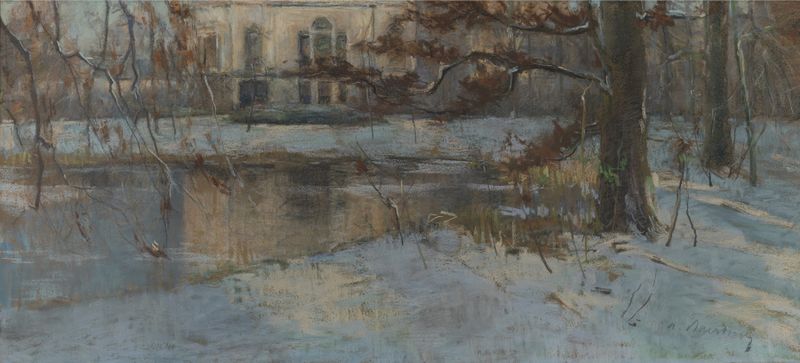
Landhuis en park onder de sneeuw
Albert Baertsoen
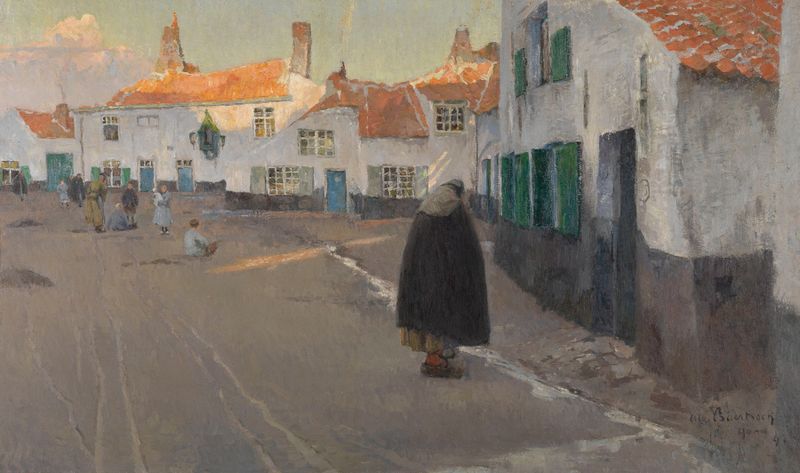
Square in Flanders
Albert Baertsoen
Zeeland Houses (Old Houses in Middelburg)
Albert Baertsoen
Thaw in Ghent
Albert Baertsoen





