
Square in Flanders — History & Facts
In an age where truth often fades behind the veil of memory, art emerges as a potent reminder of our shared experience. Focus first on the soft, muted palette of blues and grays that envelops the square, inviting you to linger in its tranquil embrace. Notice how the figures, mere silhouettes against the backdrop, take center stage with their everyday movements—some engage in animated conversation while others appear lost in thought. The slight curve of the cobblestones leads your gaze deeper into the space, emphasizing a sense of intimacy and the passage of time.
The gentle play of light across the buildings reveals subtle textures, suggesting a history that whispers through the architecture. Yet, beneath the surface calm lies a deeper tension. The stark contrast between the vibrancy of the figures and the somber tones of the square speaks to the human condition—the juxtaposition of vitality against the stillness of the world around them. Look closely at the distant horizon, where the faintest hint of sunset exists; it lingers as a reminder of the inevitable passage of time, evoking both nostalgia and a yearning for connection amidst the mundanity of life. In 1897, the artist painted this piece during a time of personal introspection in his life, navigating the shifting tides of the art world that were beginning to embrace modernism.
Working in Belgium, Baertsoen found himself at a crossroads, with the rise of Impressionism influencing his stylistic choices. This period marked a significant evolution in his approach, where he began to incorporate a deeper emotional resonance into his landscapes, hinting at the truths that lie beyond the surface of everyday life.
More Artworks by Albert Baertsoen
Browse all →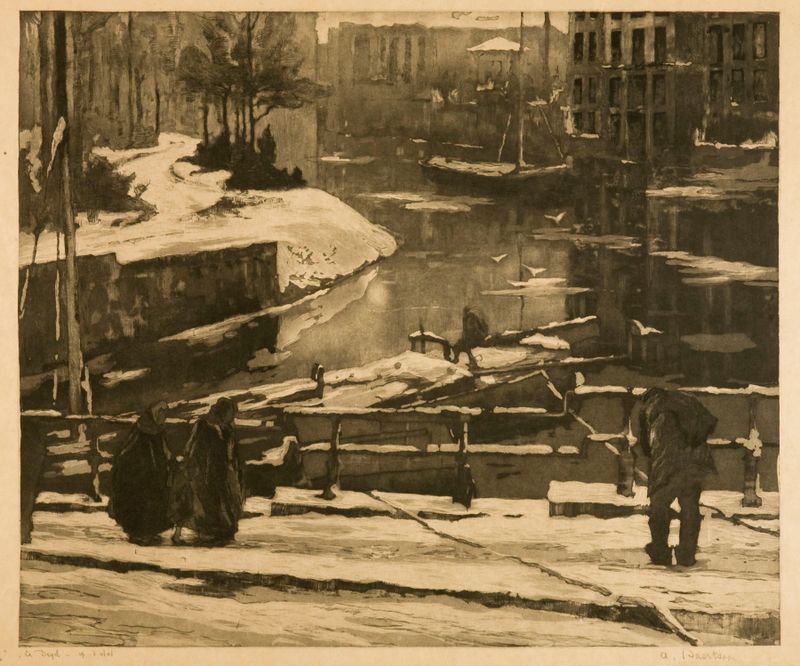
Thaw in Ghent
Albert Baertsoen
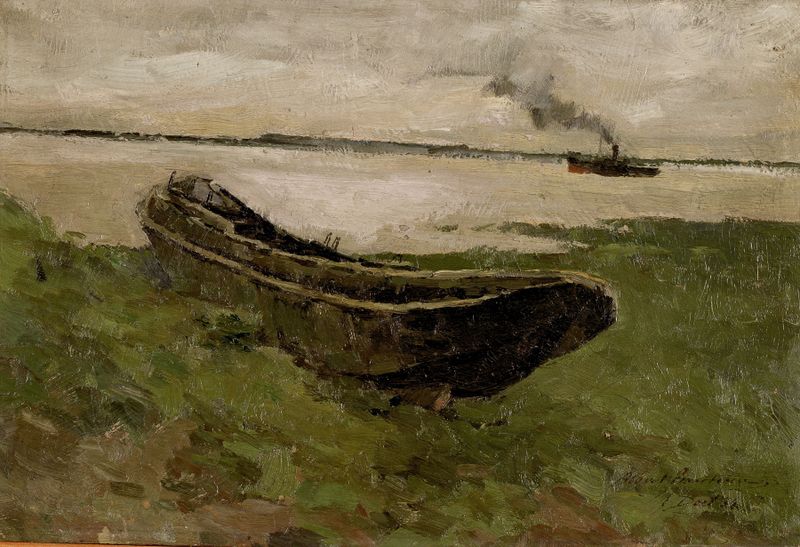
The River Scheldt at Doel
Albert Baertsoen
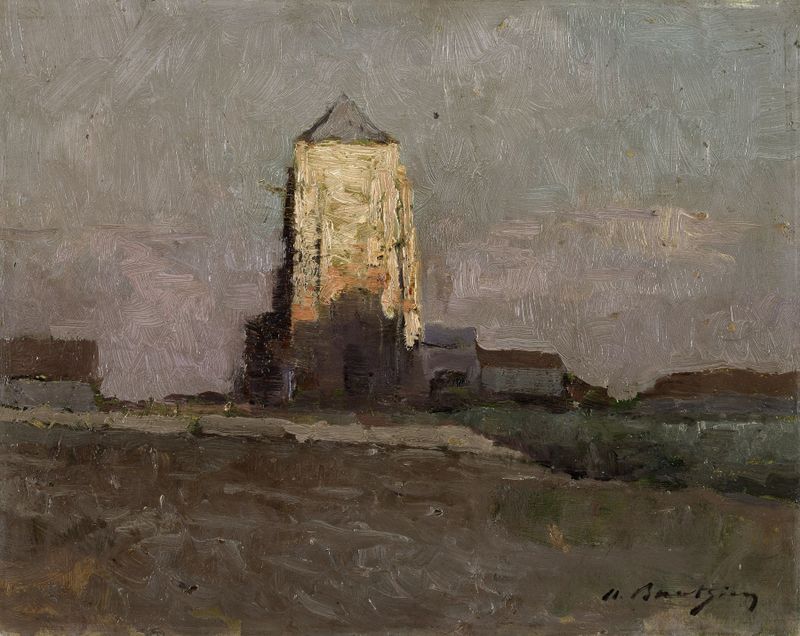
The Church of Mariakerke (Ostend)
Albert Baertsoen
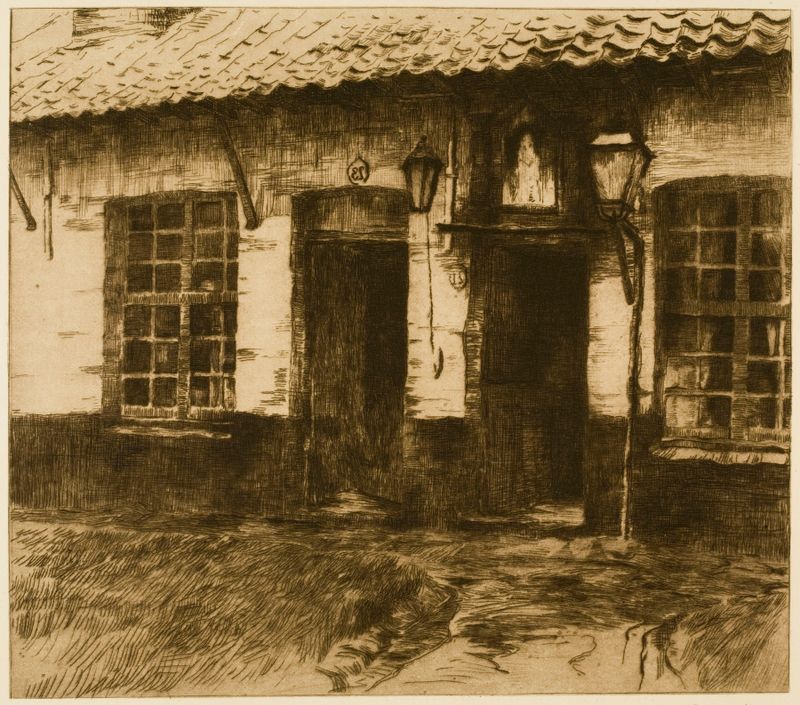
Houses of the Poor (Courtrai)
Albert Baertsoen
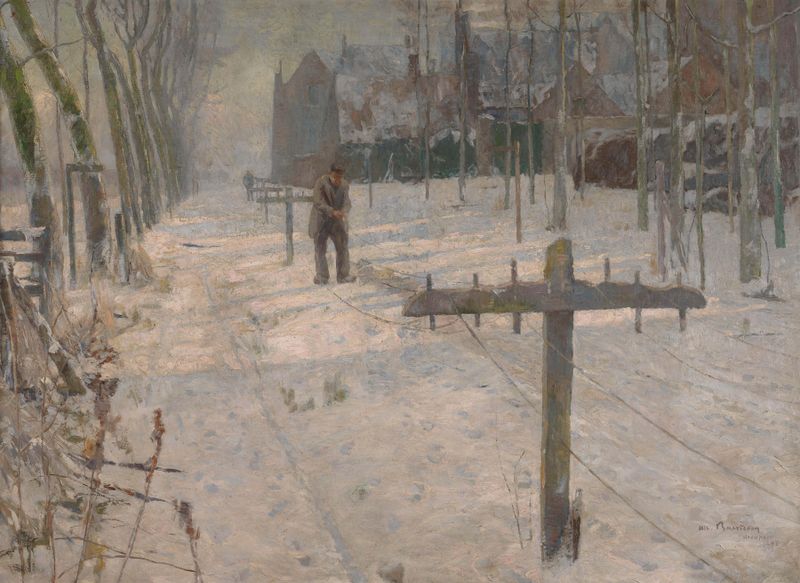
Rope-makers on The Ramparts
Albert Baertsoen
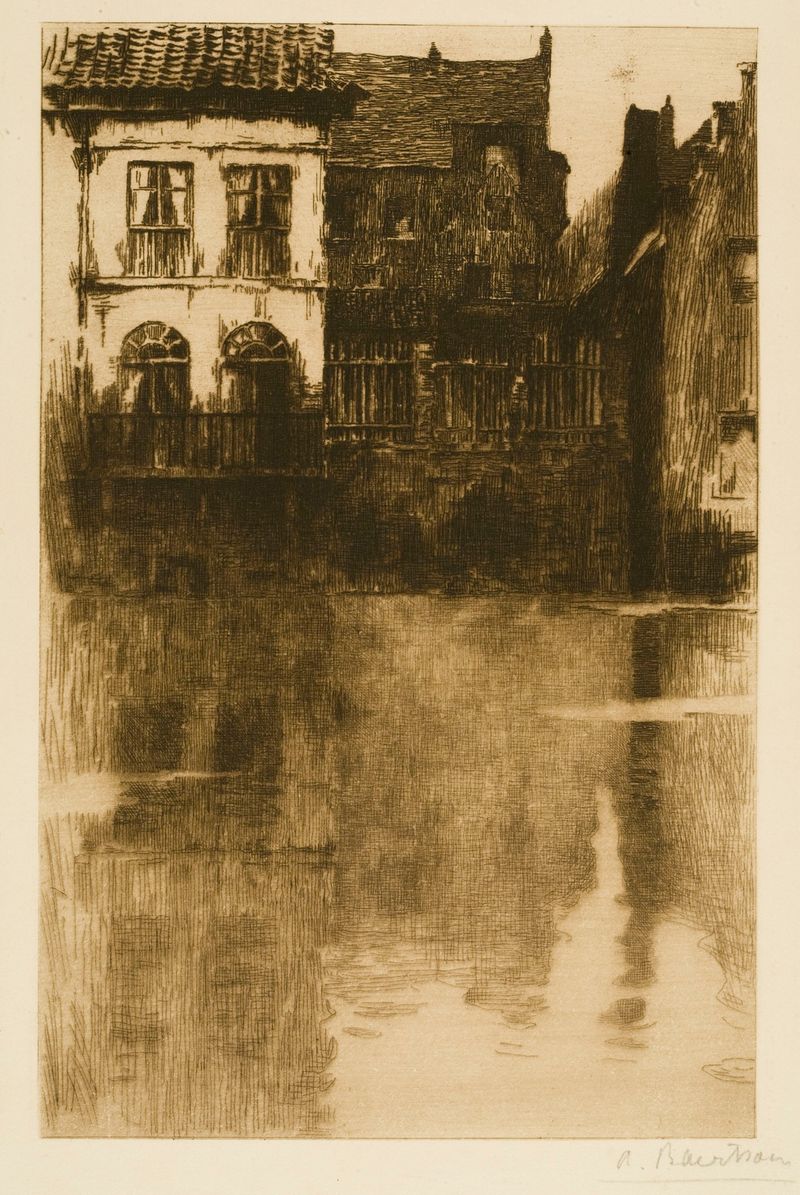
Old Houses on the Waterfront
Albert Baertsoen
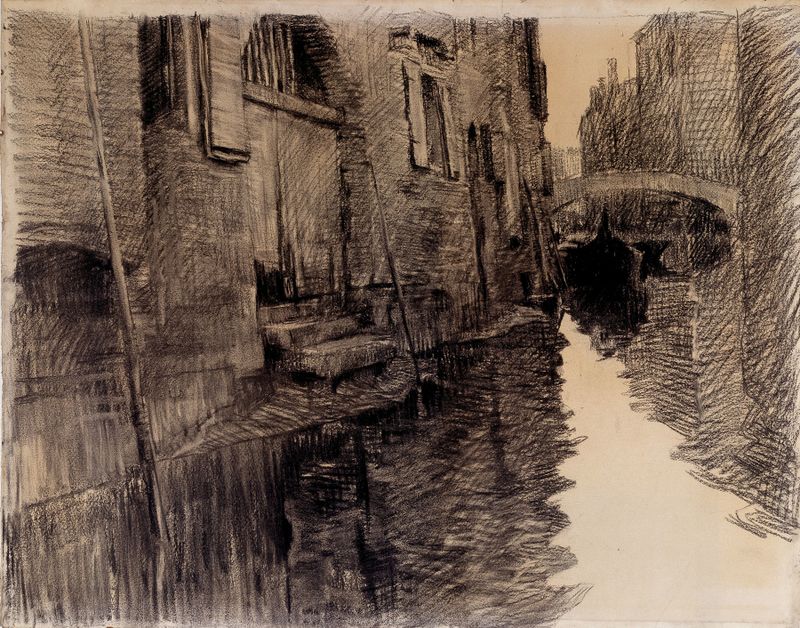
The San Francesco Bridge in Venice
Albert Baertsoen
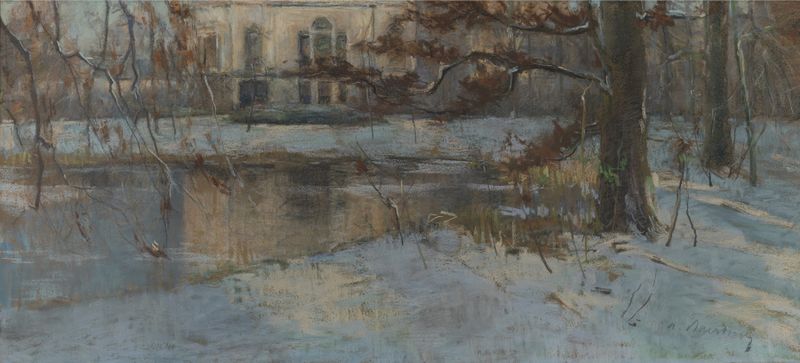
Landhuis en park onder de sneeuw
Albert Baertsoen
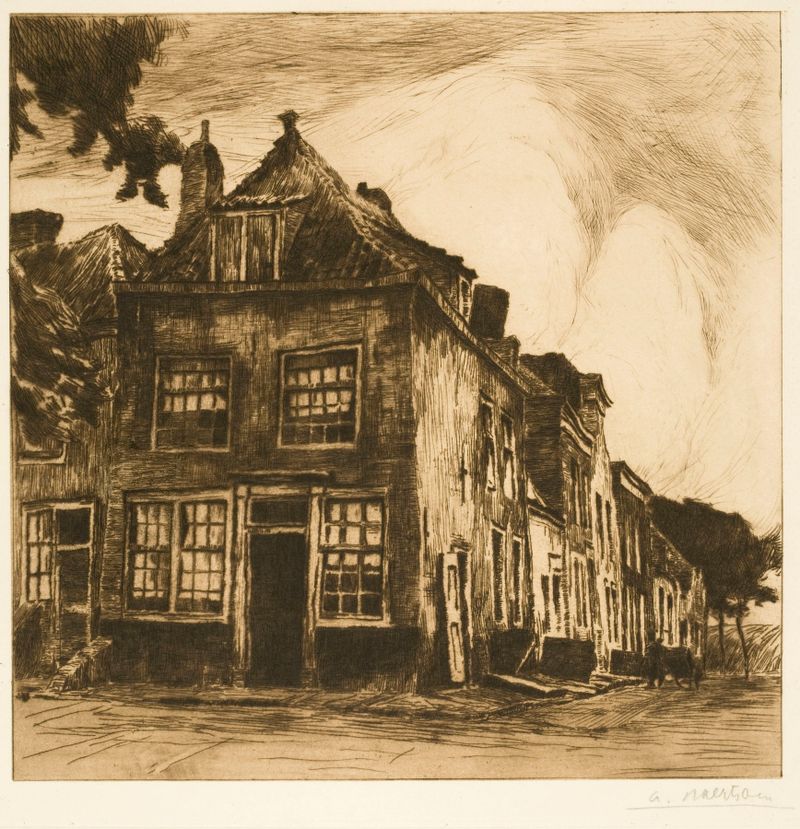
Zeeland Houses (Old Houses in Middelburg)
Albert Baertsoen
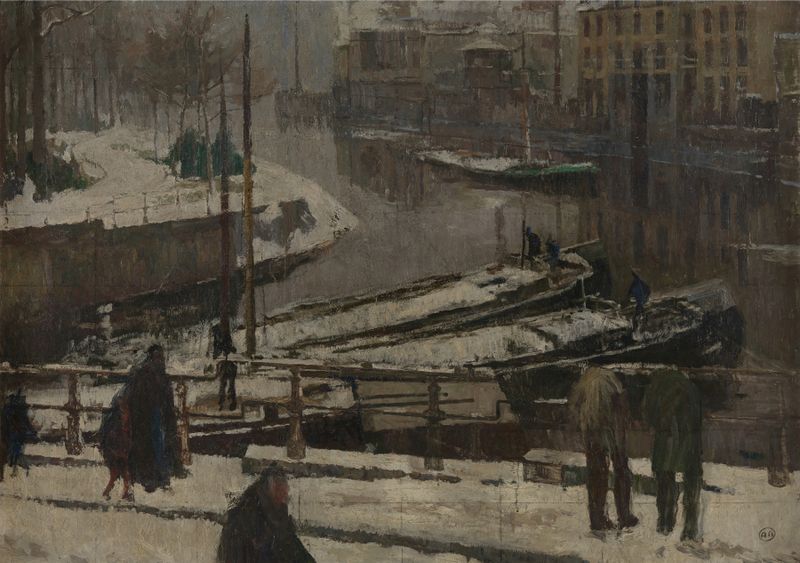
Thaw in Ghent
Albert Baertsoen





