
Houses of the Poor (Courtrai) — History & Facts
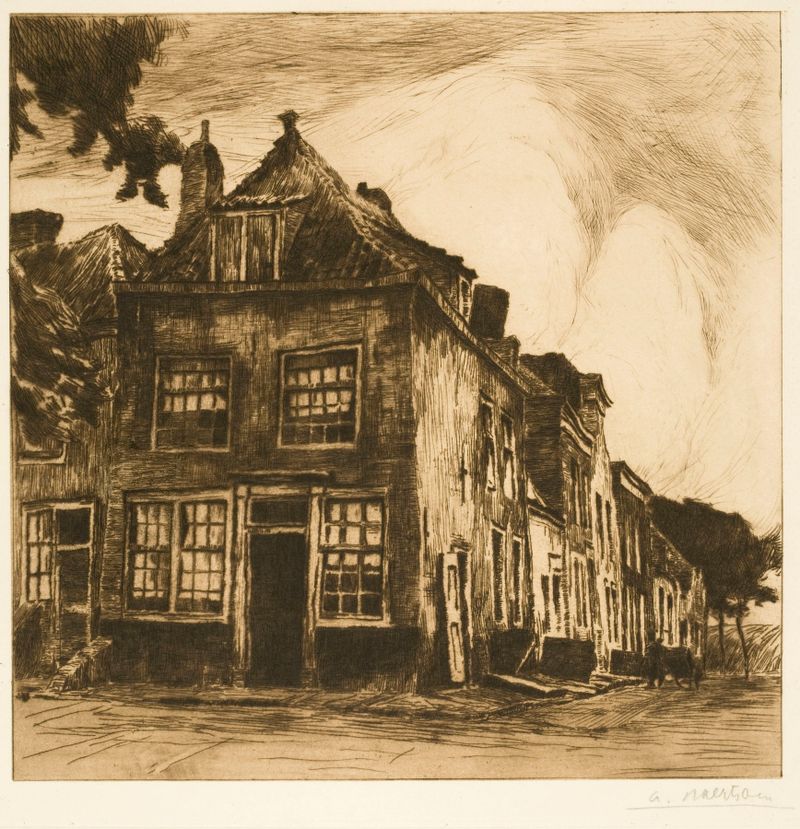
Can paint confess what words never could? In Houses of the Poor, the canvas speaks volumes about hardship, resilience, and the intimate lives nestled within the crumbling walls of a forgotten neighborhood. Focus first on the muted palette that envelops the scene, where shades of gray and brown dominate the canvas, mirroring the struggles of those who inhabit these homes. Look to the left, where the weathered facades stand stoically against the backdrop of a heavy sky. The brushwork is both delicate and rough, capturing texture that evokes the grit of poverty.
The slight play of light filtering through the clouds hints at an elusive hope, accentuating the tender relationship between the structures and their inhabitants. Beneath the surface, the painting reveals an emotional tension between despair and dignity. The sagging roofs and cracked walls symbolize the neglect faced by these homes, yet there’s a quiet pride in their endurance, suggesting stories of resilience. The sparse details—a curtain fluttering in a window, a narrow path leading to the door—invite contemplation about the lives inside, evoking empathy for those who call this place home. In 1902, Baertsoen created this work during a time of social change in Belgium, as industrialization transformed urban landscapes and impoverished many.
His focus on scenes of low-income neighborhoods reflected a growing movement among artists to document the everyday lives of the working class. As he explored themes of social realism, Baertsoen contributed to a narrative that sought to bring awareness to the struggles faced by society’s most vulnerable.
More Artworks by Albert Baertsoen
Browse all →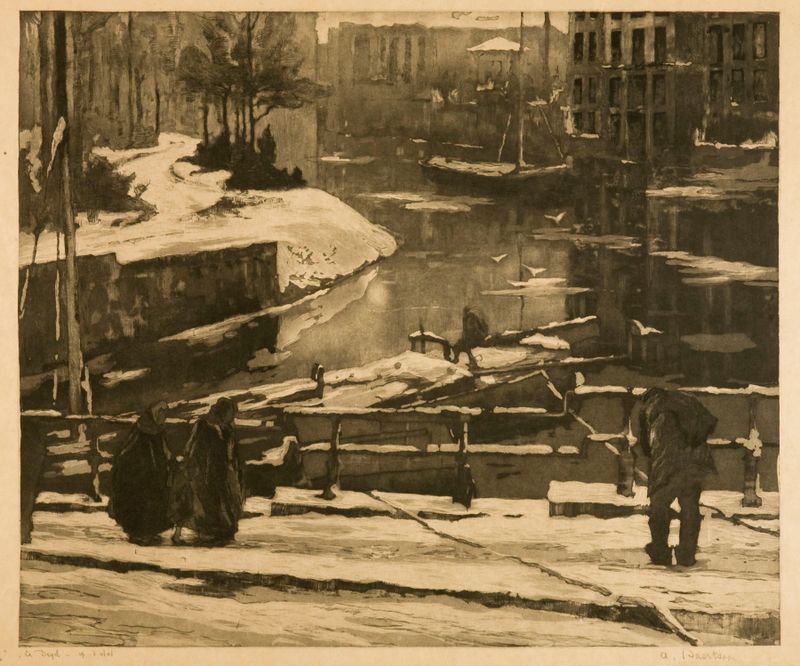
Thaw in Ghent
Albert Baertsoen
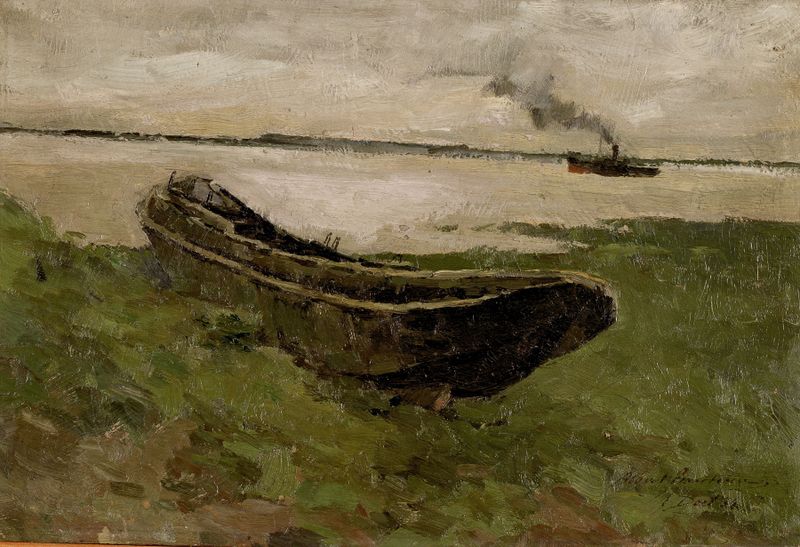
The River Scheldt at Doel
Albert Baertsoen
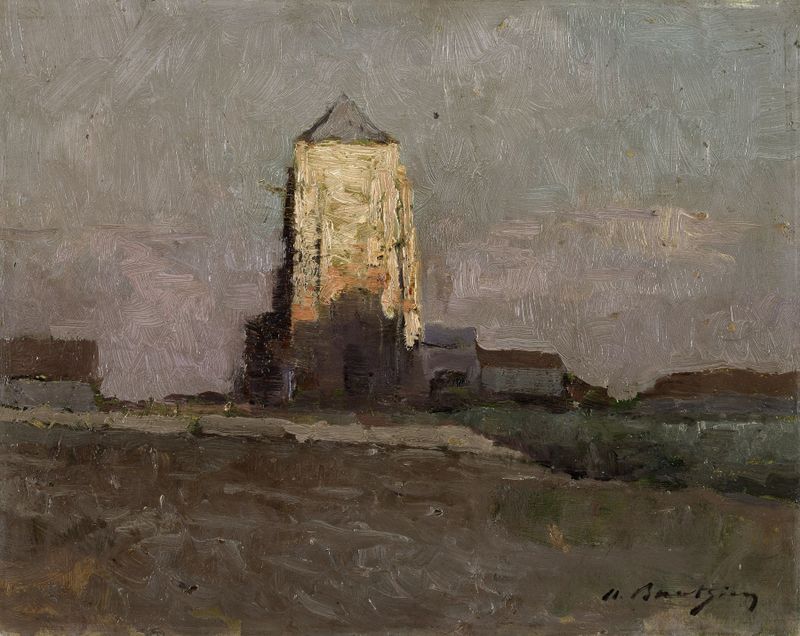
The Church of Mariakerke (Ostend)
Albert Baertsoen
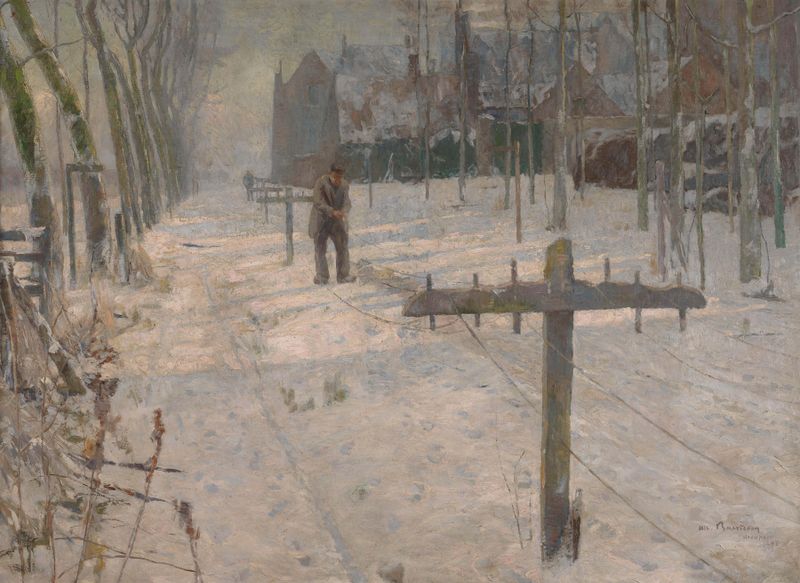
Rope-makers on The Ramparts
Albert Baertsoen
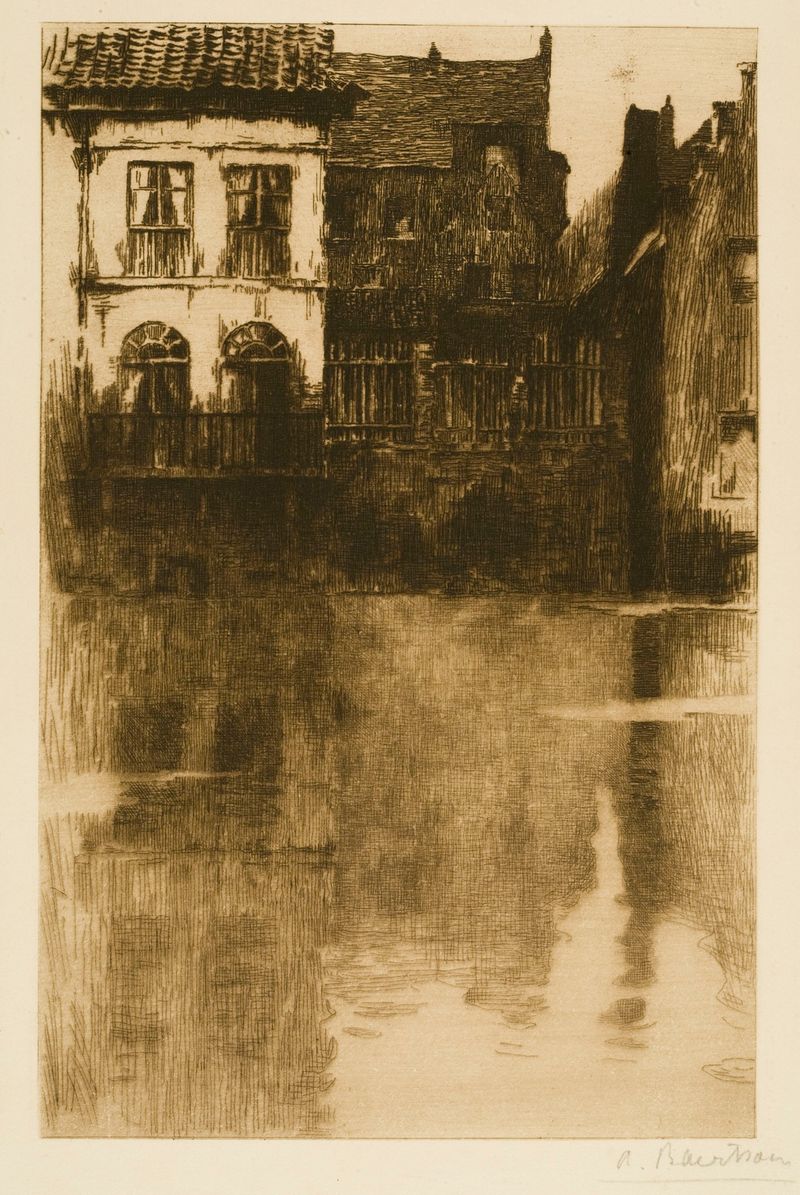
Old Houses on the Waterfront
Albert Baertsoen
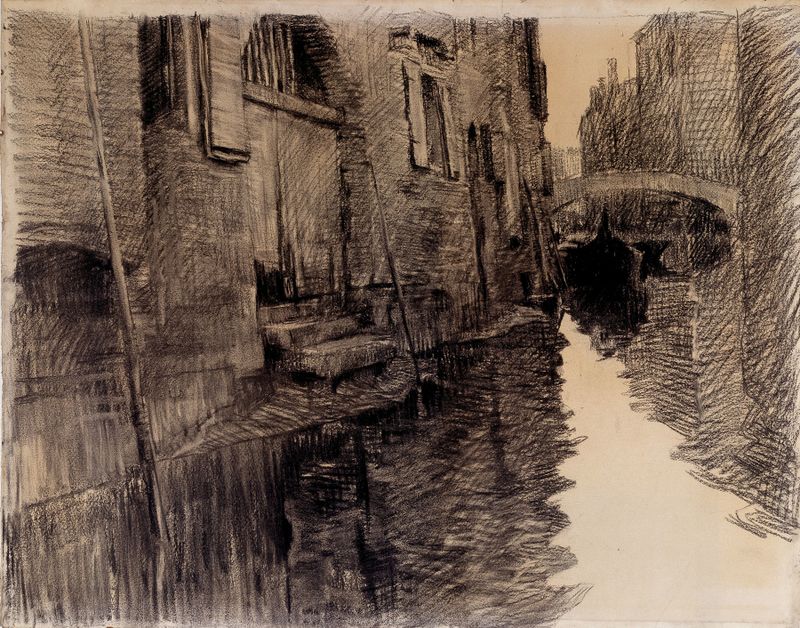
The San Francesco Bridge in Venice
Albert Baertsoen
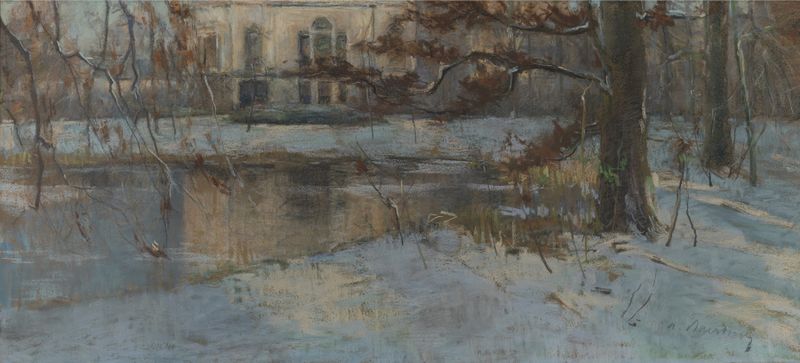
Landhuis en park onder de sneeuw
Albert Baertsoen
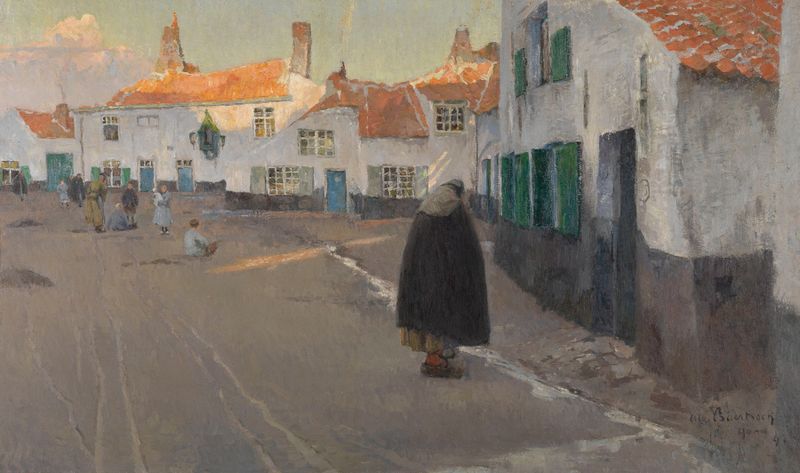
Square in Flanders
Albert Baertsoen
Zeeland Houses (Old Houses in Middelburg)
Albert Baertsoen
Thaw in Ghent
Albert Baertsoen





