
The San Francesco Bridge in Venice — History & Facts
What if beauty was never meant to be finished? In The San Francesco Bridge in Venice, color becomes a living entity, a dialogue between the painted surface and the viewer’s imagination. Look to the left at the rippling reflections in the water, where the delicate blues and greens merge with hints of gold and rust. The bridge itself, rendered with soft, sweeping strokes, stands as a focal point, inviting the eye to wander across its arched silhouette. Notice how the light falls upon the buildings, casting both shadow and luminescence, creating a sense of movement that breathes life into this tranquil scene.
Each brushstroke vibrates with energy, capturing the essence of Venice, where every corner whispers a story. Delve deeper into the painting, and you’ll find contrasts that evoke a sense of nostalgia. The stillness of the water juxtaposes the vibrant activity of the city, hinting at the passage of time. The palette, infused with warm hues, suggests a moment caught between day and dusk, a fleeting beauty that speaks to transience.
The bridge, a symbol of connection, stands resilient, reminding us of the ties between past and present, reality and memory. Albert Baertsoen painted this work in 1898 while living in Belgium, a time when Impressionism was flourishing across Europe. The artist sought to capture the enchanting essence of Venice, drawing inspiration from its unique light and atmosphere. This period was marked by a growing fascination with color and light, themes that resonate profoundly in Baertsoen's work, as he navigated his own artistic journey amid the evolving landscape of modern art.
More Artworks by Albert Baertsoen
Browse all →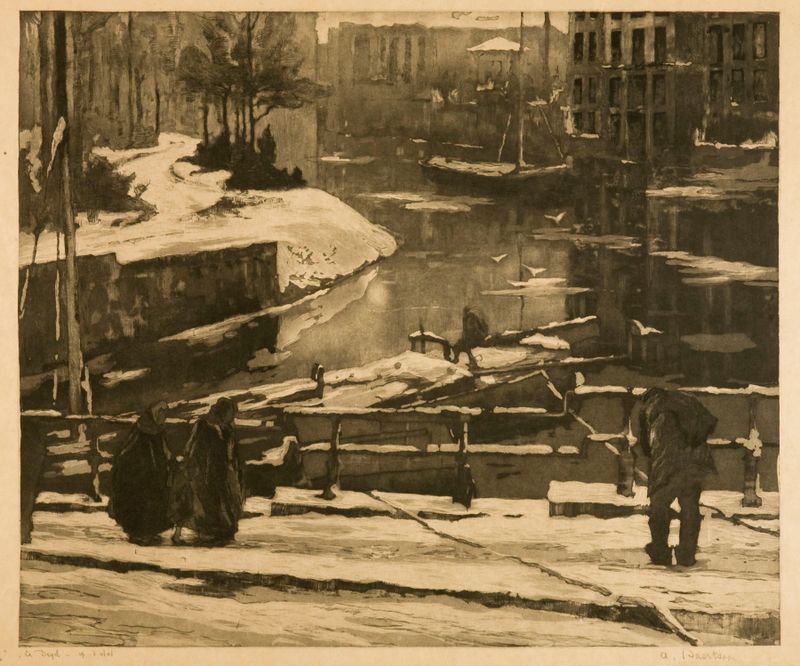
Thaw in Ghent
Albert Baertsoen
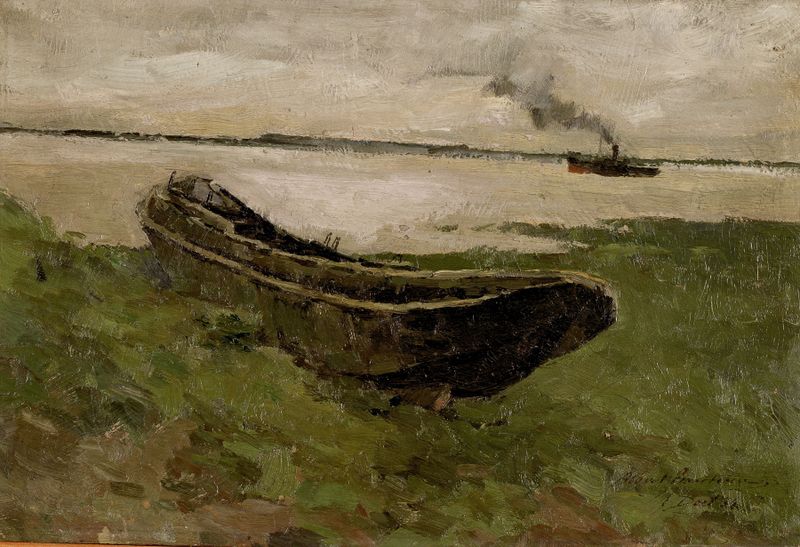
The River Scheldt at Doel
Albert Baertsoen
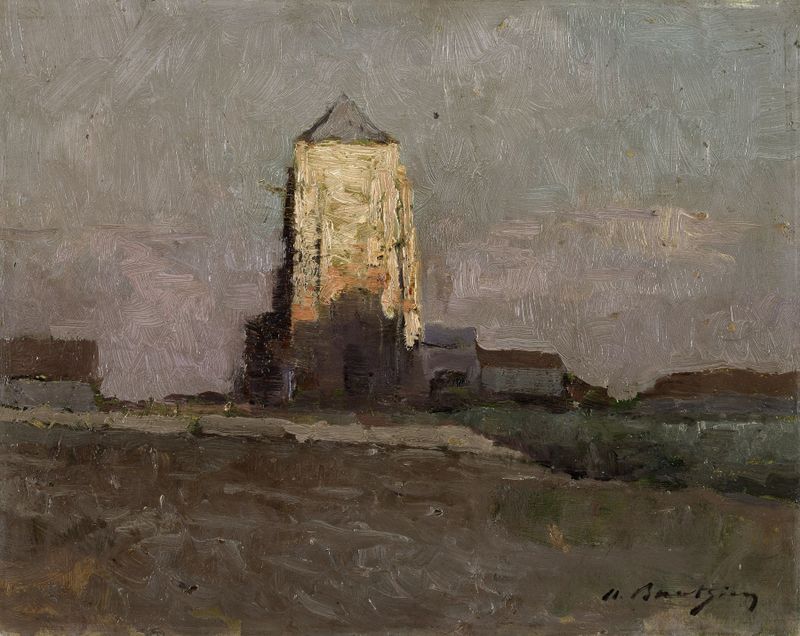
The Church of Mariakerke (Ostend)
Albert Baertsoen
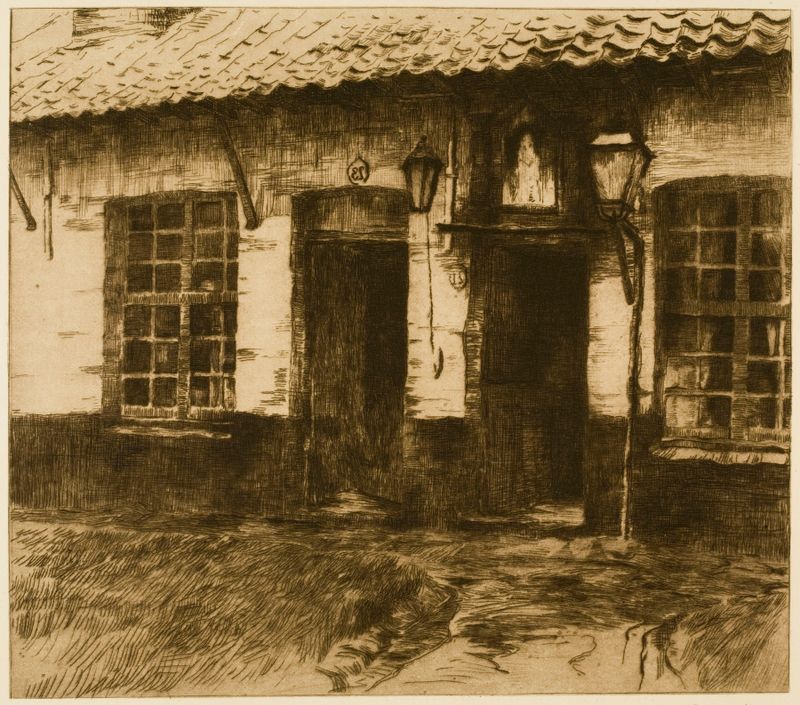
Houses of the Poor (Courtrai)
Albert Baertsoen
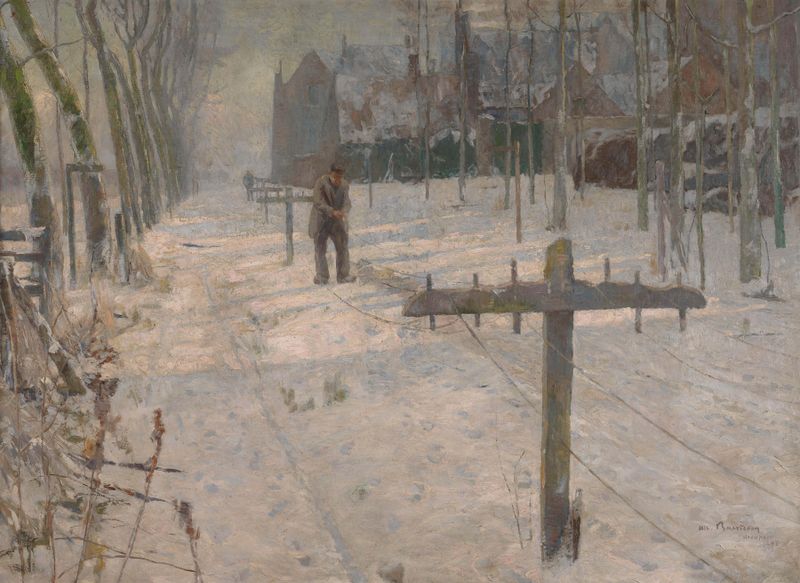
Rope-makers on The Ramparts
Albert Baertsoen
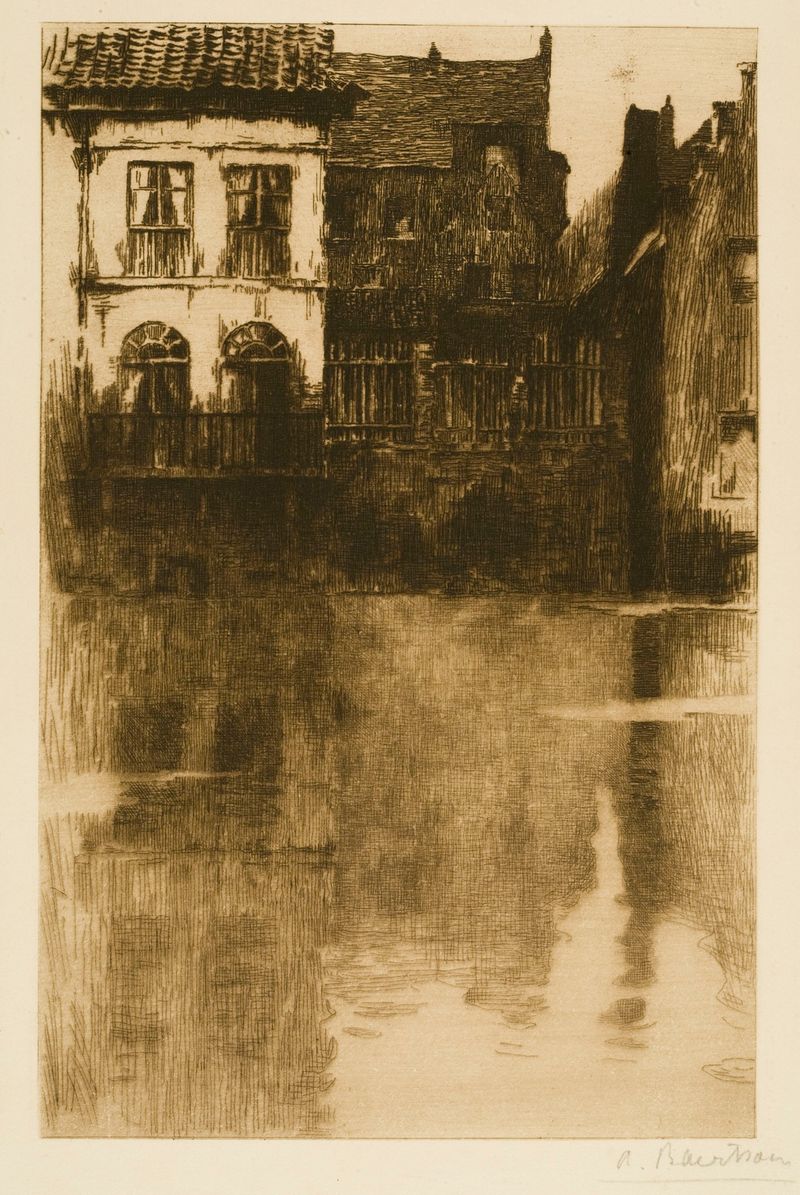
Old Houses on the Waterfront
Albert Baertsoen
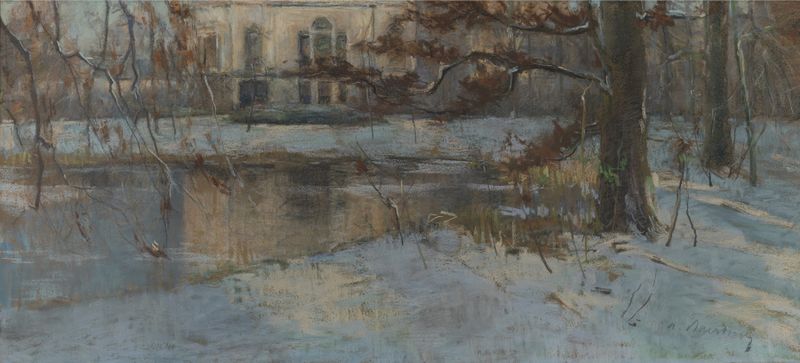
Landhuis en park onder de sneeuw
Albert Baertsoen
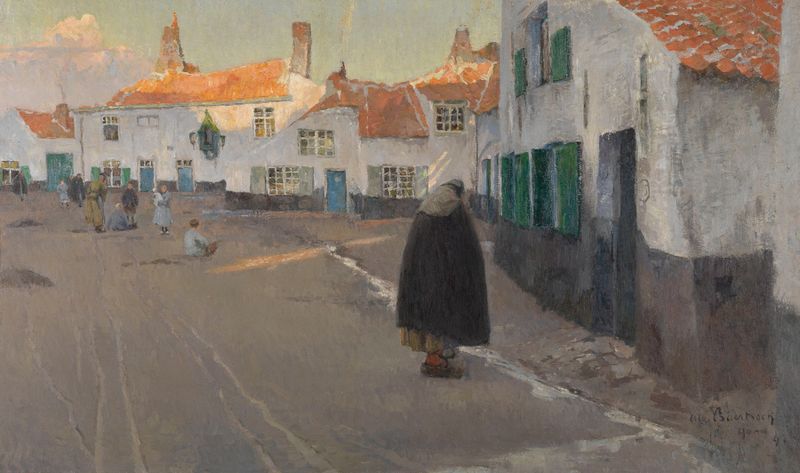
Square in Flanders
Albert Baertsoen
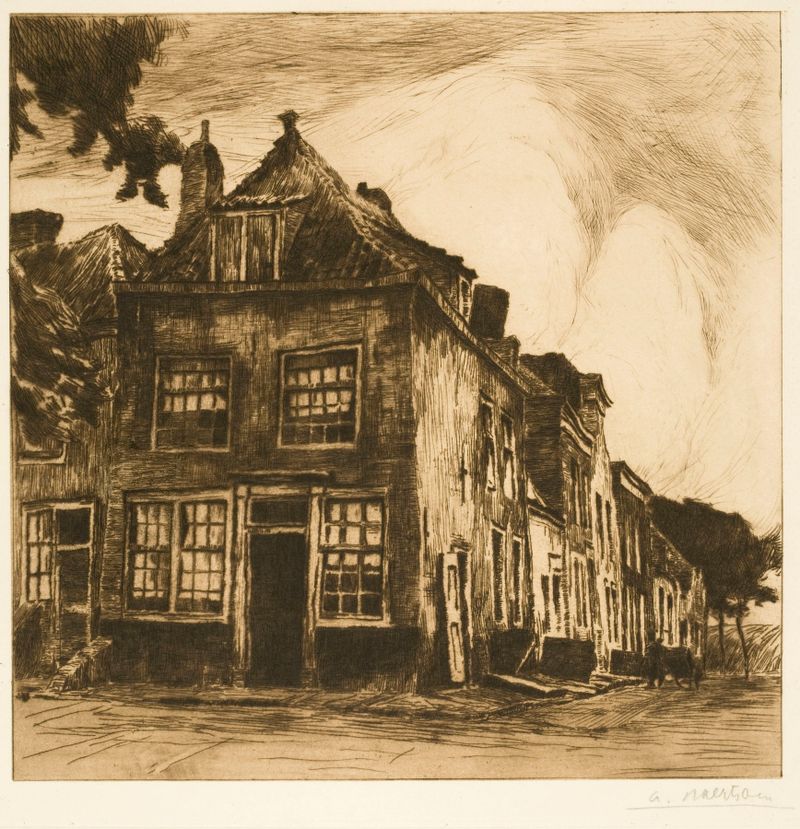
Zeeland Houses (Old Houses in Middelburg)
Albert Baertsoen
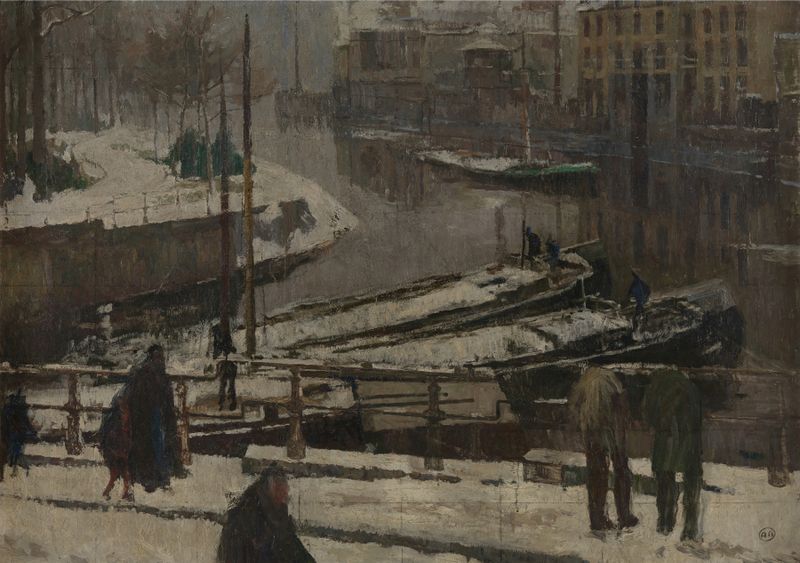
Thaw in Ghent
Albert Baertsoen
More Architecture Art
Browse all →
The statue of Liberty
Frédéric Auguste Bartholdi

View of Houses in Delft, Known as ‘The Little Street’
Johannes Vermeer

View of Houses in Delft, Known as ‘The Little Street’
Johannes Vermeer

The Cathedral in Rouen. The portal, Grey Weather
Claude Monet

The yellow house
Vincent van Gogh

The Church in Auvers-sur-Oise, View from the Chevet
Vincent van Gogh