
The Abduction of the Sabine Women — History & Facts
Can beauty exist without sorrow? In Luca Giordano's The Abduction of the Sabine Women, the answer unfolds, revealing the complex dance between allure and fear. Look to the center where the tumultuous action unfolds, a frenzied interplay of bodies caught in a moment of chaos and emotion. Notice how Giordano employs sweeping lines that guide your gaze through the tangled forms, their expressive gestures frozen in time. The vibrant palette—rich reds, deep greens, and luminous golds—illuminates the drama, accentuating the tension of the scene.
Shadows deepen the corners, creating a chiaroscuro that heightens the urgency of the narrative, inviting the viewer to consider the darker implications of the beauty on display. Delve deeper into the emotional undercurrents present in the faces of the women; their expressions oscillate between shock, vulnerability, and defiance. The contrast of the men, depicted as strong and determined figures, amplifies the unsettling power dynamic at play. Each detail, from the drapery of their garments to the clasp of hands, whispers of the fear that underlies their beauty.
This tension is not merely aesthetic; it provokes questions about consent, agency, and the cost of desire, turning the artwork into a haunting reflection on the human condition. Created around 1675 in Naples, this piece showcases Giordano's mastery during the Baroque period, a time characterized by emotional intensity and dramatic storytelling. His works emerged during a vibrant artistic revival, marked by the influence of Caravaggio and the burgeoning interest in narrative-driven compositions. As Giordano navigated the complexities of his era, The Abduction of the Sabine Women stands out, capturing both the allure and the tumult of a history fraught with conflict and desire.
More Artworks by Luca Giordano
Browse all →
More Historical Art
Browse all →
The Night Watch Militia Company of District II under the Command of Captain Frans Banninck Cocq
Rembrandt van Rijn
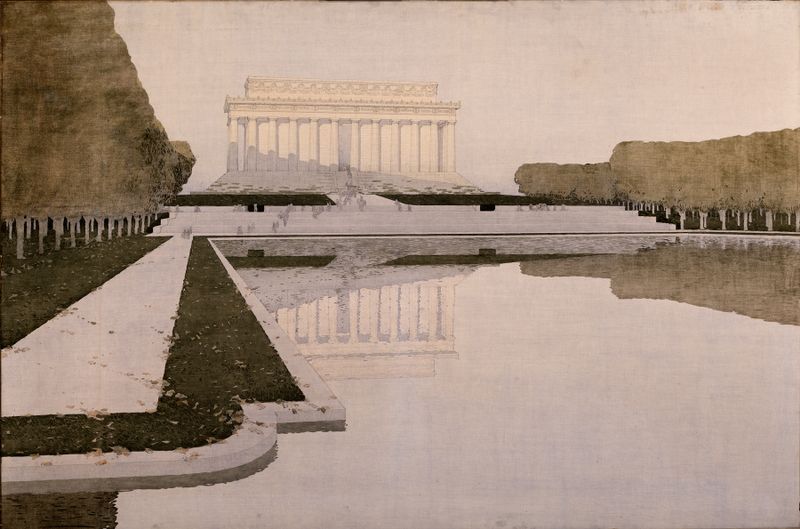
Lincoln Memorial
Henry Bacon
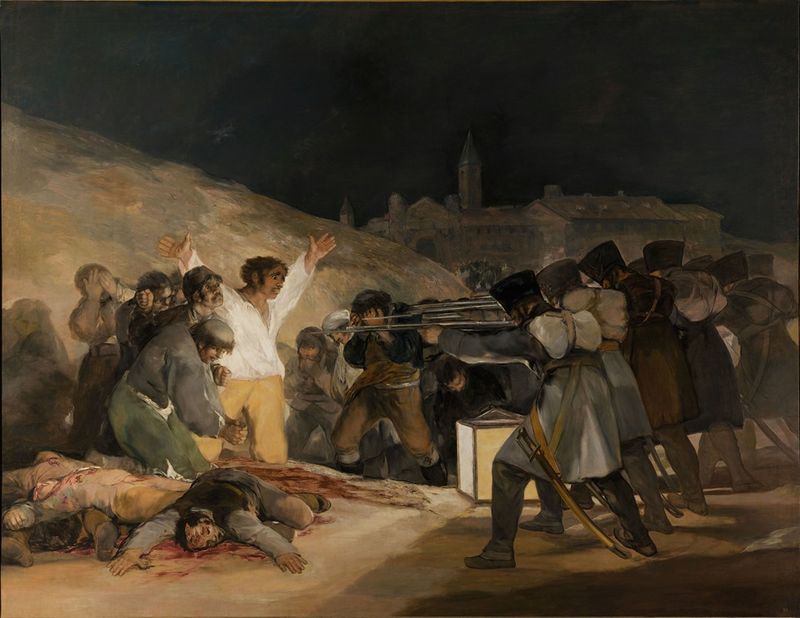
The Third of May 1808
Francisco de Goya

Isaac and Rebecca, Known as ‘The Jewish Bride’
Rembrandt van Rijn
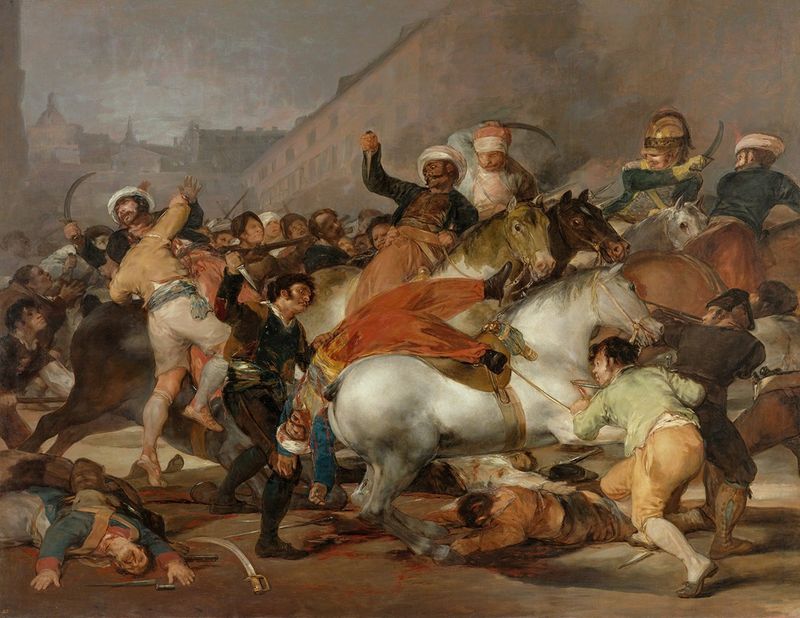
The Charge of the Mamelukes (1814)
Francisco de Goya

De vier ruiters van de apocalyps
Albrecht Dürer