Discover insights about this artwork
The Adoration of the Shepherds — History & Facts
In The Adoration of the Shepherds, Peter Paul Rubens presents a warm and intimate scene filled with rich colors. The painting features several shepherds gathered around the newborn Christ, their expressions reflecting awe and reverence. The use of light highlights the figures, creating a sense of depth and focus on the holy child.
The background is softly rendered, emphasizing the emotional connection between the figures and the divine infant. This artwork is executed in oil on canvas, a common medium for Rubens, allowing for vibrant colors and dynamic brushwork. The dimensions are approximately 130 x 170 cm, making it a sizable piece that draws viewers in. Rubens' characteristic use of chiaroscuro enhances the three-dimensionality of the figures, while the flowing drapery adds movement to the composition.
The overall arrangement of figures creates a harmonious balance, typical of the Baroque style. Peter Paul Rubens was a leading figure of the Baroque movement, known for his energetic compositions and vivid color palette. This painting, created in the 1620s, reflects his ability to convey emotion through the depiction of religious themes. An interesting fact about this work is that it was commissioned for a church in Antwerp, showcasing Rubens' deep connection to his local community and the Catholic faith.
The painting remains a significant example of Baroque art, celebrated for its emotional impact and technical skill.
More Artworks by Peter Paul Rubens
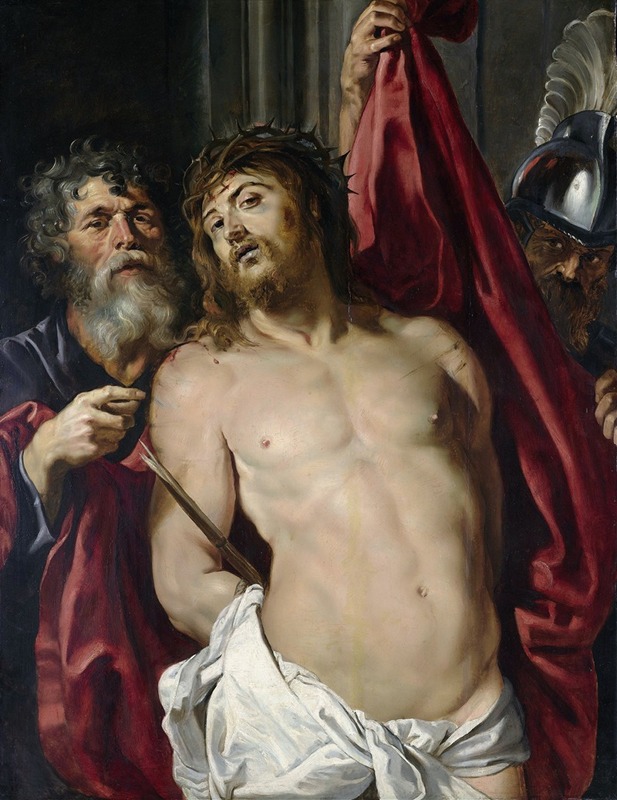
Ecce homo
Peter Paul Rubens
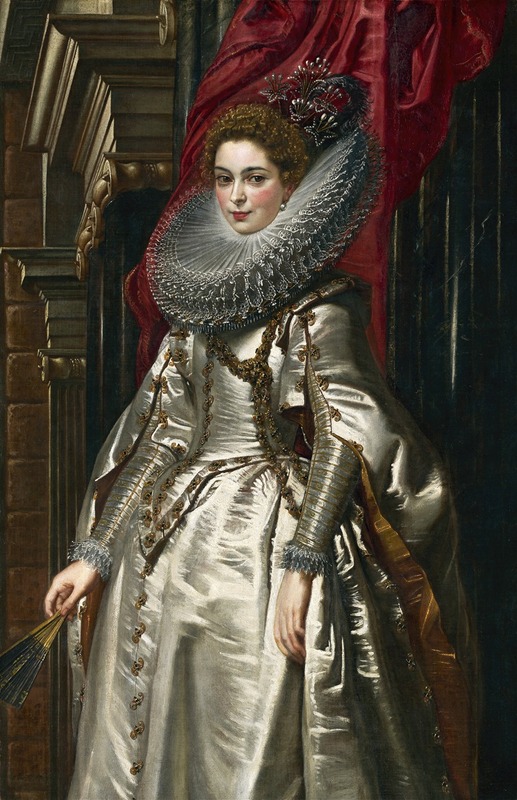
Marchesa Brigida Spinola Doria
Peter Paul Rubens
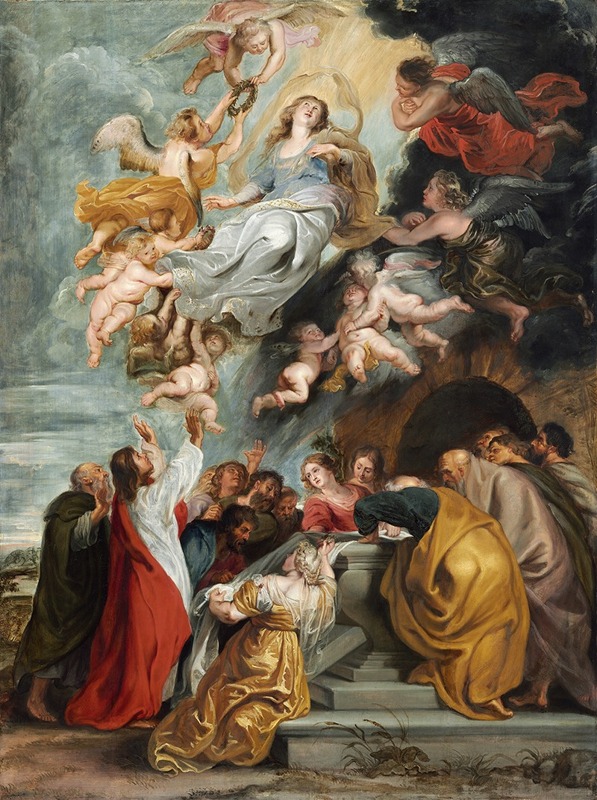
The Assumption of the Virgin
Peter Paul Rubens

Saint Teresa of Ávila Interceding for Souls in Purgatory
Peter Paul Rubens
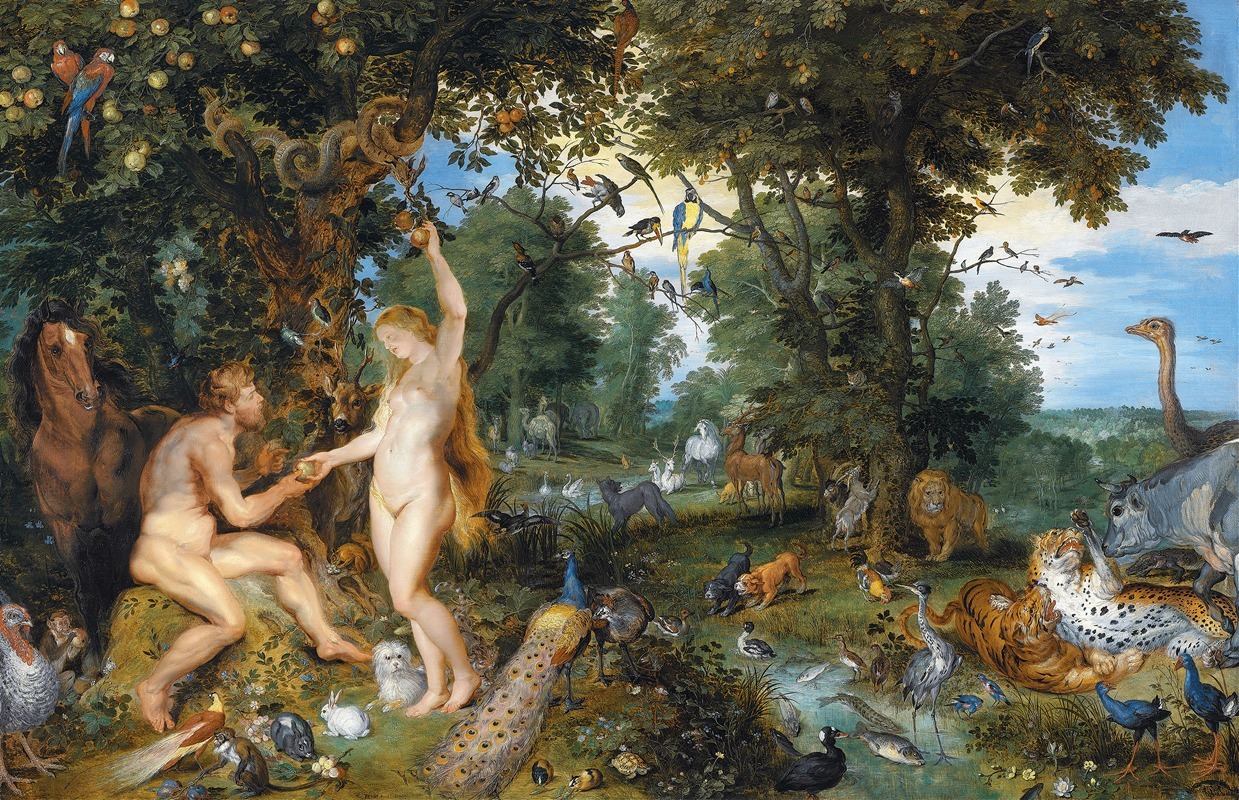
The Garden of Eden with the Fall of Man
Peter Paul Rubens
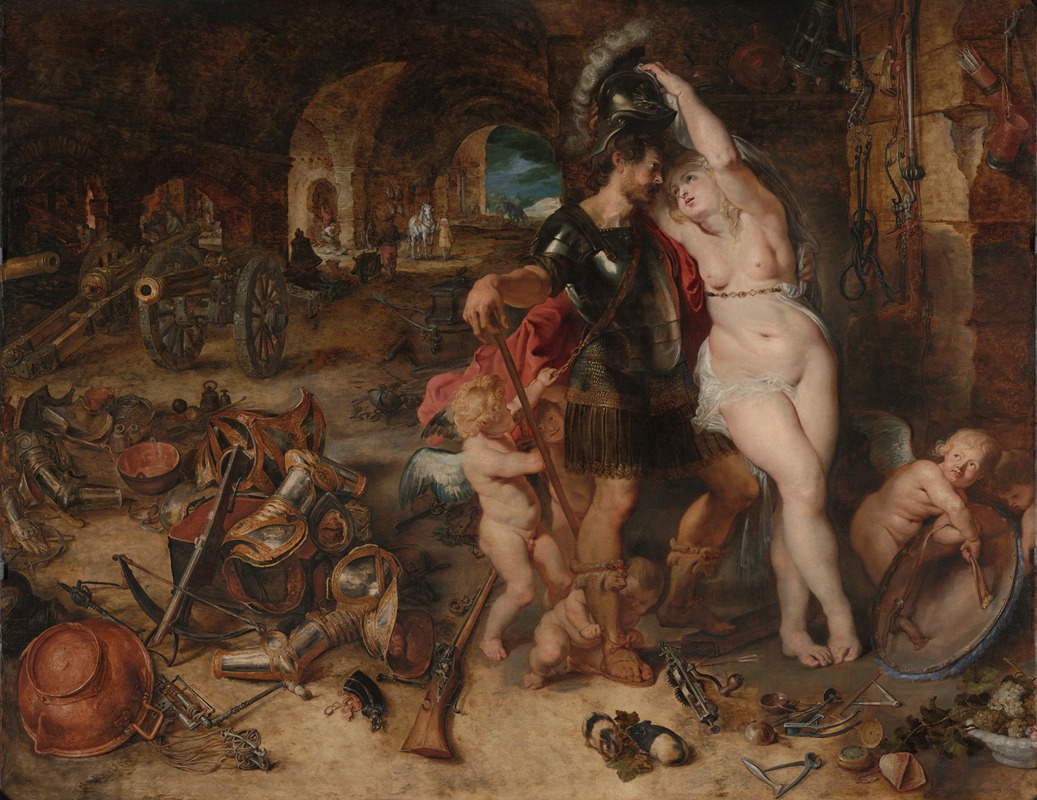
The Return From War,Mars Disarmed By Venus
Peter Paul Rubens
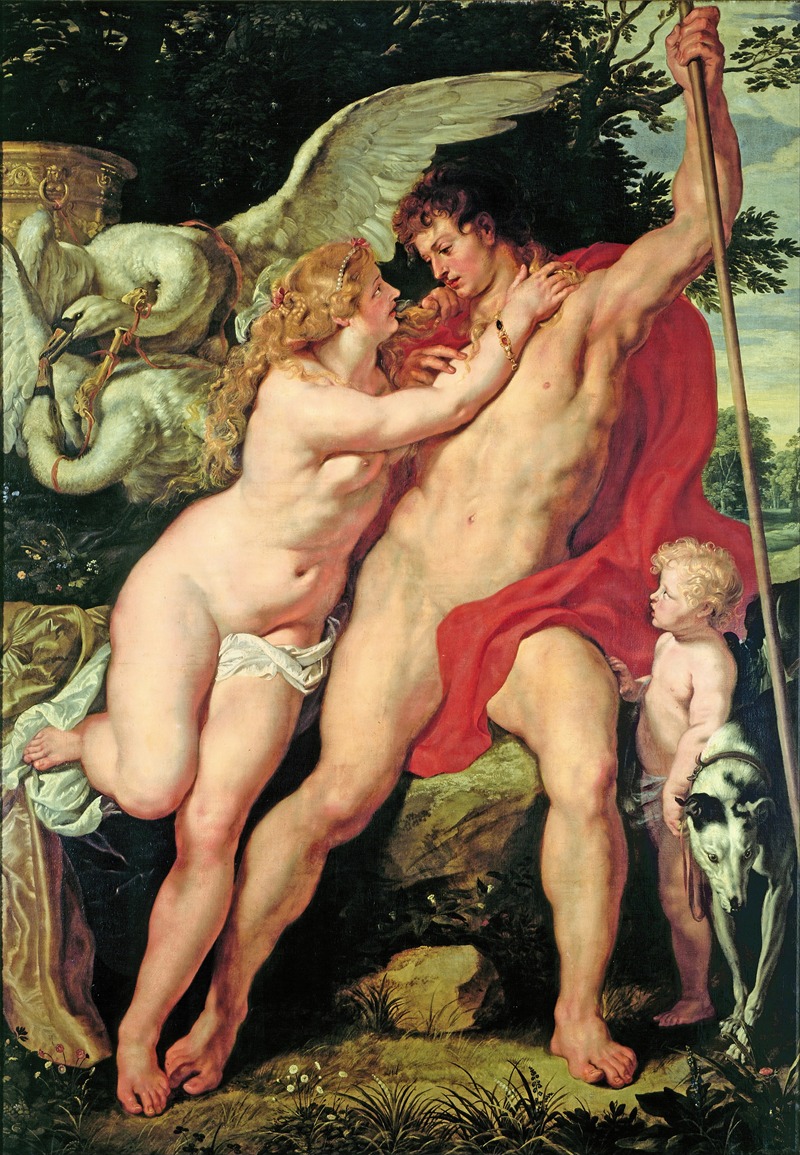
Venus and Adonis
Peter Paul Rubens
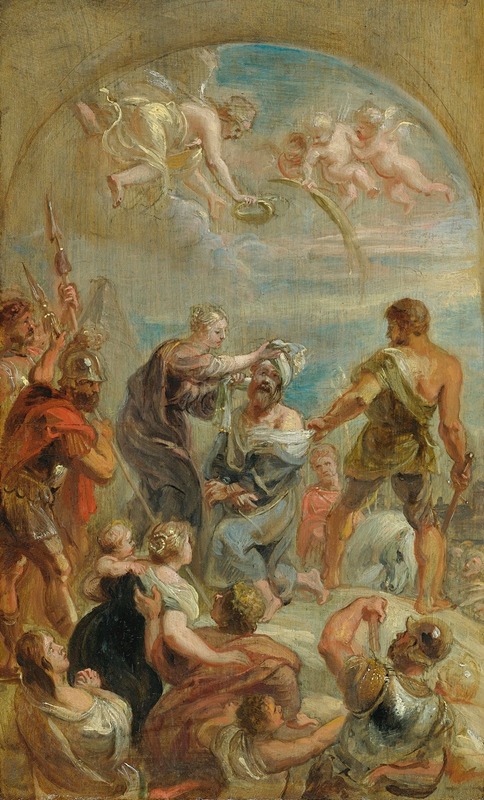
The Martyrdom Of Saint Paul
Peter Paul Rubens
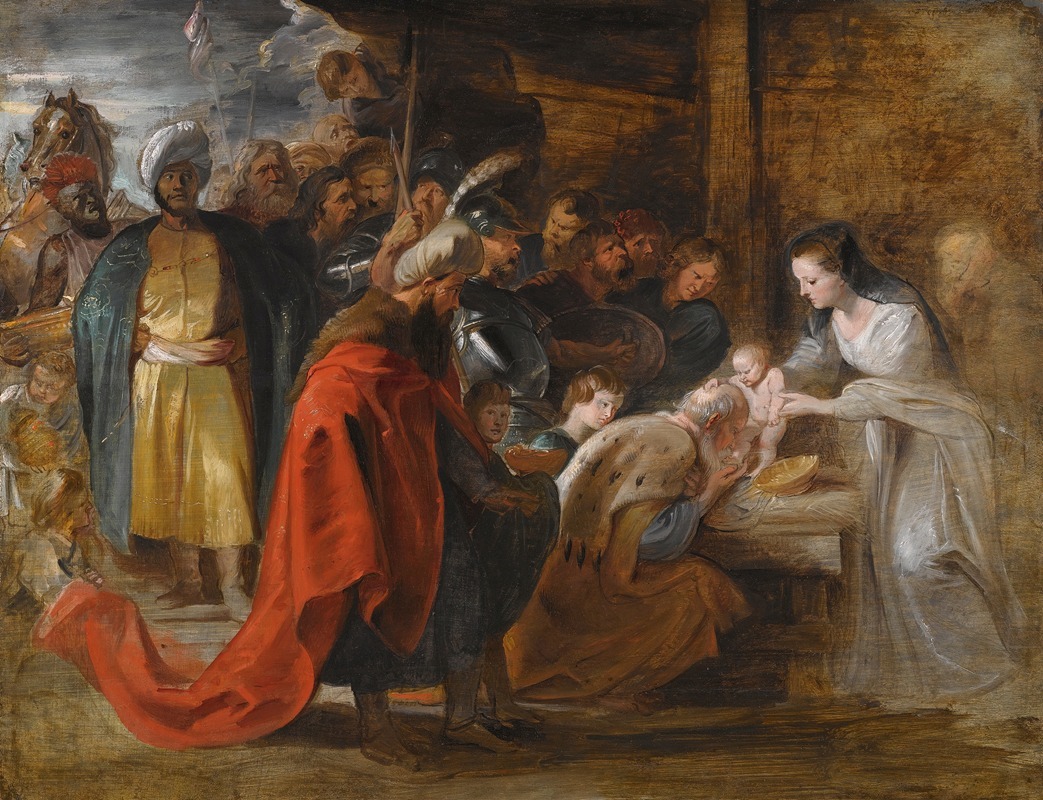
The Adoration Of The Magi
Peter Paul Rubens
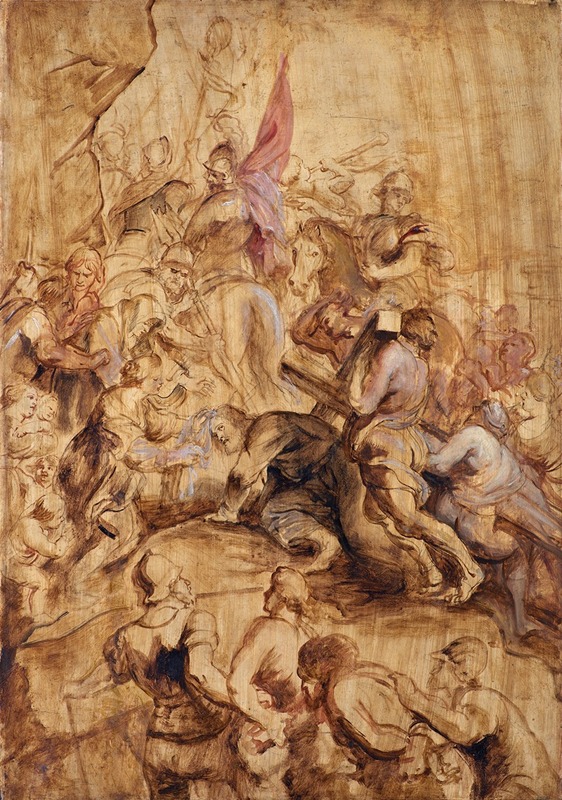
The Ascent to Calvary. The Bearing of the Cross
Peter Paul Rubens