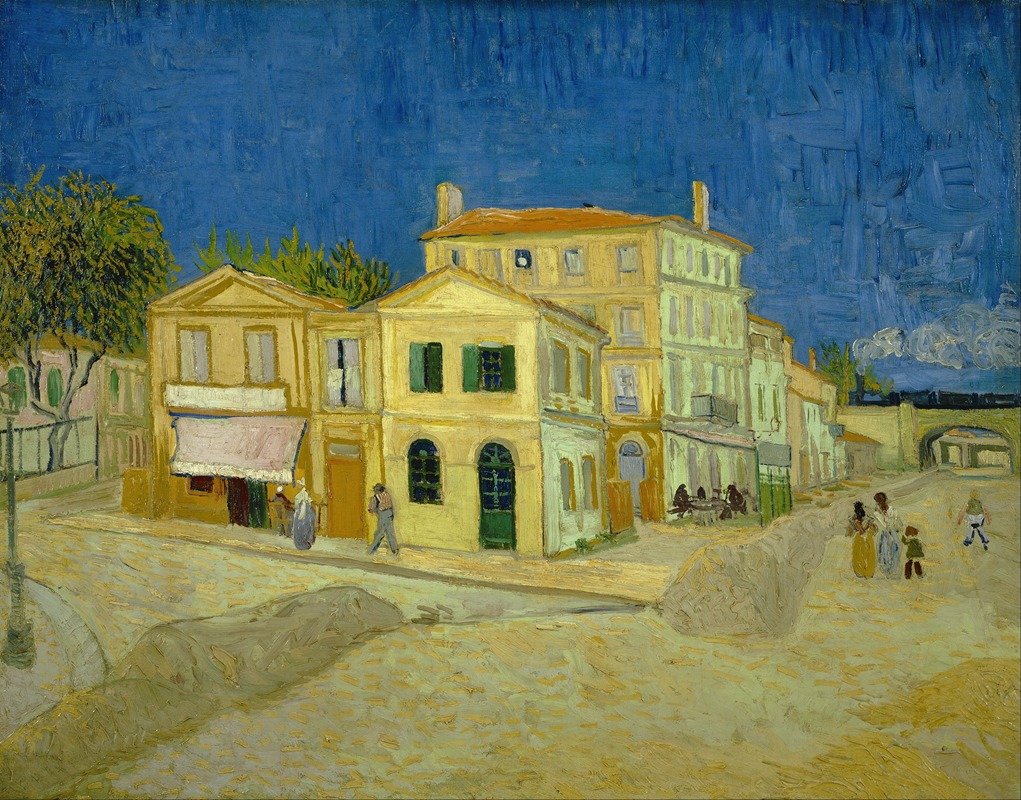
Discover insights about this artwork
The Arcade of the Emperors — History & Facts
In The Arcade of the Emperors, Peter Paul Rubens presents a grand architectural scene filled with vibrant colors. The painting features a series of arches and columns, creating a sense of depth and perspective. Figures are depicted in elaborate clothing, suggesting a historical or regal context.
The overall composition conveys a feeling of grandeur and opulence. The painting is executed in oil on canvas, a medium that allows for rich color and texture. Rubens' brushwork is dynamic, with a focus on light and shadow that enhances the three-dimensionality of the architecture. The use of color is particularly striking, with warm tones dominating the scene.
Viewers can appreciate the meticulous details in the figures' garments and the architectural elements. Peter Paul Rubens was a leading figure of the Baroque movement, known for his dramatic use of color and movement. The Arcade of the Emperors reflects his interest in classical themes and architecture. An interesting fact about this work is that it was created during a time when Rubens was heavily influenced by his travels in Italy, which is evident in the classical elements of the painting.
This piece showcases his ability to blend history with artistic innovation.
More Artworks by Peter Paul Rubens
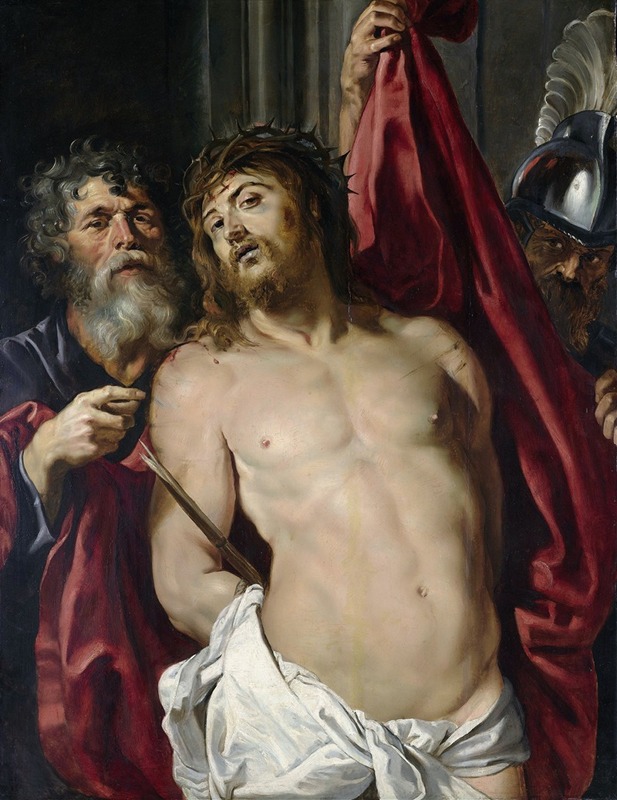
Ecce homo
Peter Paul Rubens
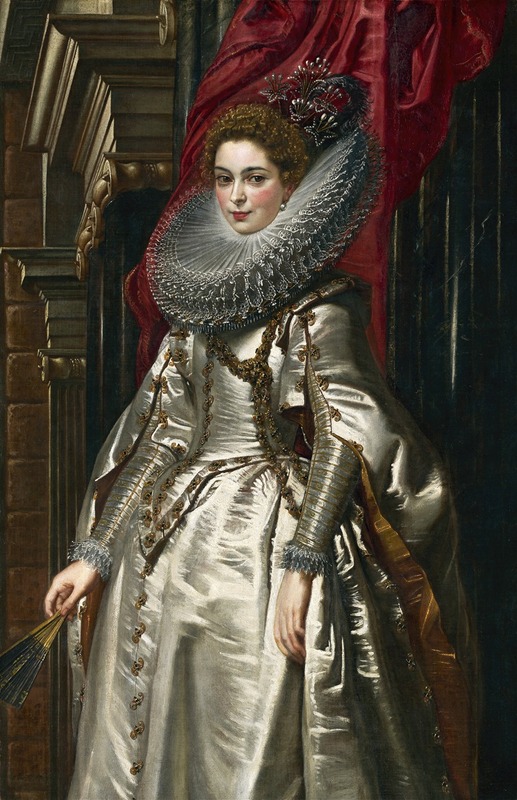
Marchesa Brigida Spinola Doria
Peter Paul Rubens
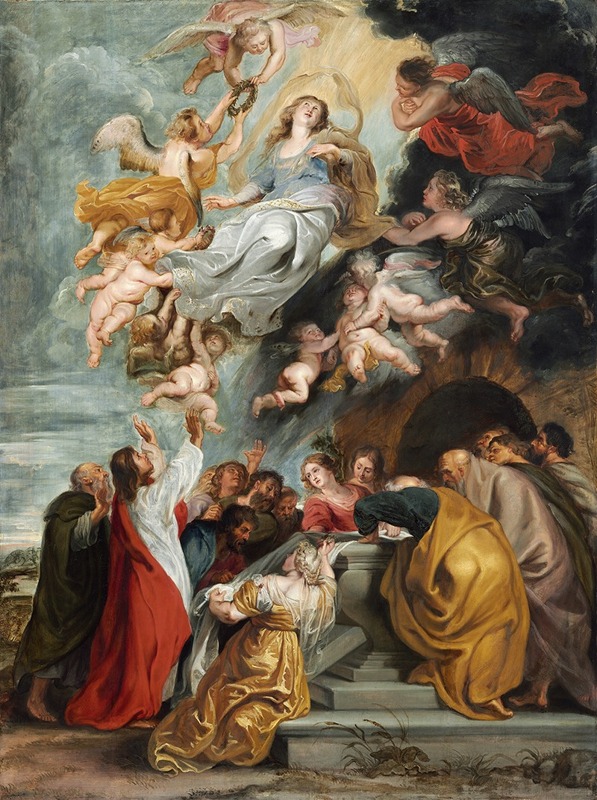
The Assumption of the Virgin
Peter Paul Rubens

Saint Teresa of Ávila Interceding for Souls in Purgatory
Peter Paul Rubens
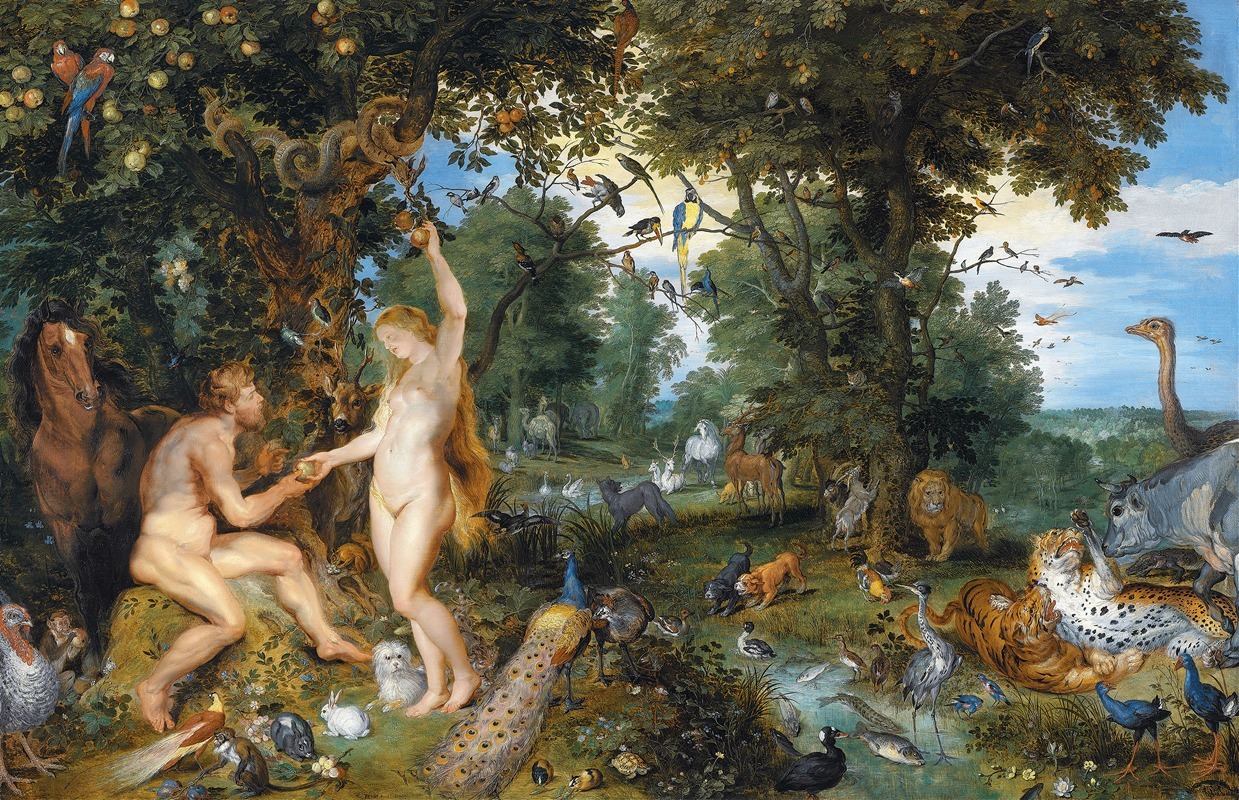
The Garden of Eden with the Fall of Man
Peter Paul Rubens
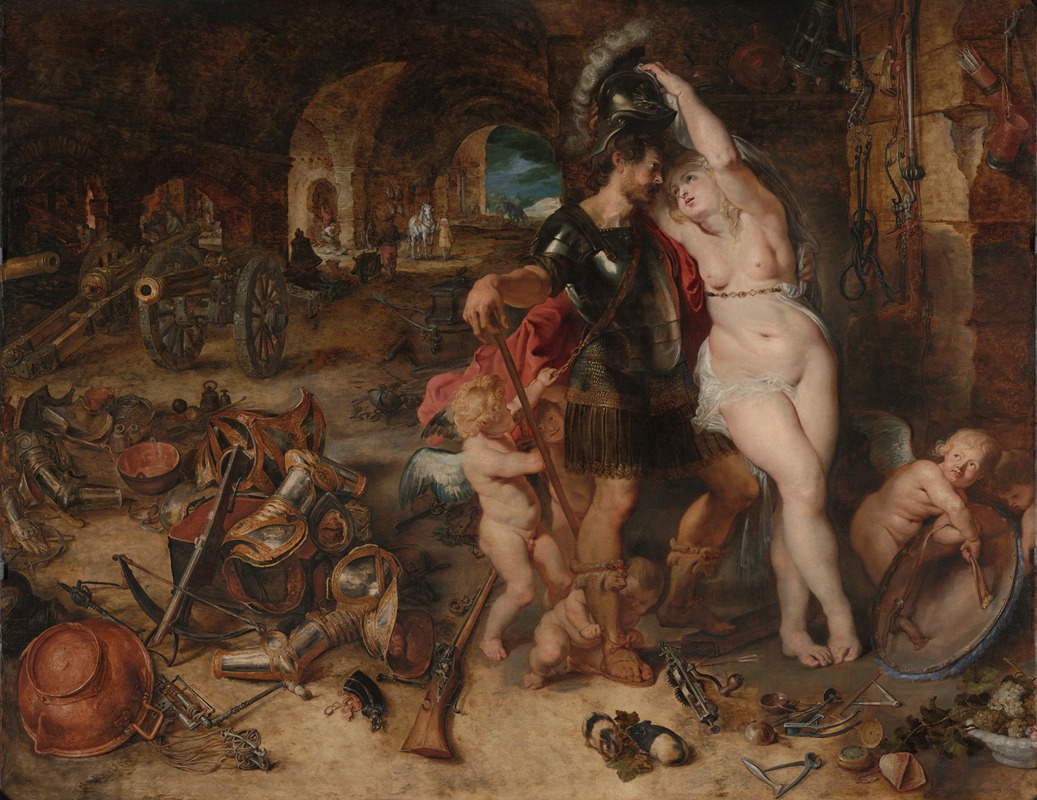
The Return From War,Mars Disarmed By Venus
Peter Paul Rubens
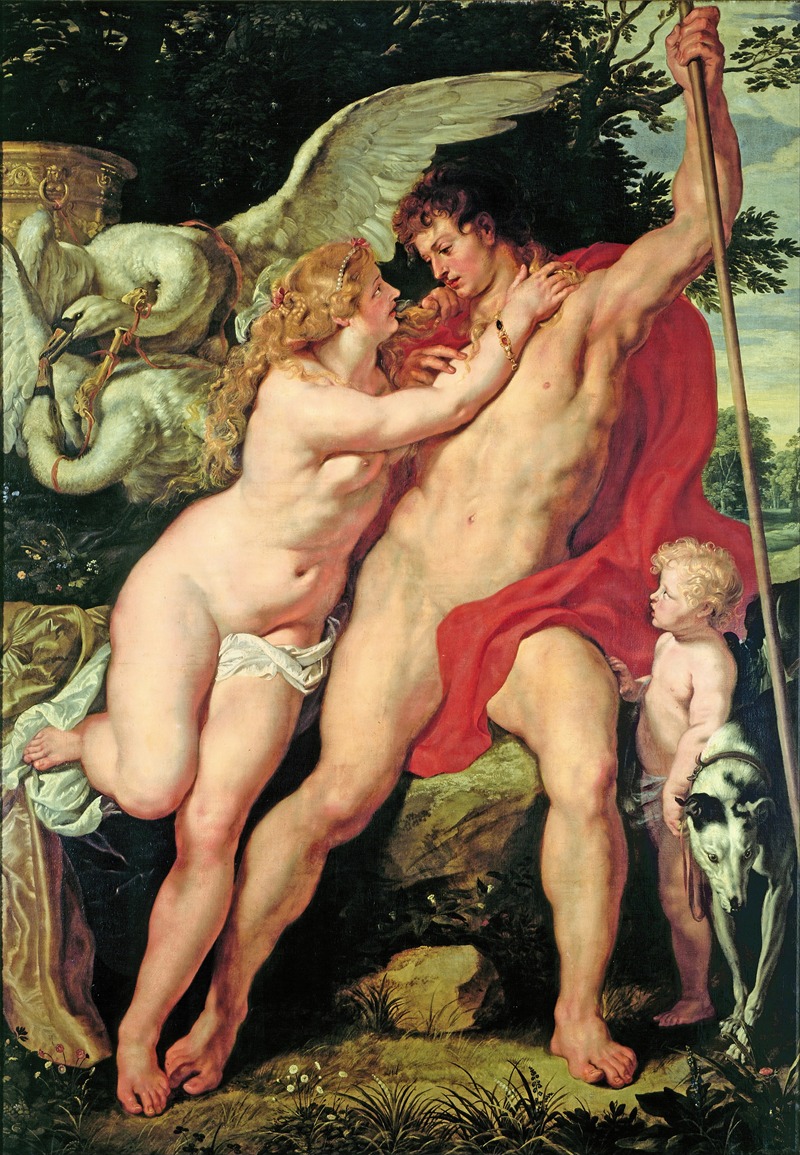
Venus and Adonis
Peter Paul Rubens
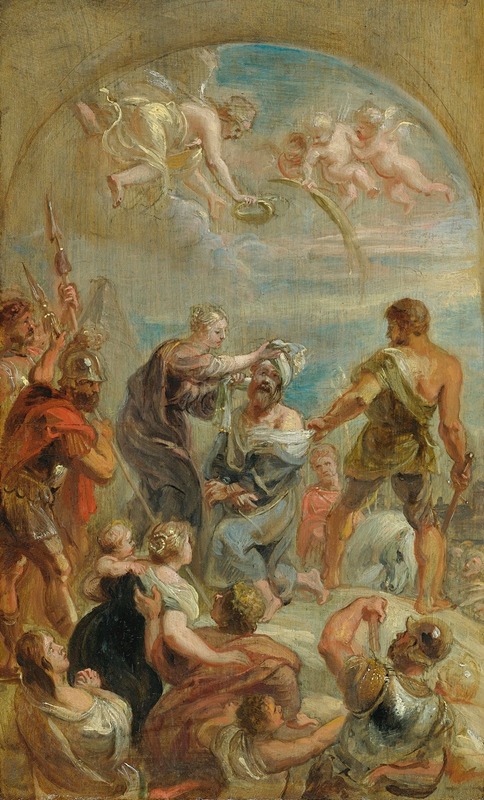
The Martyrdom Of Saint Paul
Peter Paul Rubens
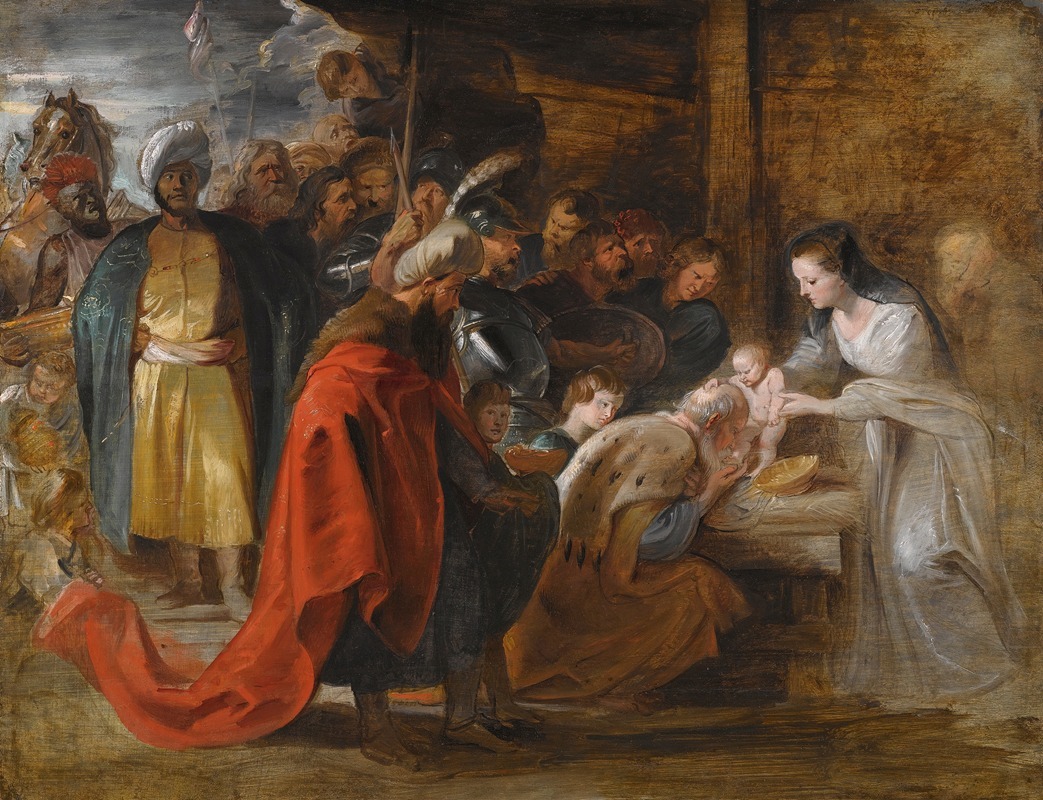
The Adoration Of The Magi
Peter Paul Rubens
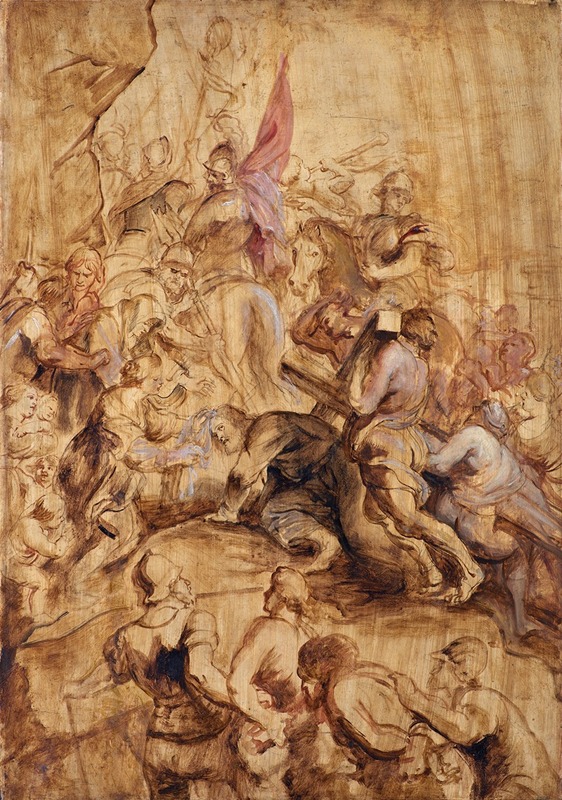
The Ascent to Calvary. The Bearing of the Cross
Peter Paul Rubens