
The Artist’s Garden Seen to the East from the Terrace with a View of the Birch Avenue and the Wannsee — History & Facts
A gentle breeze stirs the leaves, rustling their vibrant green hues as sunlight filters through the branches. In the foreground, a woman in a wide-brimmed hat leans over a flowerbed, her fingers dancing among the blooms, while a man stands nearby, contemplating the serene expanse of the garden. The scene is alive with color, yet an unspoken tension hangs in the air, as if the vibrant beauty of the moment conceals a deeper, more complicated story. Look to the left, where the delicate interplay of light and shadow reveals a tapestry of blooming flowers bursting with color—pinks, yellows, and purples all harmoniously blended.
Notice how the brushstrokes, a mix of impressionistic swirls and precise details, guide your gaze from this lush foreground to the distant landscape, framed by the slender birches that create a gentle rhythm across the canvas. The terrace serves not just as a vantage point but as a threshold between the intimate world of the garden and the expansive vista beyond, inviting viewers to explore the juxtaposition of cultivated beauty and natural wilderness. Amidst this idyllic setting lies an emotional tension; the woman's attentiveness to the flowers hints at both nurture and distraction, perhaps betraying a deeper conflict in her heart. The solidity of the birch trees contrasts with the ephemeral nature of the blossoms, echoing the fleeting moments of trust and affection that can fade as easily as the petals in the wind.
This is not merely a garden but a stage for silent drama, where beauty masks the underlying complexities of human connection. Created during the late 19th century, as part of the burgeoning Impressionist movement, the work reflects Liebermann's deep appreciation for the natural world and his desire to capture transient moments. At this time, the artist was flourishing in Berlin, engaging with fellow painters and exploring themes that resonated within the broader shifts in art and society. The period was marked by a growing interest in light and color, as well as an exploration of the relationship between humanity and its environment, making this piece a significant expression of his artistic journey.
More Artworks by Max Liebermann
Browse all →
Die Blumenterrasse in Wannsee mit Blick auf den Fischotterbrunnen
Max Liebermann
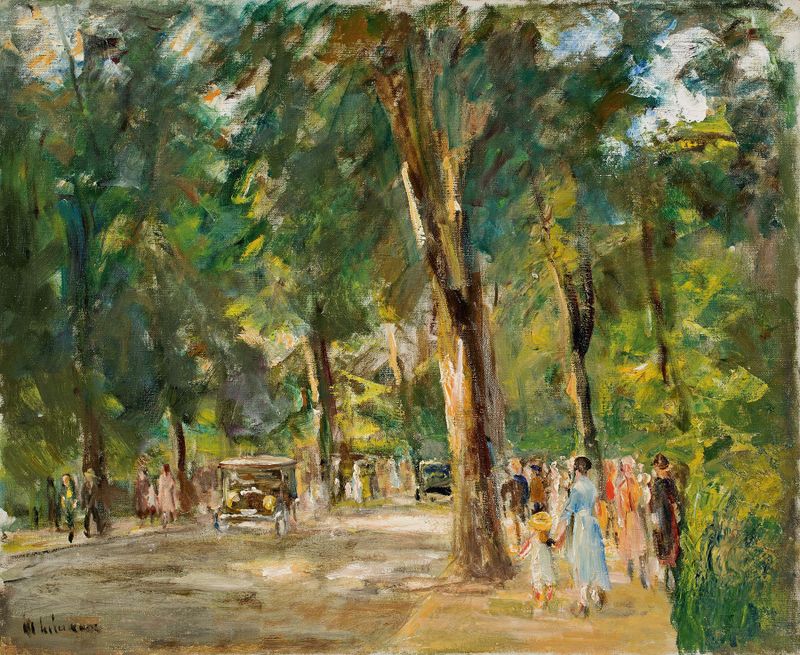
Die Große Seestraße in Wannsee mit Spaziergängern
Max Liebermann

Seitlicher Blick in den Wannseegarten
Max Liebermann

Der Rosengarten in Wannsee
Max Liebermann

Allee mit Spaziergängern und Automobilen
Max Liebermann

Blick in meinen Garten
Max Liebermann
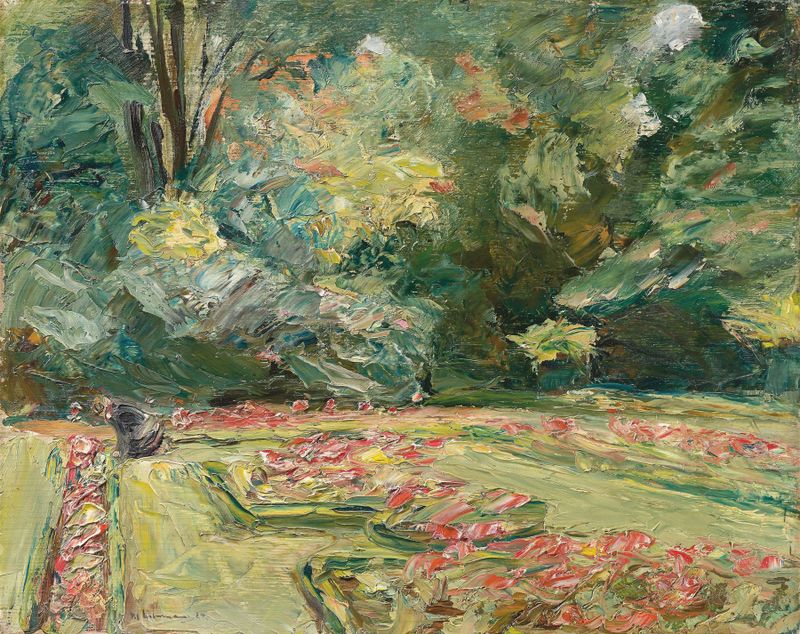
Die Blumenterrasse im Wannseegarten nach Norden
Max Liebermann

Spielende Kinder am Strand
Max Liebermann
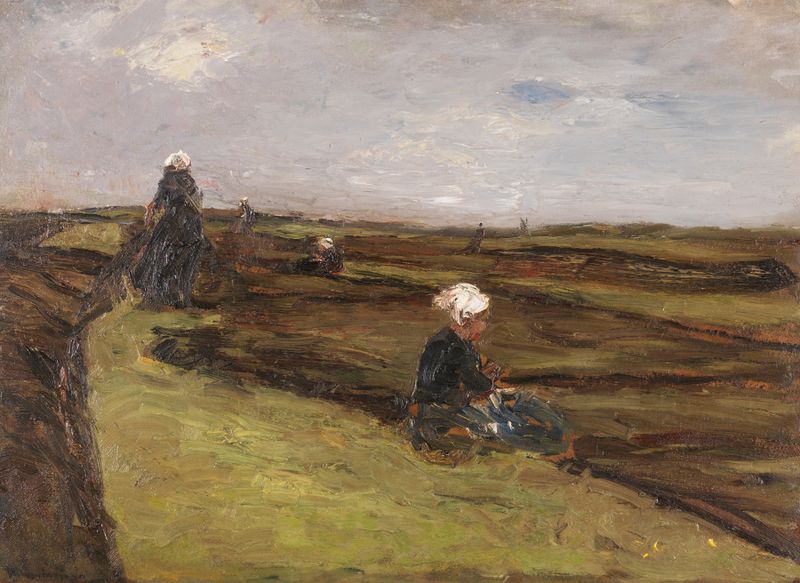
Die Netzflickerinnen
Max Liebermann

Am Strand von Noordwijk
Max Liebermann





