
The Ball — History & Facts
When did color learn to lie? In The Ball, the vibrant palette dances between truth and deception, inviting viewers to explore the layers of ecstasy woven into the night. Look to the left at the exuberant figures, caught in joyous motion under the shimmering chandeliers. The rich reds and deep blues swirl together, evoking a sense of celebration and unrestrained spirit. Notice how the light highlights the delicate fabric of their garments, almost as if it breathes life into the characters.
The composition draws you into the festive chaos, yet the calm expressions of two women in the foreground hint at an undercurrent of restraint amidst the revelry. Beyond the lavish surface lies a commentary on the masks people wear in social situations. The contrast between the vibrant atmosphere and the subtle melancholy in the women's eyes suggests a deeper emotional struggle, echoing the tension between public appearance and private desire. The lushness of the scene invites indulgence, yet the viewer is left contemplating the dichotomy of joy and isolation that often accompanies such gatherings. Félix Vallotton painted The Ball in 1899 during a time when he was exploring the intersection of Impressionism and Post-Impressionism.
Living in Paris, he was surrounded by an artistic community that celebrated modern life, yet he sought to infuse his work with a distinct emotional resonance. This piece reflects not only the exuberance of the Belle Époque but also Vallotton's own introspections on the human experience within society's grand masquerade.
More Artworks by Félix Vallotton
Browse all →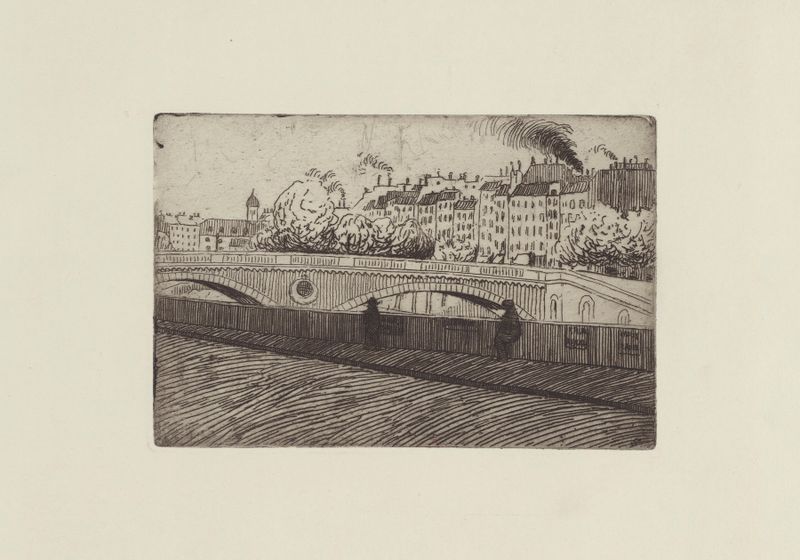
Le pont St Michel
Félix Vallotton
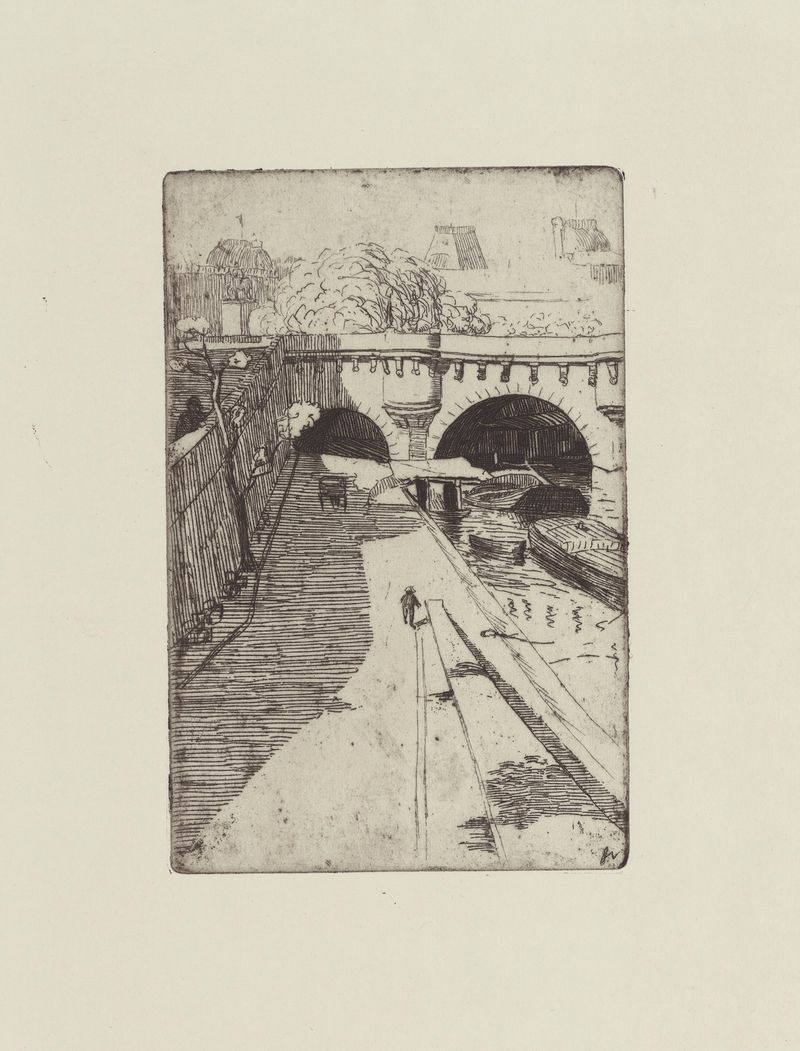
Le Vert-Galant
Félix Vallotton
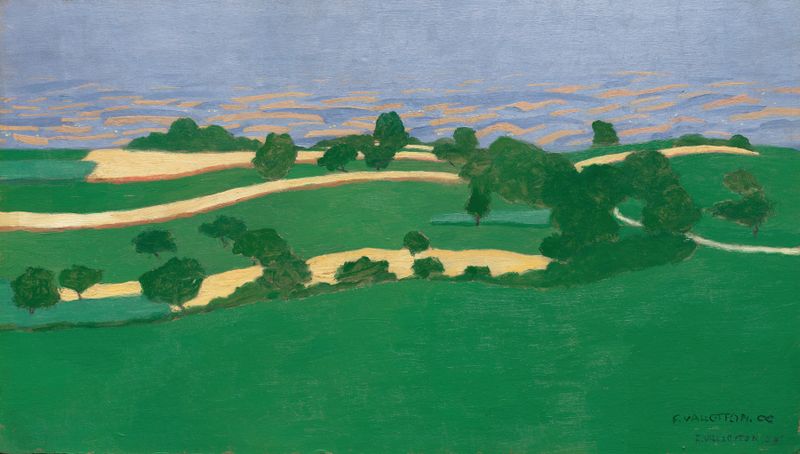
Corn Fields
Félix Vallotton
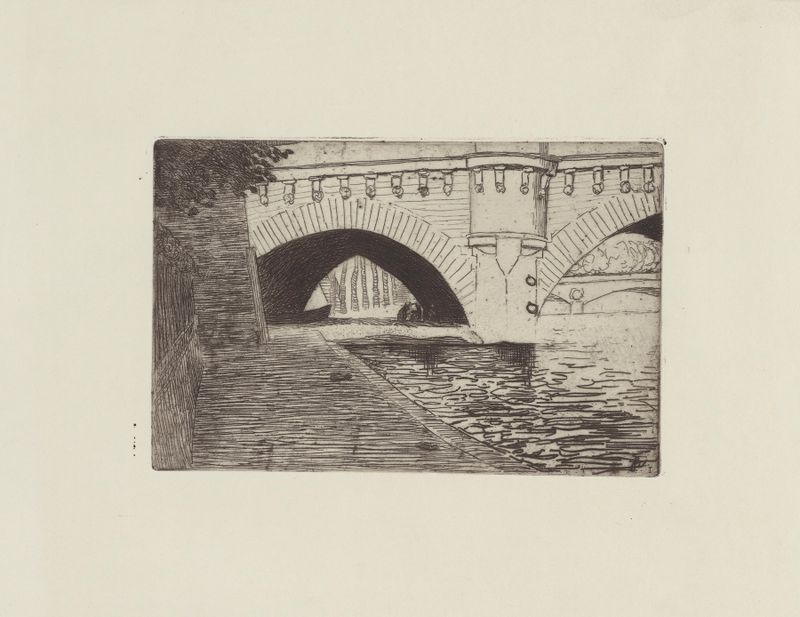
Le Pont-Neuf et le pont St Michel
Félix Vallotton
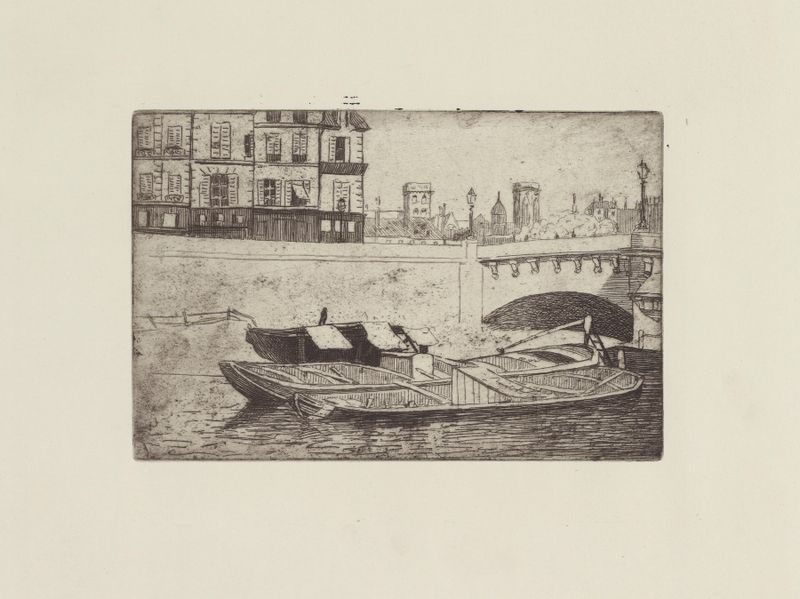
Péniches au Pont-Neuf
Félix Vallotton
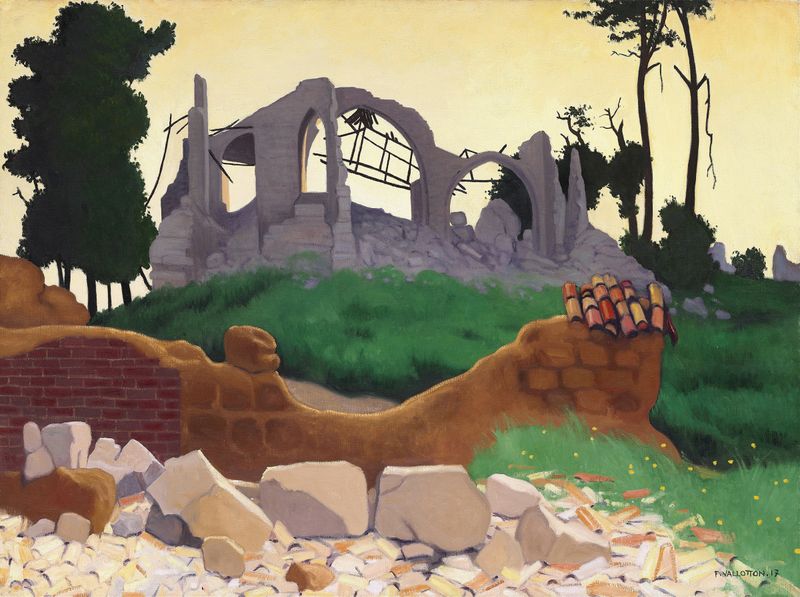
The Church of Souain
Félix Vallotton
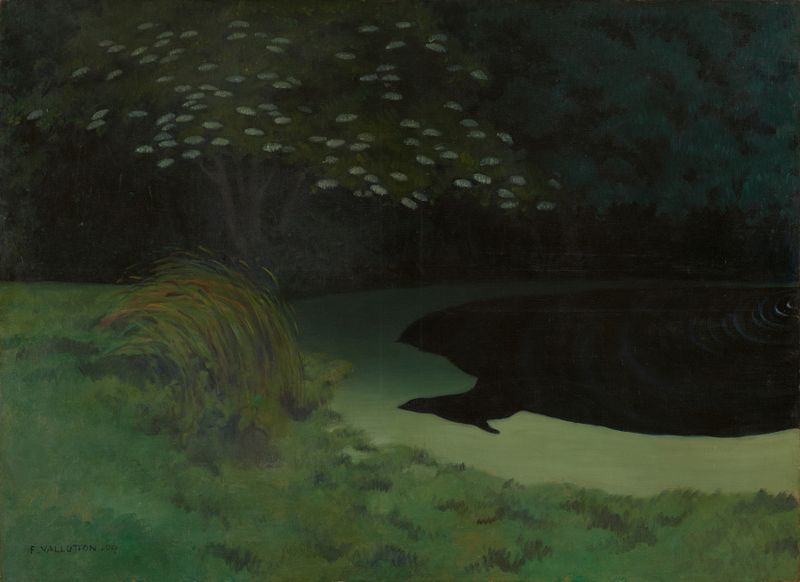
The Pond (Honfleur)
Félix Vallotton
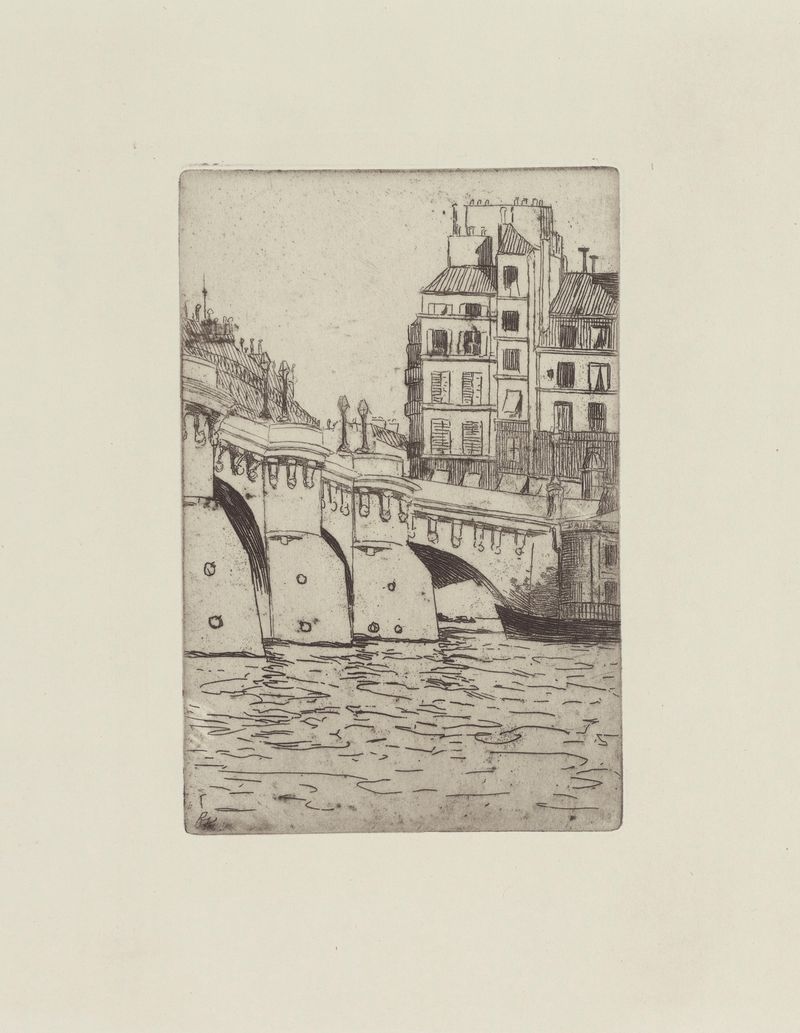
Les bains du Pont-Neuf
Félix Vallotton
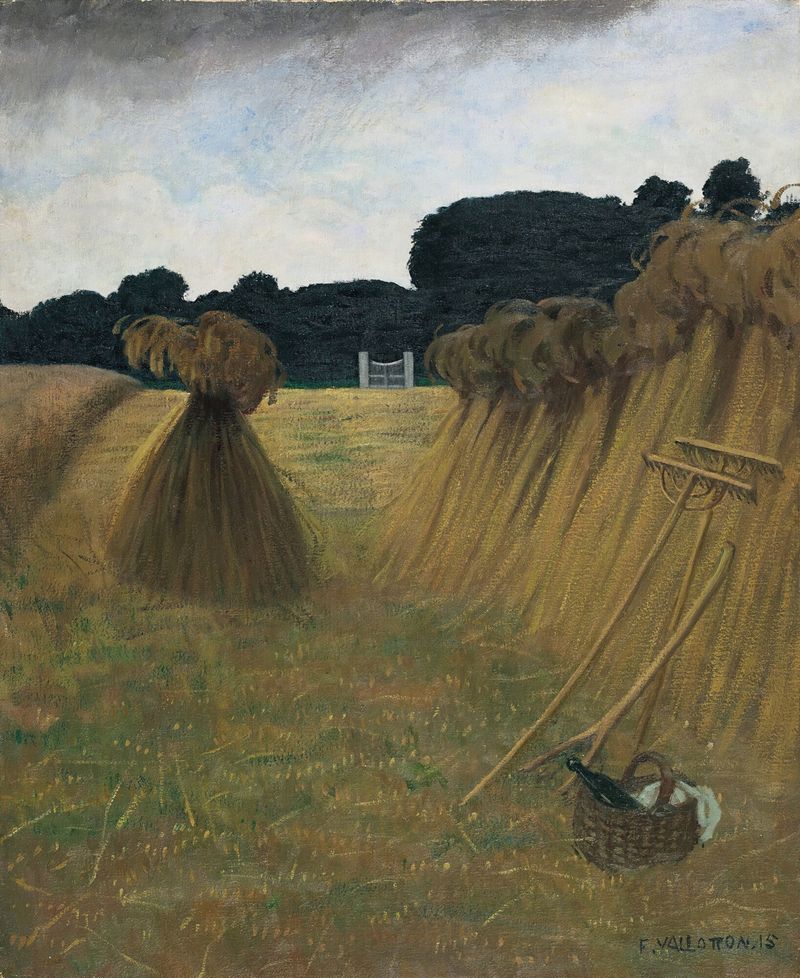
The Sheaves
Félix Vallotton
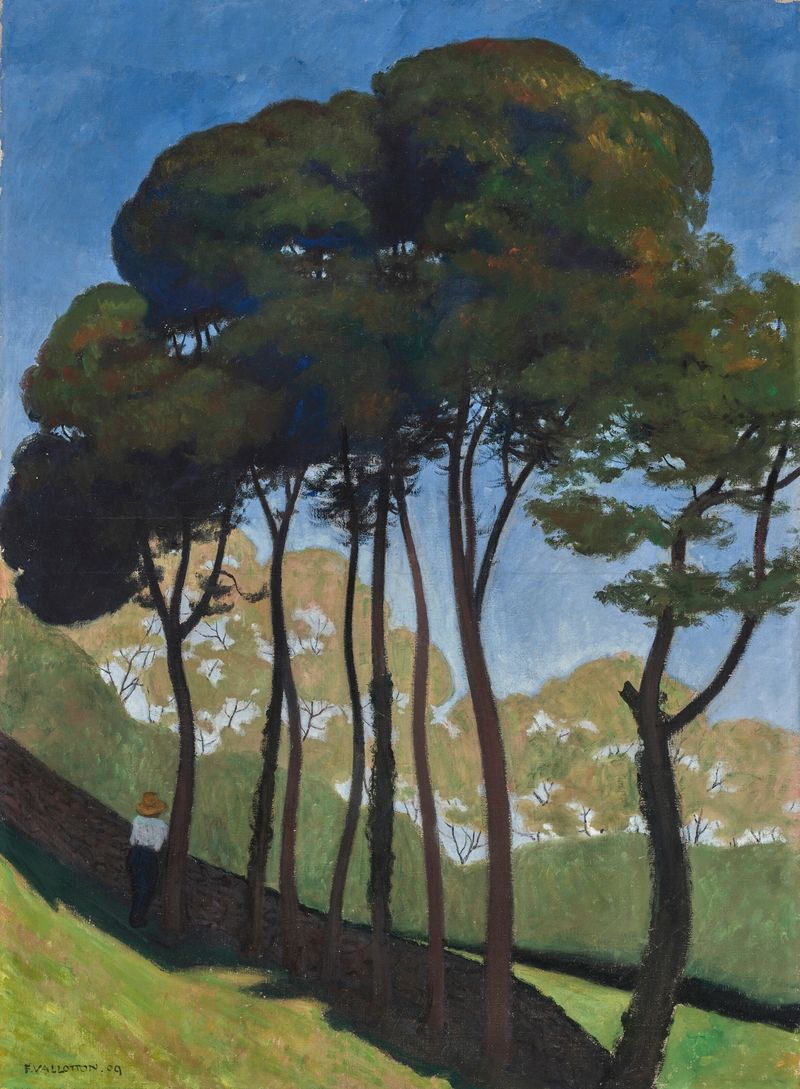
Les Grands Arbres, environs d’Honfleur
Félix Vallotton





