
The Barque of Dante (After Delacroix) — History & Facts
The Barque of Dante (After Delacroix) features a dramatic scene with Dante and Virgil navigating a turbulent river. The colors are rich and deep, with dark blues and greens dominating the water, contrasting with the lighter tones of the figures. Dante is depicted in a contemplative pose, while Virgil appears to guide him through the chaos.
The overall setting evokes a sense of movement and urgency, characteristic of Romantic art. The painting is executed in oil on canvas, showcasing Bouguereau's skill in rendering human figures with meticulous detail. The brushwork is smooth and refined, allowing for a lifelike representation of the characters. The composition draws the viewer's eye towards the central figures, emphasizing their emotional expressions.
The dimensions are approximately 150 x 200 cm, making it a significant work in size. William Bouguereau was known for his realistic style and focus on the human form, often drawing inspiration from classical literature. The Barque of Dante reflects his interest in mythological themes, as it is based on a famous work by Eugène Delacroix. An interesting fact about this painting is that it captures the moment of Dante's journey through the afterlife, a theme that resonates deeply in literature and art.
Bouguereau's interpretation adds a Romantic flair to this timeless narrative.
More Artworks by William Bouguereau

A Study For The Secret
William Bouguereau
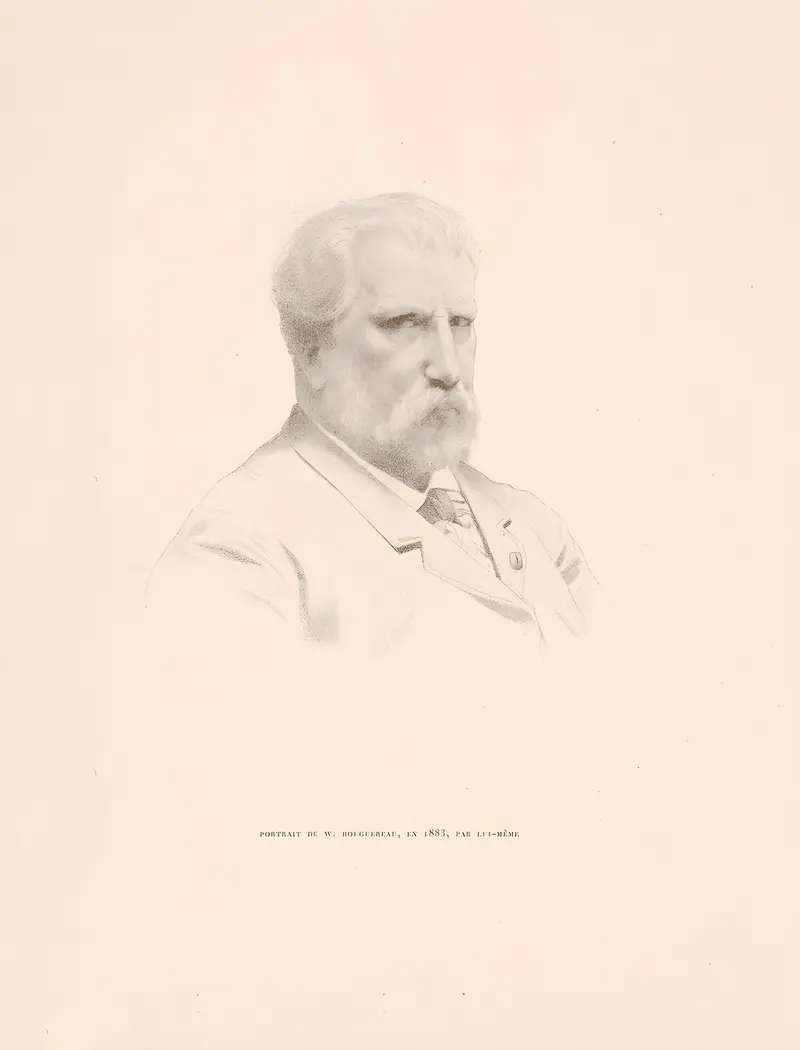
Portrait de W. Bouguereau, en l899
William Bouguereau
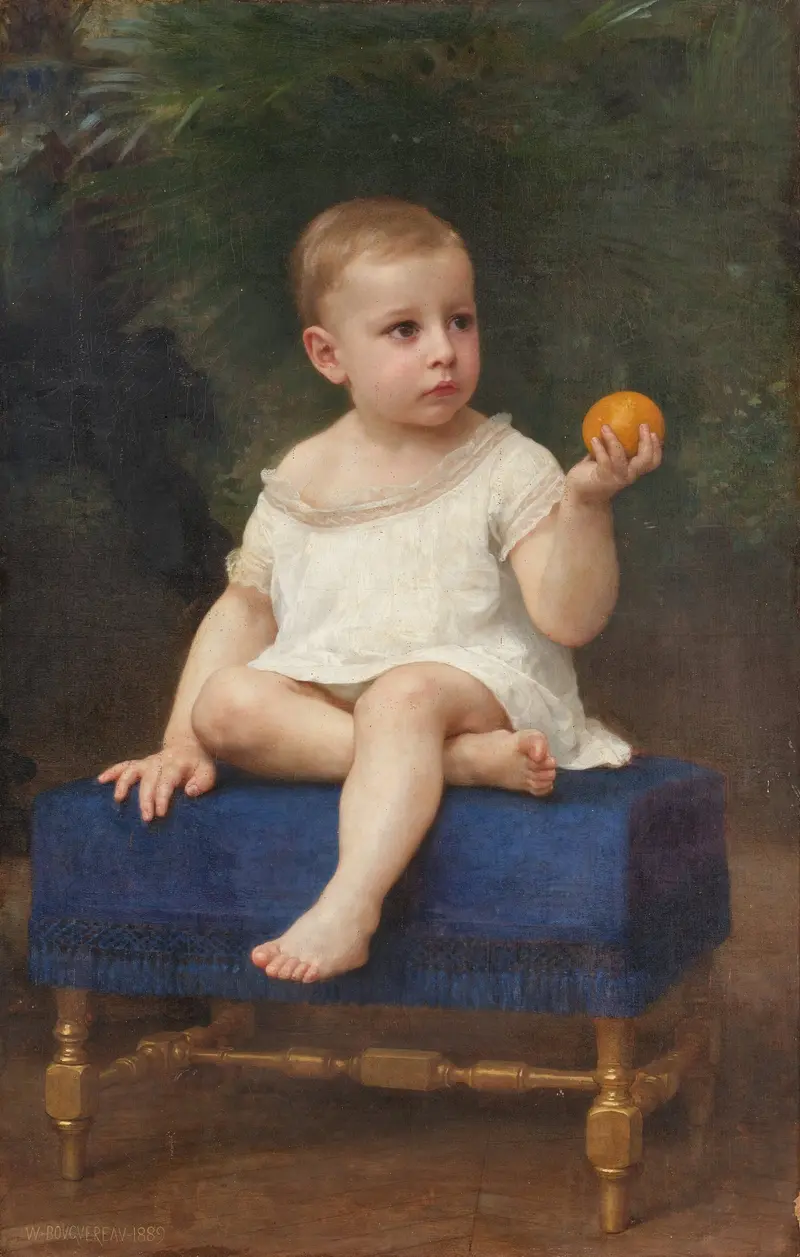
Portrait of a Child of Madame Porter
William Bouguereau
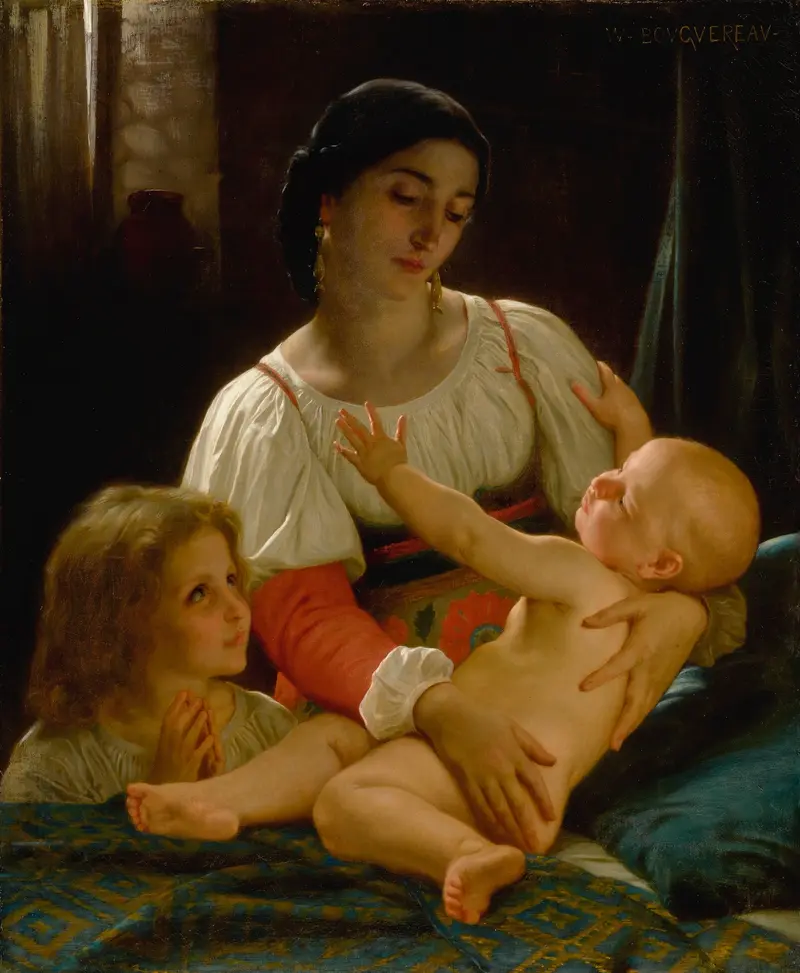
Le Réveil
William Bouguereau
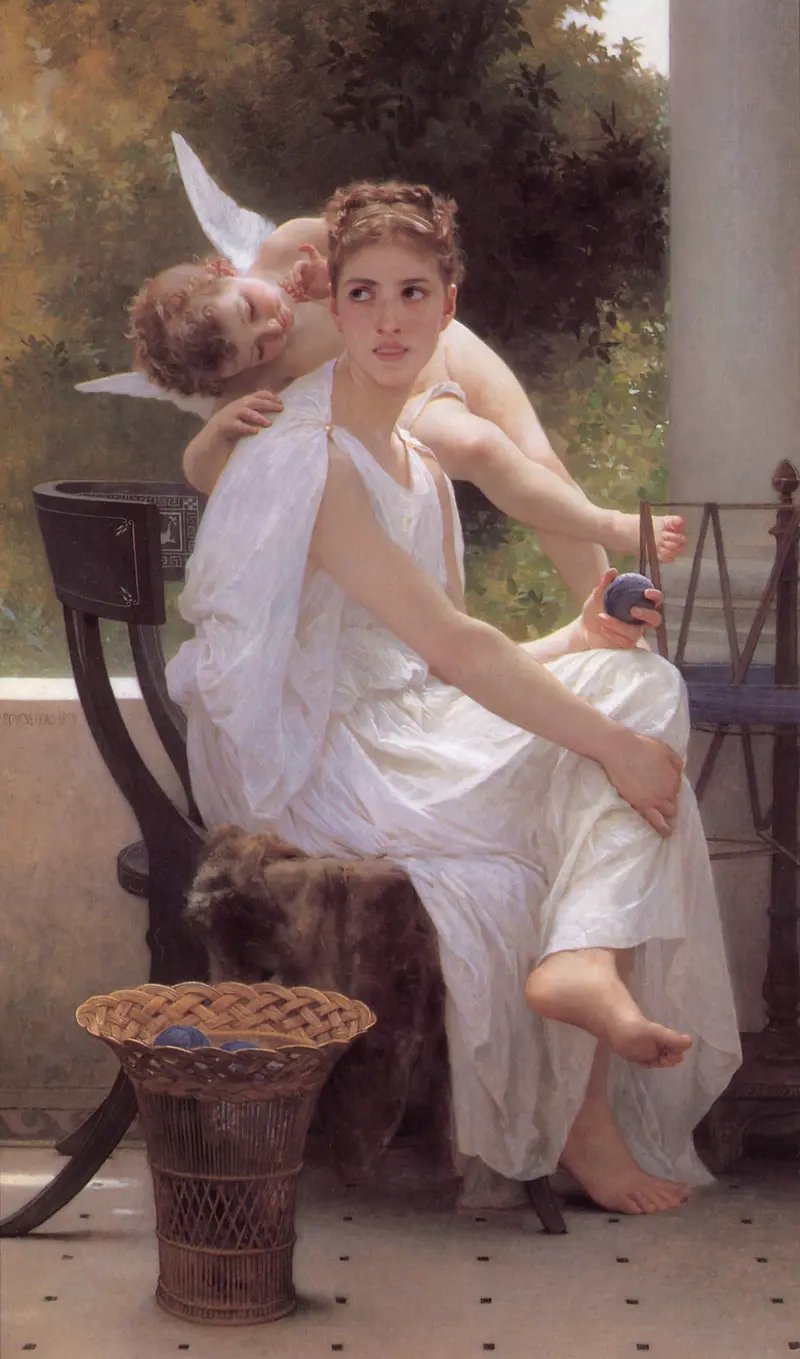
Le travail interrompu
William Bouguereau
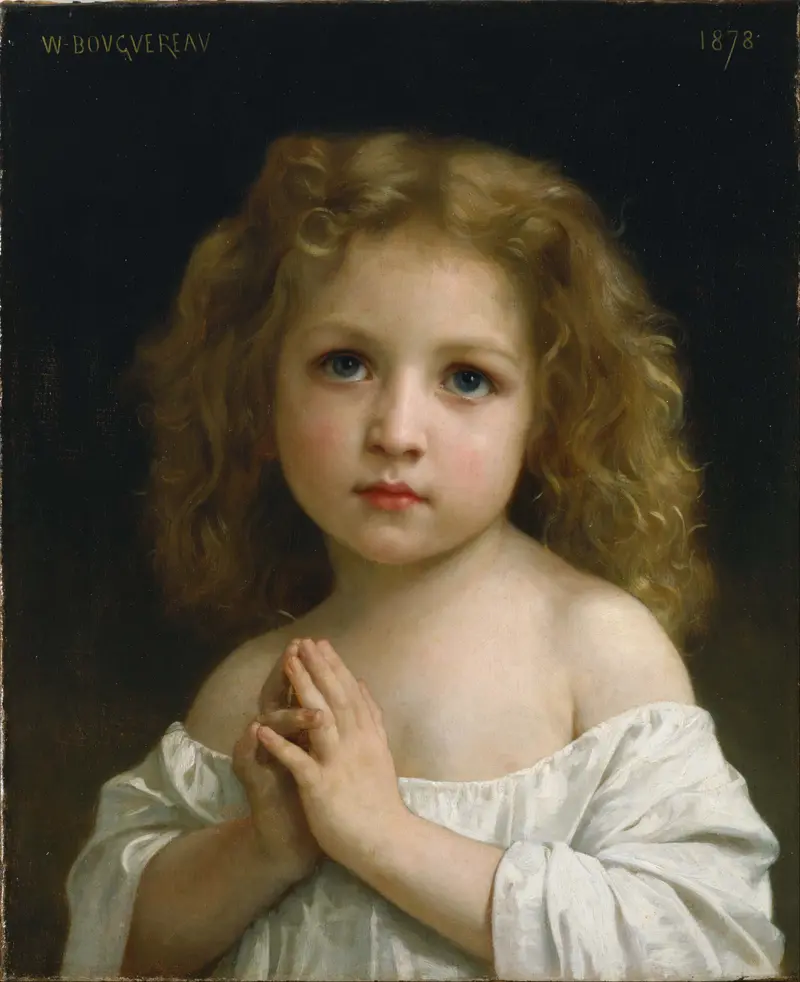
Little Girl
William Bouguereau
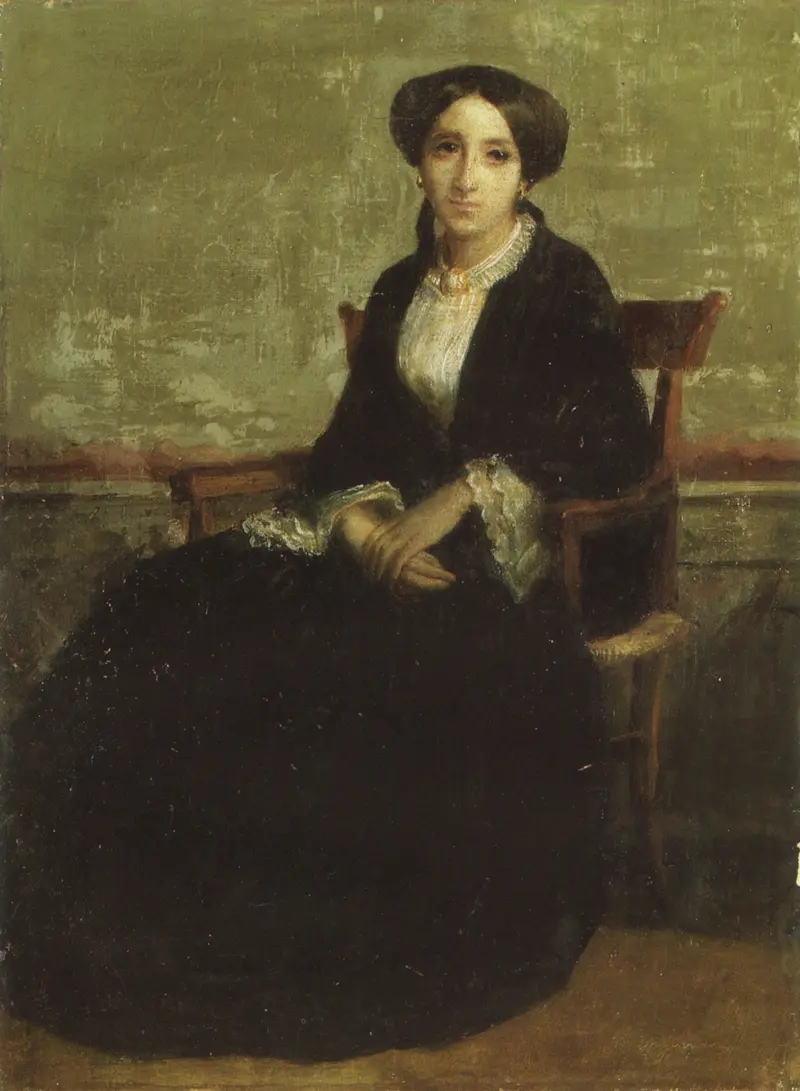
Portrait of Céline Geneviève
William Bouguereau

Bohémienne Au Tambour De Basque
William Bouguereau
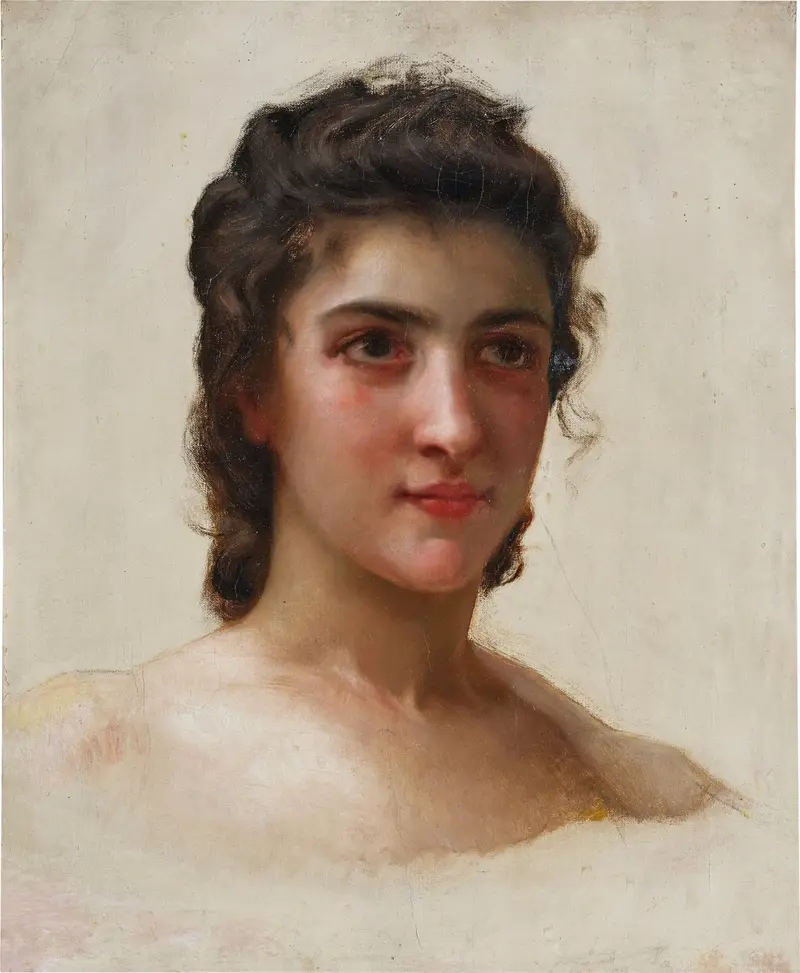
Portrait Study of Gabrielle Drunzer
William Bouguereau
Tête d’enfant
William Bouguereau





